KOTA SAMARAHAN: Sarawak aims to develop a generation that not only masters technology but also capable of creating, innovating, and developing its own intellectual property to support the growth of the state’s strategic sectors.
Premier, Datuk Patinggi Tan Sri Abang Johari Tun Openg, said developing local talent must therefore be prioritised as Sarawak strengthens its high-technology sectors, including semiconductors, artificial intelligence (AI), aerospace, and satellite technology.
“We cannot remain users of technology forever. We must develop the capability to create, innovate and produce our own intellectual property,” he said.
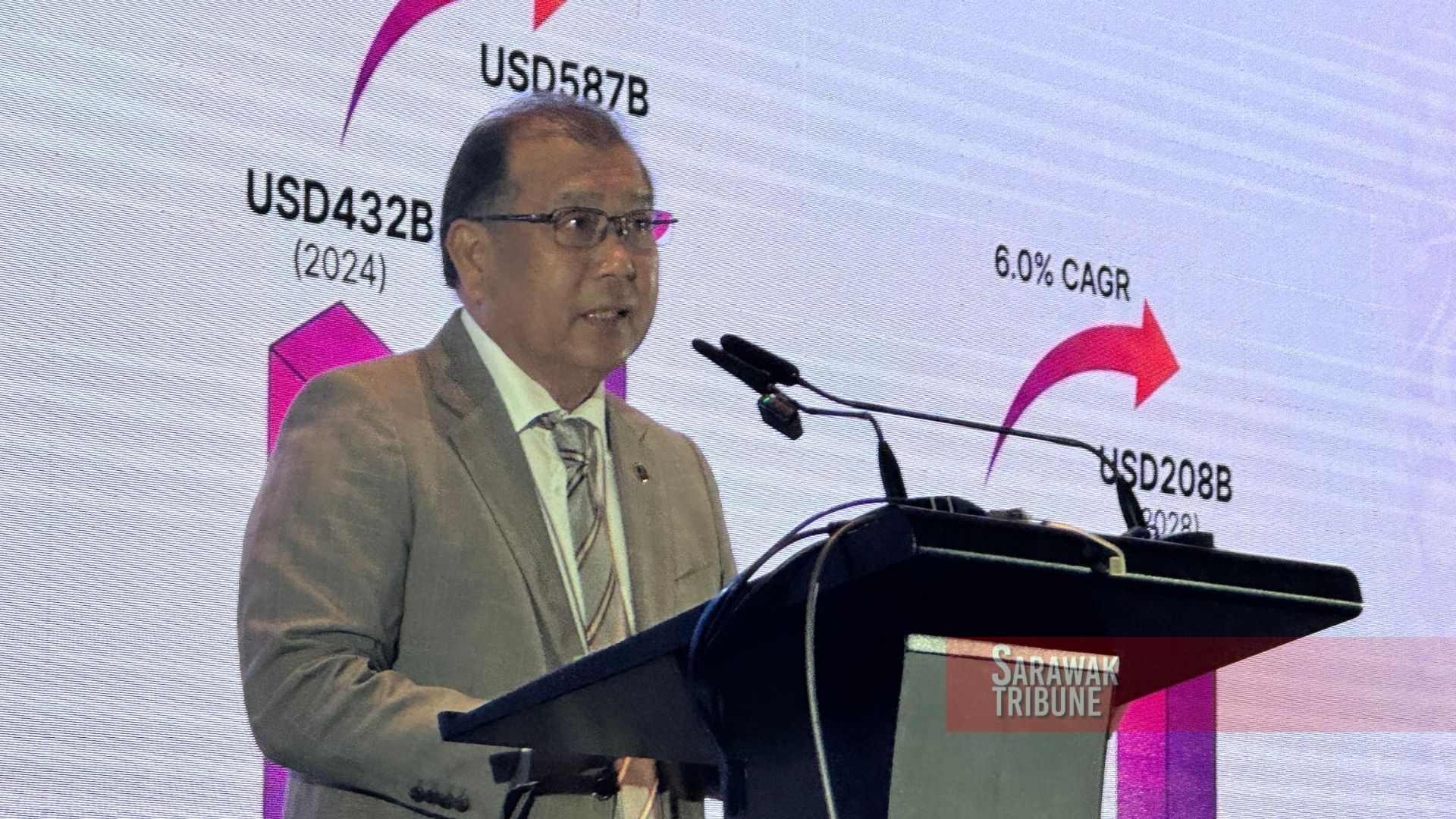
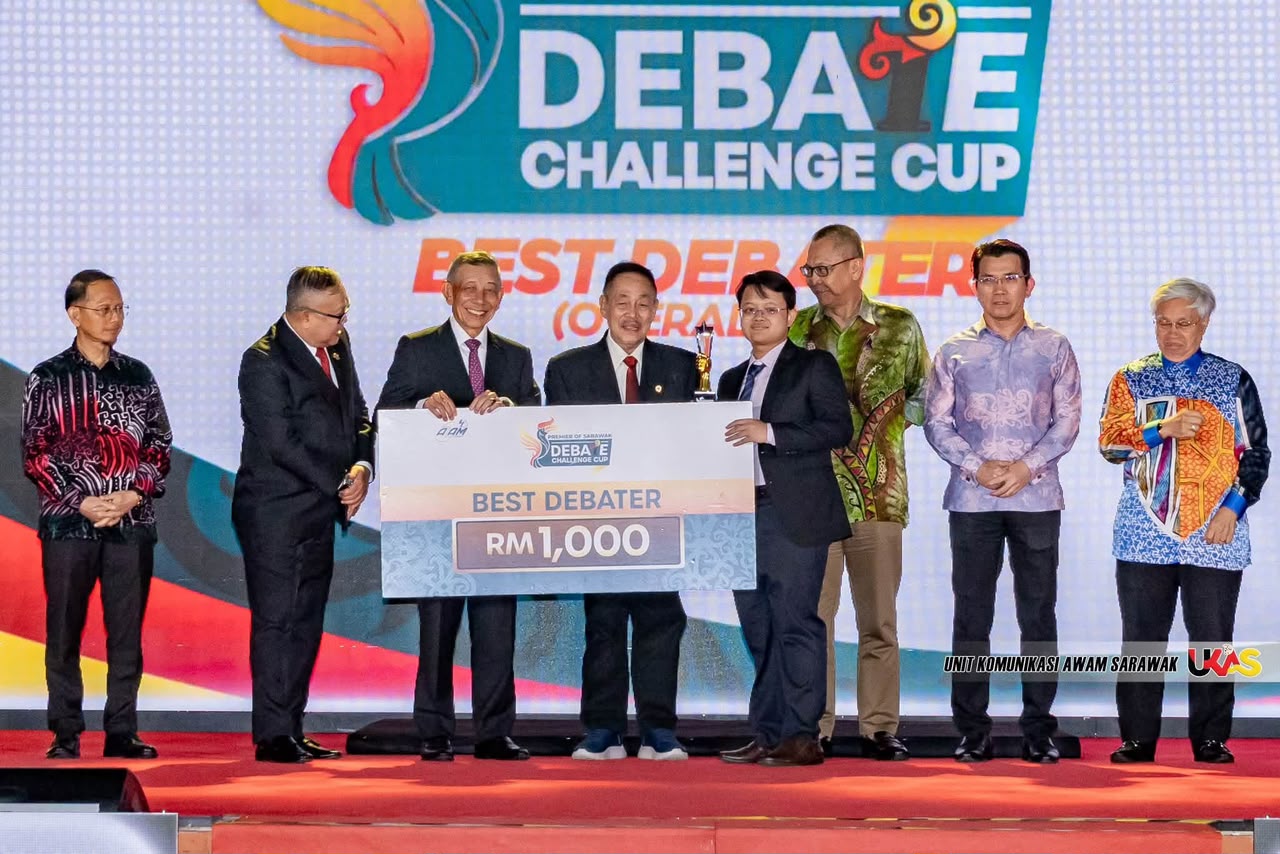
He said this in a speech delivered on his behalf by Minister for Education, Innovation and Talent Development Datuk Sri Roland Sagah at the Premier of Sarawak Debate Challenge Cup (PSDC) 2026 Grand Final and Prize Presentation Ceremony here Tuesday night (Aug 18).
Abang Johari said strengthening local talent was crucial to ensure that Sarawakians not only secured employment opportunities in high-technology industries but could also master these fields and develop their own solutions.
He said semiconductors offered significant prospects as the technology formed the foundation of numerous modern applications.
“Our goal is not merely to attract industries to Sarawak, but to develop Sarawakian talent so that they can contribute, create and produce their own technologies,” he said.
The semiconductor industry, he added, could create opportunities in highly skilled fields such as engineering, research, chip design, technical expertise, and technology development.
In aerospace and space technology, satellite applications could support telecommunications, environmental monitoring, disaster management, mapping, and agricultural development.
“At the same time, advances in artificial intelligence are creating broader opportunities for young people to develop new solutions and improve efficiency across various sectors of the economy,” he said.
Abang Johari said that technological development was increasingly connecting different fields, requiring young people to integrate knowledge from multiple disciplines.
He therefore urged them not to limit themselves to a single field but to develop the ability to connect different disciplines to create more innovative and effective solutions.
“Technology alone is not enough. Infrastructure alone is not enough. Capital alone is not enough. At the end of the day, it is people who determine whether the opportunities we create can be translated into progress,” he said.
He also urged university students to look beyond merely securing employment after graduation and instead consider how they could create new value.
“When you graduate, do not just ask, ‘Where can I get a job?’ Instead, ask, ‘What can I create?’, ‘What problem can I solve?’ and ‘What opportunity can I develop?’” he said.