KUCHING: The digital creative industry needs to move beyond its traditional role in outsourcing and become a full participant in the value chain by developing original intellectual property and global brands.
Deputy Minister of Digital Datuk Wilson Ugak Kumbong said this was necessary to capture the opportunities presented by the rapid growth of the global creative economy.
“Digital creativity is no longer just entertainment now. It is a strategic economic sector driving jobs, exports, and investment.
“When we look at the specific impact of animation and games, the result is extraordinary,” he said.
He said this when delivering his ministerial keynote during the Borneo Animation & Games Festival (BAGFEST) 2026 at a hotel here on Wednesday.
He added that the commercial achievements seen through the efforts of agencies such as the Malaysia Digital Economy Corporation (MDEC) included RM92.5 billion in revenue and RM12.1 billion in exports from 2011 to 2024.
To date, 281 intellectual properties had also been developed in Malaysia, he said.
He said the work had gone beyond commercial returns, with RM85.7 million in investment and social impacts through cultural diplomacy, national branding and empowering Malaysian stories to reach global audiences.
“We see our success stories in global icons like Mechamato and Upin & Ipin, and innovative works of No Straight Roads,” he said.
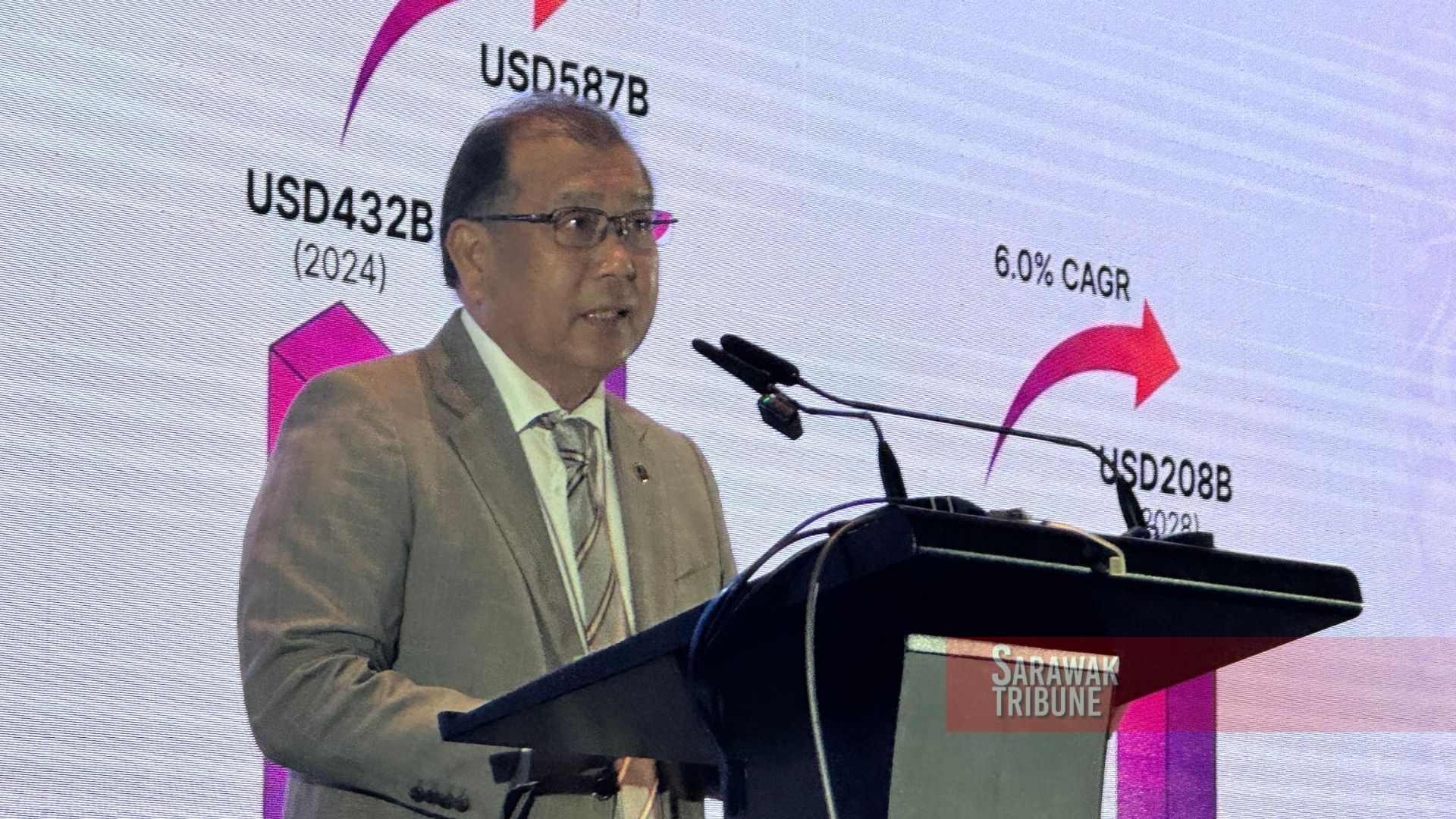
Turning to the global market, he added that the digital game market was currently worth USD184.3 billion and was projected to reach USD207 billion by 2027.
The global animation market was valued at USD432 billion and was expected to reach USD587 billion by 2030.
Meanwhile, global Over-The-Top (OTT) and streaming platforms were projected to grow from USD162.4 billion to USD208 billion by 2028.
“We need to capture this opportunity. To capture this opportunity, Malaysia should transition to a full participant in the value chain.
“For years, much of our industry’s strength has been in outsourcing and providing high-quality service work for global studios and publishers.
“That has built real capability and credibility,” he stressed.
He added that the goal is to move Malaysia from being primarily an outsourcing destination to becoming a powerhouse for original IP and global brands.
He said the move was anchored by the Digital Creative Ecosystem Plan 2026 to 2030, with the vision of positioning Malaysia as a global digital creative hub by 2030.
“Our vision is to position Malaysia as a global digital creative hub by 2030, recognised for high-quality IP and world-class talent, that’s what we want,” he said.
He said this would be achieved by strengthening local IP, empowering human capital and facilitating access to international markets.
“The government is committed to an ecosystem where investments flourish, supporting everything from animation and games, XR, AI, and Creative Technology,” he said.