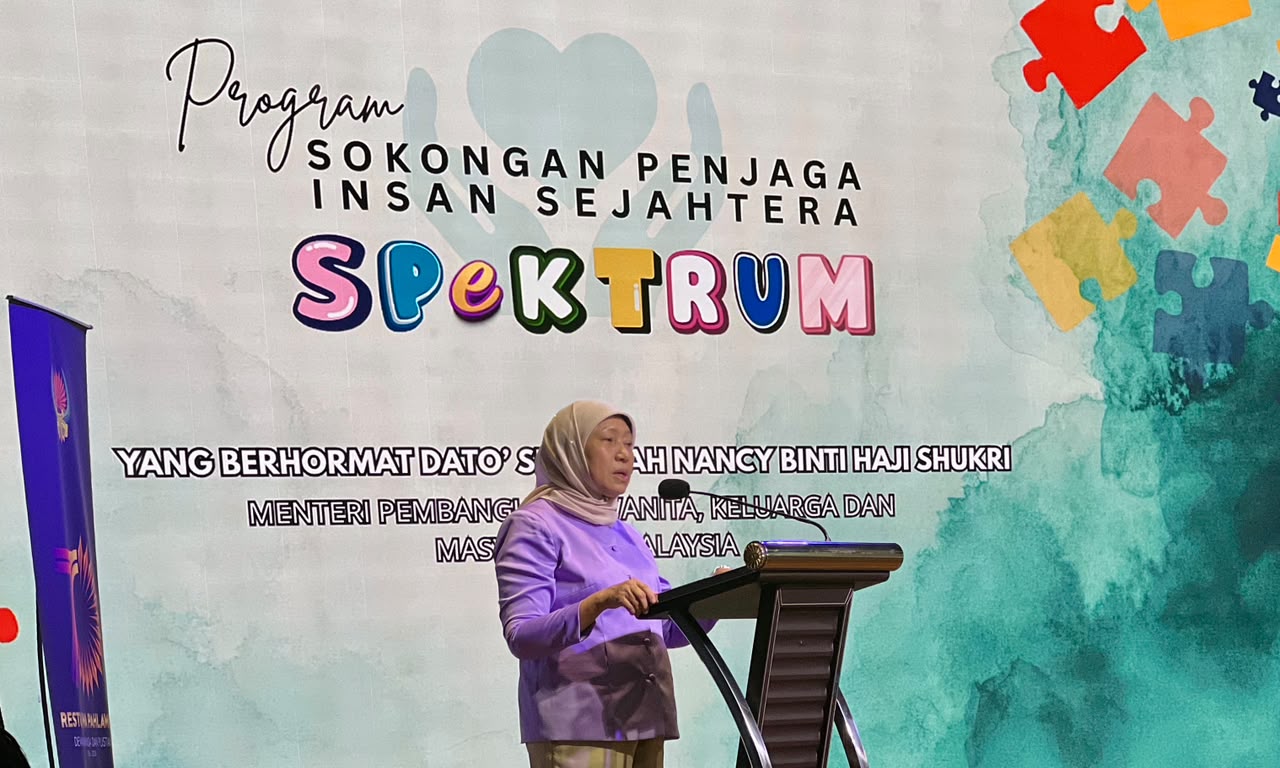
KUCHING: The responsibility of caring for the elderly, persons with disabilities (PwD) and chronically ill patients should not be placed entirely on families, said Women, Family and Community Development Minister Datuk Seri Nancy Shukri.
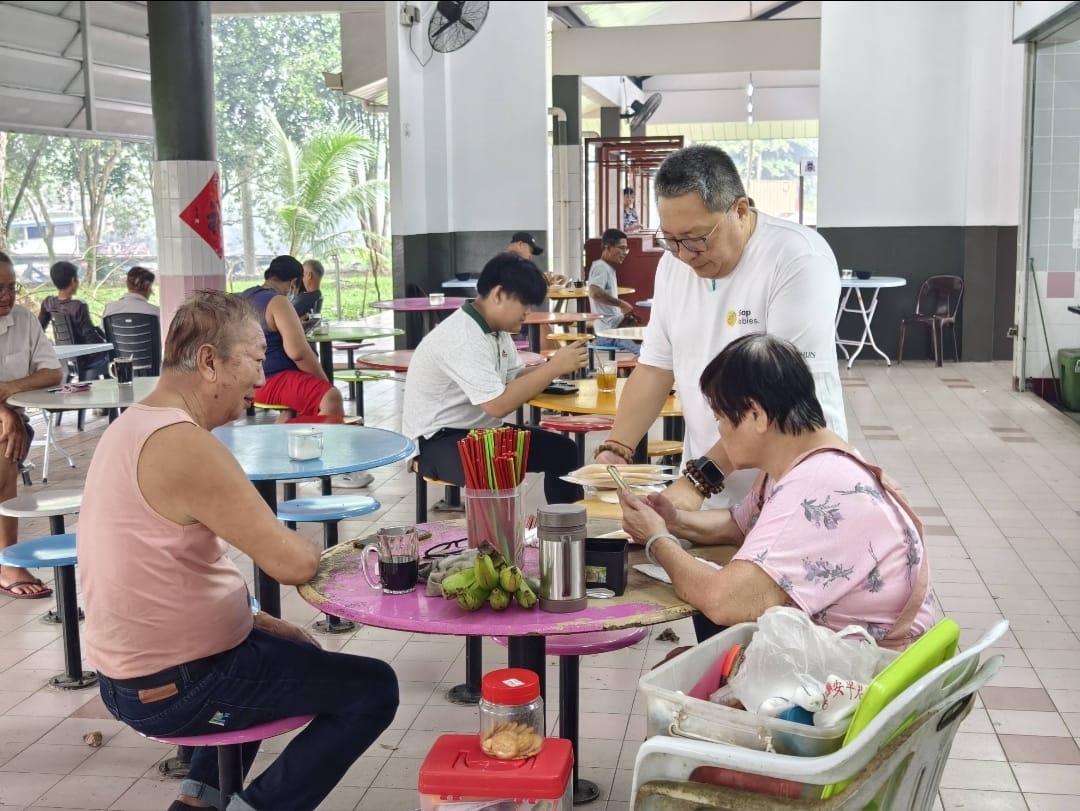
She said caregivers themselves require a strong support system, including home-based care services, temporary or respite care, psychosocial assistance, as well as community and government support networks.
“We cannot place the entire responsibility on the shoulders of families alone.
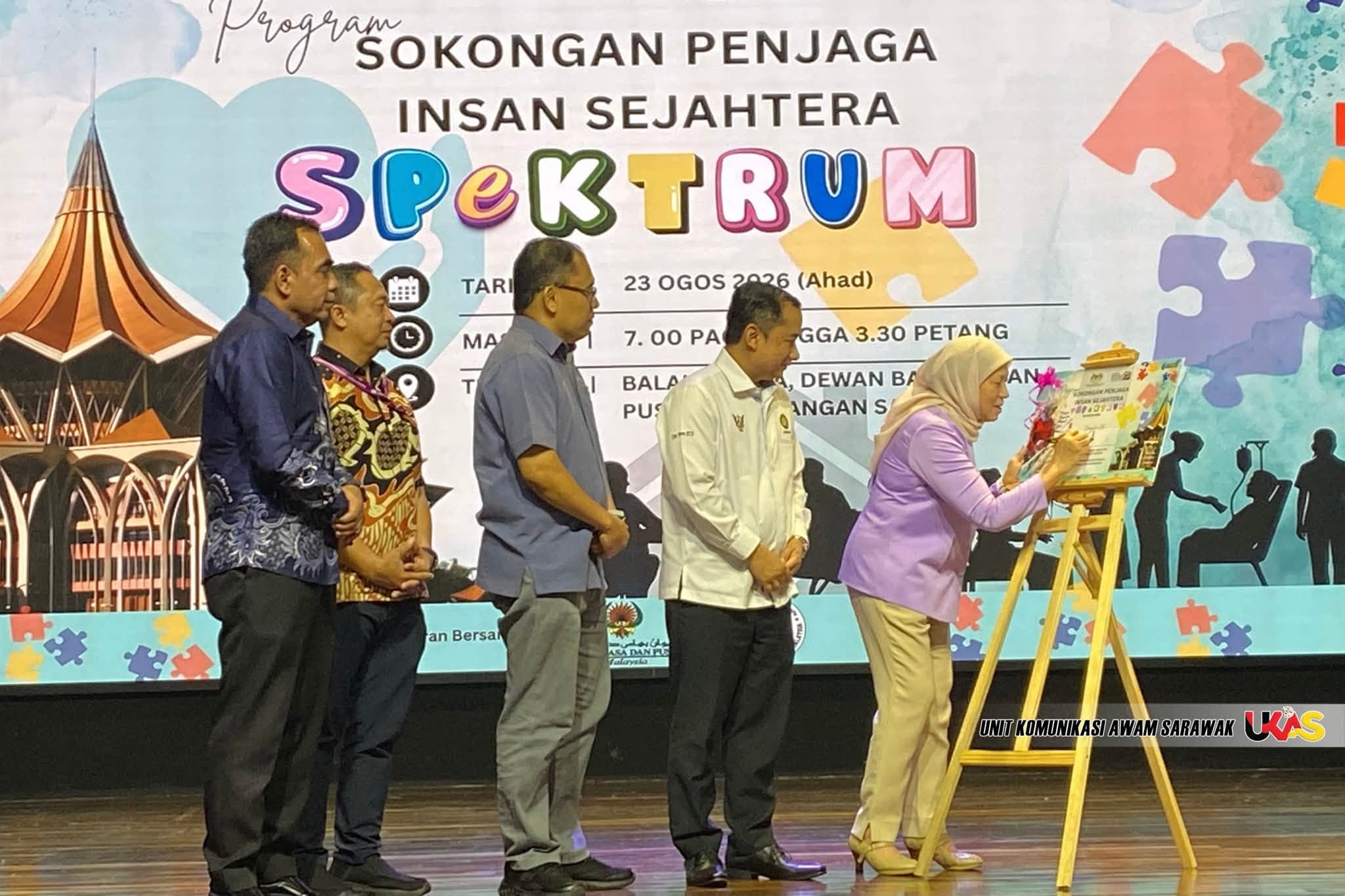
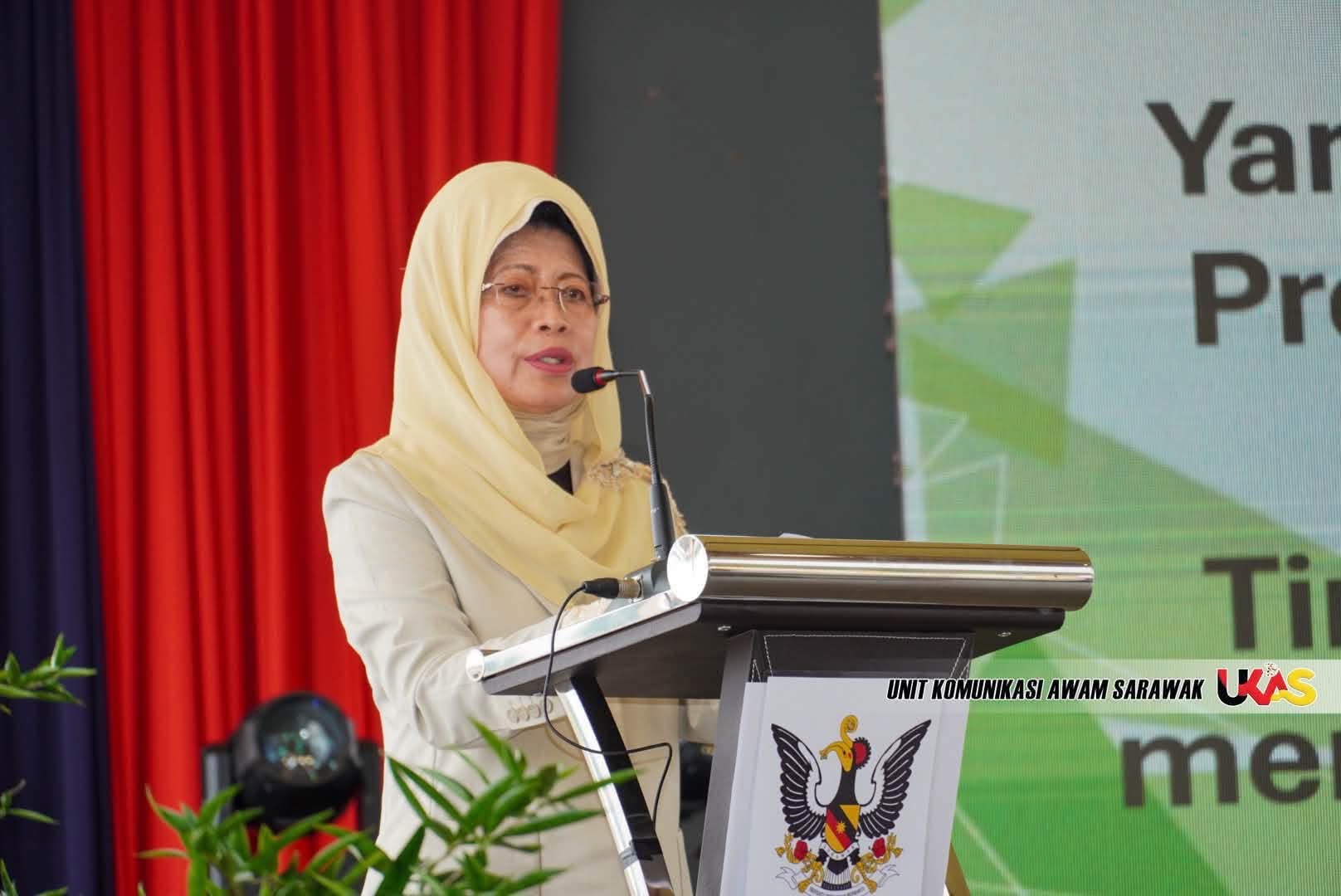
“Caregivers need to be supported through home-based care, temporary or respite care, psychosocial support, as well as community and government networks,” she said when officiating at the Sarawak-level Program Sokongan Penjaga Insan Sejahtera (SPeKTRUM) at the Dewan Bahasa dan Pustaka today (Aug 23).
She said caring for family members who are frail, disabled, chronically ill or bedridden is not an easy responsibility, as it requires skills, patience, emotional strength and continuous support.
In many cases, she said caregivers have to adjust their own lives to ensure their loved ones continue to receive proper care.
“Their contributions may often go unnoticed despite playing an important role in supporting both families and the wider community.
“When we look after the welfare of those who need assistance, we must not forget the welfare of those who care for them.
“Caregivers also need to be cared for and empowered,” she said.
Nancy said SPeKTRUM provides participants with training, knowledge, motivation and psychosocial support to help them provide better care without neglecting their own wellbeing.
“Taking care of yourself does not mean neglecting others. It helps us remain strong so that we can continue providing the best possible care,” she said.
She added that such efforts form part of a wider move to strengthen the caregiving ecosystem amid increasing care needs involving the elderly, PwD and people living with chronic illnesses.
Nancy said the ecosystem should not only protect those requiring assistance but also empower caregivers and improve the quality of care services in a more structured and professional manner.
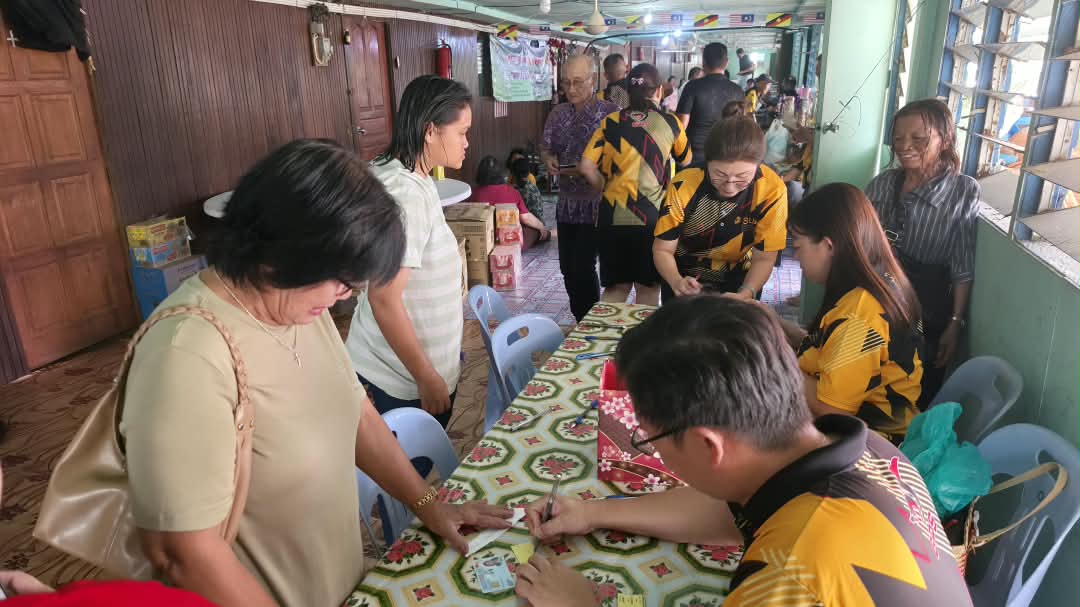
In Sarawak, she said 3,235 recipients had benefited from the Care Assistance for Bedridden Persons with Disabilities, Bedridden Chronically Ill Patients, and Non-Bedridden Chronically Ill Patients (BPT), with expenditure exceeding RM10.4 million as of June this year.
During the same period, 23,034 elderly recipients in Sarawak received assistance under the Bantuan Warga Emas (BWE), involving expenditure exceeding RM94.3 million.
She also stressed that strengthening the caregiving sector requires cooperation among the government, families, communities, non-governmental organisations, training institutions and the private sector.
Nancy said caregivers should be equipped with appropriate training, protection and recognition as demand for care services continues to grow.