MIRI: Northern Sarawak must convert growing international interest in its tourism attractions into actual business, with tourism operators urged to turn familiarisation visits into marketable packages, partnerships and new visitor arrivals.
Deputy Tourism, Arts and Culture Minister and Miri MP Chiew Choon Man said the real test of the Malaysian Inbound Tourism Association’s (MITA) Miri and Bintulu Familiarisation Programme was not the number of international delegates who visited Sarawak but what followed after they returned home.
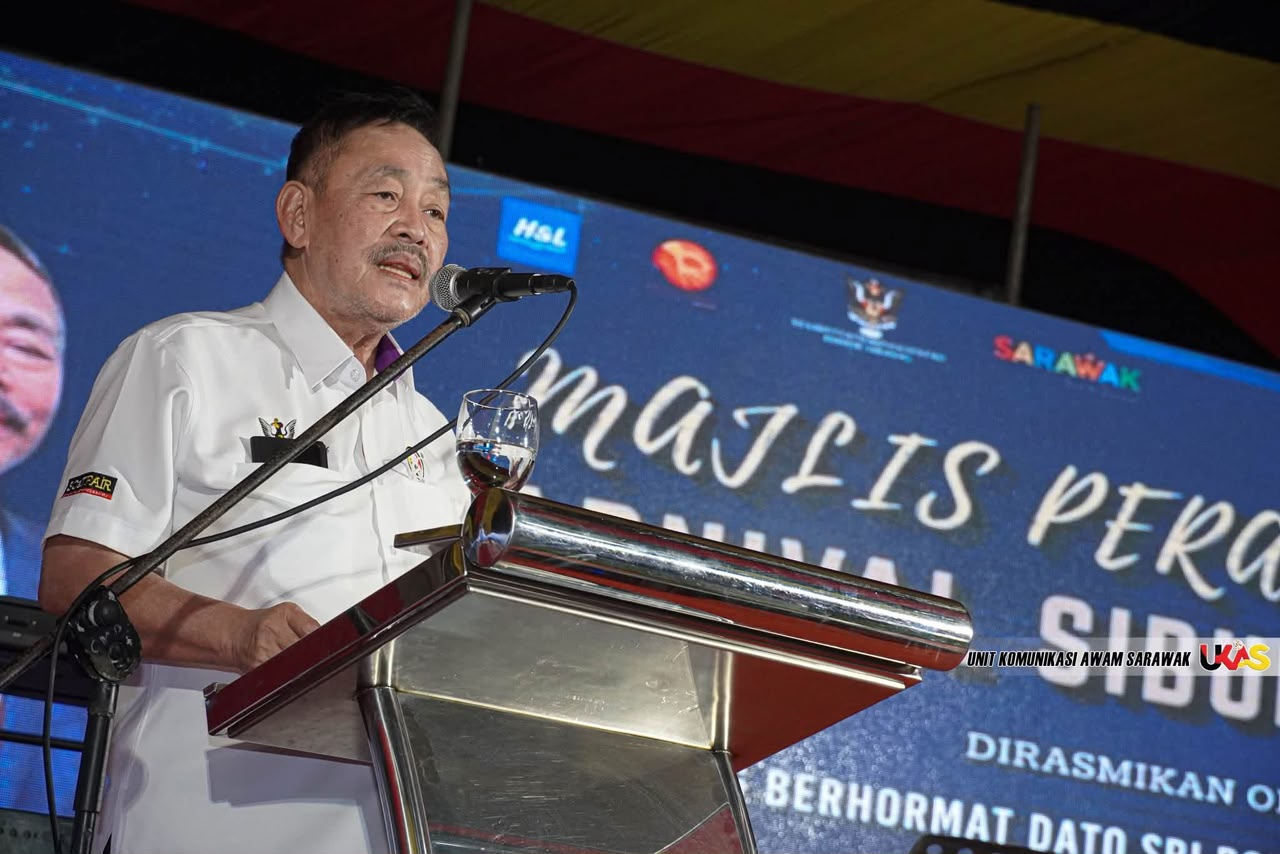
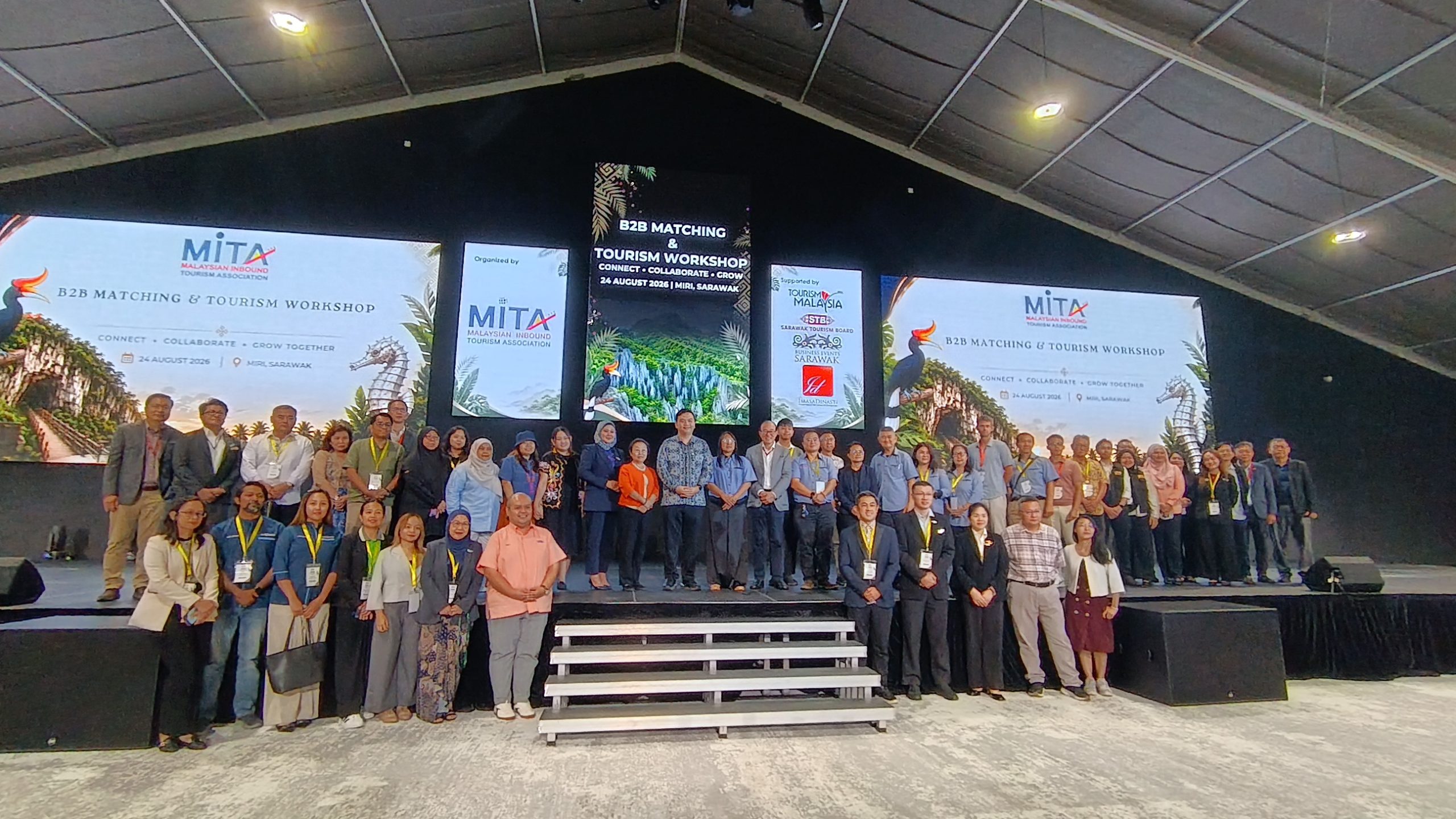
“The success of this programme is measured by what happens after today,” Chiew said at the closing of the programme, and Business Matching and Tourism Exchange Workshop here today.
The event brought together MITA president Mint Leong, Tourism Malaysia International Promotion Division (ASEAN/Southeast Asia) senior director Baizuri Baharum, TAK Group chairman Teo Ah Khing, Sarawak Tourism Board Digital Communications senior manager Heidi Tay Lian Ai, Business Development and Service general manager Anedia Kahar and MITA Sarawak EXCO member Wilson Chiam.
More than 40 participants took part in the programme from Aug 21 to 24, including travel agents from China, a blogger from Russia as well as KOLs and tourism partners from Peninsular Malaysia.
Chiew said the programme was supported by the Ministry of Tourism, Arts and Culture, including through grant assistance, because it represented an opportunity to develop new tourism markets for Miri, Bintulu and northern Sarawak.
“This is not merely another tourism event. We see it as an investment in building new tourism markets.”
Chiew said the Business-to-Business (B2B) session was deliberately positioned as the culmination of the familiarisation programme so that relationships established during destination visits could be converted into actual tourism cooperation.
He urged Malaysian tourism operators to use the session to understand what overseas partners were looking for and, most importantly, to translate discussions into tour packages that could be sold in international markets.
He also challenged international travel agents, KOLs and tourism partners to return to their respective markets with confidence in northern Sarawak as a destination ready to receive more visitors.
Delegates visited Bintulu, experienced indigenous culture and community life through a longhouse programme, explored Niah National Park, a UNESCO World Heritage Site and continued to Miri for city and educational institution visits.
The wider itinerary also covered agriculture and durian experiences, coastal attractions and indigenous heritage.
Chiew described the research travel concept as 30 per cent research, 30 per cent learning and 40 per cent travel, saying the model was particularly suited to Sarawak.
Chiew also highlighted Brunei’s geographical position as a potential gateway for expanding northern Sarawak’s international tourism reach.
He said existing air links between Brunei and Chinese cities could support multi-destination itineraries in which visitors fly into Brunei before travelling overland into Miri and continuing to Bintulu, Mulu or other destinations.
With closer Malaysia-Brunei cooperation, he said northern Sarawak could be packaged with Brunei and Sabah as part of a wider Borneo tourism experience.
Chiew said the initiative was particularly timely during Visit Malaysia 2026, with the government seeking to ensure that tourism benefits were distributed beyond Malaysia’s traditional destinations.
“Every new tourism package created through the B2B process could also generate commercial opportunities for local industry players.”
Chiew urged MITA to continue bringing international travel agents to northern Sarawak and strengthening connections between local tourism operators and overseas buyers.
The programme was hosted at the Kenyalang Smart City Convention Hall, with support from Imasa Dynasti, hotels, tourism operators and other industry partners.