KUCHING: The Department of Environment (DOE) has urged the public to refer to official sources for air quality updates following confusion over varying pollution readings on social media and third-party applications.
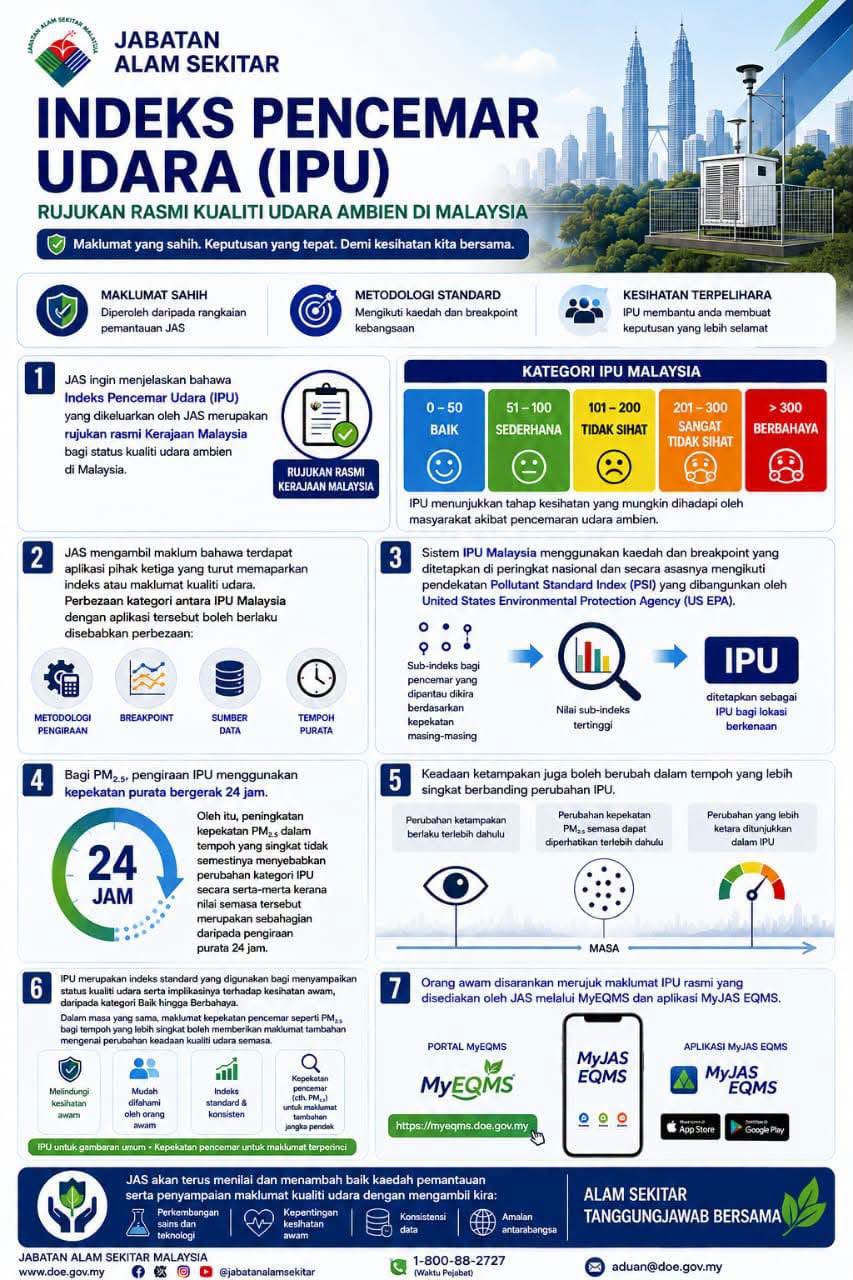
It said differences in readings or categories displayed do not necessarily mean one source is inaccurate, as systems may use different calculation methodologies, breakpoints, data sources and averaging periods.
“The API issued by the DOE is the official reference of the Malaysian Government for ambient air quality status in Malaysia,” it said in its official Facebook page today.
The index is designed to provide an easy-to-understand indication of air quality and its potential implications for human health.
The API is calculated using monitored concentrations of six pollutants – PM2.5, PM10, ozone, carbon monoxide, nitrogen dioxide and sulphur dioxide – with specific averaging periods applied to different pollutants.
Each pollutant concentration is converted into a sub-index based on the methodology and breakpoints set under Malaysia’s API system. The highest sub-index then determines the API for a particular location.
DOE said one of the most common sources of confusion involves PM2.5 readings.
The API calculation for PM2.5 is based on a 24-hour moving average, meaning a short-term increase in the pollutant does not necessarily result in an immediate change in the API category.
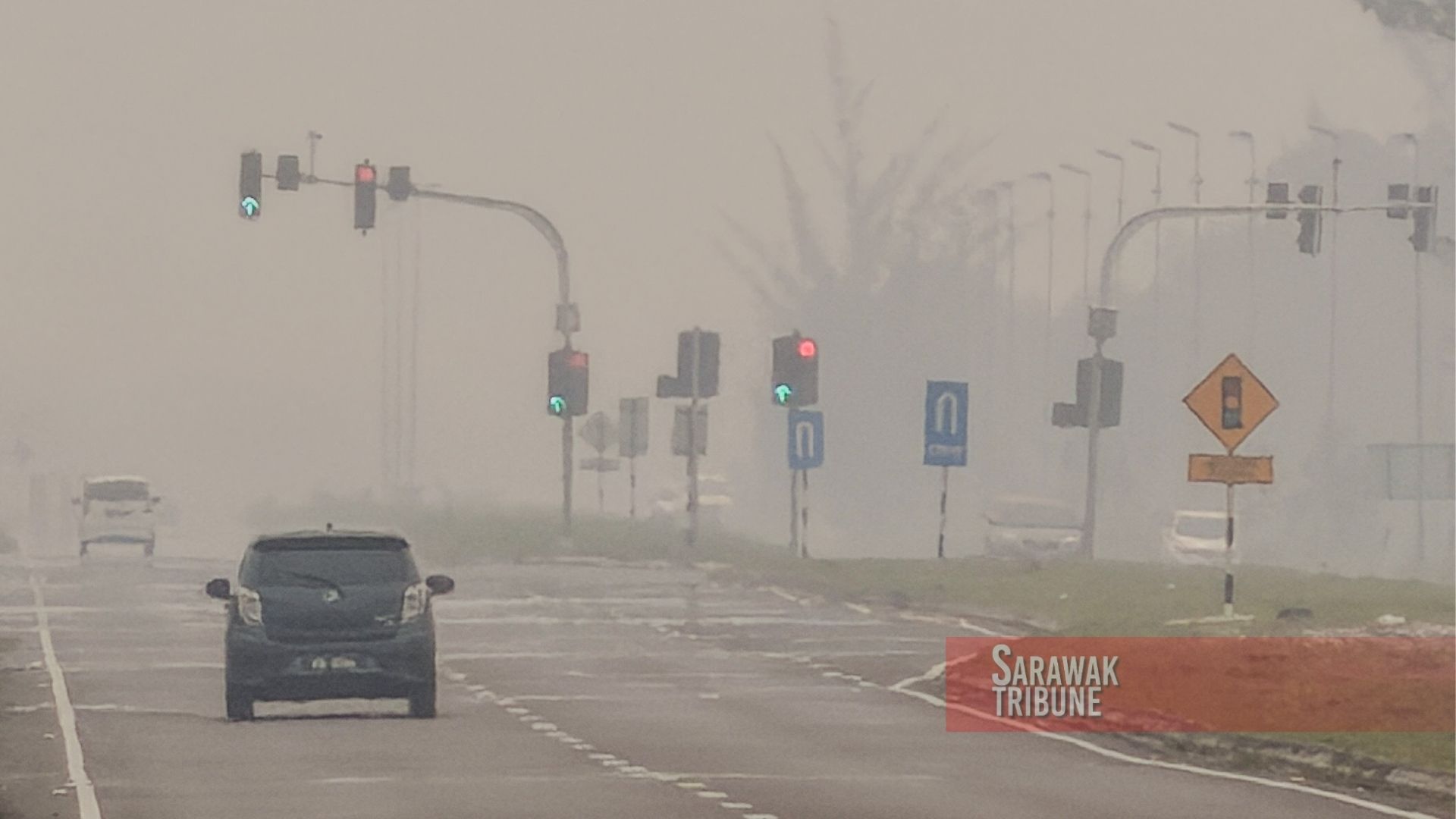
Similarly, visibility can deteriorate faster than the API changes because it reflects current conditions visible to the naked eye, while the PM2.5 API takes into account the 24-hour average.
As such, hazy conditions or a sudden rise in current PM2.5 concentrations do not automatically mean that the official API category will change immediately.
DOE urged the public not to draw conclusions based solely on a single reading, screenshot or viral third-party application.
Instead, the public should check official sources and understand how air quality readings are calculated before sharing information.
Official and updated air quality information is available through the DOE’s MyEQMS platform and the MyJAS EQMS application.
“Accurate information sharing helps the public make informed decisions,” it added.