KUCHING: Sarawak’s growing revenue, renewable energy resources, agriculture sector and emerging high-technology industries are strengthening its potential to become a major economic hub in the ASEAN region by 2030.
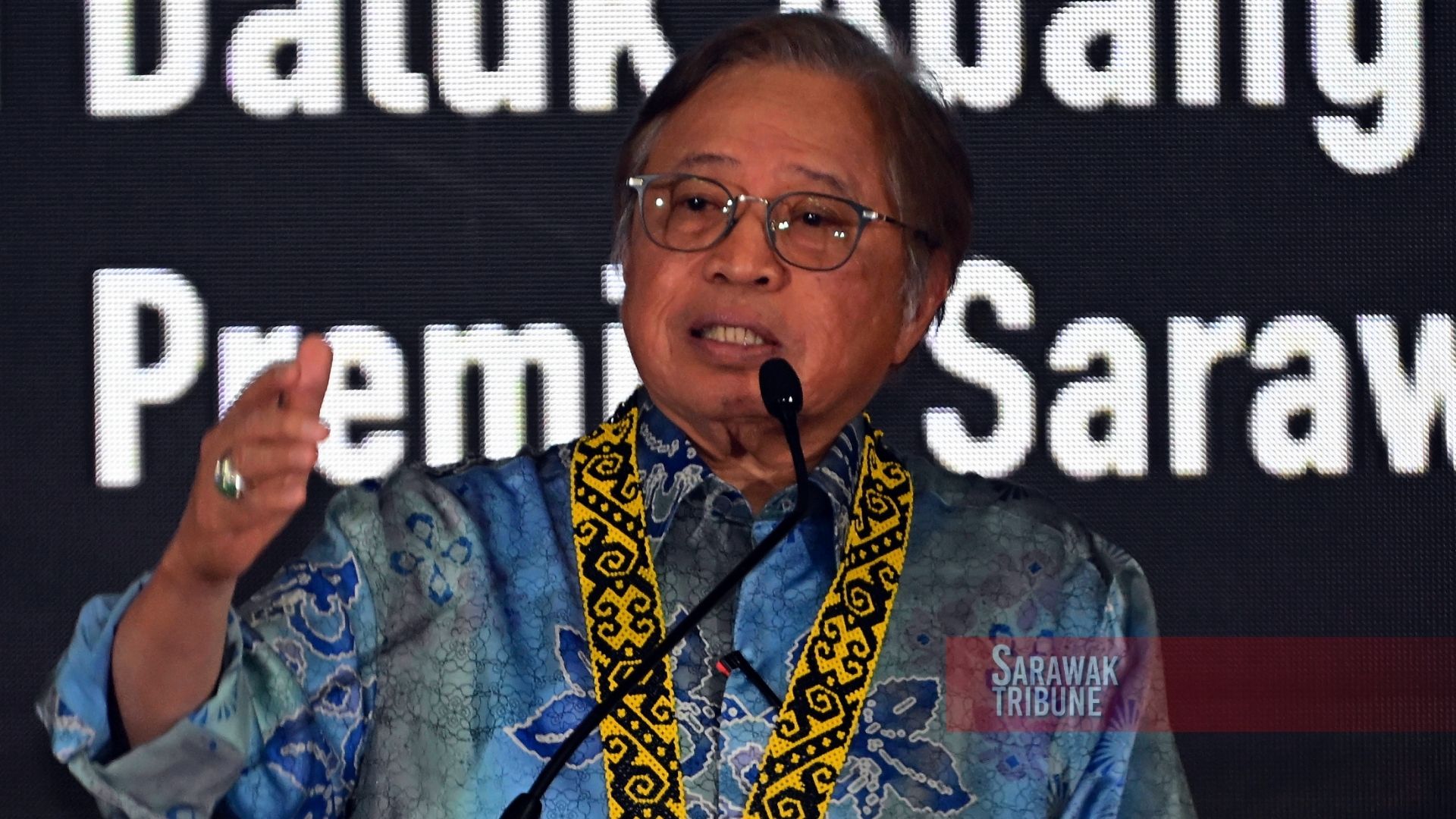
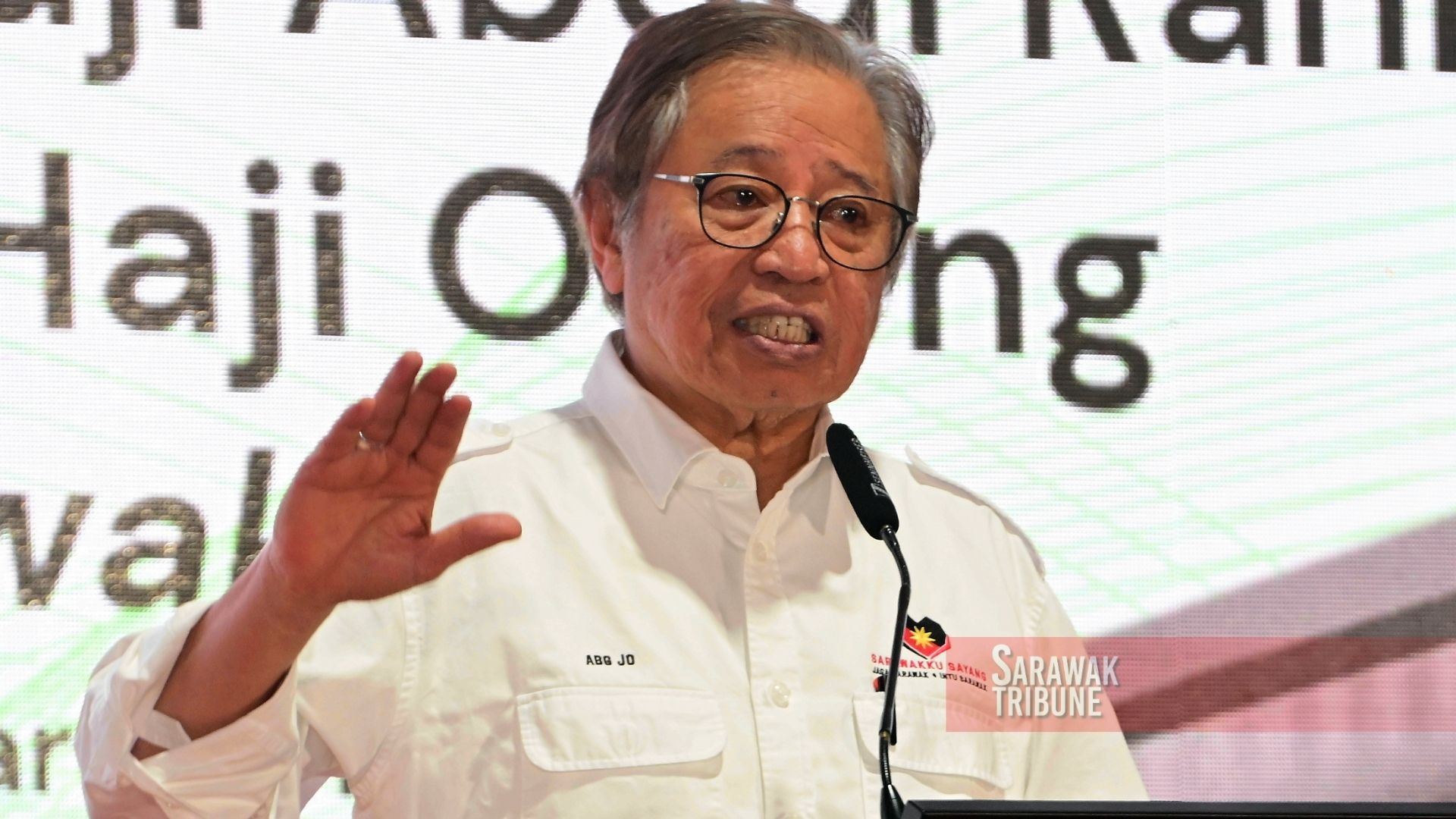
Premier Datuk Patinggi Tan Sri Abang Johari Tun Openg said Sarawak’s economic strength had continued to grow since 2017, giving him confidence that the state could achieve development comparable with advanced states and countries in the region.
“I am personally very confident that Sarawak will become a developed region on par with developed states and countries in the region, judging from the strength that we have built together since 2017,” he said in his message in conjunction with the Sarawak-level 69th National Day celebration.
He said the significant increase in state revenue compared with more than a decade ago was a clear indication of Sarawak’s strengthening economy.
Sarawak recorded RM12.5 billion in revenue in 2025, following a record RM14.2 billion in 2024, which he said was the highest ever recorded in the state’s history and among Malaysian states.
Abang Johari said state revenue was expected to continue increasing as sectors such as oil and gas expanded alongside efforts to increase the value chain of Sarawak’s resources.
He identified renewable energy as one of Sarawak’s key economic strengths, particularly given the state’s substantial clean energy resources.
Around 61 per cent of Sarawak’s installed electricity generation capacity currently comes from renewable sources, particularly hydropower.
The state is targeting an increase in electricity supply capacity from 5.9 gigawatts to 10 gigawatts by 2030, with clean energy expected to support the development of hydrogen, green industries, data centres and other high-technology sectors.
“With this strength, Sarawak has the potential to become one of the major clean energy hubs in ASEAN and play an important role in supporting the region’s economic growth through the establishment of the ASEAN energy grid, God willing,” he said.
Sarawak’s renewable energy strength has also placed Bintulu among 43 green energy-based industrial clusters across 24 countries under the World Economic Forum.
Abang Johari said Bintulu’s recognition as Malaysia’s first Transitioning Industrial Cluster (TIC) was an important acknowledgement of Sarawak’s capability to drive green industrial transformation internationally.
He added that Sarawak had continued to attract the attention of international institutions such as the Asian Development Bank (ADB) for the state government’s efforts to transform Sarawak into a regional green economy hub.
“I will lead a delegation to Manila next week following my previous meeting with the ADB to strengthen cooperation with the bank for mutual benefit, towards green economic development and the development of Tanjung Embang infrastructure,” he said.
Beyond energy, Abang Johari said agriculture and food security were also among Sarawak’s economic strengths.
Recent statistics showed Sarawak had overtaken Sabah as Malaysia’s largest oil palm producer in terms of planted area, with approximately 1.66 million hectares and around 4.5 million tonnes of crude palm oil production recorded in 2025.
He said the state could further expand the value chain and downstream palm oil industry into areas such as animal feed production and biomass generation to create higher economic returns.
Sarawak also has potential to become one of the country’s major rice producers, based on research being conducted in several areas.
Among the initiatives is research in Kuala Baram involving the private sector and Yunnan University in China to assess the potential of perennial rice varieties.
Abang Johari said the variety was capable of regrowing after being harvested without requiring replanting.
“With proper crop management, this perennial rice has shown the potential to produce up to 14 tonnes per hectare over two planting seasons,” he said.
The ability to produce repeated harvests from a single planting could increase productivity while reducing the need for replanting compared with conventional rice production.
Abang Johari said these strengths should provide Sarawakians with confidence in the state’s economic future.
“These are among Sarawak’s economic strengths that should give all Sarawakians high hopes that this region will become a progressive economic hub in the region by 2030 and in the centuries to come,” he said.