The first series will explore how modelling tools such as Scenario Builder can help governments and utilities assess electricity demand, renewable energy development, transmission needs and cross-border power trade as ASEAN moves towards a more connected electricity system.
The ASEAN Power Grid is moving into a more practical phase, with countries looking beyond the idea of connecting their electricity systems to how those connections can actually be planned and operated.
For Sarawak, this raises a number of questions. How much electricity could be exported in the future? Where should transmission links be developed? How much power will be needed by new industries within the state? And how could changes in neighbouring markets affect Sarawak’s own plans?
As more countries become interconnected, these decisions will increasingly need to be considered together.
From planning to testing different scenarios
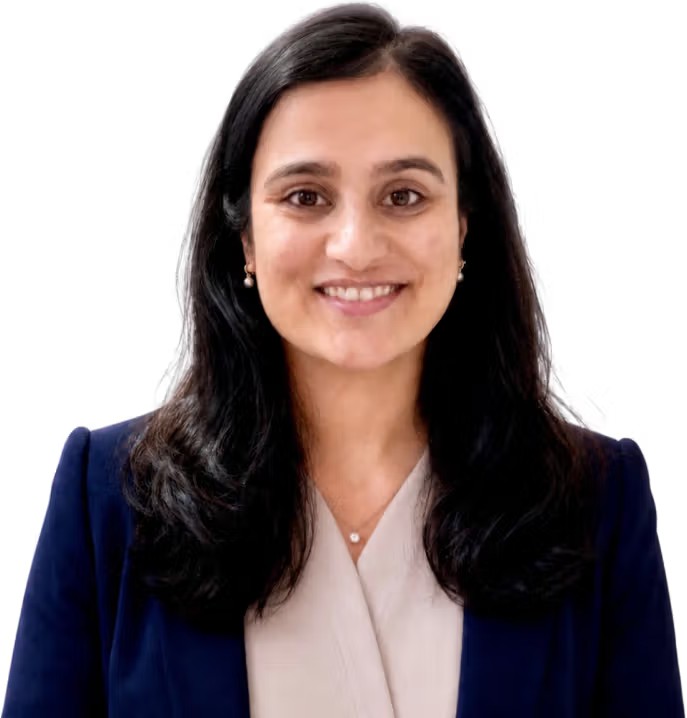
TransitionZero Head of Market Development Ajita Mishra said Scenario Builder is designed to help governments and utilities examine these questions through a shared modelling platform.
The web-based platform allows users to build and run least-cost transition, transmission and cross-border electricity trade models without having to commission bespoke consultancy work or purchase proprietary desktop software.
It covers 16 countries, including all 10 ASEAN member states, allowing users to examine systems at both national and multi-national levels.
“Scenario Builder allows governments and utilities to shift the conversation from planning questions to decision intelligence in minutes — modelling least-cost transition pathways, transmission and interconnection planning, and cross-border trade analysis across a shared, open environment where assumptions are visible and outputs are comparable,” she said in a recent written interview with the Sarawak Tribune.
Traditional modelling tools can be expensive and proprietary, with analysis often held within a limited number of institutions.
For Mishra, having an open environment is important because major infrastructure decisions can lock in generation and transmission choices for 20 to 30 years.
“The evidence behind them needs to be open and defensible,” she said.
Seeing different parts of the system together
For Sarawak, the platform could allow planners to examine its electricity system alongside other parts of Malaysia and neighbouring ASEAN countries.
Mishra said users could test different levels of renewable deployment, electricity demand, transmission constraints and cross-border trade rather than looking at each issue separately.
“For Sarawak, relevant scenarios could include different levels of electricity demand, renewable energy deployment, transmission constraints and cross-border electricity trade,” she said.
This could help planners examine what happens under different circumstances.
For example, Sarawak could test an export commitment against faster-than-expected industrial demand, or consider how changes in a neighbouring market’s renewable energy development could affect its need for imported electricity.
The platform could also allow users to compare different interconnection configurations and examine how Sarawak’s renewable resources could support other markets under different conditions.
Planning around Sarawak’s own needs
This is important because Sarawak’s regional electricity ambitions are developing alongside its own economic plans.
The state is investing in renewable energy, hydrogen and energy-intensive industries. Future electricity demand from these activities could affect the amount of power available for export.
Mishra said Scenario Builder could incorporate new sources of demand, including hydrogen production and data centres, into the same model as domestic supply, renewable deployment, transmission and export commitments.
“It is important that electricity demand, renewable deployment, transmission, and cross-border trade be planned together, rather than treated separately,” she said.
This integrated approach could help policymakers understand the implications of different development pathways before making long-term decisions.
A regional grid taking shape
The need for this type of planning comes as ASEAN moves towards implementation of the ASEAN Power Grid.
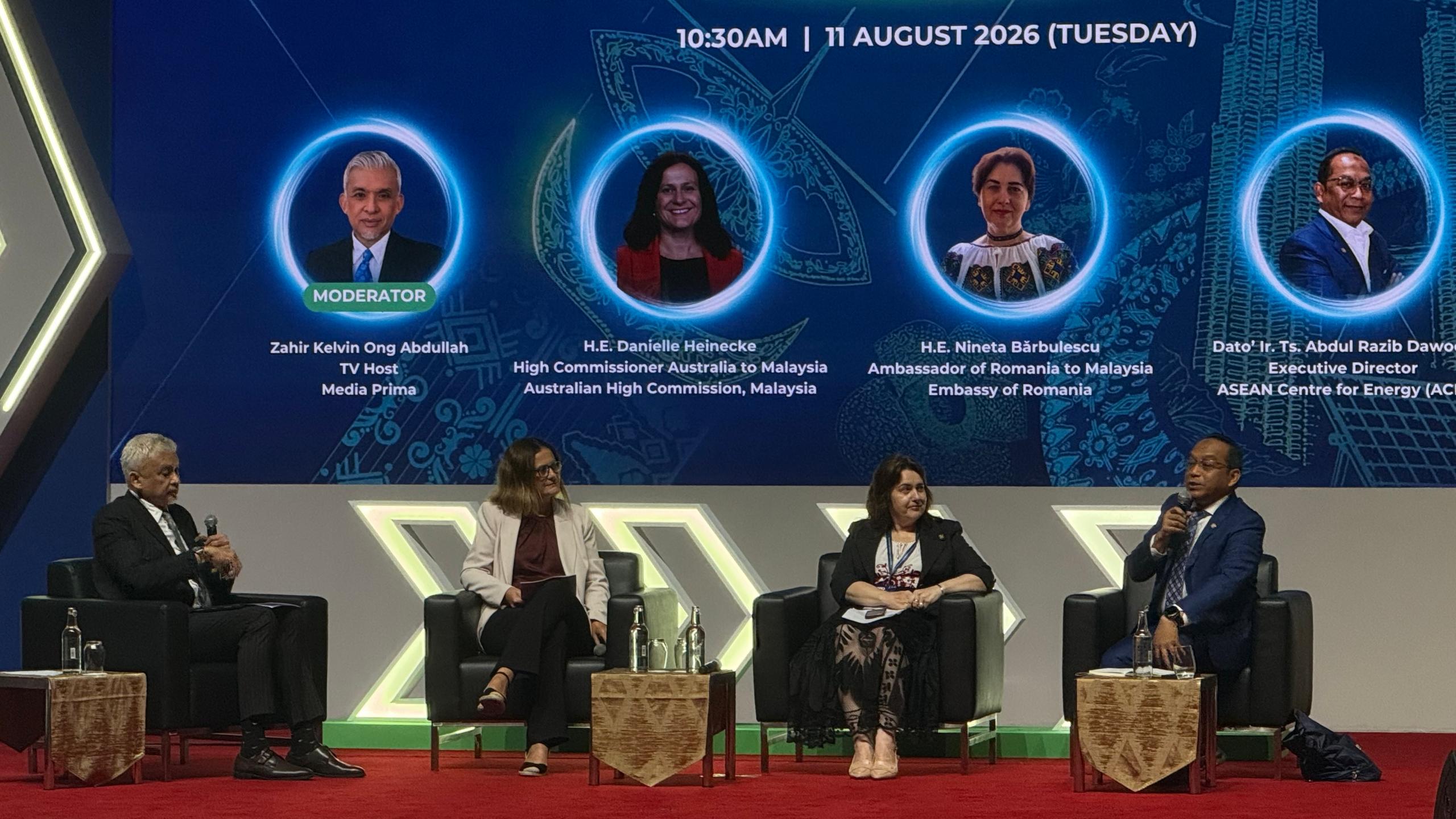
At the recent 7th International Sustainable Energy Summit 2026, ASEAN Centre for Energy Executive Director Datuk Abdul Razib Dawood said the APG had moved from the planning stage towards implementation.
“We have shifted from planning to implementation on how to do it,” he said.
ASEAN has identified 18 priority interconnection projects under the ASEAN Interconnection Master Plan Studies, with further studies planned to identify additional projects.
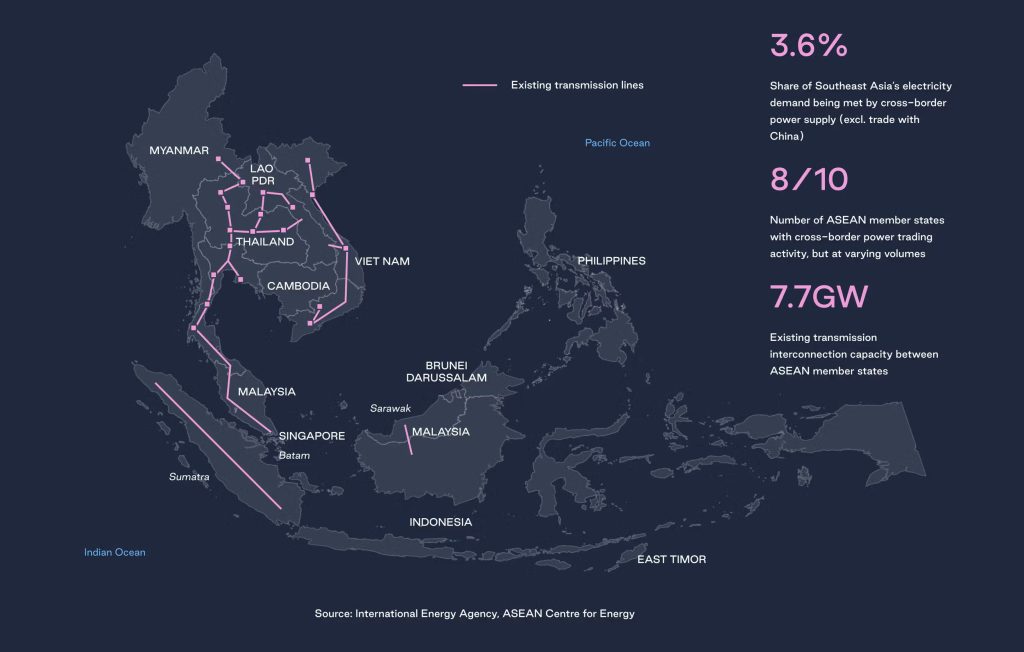
The planned and existing connections include links between Borneo and Peninsular Malaysia, Sumatra and Peninsular Malaysia, Singapore and Batam, as well as connections across the Greater Mekong region.
Within Borneo, Abdul Razib said these included West Kalimantan-Sarawak, Sarawak-Sabah and a new initiative connecting Sarawak and Brunei.
He said ASEAN was also pushing towards more multilateral electricity trading rather than relying only on conventional long-term bilateral power purchase agreements.
A pilot project involving electricity transmission from Laos through Thailand and Malaysia to Singapore has already demonstrated that multilateral power trading can be carried out.
Keeping plans flexible
For Sarawak, this means future electricity planning will have to account for more than its own generation and demand.
Mishra said regional electricity planning involved many factors that could change over time.
“There are a lot of moving parts here — demand growth, transmission build-out, market structures, competing regional supply — and they don’t move independently of each other,” she said.
Rather than trying to predict one outcome for the next 10 years, she said Sarawak could benefit from continuing to test its plans as conditions change.
That could help the state assess where transmission investment is needed, how much electricity should be reserved for domestic development, and where opportunities for regional electricity trade may emerge.
► The next series will look at Sarawak’s position within this emerging regional network, including how its renewable energy resources, existing power infrastructure and cross-border connections could support a wider role in the ASEAN Power Grid.