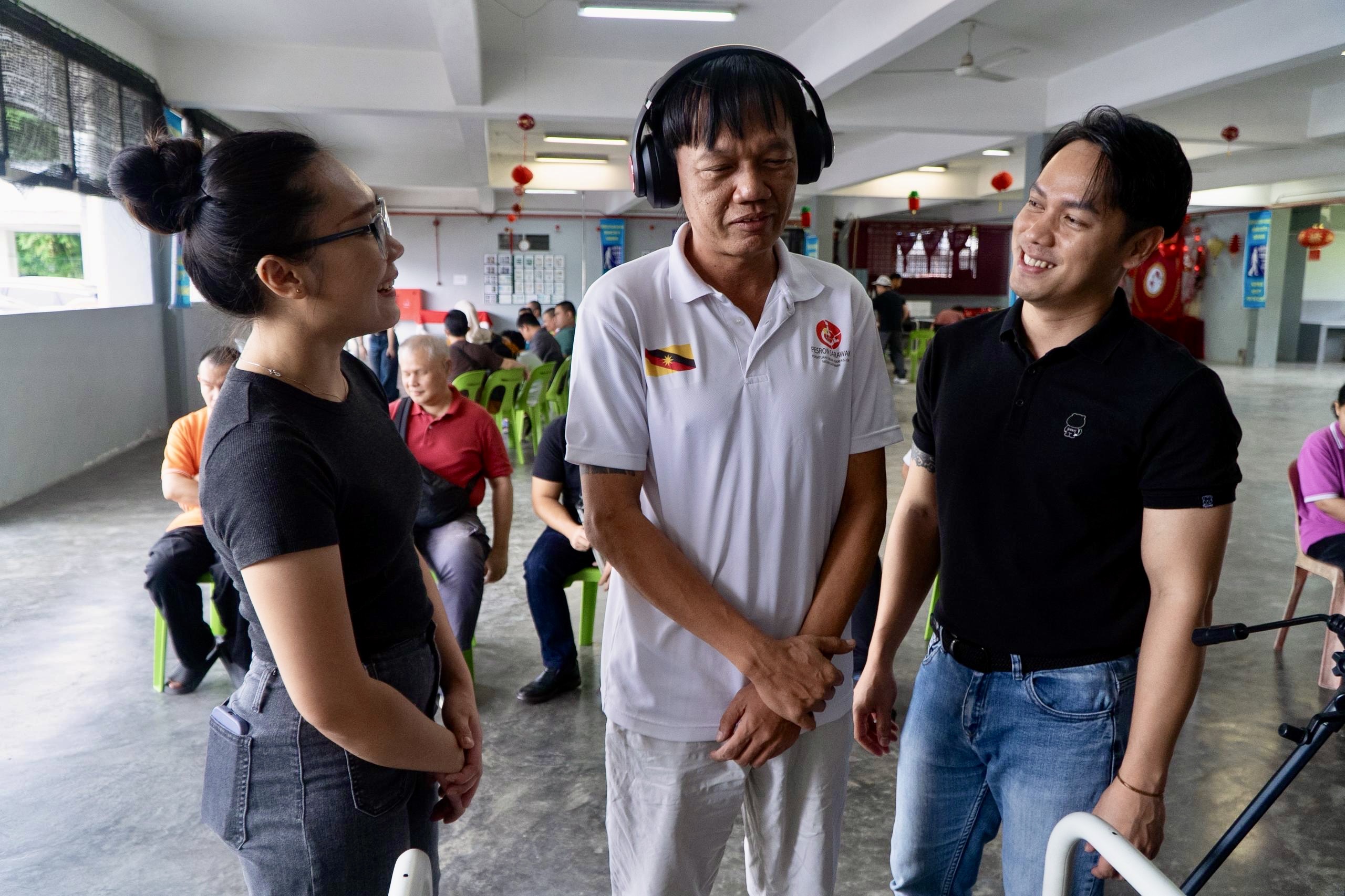
For Desmond Markus, giving back began with a simple question among friends. Two community initiatives later, he hopes to inspire others to discover that making a difference can start with whatever they have.
Small beginnings, bigger hopes
“Why don’t we do something for charity?”
It was a simple question Desmond threw into a group chat. There was no grand plan behind it, no organisation waiting in the wings — just a thought shared among friends.
Yet that question would become the starting point of something Desmond had quietly wanted to do for years: give back to the community.
Growing up in a less fortunate family, the 36-year-old Bidayuh from Serian knows what it feels like to go through difficult times — and how meaningful even a little help can be when someone truly needs it.
This year, when he finally felt ready mentally, physically and financially, he decided it was time to turn that long-held desire into action.
What followed were two very different community initiatives — one bringing Chinese New Year cheer to the visually impaired community, and another bringing volunteers together to clean a beach.
For Desmond, however, they are part of the same journey: learning that giving back is not about how much you have, but what you are willing to give.
A question that became a commitment
The first initiative took shape as Chinese New Year approached.
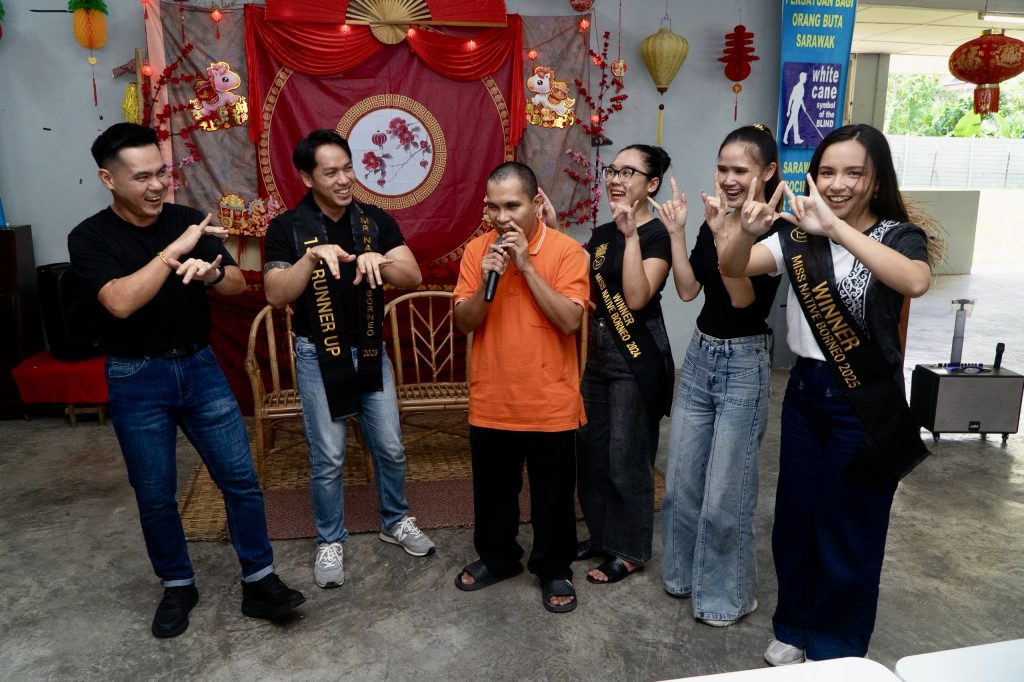
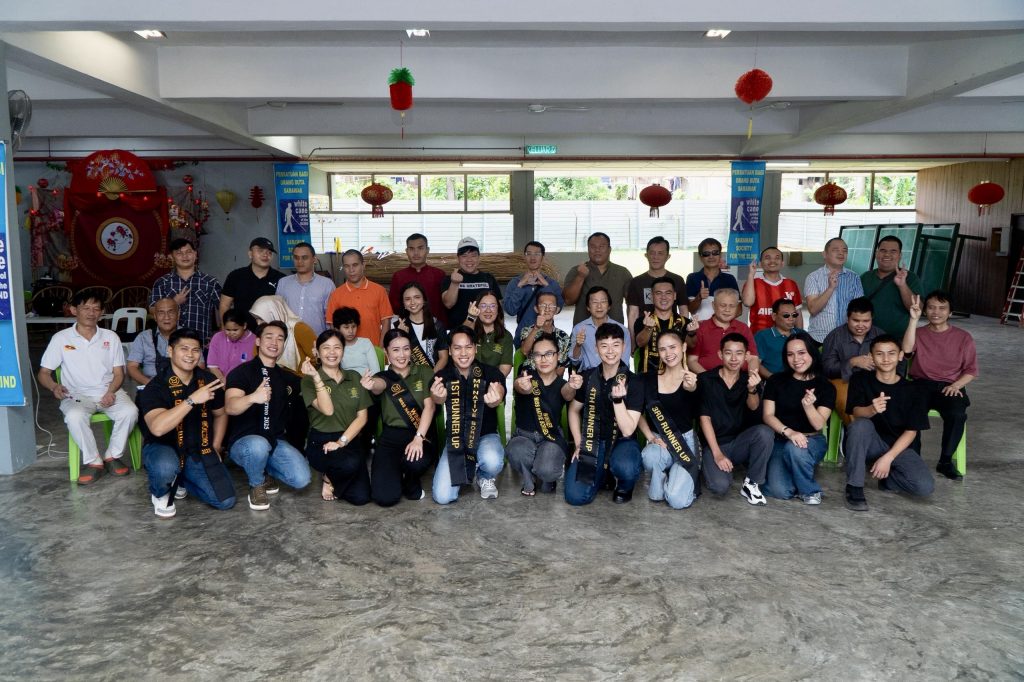
As a group of Mister and Miss Native Borneo representatives in Sarawak, Desmond and his friends began looking for a community they could support.
Judith Pudin, organiser of Mister and Miss Native Borneo 2025 and director of Anavau Events, suggested the Sarawak Society for the Blind Kuching Branch, which was in need of assistance at the time.
Desmond took on the role of organising chairman, working with the team to coordinate the preparations, with support from Anavau Events and the Mister and Miss Native Borneo organisation.
For him, the initiative was never about simply choosing a particular group to help.
“We wanted to reach out to those who genuinely needed assistance at that particular time,” he said.
More than anything, he wanted to bring some happiness to the visually impaired community and remind them that they had not been forgotten.
Seeing their smiles and excitement became one of the most meaningful parts of the experience.
“Watching them enjoy the activities we organised, hearing their laughter and seeing their smiles and excitement made every effort we put into the programmes worthwhile,” he said.
The experience also gave Desmond a different understanding of what it means to give.
“Giving back is not always about money. Sometimes, the most meaningful thing we can give is our time,” he said.
Time to listen, to be present and to create a moment of happiness with someone else.
Finding meaning beyond money
His first project showed him the impact of reaching out to people. His next would take that sense of responsibility in a different direction.
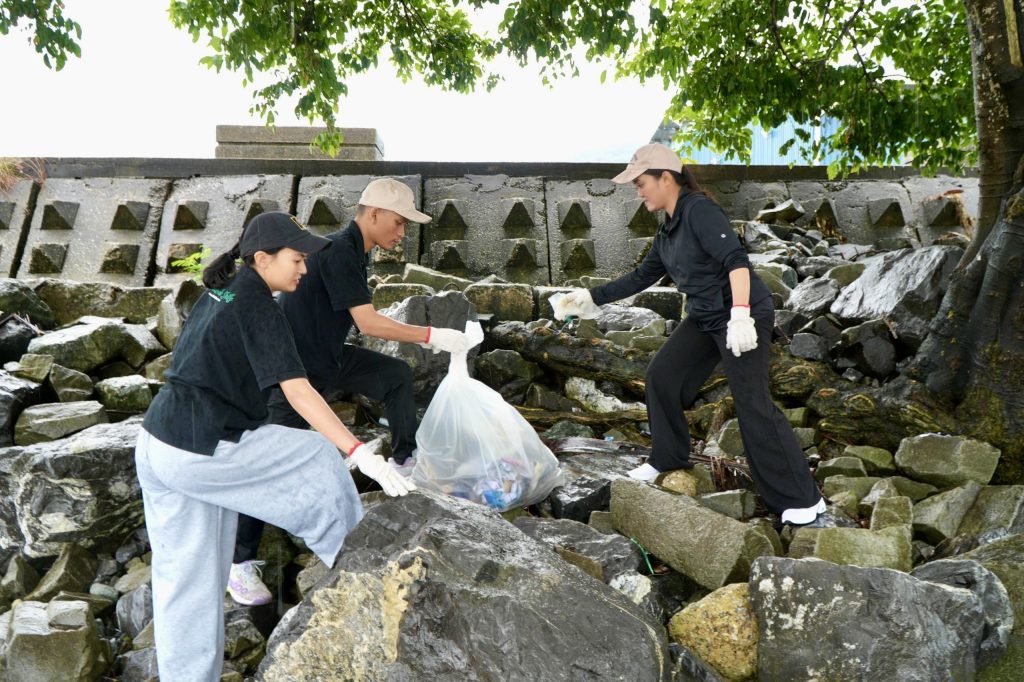
A beach-cleaning programme had long been on his mind. When his senior manager raised the idea, he saw the opportunity to finally make it happen.
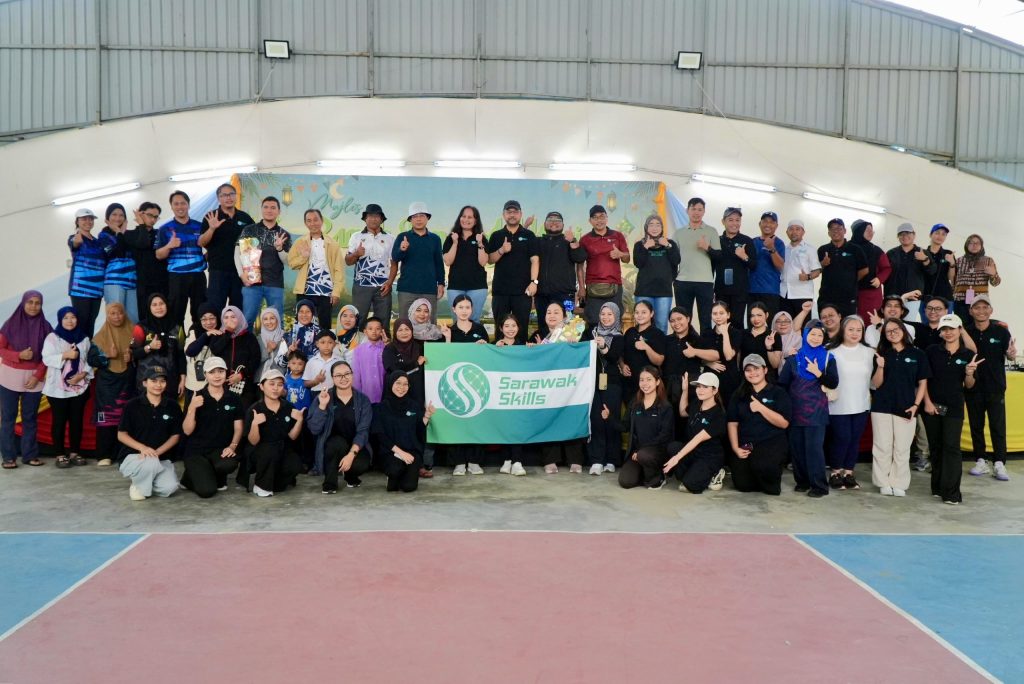
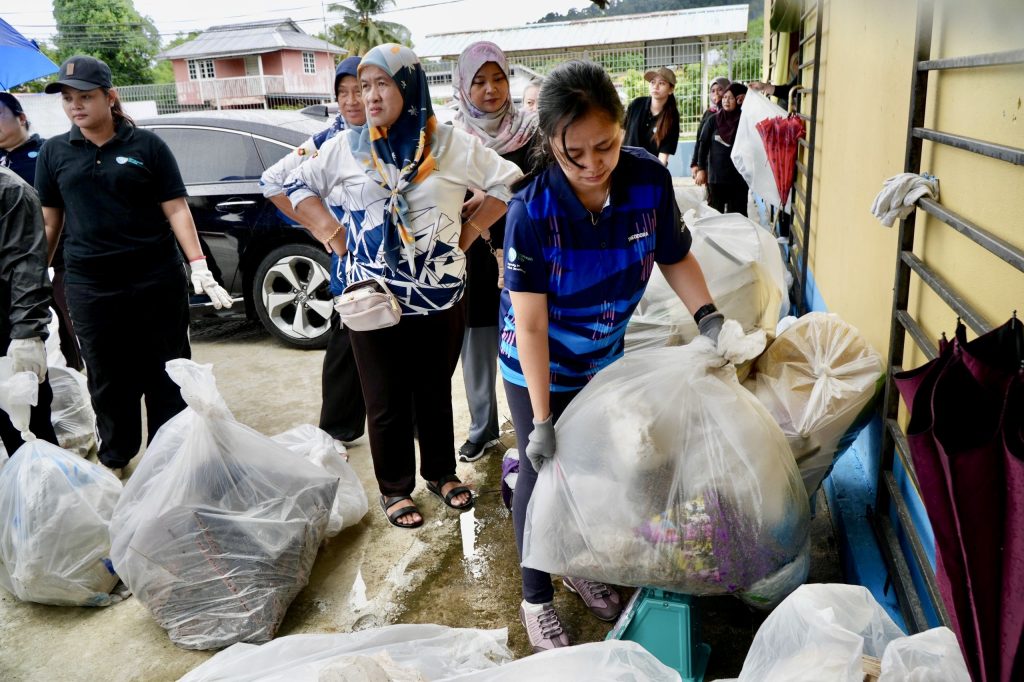
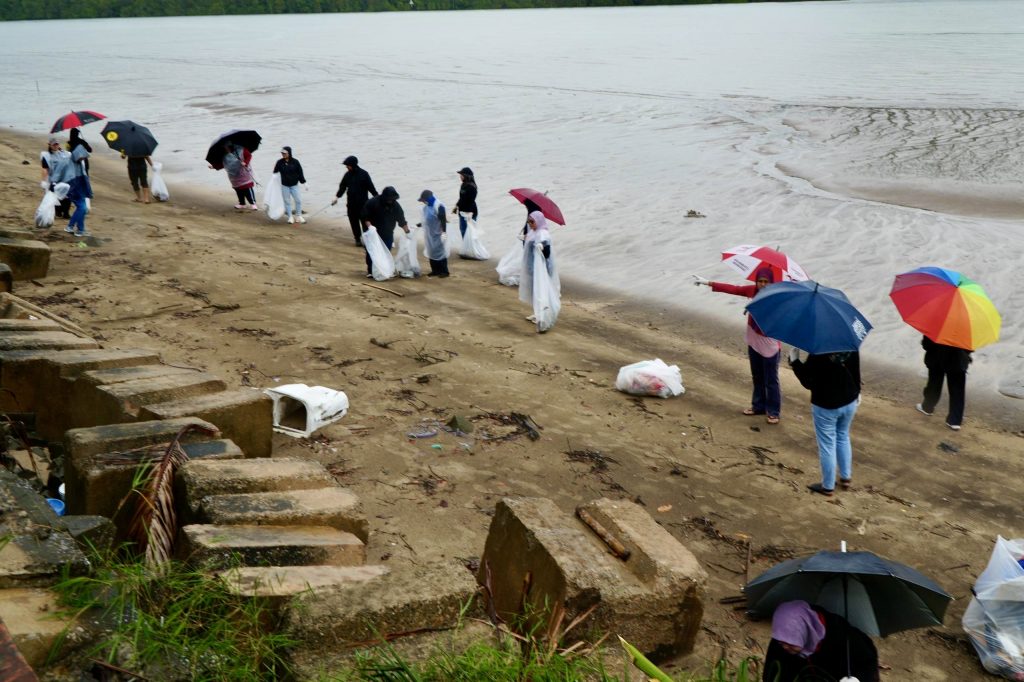
Once again, he took on the role of organising chairman — this time for his first beach-cleaning project and Sarawak Skills’ first-ever beach-cleaning programme.
Held in June in conjunction with World Environment Day, the initiative broadened his understanding of community service.
“It is also about taking care of the environment and the places that we all share. A clean and healthy environment ultimately benefits everyone, including the communities living around it,” he said.
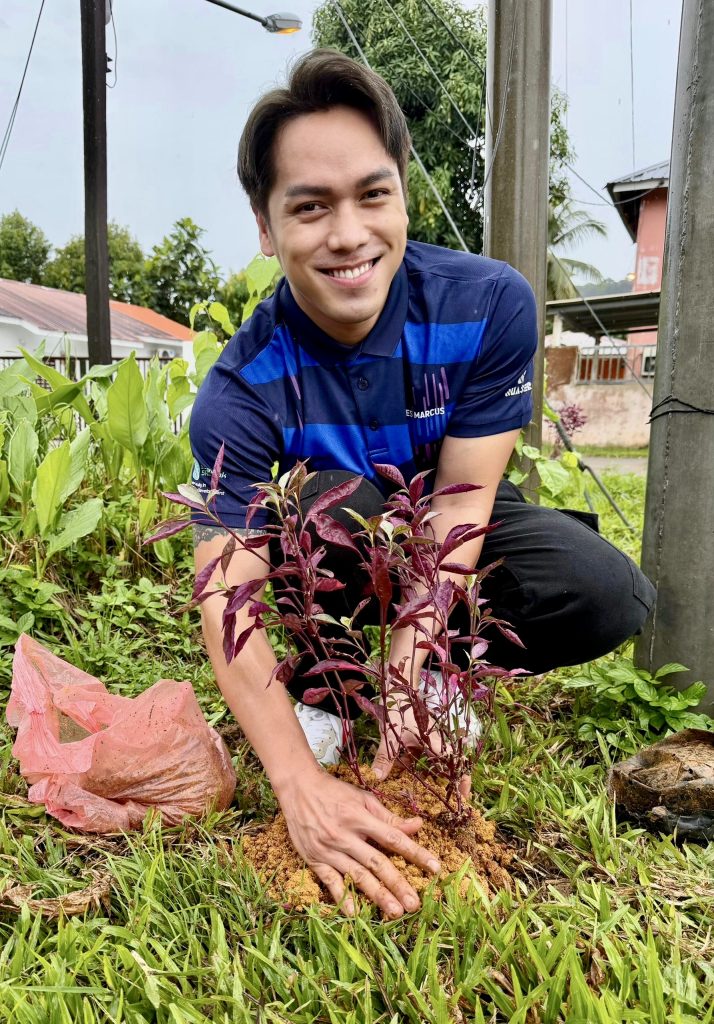
The two projects involved very different causes, but to Desmond, both were rooted in the same principle: care.
One was about people. The other was about the environment we all live in.
Both taught him that contribution can take many forms — time, energy, knowledge, skills, resources or simply the willingness to show up.
“We do not have to wait until we have a lot before we start giving. We can contribute with whatever we have and whatever we are capable of doing at that moment,” he said.
Beyond his work at Sarawak Skills, Desmond is also a Bidayuh singer and the first runner-up of Mr Native Borneo 2025 — experiences that have given him a platform and a network he now hopes to use for something beyond himself: encouraging others to give back.
But he also knows that community work is not always easy.
As someone still learning to organise initiatives, one of his biggest challenges has been finding people who are genuinely willing to contribute their time, resources, expertise or support.
There have been occasions when people expressed interest or promised to help, only to become unavailable or unresponsive later.
While disappointing, the experience has taught him to be more patient, flexible and prepared.
“I cannot expect everything to go exactly according to plan,” he said.
Instead of dwelling on those who could not participate, he has learnt to appreciate the people who stayed committed and worked together until the end.
Just the beginning
For now, Desmond is already looking ahead.
He is planning another charity initiative before the end of the year, although he is keeping the details under wraps while it remains in the early planning stage.
He does not want to organise another activity simply for the sake of having another project.
He wants to understand where assistance is genuinely needed and what he and his team can realistically contribute.
And while two initiatives may still seem small, Desmond hopes they are only the beginning.
He would like to organise more community programmes, reach more people and eventually build a stronger network of individuals who share the same desire to give back.
But beyond growing the number or scale of his projects, Desmond has another ambition — to inspire someone else to take the first step.
“I believe you do not need to be wealthy, influential or have a big organisation behind you to make a difference.
“Sometimes, all it takes is the willingness to take the first step,” he said.
If his efforts inspire even one person to volunteer, share their knowledge, start an initiative or simply become more caring towards the people and environment around them, he would consider that an achievement.
“I do not just want people to see what I have done. I hope they will be inspired to ask themselves, ‘What can I do too?’”
It is a fitting question for someone whose own journey began with another simple one: “Why don’t we do something for charity?”
As the world marks International Day of Charity today, Desmond’s story offers a reminder that giving does not necessarily begin with wealth, influence or a grand plan.
It can begin with what a person already has — a little time, a pair of willing hands, a useful skill or simply the compassion to notice that someone else needs help.
For him, two initiatives are all he has to show for his journey so far.
But he does not see them as the destination. They are simply proof that something bigger can grow from something very small.