KUCHING: For many children, learning from home during the haze may initially feel like a welcome break from the usual school routine.
But for working parents, the return of home-based teaching and learning (PdPR) means once again juggling work deadlines, school assignments, Google Meet sessions and restless children who cannot even head outdoors when lessons are over.
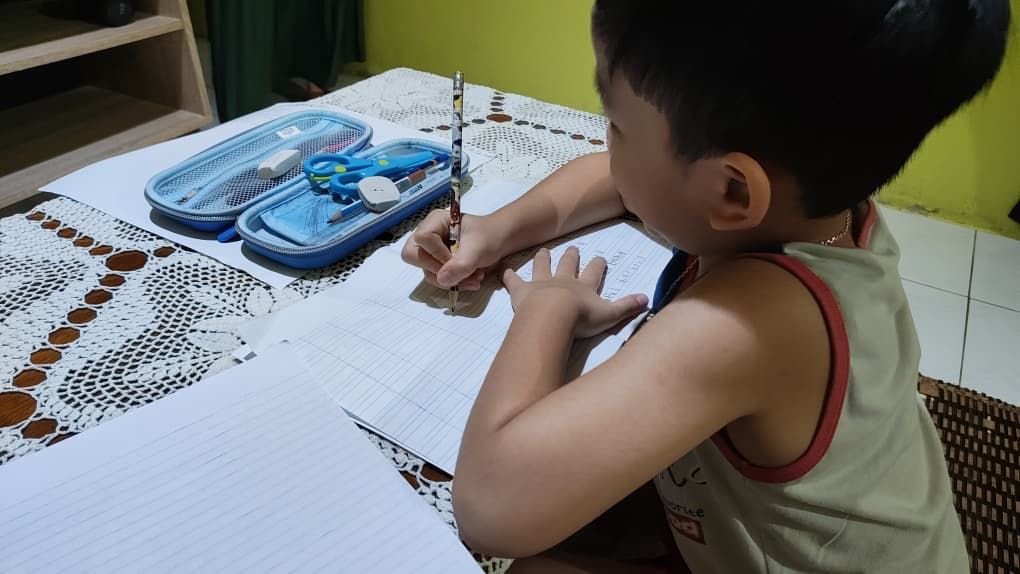
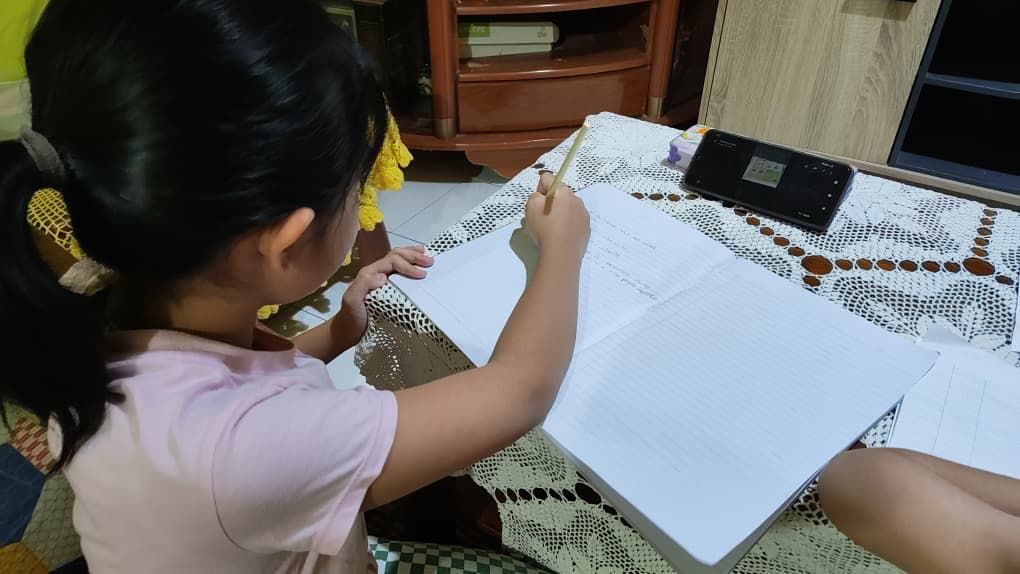
For civil servant Adelin Sentini Juka, 35, the solution is to send her children to their grandparents’ home while she is at work, allowing them to be supervised throughout their PdPR sessions.
Despite learning from home, she makes sure their morning preparations remain much the same as they would on a normal school day.
She said the bigger challenge comes with balancing her responsibilities as a working mother with ensuring that her children do not fall behind in their lessons.
“The preparations are still the same as though they were going to school. As working parents, it is difficult for us to divide our time between our work responsibilities and making sure the children can follow their PdPR sessions smoothly.
“What we can do is make sure everything they need is prepared so they don’t miss out on their lessons,” ” she told Sarawak Tribune.
When her children are required to attend lessons through Google Meet, Adelin said she may have to take leave to supervise them or, where possible, bring them along to the office.
The responsibility does not necessarily end when her working day does as she still checks the schoolwork completed by her children while they were staying with their grandparents upon returning home.
“I am grateful that teachers have been understanding of the circumstances faced by parents including allowing assignments to be submitted as late as 8pm during PdPR,” she said.
Beyond managing lessons and assignments, Adelin said another challenge is keeping children motivated when their world is temporarily confined to the indoors.
With the haze making outdoor activities difficult, boredom can quickly set in.
“Usually, on the first day, they are in a good mood because they get to do their schoolwork at home. By the second day and after that, they start getting bored because they miss school, their teachers and friends.
“Sometimes, I have to resort to a little persuasion and encourage my children to finish their work properly so their teachers will be happy and they can eventually return to school,” she said.
For Adelin, PdPR also serves as a reminder that teaching children requires considerable patience, particularly for parents who are not trained educators.
She said parents need to prepare themselves both mentally and physically to guide their children through lessons while managing their own responsibilities.
“You need a lot of patience to teach children. We also have to try our best to help them.
“I hope teachers would continue to be considerate towards working parents and provide guidance on how they can help ensure their children do not fall behind. I also hoped employers could offer some flexibility, including allowing parents to bring their children to work or work from home when circumstances permit,” she said.
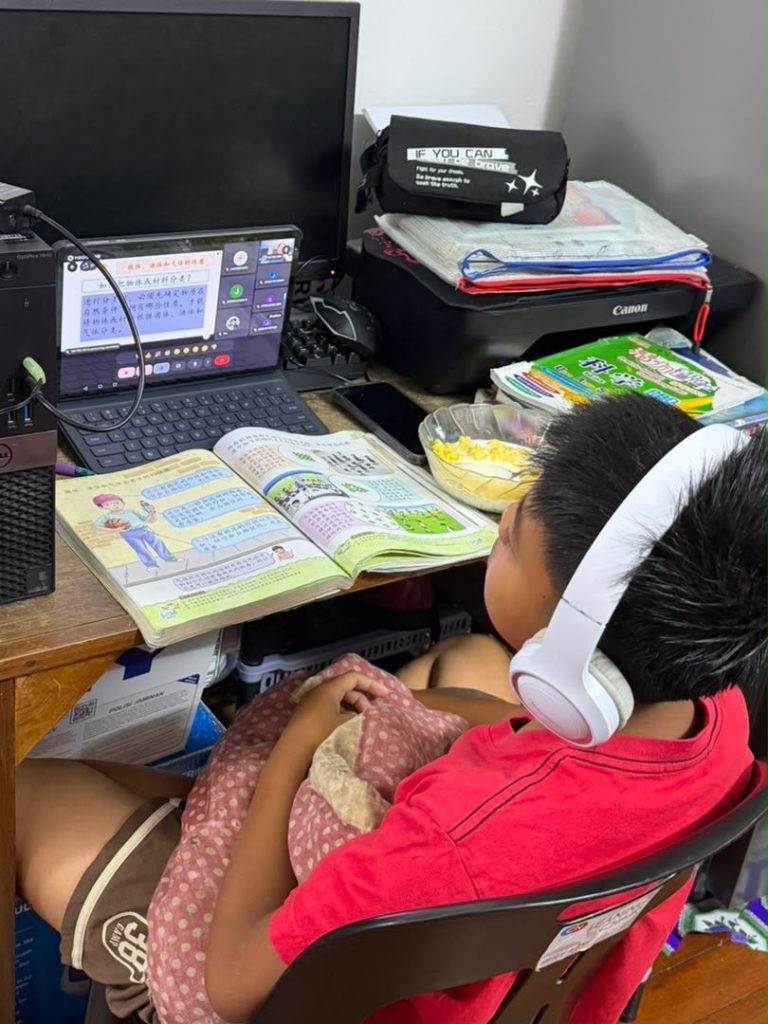
For private-sector employee Freddy Chong, 41, however, the latest shift to PdPR has been relatively smooth.
Having experienced home-based learning during the COVID-19 pandemic, his family already knows what to expect.
“Generally, there has not been much change to our daily routine because preparations were made earlier. We learned from the COVID-19 period when PdPR was implemented,” he said.
Chong said his children also understand why they need to remain indoors, particularly given the haze and unhealthy air quality.
He credited schools for continuously emphasising safety and helping children understand the situation outside.
“I am fortunate that my children generally prefer being indoors and are comfortable using gadgets. This makes the transition to PdPR less disruptive,” he said.
Being a working parent, Chong admitted that he cannot always monitor them throughout their online lessons.
He therefore relies on communication from both his children and their school to keep track of assignments and other matters once PdPR sessions have ended.
“If PdPR continues, I hope the school will constantly update parents on homework and other school-related matters. As working parents who may not be able to closely monitor our children during PdPR, we really need those updates from the school,” he said.
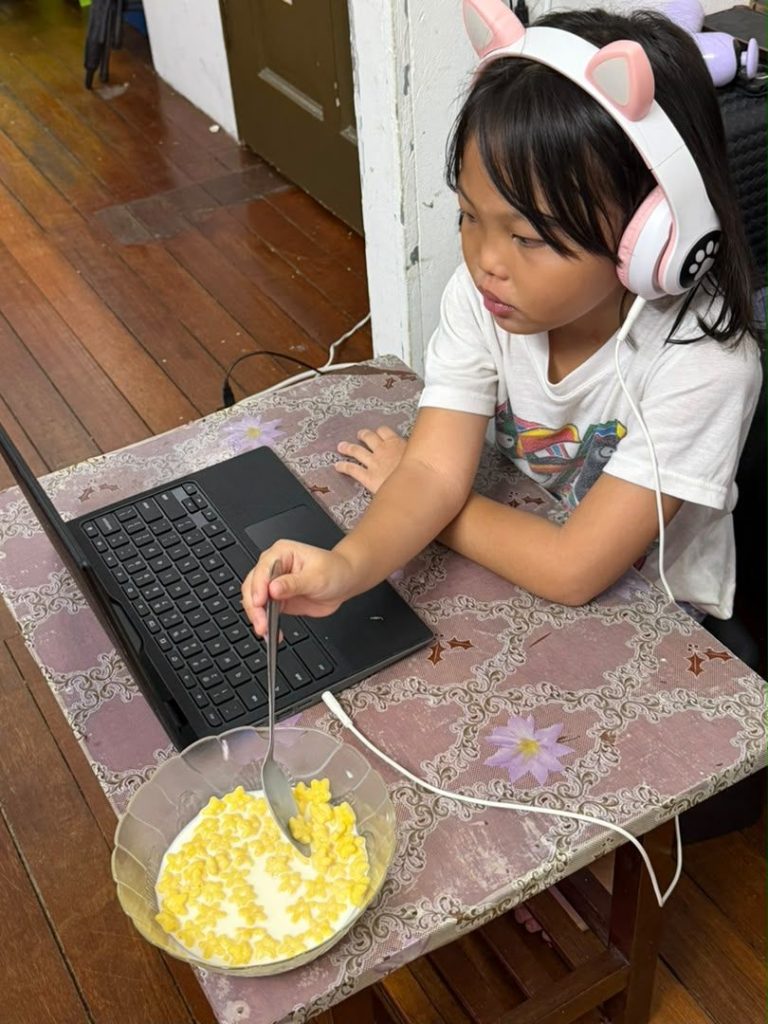
Chong said he was also fortunate that his employer understood the challenges faced by employees whose children were undergoing PdPR.
For families like Adeline and Freddy’s, the return of PdPR may be familiar territory after the pandemic years but familiarity does not necessarily make the balancing act effortless.
As the haze keeps classrooms closed and children indoors, parents are once again finding themselves playing several roles at once — employee, caregiver and, at least for part of the day, teacher.