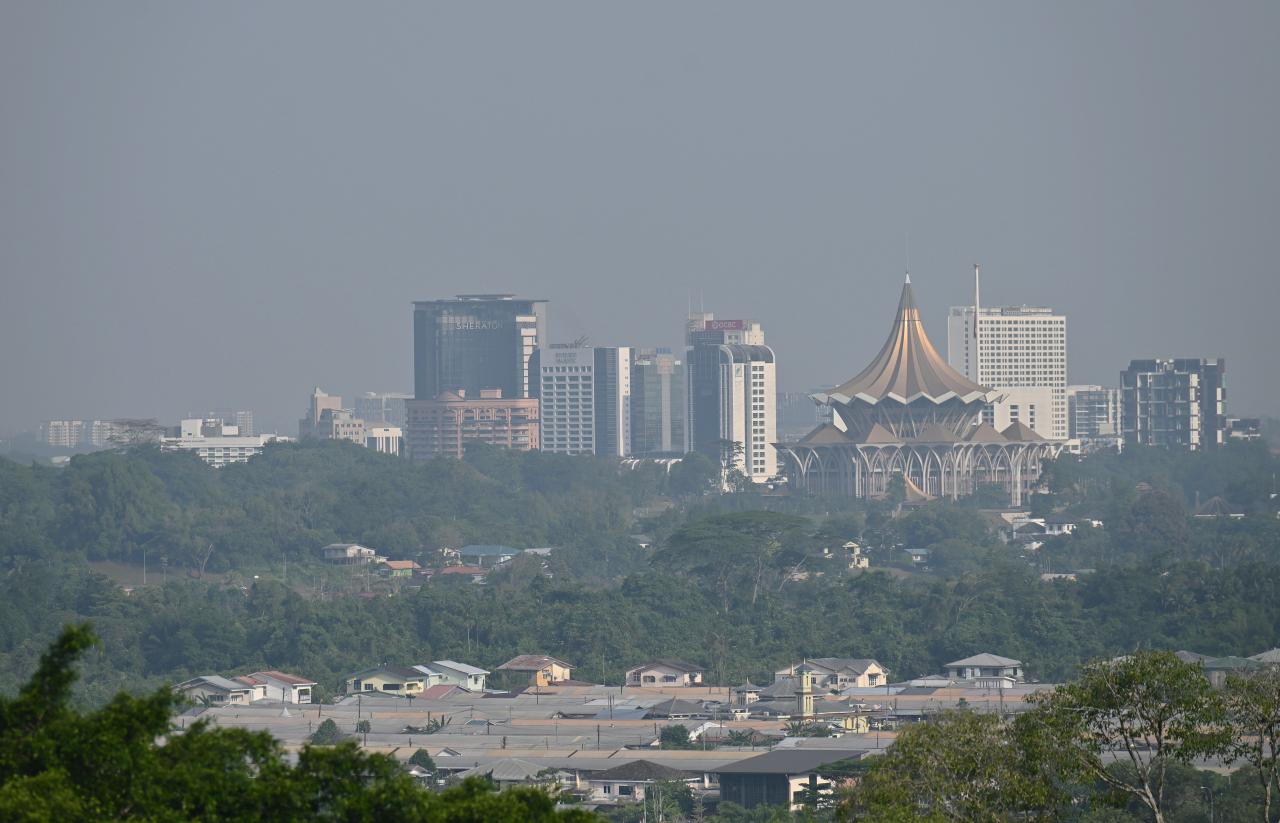
When haze returns to Malaysia, people are often reminded to limit outdoor activities, wear masks and spend more time indoors.
But staying indoors does not necessarily mean staying away from polluted air.
Fine particles from haze can enter homes through open windows, doors and ventilation systems. They can also be carried indoors on clothing and shoes before settling on surfaces and being stirred back into the air through everyday activities.
This makes indoor air quality an important consideration whenever haze affects the country.
According to Dr Parveen Kaur, a general practitioner at Klinik Bangsar South, haze particles can still enter homes and remain there, particularly in poorly ventilated spaces.
“Prolonged exposure can worsen existing respiratory problems such as asthma and bronchitis and may also cause symptoms in people who are otherwise healthy,” she added.
Who needs to be extra careful?
Although haze can affect anyone, children, older adults and people with existing respiratory conditions may be more vulnerable.
The Ministry of Health Malaysia advises people to pay attention to symptoms such as coughing, difficulty breathing and shortness of breath. Those experiencing such symptoms should seek medical attention.
During extended periods of haze, families may spend more time indoors with windows and doors closed. While this can reduce the amount of outdoor pollution entering the home, it can also allow other pollutants to build up.
These can come from everyday household sources, including furniture, fabrics, cleaning products and building materials. Some products can release chemicals known as volatile organic compounds (VOCs), including formaldehyde, into the air.
This means keeping indoor air healthy during haze is not simply a matter of shutting the windows. It also involves reducing pollution sources inside the home and improving ventilation when outdoor conditions allow.
Keeping indoor air cleaner
There are several simple steps households can take during haze periods.
- Keep windows and doors closed when haze is present: This can help reduce the amount of polluted outdoor air entering the home.
- Clean surfaces regularly: Dust and wipe down surfaces where fine particles may settle. Ventilate when conditions improve: Open windows and allow fresh air in when the outdoor air is clearer.
- Avoid adding to indoor pollution: Do not smoke or burn materials inside the home, as this can further worsen air quality.
- Pay attention to household products: Furniture, furnishings, cleaning products and building materials can contribute to indoor pollutants, particularly in newly renovated or furnished spaces.
Families can also consider the materials used inside their homes. Furniture, furnishings, household products and wall finishes can all play a part in indoor air quality.
Dr Parveen said reducing overall exposure is important during haze periods.
“That means creating an indoor environment where your lungs can recover from what you’re exposed to outside,” she said.
As haze continues to be a seasonal concern in Malaysia, taking simple steps to keep indoor air cleaner can help make the home a more comfortable and healthier place to spend time.
Staying indoors may reduce exposure to outdoor haze, but keeping the air inside clean is just as important.