Clear priorities and stronger coordination needed to accelerate project delivery
KUCHING: Assured funding must be matched by project readiness and stronger state-led planning if Sarawak and Sabah are to avoid prolonged development delays.
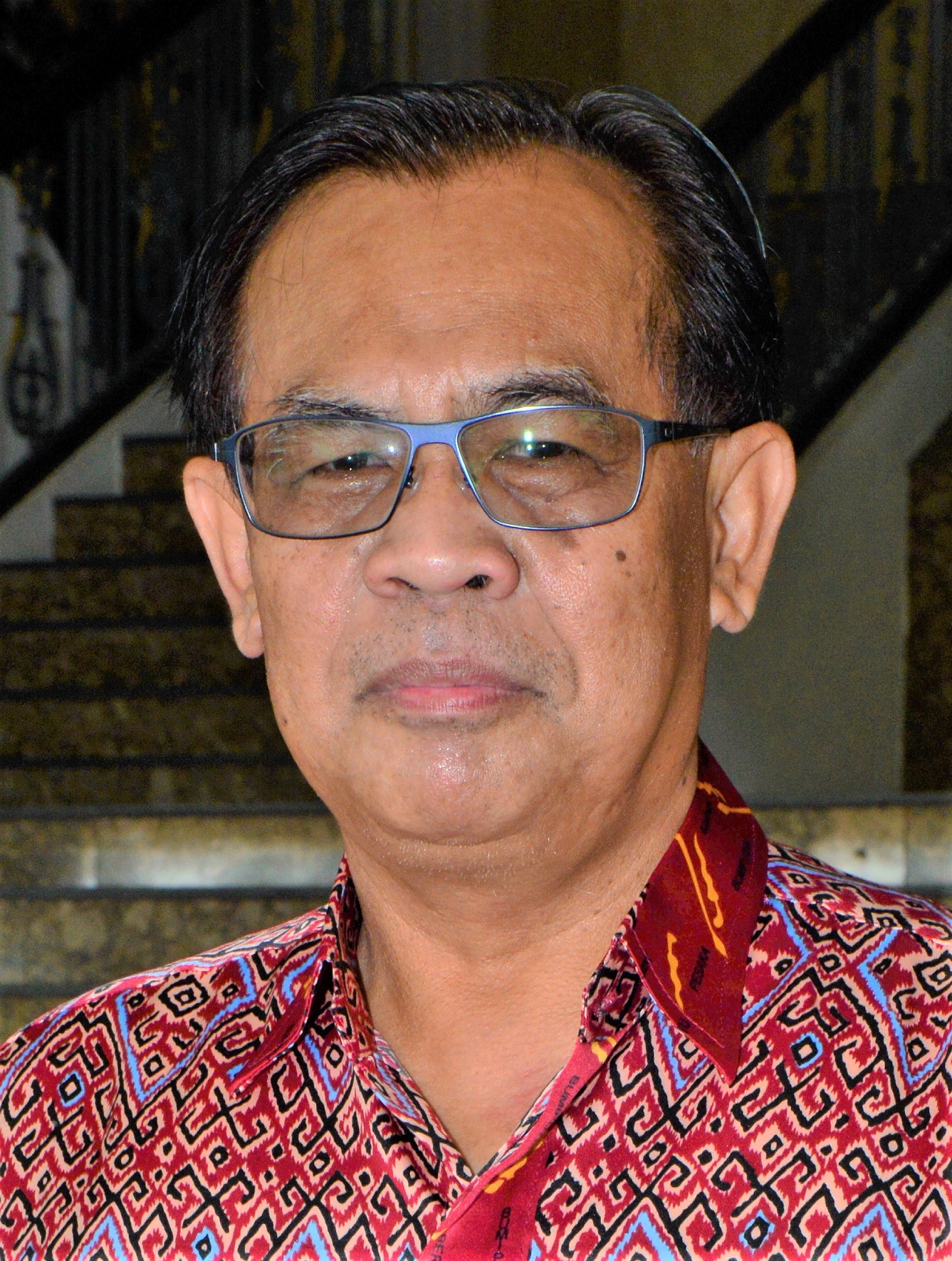
Universiti Teknologi MARA (UiTM) Sabah political economist Associate Professor Dr Firdausi Suffian said sufficient federal funding had to be available and disbursed promptly, but state authorities also needed to identify priorities and resolve implementation obstacles before projects moved ahead.
“Development funding transfers are often a constraint and should be treated as the rights of the states rather than a matter of political bargaining,” he told Sarawak Tribune.
Firdausi described development allocations for the two states as relatively modest given their geographical size and demand for schools, hospitals, roads and other infrastructure.
He also questioned whether allocations for some individual projects were sufficient.
But he said securing money was only one part of the development process.
Projects could still be held up by land acquisition, technical approvals, environmental reports, tendering and contract awards, making comprehensive planning by both federal and state authorities essential.
Funding, he said, needed to be secured in practice rather than remain only on paper.
Firdausi cited land acquisition and compensation difficulties during construction of the Pan Borneo Highway as an example of how implementation problems could affect progress.
However, such constraints should be anticipated rather than allowed to delay entire projects for years.
As land matters were under state jurisdiction, he said state governments needed to ensure fundamental land and environmental requirements were settled or capable of being resolved quickly.
“If the government awards a road construction contract when several sections of the project alignment are not ready for construction, the contractor may encounter delays despite having the necessary financial resources and equipment.
“Such delays can subsequently lead to extensions of time, additional costs and prolonged public inconvenience,” he said.
Firdausi also called for quicker decisions on development priorities, citing what he described as the lengthy process surrounding the southern grid in Sabah despite the east coast’s pressing need for additional energy.
He said inadequate roads, water and electricity constrained business expansion and affected communities that depended on basic infrastructure.
In Sarawak, he cited 79 delayed federally funded water supply projects which he said had affected residents and eventually prompted the state government to take over.
“Development delayed is development denied,” he said.
Firdausi said improving delivery required a “bottom-up approach”, with state development priorities forming the basis for federal support.
State governments, he said, had a better understanding of local requirements and the laws and policies affecting implementation.
“State plans need clearly identified priorities and projects that are feasible, practical and necessary for economic development, with decisions based on data.”
He pointed to Sabah’s blue economy industrial park and Sarawak’s hydrogen agenda as examples of state-driven initiatives that should be supported and prioritised in federal development planning.
Greater decentralisation could strengthen this approach, he said, citing the delegation of technical approval for projects below RM50 million.
However, he cautioned that differences in engineering capacity, project expertise and experience between federal and state authorities had to be considered.
“Decentralisation needs to proceed carefully while giving state officers opportunities to develop their capabilities.”
Firdausi also called for faster technical verification and reduced bureaucracy through the Reformasi Karenah Birokrasi (RKB) initiative.
He said the State Development Action Councils (MTPNg) provided an existing forum for federal and state authorities to align priorities, resolve obstacles such as land issues and determine funding disbursement.
Coordination and monitoring mechanisms, including performance indicators, were already available, he said, placing greater emphasis on accountability when projects slipped behind schedule.
“Where projects fall behind, the departments accountable need to be identified and an action plan drawn up to address the outstanding issues.”