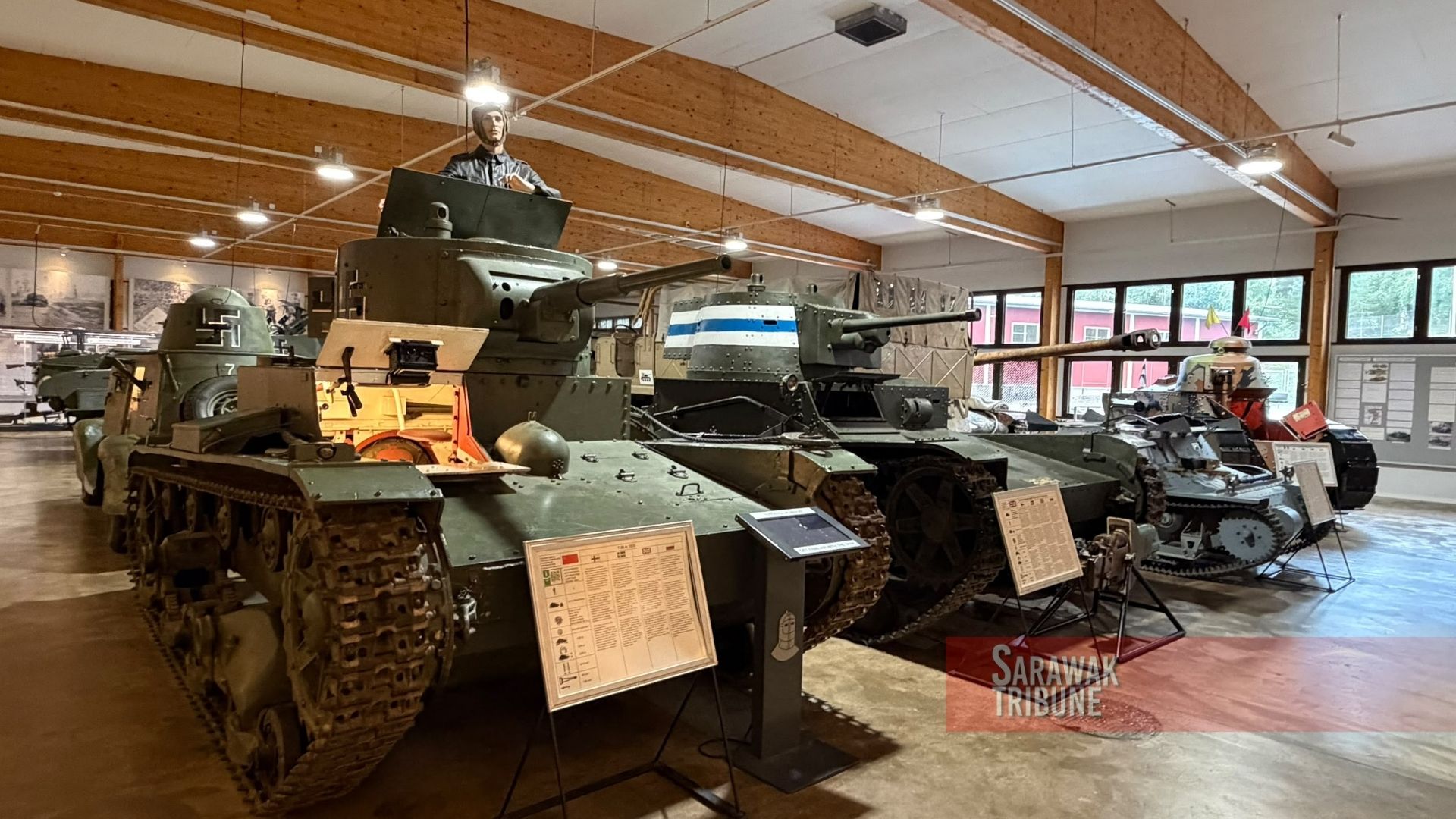
I had always found tanks fascinating, long before I ever stood beside one in real life. Part of that fascination came from the machines themselves: their size, design, power and engineering but another part came from something rather unexpected: an anime about high school girls competing in tank-based tournaments.
What began as entertainment slowly made me curious about the actual vehicles, their histories and the differences between one tank and another. So when the opportunity came to visit the Parola Armour Museum, or Panssarimuseo, about an hour’s drive from Helsinki, Finland, I was genuinely excited.
At first, I approached the visit almost like an enthusiast. I wanted to see the tanks up close, to compare the real machines with those I had only seen on screen, in photographs or through animation. There was a sense of anticipation in finally being able to stand beside vehicles that had previously existed for me mostly as names, models and images.
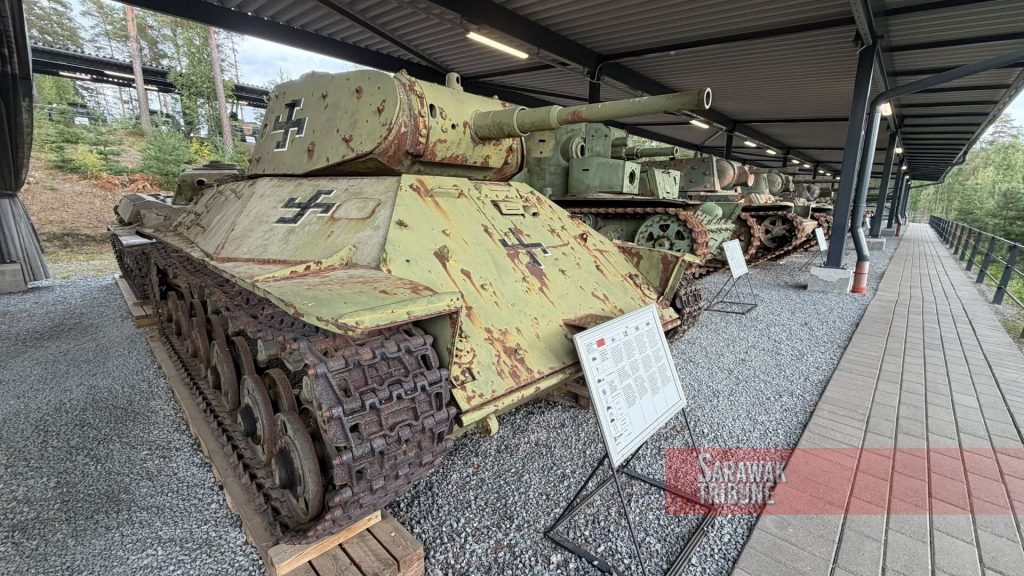
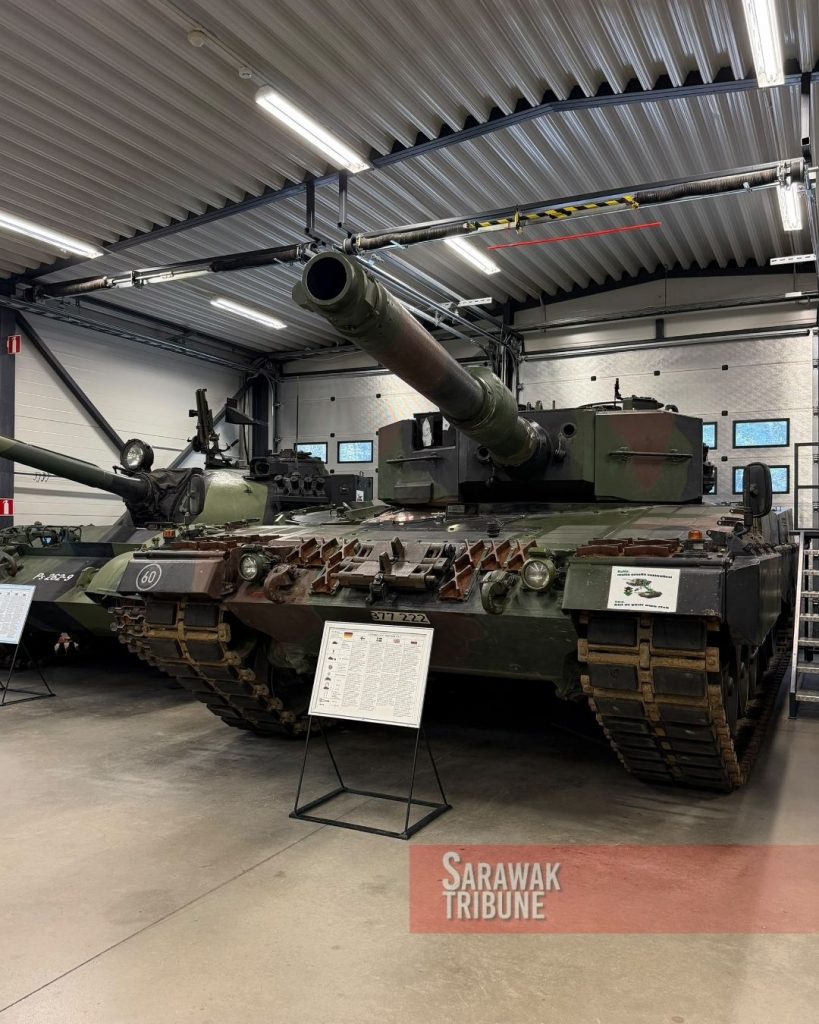
One of the tanks I was particularly interested in was the German-made Panzerkampfwagen VI, or Panzer VI, which has been one of my favourites. Seeing such machines in person was very different from seeing them in anime!
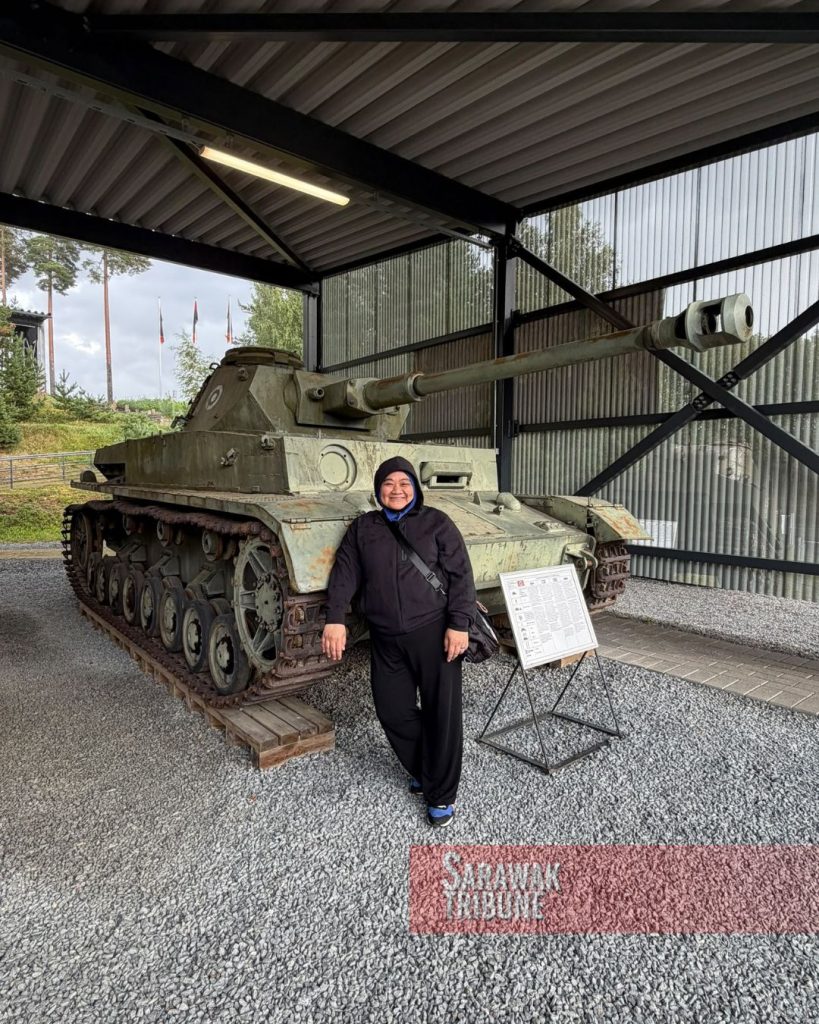
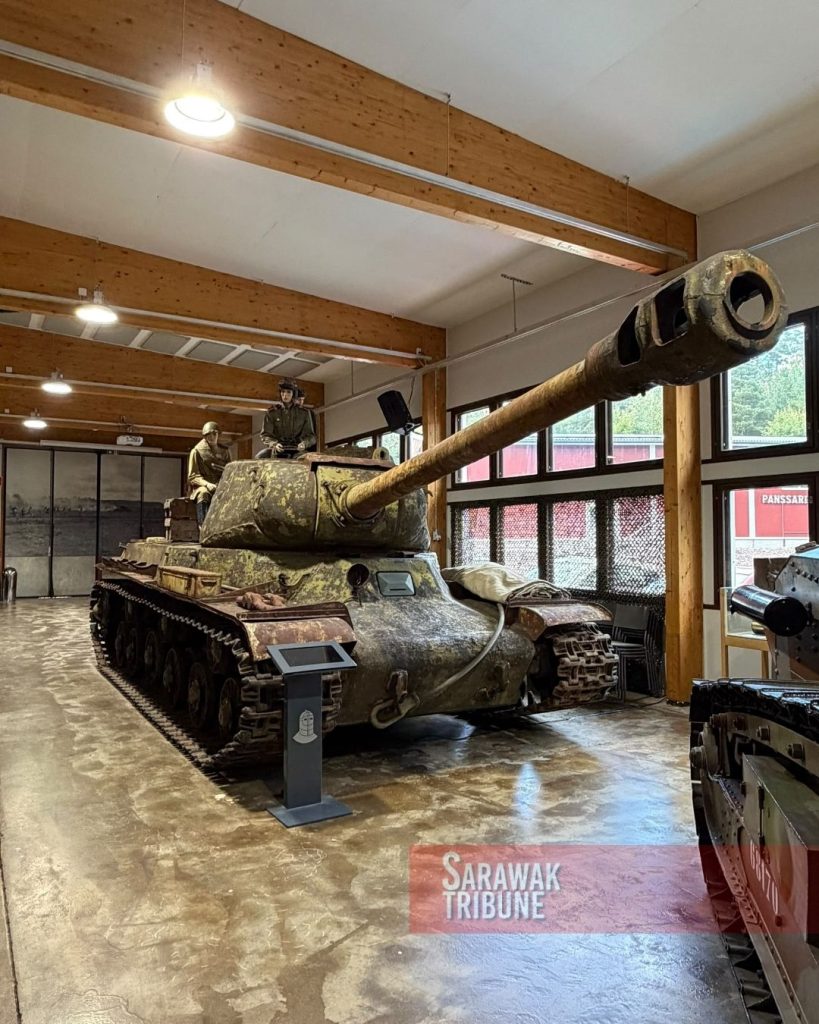
A photograph can show the shape of a tank but it does not fully convey its physical presence. Standing beside one, you first notice its scale. The armour is thick, the structure imposing and the entire vehicle seems to carry a certain weight even when it is completely still. It becomes immediately obvious that these machines were never designed to be delicate. Everything about them reflects purpose, strength and survival.
Yet as I moved through the museum, my excitement gradually gave way to something more reflective.
It is easy to admire military machines from a technical perspective. One can look at the engineering, weapons, mobility, armour and innovation involved in their design. There is something remarkable about the human ability to build machines that can function in difficult and dangerous conditions. But standing in front of the real vehicles also forces another thought: these machines were not created merely to be admired.
They were built because there was war.
That realisation changed the tone of the visit for me.
A tank in an anime or a documentary can sometimes feel distant from reality. It becomes part of a story, a competition, a historical explanation or even entertainment. Inside a museum, however, the machine becomes real. The steel is real. The armour is real. The space where soldiers once sat is real. Suddenly, what had fascinated me as a machine became connected to the lives of the people who had operated it and to the circumstances that had made such vehicles necessary.
That was the point where the museum became more than a place for someone who likes tanks.
It became a place of reflection.
Outside the museum, Finland had given me an impression of peace. The roads were calm, the countryside beautiful, and the atmosphere orderly. There was nothing in the surrounding landscape that immediately suggested the violence of war. That peacefulness made the museum even more powerful because of the vast difference.
Inside were reminders that peace is never something that should be assumed to have always existed.
Countries that appear peaceful today may carry histories marked by fear, invasion, resistance, defence and loss, and looking at military vehicles preserved inside a museum made me think about how easily visitors can separate the present from the past. We see a modern country as it is now and forget the experiences that shaped it.
The museum reminded me that history remains present even when the battlefield has disappeared.
There is something strange about seeing a weapon of war sitting silently in a peaceful museum. The tank no longer moves. Its engine is quiet. It poses no danger. Visitors can walk around it, take photographs and study its design. Yet its original purpose remains impossible to ignore.
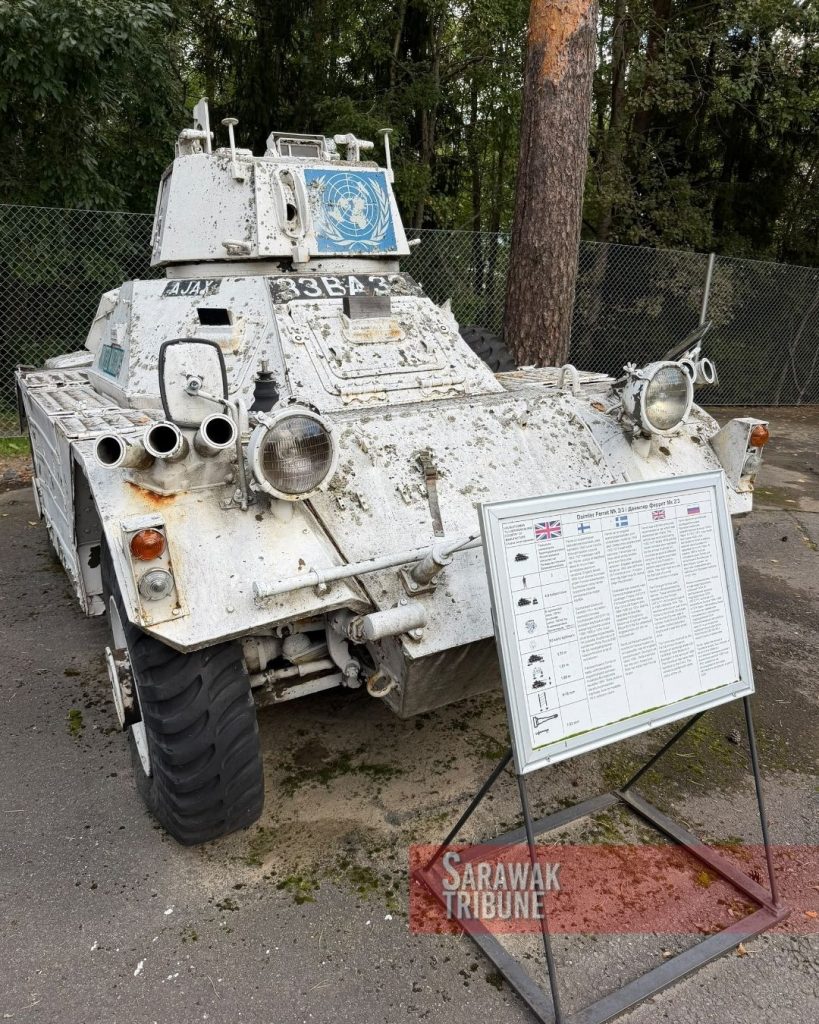
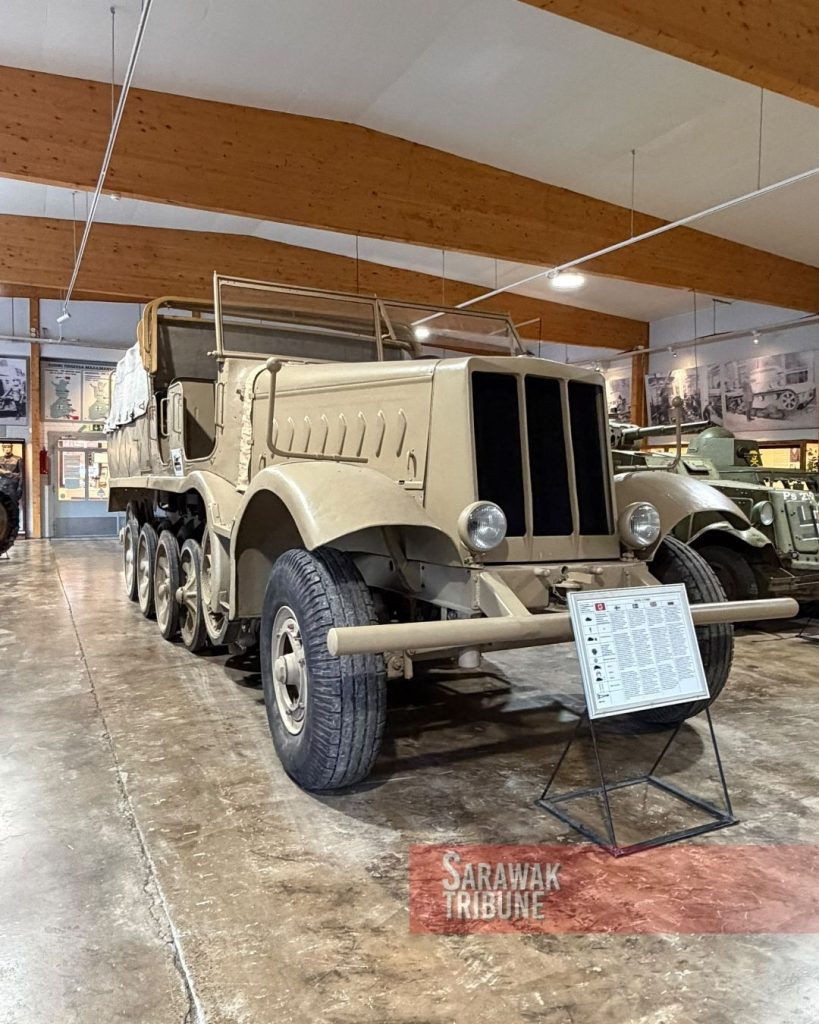
It was built for conflict. It was built for war.
That contradiction stayed with me.
The same object that can be admired for its engineering also represents destruction. The same armour designed to protect soldiers could also carry weapons capable of inflicting enormous damage. The machine can therefore represent both survival and death simultaneously.
That duality made me think about how we remember war.
It is easy to simplify history into winners and losers, dates and battles, strategies and military achievements. Museums can display equipment in neat rows and attach information panels explaining where and when the vehicles were used. Yet behind all of that are human beings.
Every machine once had people inside it.
Every battle involved fear.
Every war affected families.
Every conflict left someone waiting for another person to return home.
That is something a technical description can never fully capture.
As I stood near tanks I had once admired mainly for their design, I began to think less about the machines and more about the people connected to them.
I thought about soldiers who had to enter these vehicles knowing that they might not make it home to waiting families.
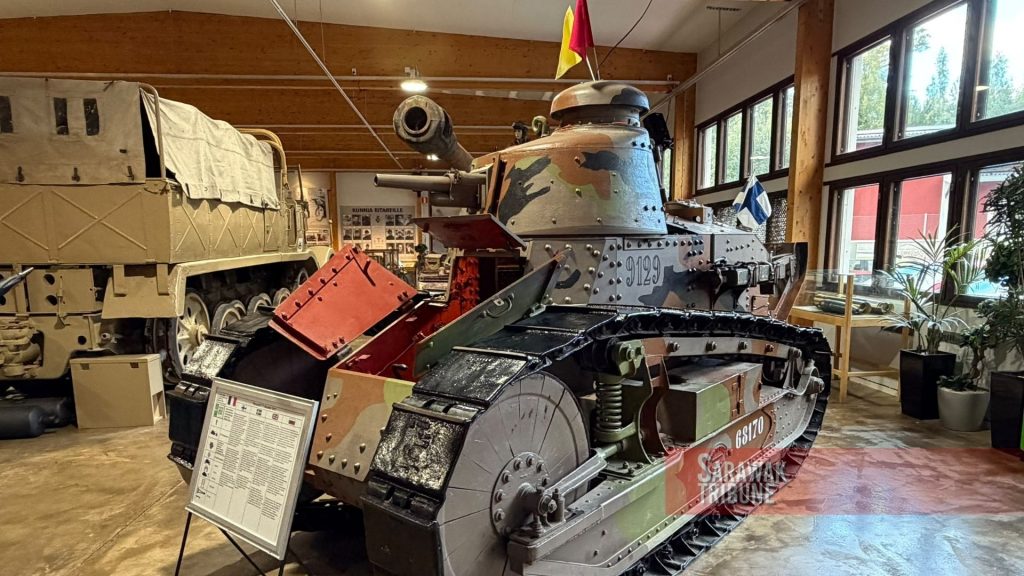
A French Renault FT light tank on display at the museum.
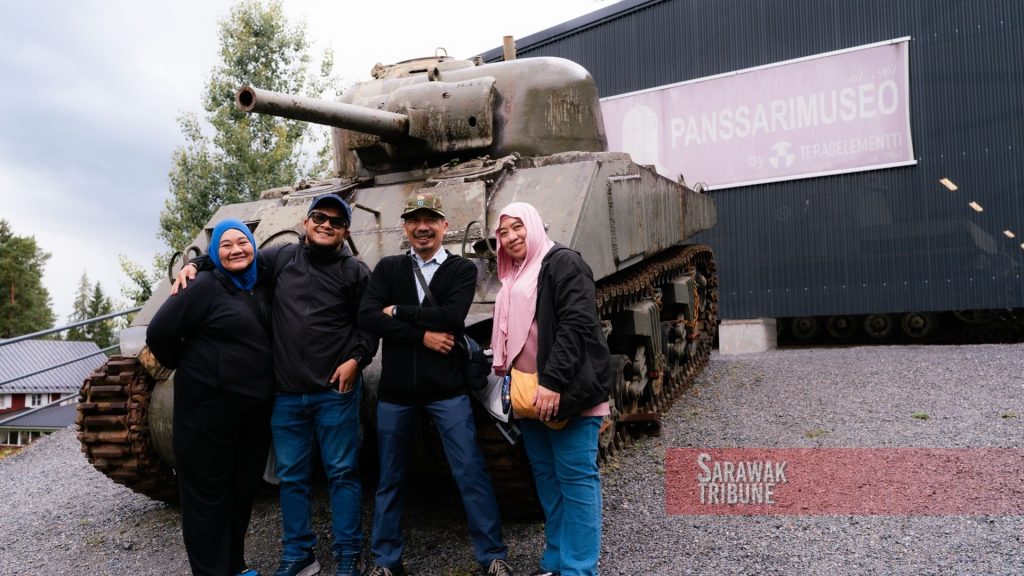
An M4 Sherman stands outside the museum building, overlooking the entrance to the Parola Tank Museum.
I thought about civilians who heard tanks approaching and understood what that sound could mean.
I thought about families whose lives were changed by conflicts they did not choose.
And I thought about how different it must be to experience a tank not as a museum exhibit but as part of a war happening outside your home.
That difference is enormous.
For me, the museum was safe. I could walk around freely, look at the displays and leave whenever I wanted. For people who lived through war, there was no such distance.
That thought made me appreciate peace in a new way.
Peace is something we often take for granted because it allows ordinary life to become ordinary.
We wake up, make plans, travel, work, meet family, complain about traffic and become annoyed when something small goes wrong. We assume that tomorrow will be more or less predictable. That predictability is a privilege.
At the museum, I became conscious of how easily ordinary life can disappear during conflict. A journey may no longer be about tourism but about escape. A vehicle may no longer mean convenience but survival. A road may no longer be safe.
Seen from that perspective, many of the things we complain about in peaceful times become insignificant.
During this trip, our itinerary changed. Some plans did not happen exactly as expected. The aurora had not appeared when we hoped to see it. There were long journeys and moments of tiredness. Yet standing among the tanks made such inconveniences feel insignificant.
I was travelling by choice. I was safe.
I could move from one country to another simply to experience, observe and learn.
There was much to be grateful for.
At the same time, I did not lose my fascination with the tanks themselves. If anything, the visit gave that fascination greater depth.
I could still appreciate the engineering. I could still be excited to see a Panzerkampfwagen VI or the Soviet T-34. I could still enjoy identifying different vehicles and understanding how they were designed. But now that fascination was accompanied by a greater awareness of what those machines represented.
Perhaps that is one of the most important things the museum gave me. It allowed admiration and reflection to exist together.
I did not have to pretend that I suddenly disliked tanks because they were associated with war. My interest remained genuine. What changed was the way I looked at them.
Before, I focused mainly on power, design, and history.
After Parola, I also saw consequence.
That is a more complete way of understanding them.
I also found myself thinking about the unusual way my interest had developed. An anime introduced me to tanks in a playful, fictional setting, where they were part of organised competitions involving high school girls. There was something almost amusing about the contrast between that colourful fictional world and the reality of standing beside actual armoured vehicles.
Yet perhaps there was value in that too.
Curiosity can begin anywhere.
Sometimes a fictional story leads us towards real history. Entertainment can become the starting point for learning. A simple interest can eventually lead us to ask deeper questions.
In my case, what began as fascination with tanks became an opportunity to think about war, history and peace. That was something I had not expected when I first set out for the museum.
The Parola Armour Museum therefore became more memorable to me than I had anticipated. I went because I liked tanks. I left thinking about people.
I went expecting to admire machines. I left reflecting on peace.
I went as someone curious about military vehicles. I left more aware of the human cost behind them.
That shift is what made the visit meaningful.
Travel sometimes teaches us through beauty. Sometimes it teaches us through discomfort. Sometimes it teaches us simply by placing something real in front of us that we had previously known only from books, photographs or screens.
Parola did all three in its own way.
There was something impressive about the collection, something sobering about its history and something deeply reflective about seeing these machines preserved in a country that today feels so peaceful.
The experience reminded me that museums are not merely places where old objects are stored. They are places where the present meets the past. They allow us to stand close to history without being part of its violence. They give us the privilege of looking, learning and remembering.
For me, the Parola Armour Museum became one of those places.
I will remember the tanks, of course. I will remember the excitement of seeing a favourite machine up close. But more than that, I will remember the feeling of standing among those silent vehicles and realising that the greatest thing about them was not their power.
It was the fact that they were no longer moving towards war.
They were standing still.