SIBU: The newborn baby boy who was recently found partially buried near a rented house in Jalan Airport, Kapit, and his mother are doing well and remain under medical observation.

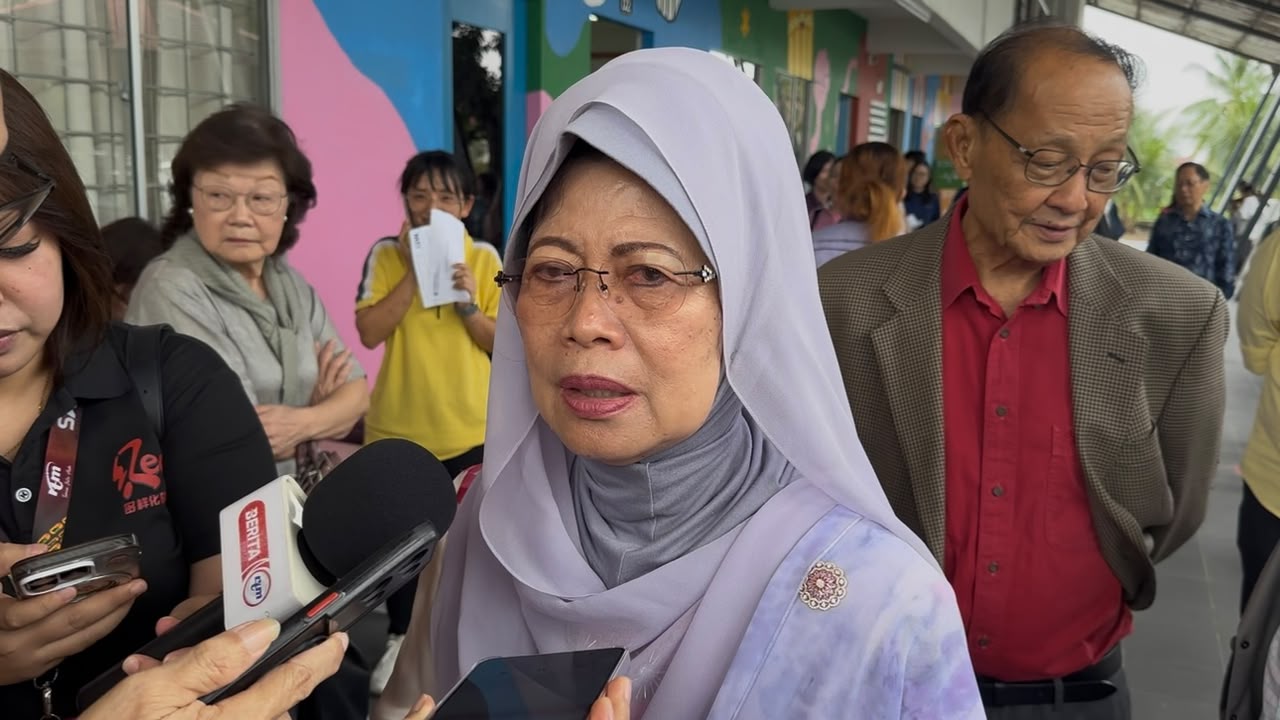
Caretaker Minister of Women, Early Childhood and Community Wellbeing Development, Datuk Seri Fatimah Abdullah said both mother and child were currently receiving the necessary medical attention.
“The baby boy and the mother are doing well in the hospital. They are under medical observation in the hospital. We have to look at both the mother and the baby and see where help is needed.
“They are in need of treatment at the moment, so we pray that both of them will recover and be healthy,” she told reporters after the launch of Diploma in Early Childhood Special Education at Methodist Pilley Institute today (Oct 30).
Fatimah described the incident as deeply saddening but urged the public not to rush to judgement or point fingers at those involved.
“It is very sad when something like this happens. At the same time, we have to understand how difficult the situation may be for the person involved. What we do not want is for people to point fingers and blame them.
“What is important is that we save two lives – the mother and the child. That is our objective,” she said.
Fatimah said cases such as this showed there were still individuals who either did not know that assistance was available or were reluctant to seek help because of shame.
She stressed that pregnant women facing difficulties should not be afraid or embarrassed to reach out for assistance.
“There is no shame in asking for help. There is help available, so please seek that help and start a new chapter in your life. That is our message. There are many people who can help.
“There are NGOs (non-governmental organisations) and safe places where a pregnant woman can receive assistance and carry her pregnancy to full term. You do not have to suffer or bear everything alone. There is help available,” she said.
Fatimah added that the police were carrying out their investigation into the Kapit case and said the matter should be left to the authorities.
She said efforts to address teenage pregnancies and baby abandonment had long been undertaken through the One-Stop Teenage Pregnancy Committee.
According to her, the committee has two main objectives – reducing teenage pregnancies and reducing cases of abandoned babies.
For the committee’s purposes, teenage pregnancy refers to pregnancies involving those aged 21 and below.
Fatimah said committees had been established at both state and divisional levels, bringing together various government agencies under a whole-of-government approach.
Among them are the Health Department, which attends to the health needs of pregnant young women, and the Education Department, which assists those who wish to return to school.
Relevant religious departments are also involved when matters concerning marriage arise.
“The committee was established in 2014 because the number of teenage pregnancy cases at the time was very high. When we started in 2014, there were more than 3,000 cases.
“In 2025, the figure was about 1,000-plus. We have managed to reduce the number by 43 per cent. However, despite this reduction, the figure is still high compared with other countries,” she said.
Fatimah said teenage pregnancy was a serious concern because it could affect the wellbeing and future of both mother and child.
A teenager who becomes pregnant may have to leave school and consequently be unable to attain a minimum level of education, while pregnancy and childbirth could also pose health risks to a young mother, she said.
She added that pregnancies outside marriage, particularly when those involved feared others finding out, could potentially lead to babies being abandoned.
“This is what we do not want to happen. Therefore, our objectives are to reduce teenage pregnancies and to reduce cases of baby dumping,” she said.
Fatimah said advocacy programmes were being carried out in collaboration with the Education Department and communities to raise awareness among young people about the support systems available.
She said NGOs could also provide safe places for pregnant young women to carry their pregnancies to full term.
After giving birth, she added, the women could decide whether to keep their babies or consider adoption or other care arrangements.