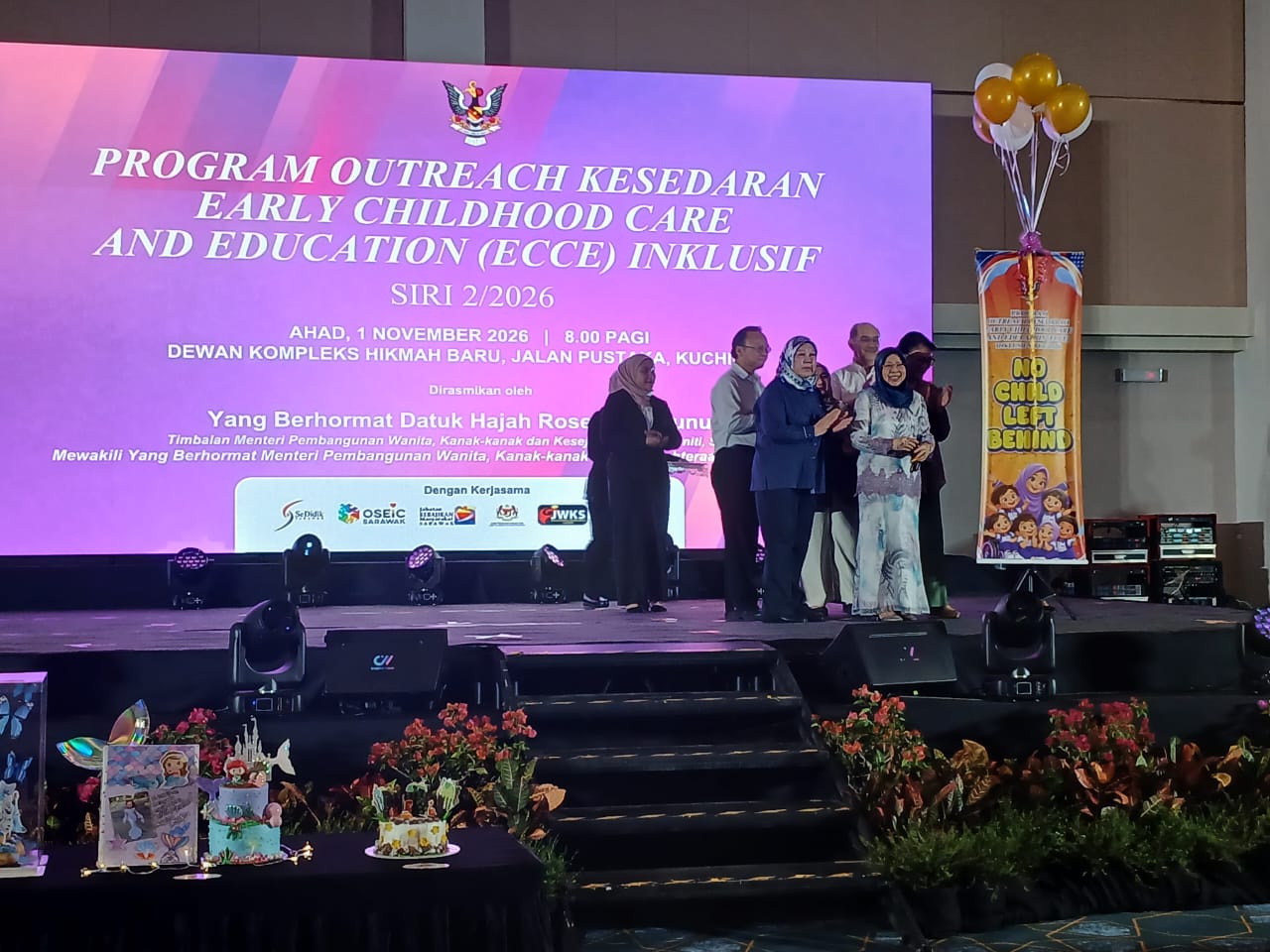
KUCHING: Some 3,050 children are currently enrolled in 110 SeDidik kindergartens and childcare centres across Sarawak, supported by 180 educators, as the state intensifies efforts to strengthen early childhood education and ensure children of different abilities have access to quality learning opportunities.

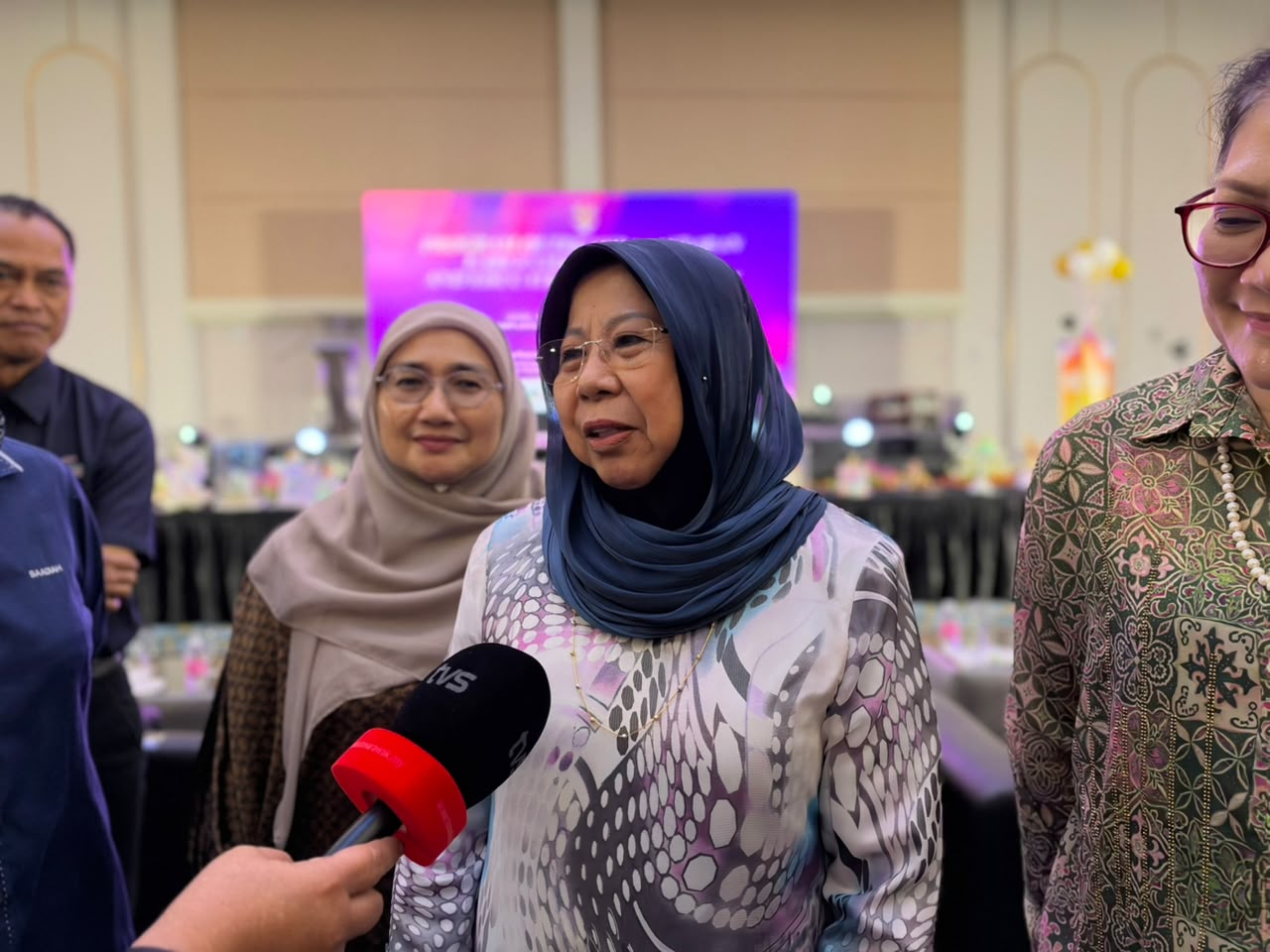
Deputy Minister for Women, Early Childhood and Community Wellbeing Development Datuk Rosey Yunus said the figures reflected the importance of investing in children’s development from an early age, with educators and families playing equally significant roles in shaping their future.
“These figures are not merely statistics. They represent every child who is growing and developing, families who place their hopes in them, and educators who play a role in shaping the future of the next generation,” she said.
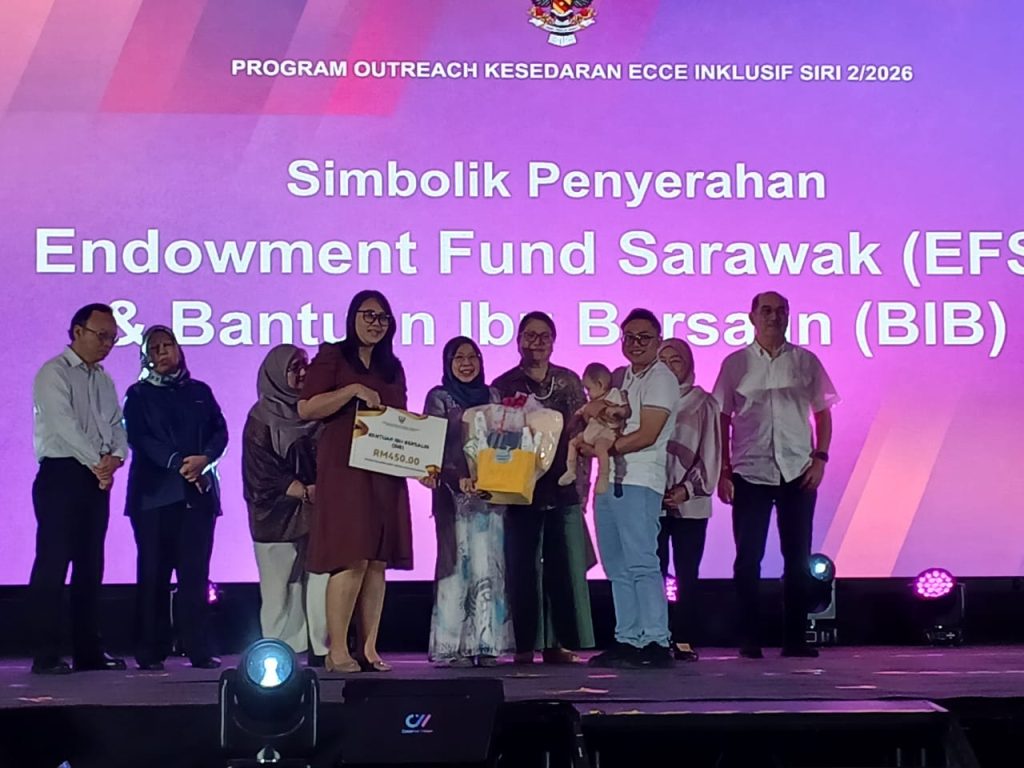
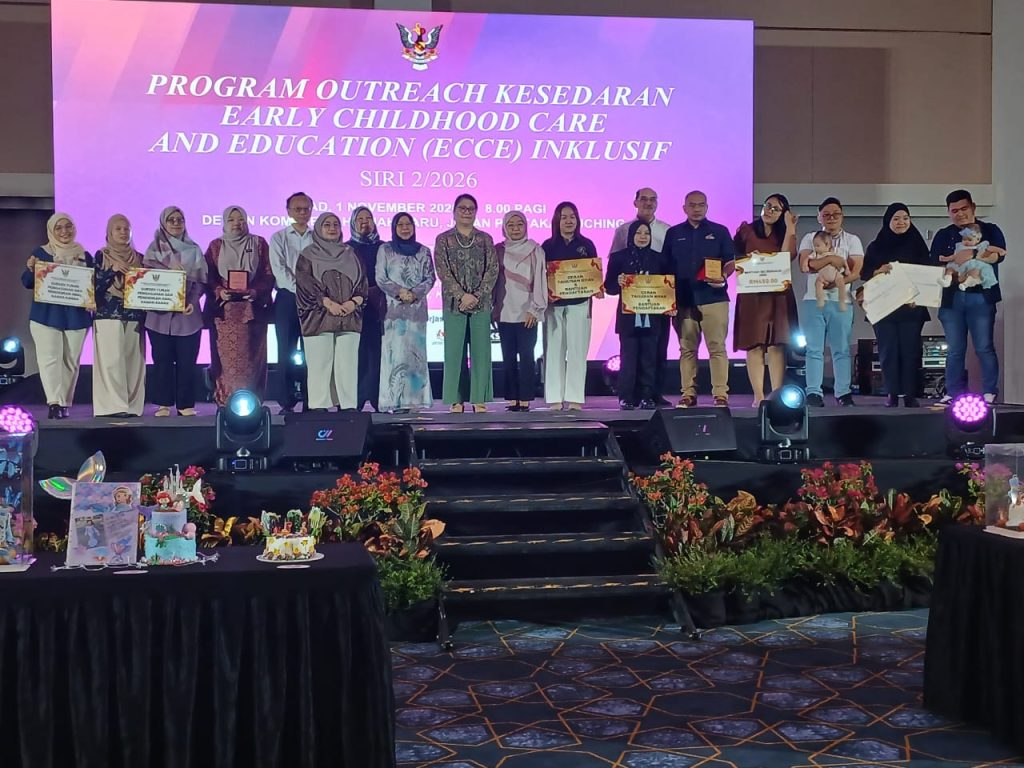
She was speaking at the Inclusive Early Childhood Care and Education (ECCE) Awareness Outreach Programme Series 2/2026 at Dewan Kompleks Hikmah, Jalan Pustaka, here.
The SeDidik network, operated under SFS Incorporated, adopts an inclusive approach in line with the state’s ‘No Child Left Behind’ aspiration, allowing children with special needs to learn alongside their peers.
Rosey said 851 children with special needs had benefited from the initiative since 2020, while 486 SeDidik personnel had received training in special education.
She said the approach was aimed at creating a learning environment that embraced diversity and respected the individual needs of every child.
To further strengthen the early identification of developmental needs, SeDidik has also collaborated with TOY8, a Japan-based health technology company specialising in artificial intelligence, to introduce digital developmental screening.
Through the collaboration, 356 educators and assistant educators have been trained to operate the screening system, while 2,198 children have undergone early screening.
“Early detection is important so that a child’s needs can be identified and appropriate support provided as soon as possible. We want to ensure parents receive the information, guidance and assistance they need without having to wait too long,” Rosey said.
Beyond screening, early intervention services are also being expanded through the Sarawak One-Stop Early Intervention Centre (OSEIC), which has provided services to 3,097 children since its establishment.
As of September 2026, 695 children were still undergoing intervention programmes at the centre.
Rosey said 518 children had completed their intervention programmes since 2022, with 145 progressing into mainstream education, 303 entering the Special Education Integration Programme (PPKI), and another 70 continuing their education at special education national schools (SKPK).
OSEIC currently operates in Kuching and Dalat, with a third centre in Miri scheduled to begin operations in November 2026.
She emphasised that the continued development of early childhood education and inclusive intervention services required close cooperation among the government, parents, educators and the wider community.
She said the collective effort was essential to ensuring every child received the necessary support and opportunity to develop according to their individual abilities and potential.