Fifth of A Seven-Part Series

From charcoal to shipbuilding: Gimhwak’s maritime legacy
LONG before Sibu established itself as one of Malaysia’s prominent shipbuilding hubs, the foundations of its maritime industry were laid by enterprising families who saw opportunities beyond the town’s traditional timber trade.
Among them was the Yong family, whose journey from producing and trading charcoal to building vessels reflects the determination, resourcefulness and entrepreneurial spirit that helped shape Sibu’s maritime industry.
For the Gimhwak Group of Companies, established in 1976, the story began not in a shipyard filled with the clang of steel and the rumble of engines, but in the humble charcoal business of an earlier generation.
What started as a modest livelihood gradually evolved into shipping, vessel maintenance and eventually shipbuilding, laying the foundation for a family enterprise that has endured for generations.
Today, the business is led by the third generation of the Yong family, who are building on their predecessors’ legacy while introducing modern management practices, technical expertise and new approaches to remain competitive in the maritime industry.
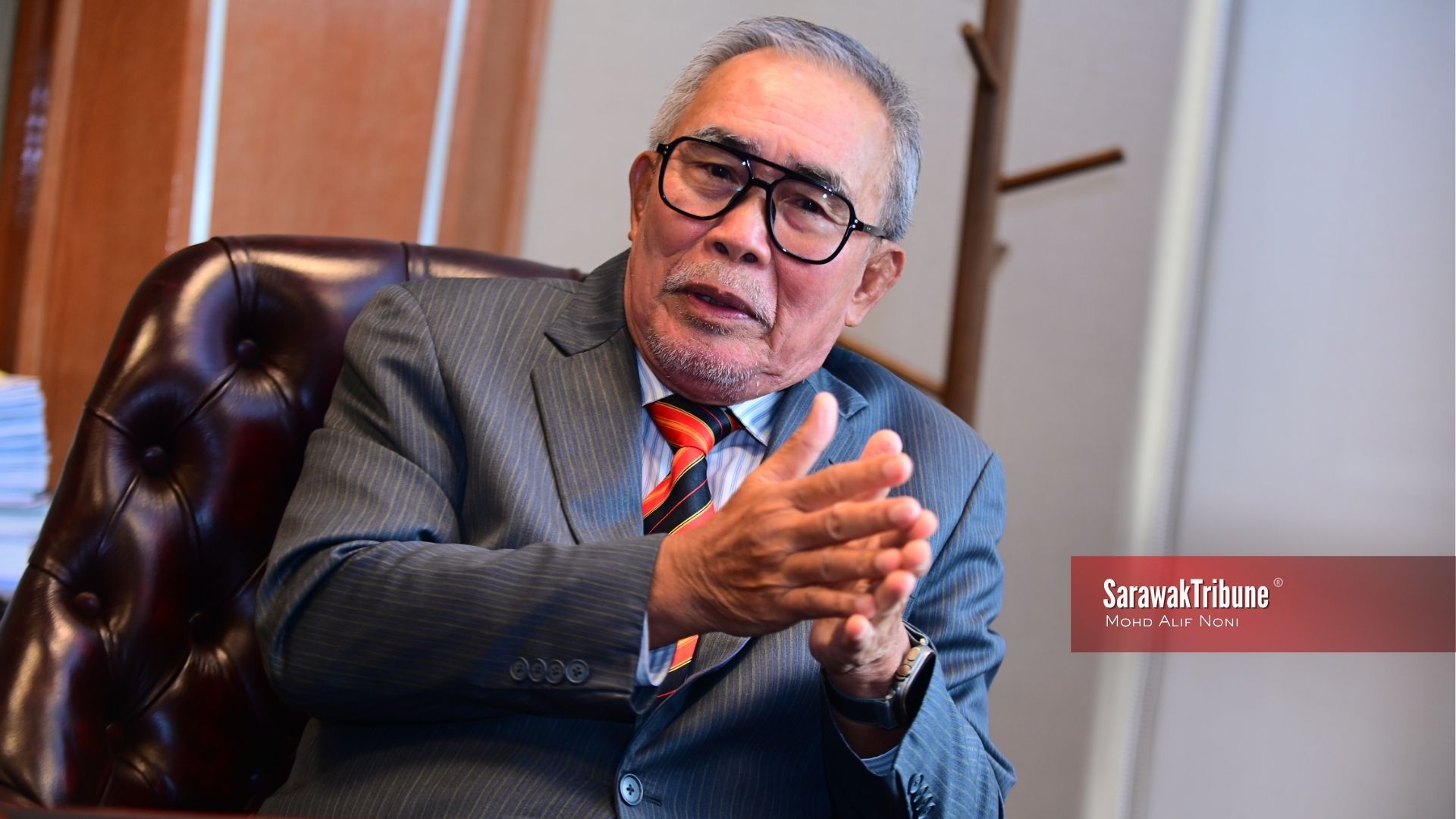
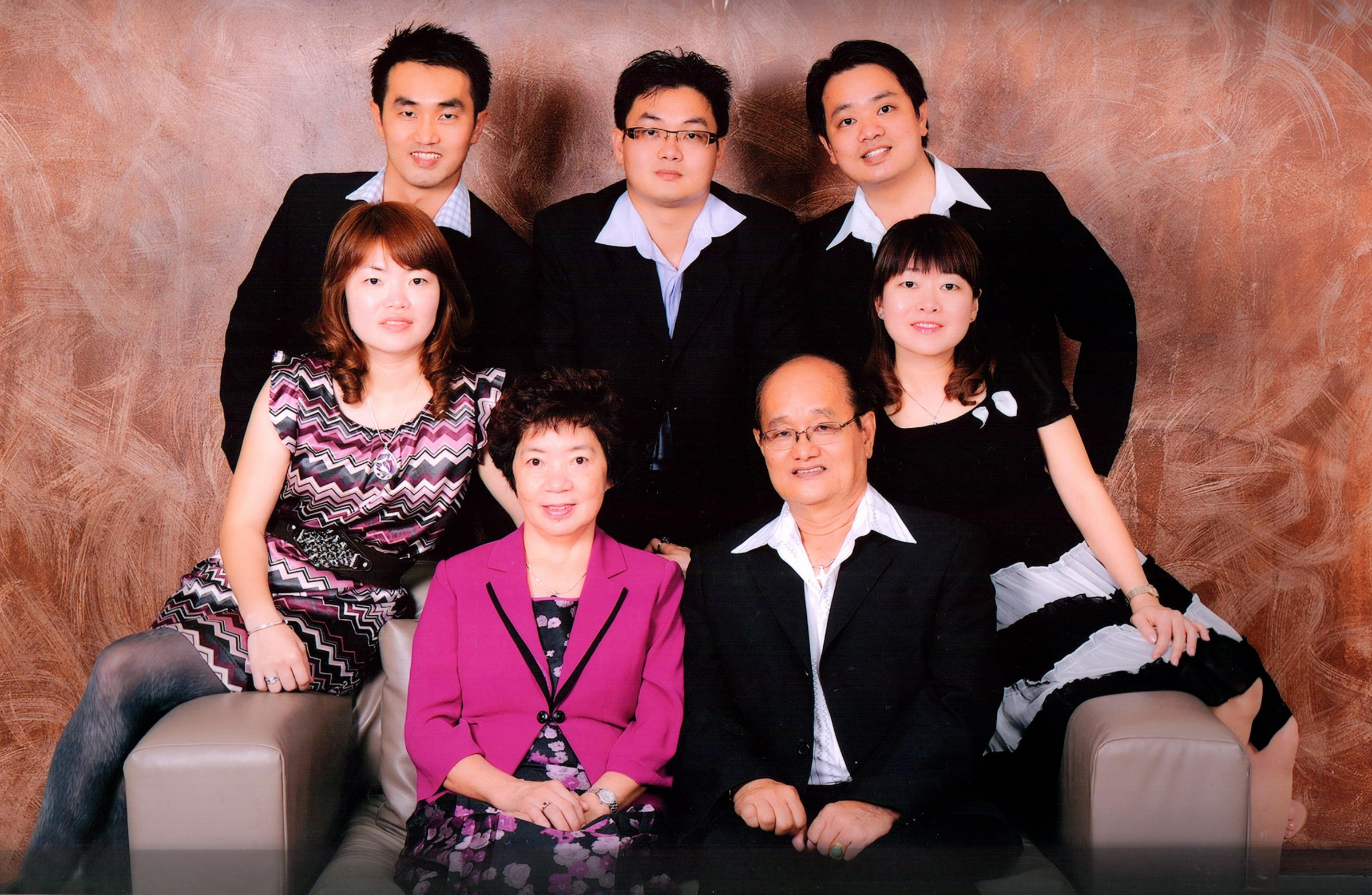
At the forefront is Technology Specialist, Dr Renco Yong, the Sarawak Association of Maritime Industries’ (SAMIN) Life Honorary President and Executive Adviser, who serves as an Executive Director of the group.
He is joined by his siblings – elder brother, Jackie Yong Leong Hua, and younger brother, Fenton Yong Chiong Hwa, both Executive Directors; eldest sister, Jocelyn Yong Hie Hua, the Chief Financial Officer; and elder sister, Victoria Yong Hie Hua, the Group General Manager.
Their father, Yong Ing Hui, who founded the group, remains its Managing Director and Group Chairman, while their mother, Lee Sui Eng, serves as Financial Director.
Although their parents continue to hold senior positions, they have increasingly assumed advisory roles as the younger generation takes charge of the company’s daily operations and future direction.
Humble beginnings along Sibu’s waterways
Recalling the family’s early history, Dr Renco said the roots of the business could be traced back about a century to his grandfather, Yong Siew Sing, who was involved in charcoal production and river transportation.
“Actually, the business started with my grandfather, Yong Siew Sing. He and three other partners each owned a 25 per cent share of a vessel. They used the vessel to transport timber from upriver to downstream areas and eventually to Singapore and Japan.
“This was about 100 years ago. At that time, there was no electricity or air-conditioning,” he recalled in an exclusive interview with the Sarawak Tribune.
Apart from transporting timber, his grandfather was also involved in producing charcoal, which was exported to overseas markets.
The process involved burning timber under controlled conditions to produce charcoal, a valuable commodity widely used for cooking and heating.
“At that time, charcoal was a valuable commodity. Wealthier people would buy charcoal and use it to keep their homes warm and for cooking. Charcoal was easier to burn and produced less smoke than burning firewood directly,” he explained.
Unlike ordinary firewood, charcoal could retain heat for hours while producing relatively little smoke, making it a practical fuel for households.
Although charcoal production provided a worthwhile livelihood, transporting the commodity presented a significant challenge.
The family initially relied on chartered vessels to deliver its products, an arrangement that substantially reduced its earnings.
Recognising the cost of transportation, Dr Renco’s father, Ing Hui, began questioning why the family should continue paying others to ship its charcoal.
“When my father was young, he asked, ‘Why are we paying other people to transport our charcoal? The money we earn is less than what we pay for shipping,’” Dr Renco said.
That simple question became a turning point in the family’s business journey.
The four partners subsequently pooled their resources to purchase their own vessel, with Ing Hui becoming the first among them to learn how to operate and manoeuvre it.
The decision marked the family’s gradual transition from charcoal production into shipping and other maritime-related activities.
“One of my uncles eventually became the captain. My father was one of six brothers, and several of them became involved in the family business,” he said.
However, as the business expanded, the family began reassessing the partnership arrangement.
“At that time, they began to realise that every dollar the family earned was being divided among the four partners. Each partner received only 25 per cent, even though the family members were doing most of the work.
“Eventually, the partnership was dissolved and the family continued the business on its own.”
Following the dissolution, the business continued under his grandmother, father, one aunt and five uncles, remaining in operation for another 20 to 30 years.
From vessel ownership to shipbuilding
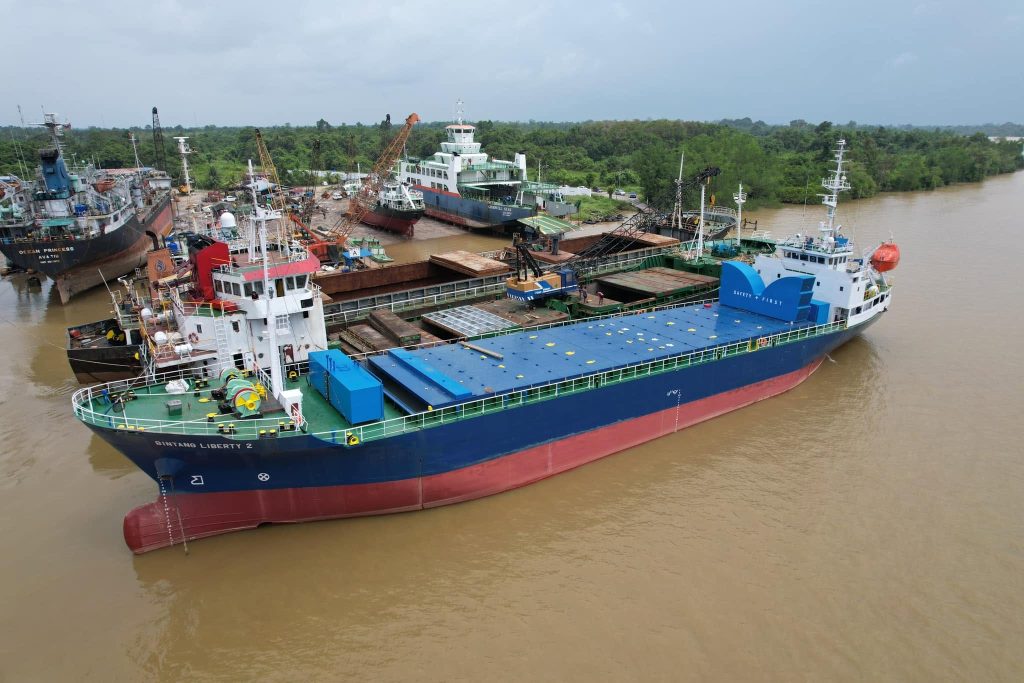
The family’s growing involvement in shipping eventually opened the door to vessel maintenance, repairs and other supporting services.
Dr Renco said his father later acquired a piece of land where the family could store and repair its vessels, marking another important stage in the business’s development.
“At one point, my father bought a piece of land where we could keep and repair our own vessels. We also began selling spare parts.
“Because timber transportation involved the use of cranes, my father also started repairing and refurbishing cranes. He imported many used cranes and repaired them for use in the industry,” he said.
These activities gradually broadened the family’s technical capabilities and involvement in the maritime sector.
Over time, Ing Hui began charting a more independent business direction, moving beyond the conservative approach of his father and laying the groundwork for the family’s shipbuilding operations.
The Gimhwak Group of Companies was formed in 1976, while Gimhwak Enterprise Sdn Bhd was established in 1997.
For Dr Renco, the opportunity to become directly involved in the family enterprise came in 2001, when he returned to Sibu after completing his tertiary education in Australia.
“I returned in 2001 after completing my tertiary education in Australia and joined my father and uncles in the family company.
“I worked there for 14 years before eventually setting up our own company with my brothers and father,” he recalled.
He explained that the business had previously been managed collectively by his father and uncles, who continued the operations established by their father.
However, as the next generation became more involved, the family’s business interests gradually evolved into separate operations.
“Around 2012, my father’s and uncles’ company began to scale down, while the company run by my brothers and me with our father, started to grow.
“Eventually, my uncles’ children also returned to the business. Each family began focusing on its own operations. One of my uncles’ families went into another line of business, while another uncle’s family became involved in ship-related businesses in Sibu,” he explained.
The transition allowed the different branches of the family to pursue their respective business interests while maintaining their connection to Sibu’s maritime industry.
Building capacity, one vessel at a time
When Dr Renco first joined the family business, its shipbuilding capacity was modest.
The company could build only one vessel at a time, with each project taking between 12 and 18 months to complete.
“When I first came back to the company, we built only one ship a year because it took about a year to complete a vessel, and sometimes even a year and a half. At that time, our capacity was only one ship at a time,” he said.
However, improvements in facilities, technical expertise and operational capacity enabled the company to gradually increase production.
As annual output grew to between four and six vessels, the family began expanding its operations further.
The return of his siblings from overseas also strengthened the company’s management and operational capabilities.
“My elder and younger brothers then returned to help the company around 2006 and 2007.
“My brother had worked in Australia for three to four years before returning to join the company. My sister also returned from Australia to help us,” he said.
With more family members contributing their expertise, the company continued to expand its shipbuilding and repair operations.
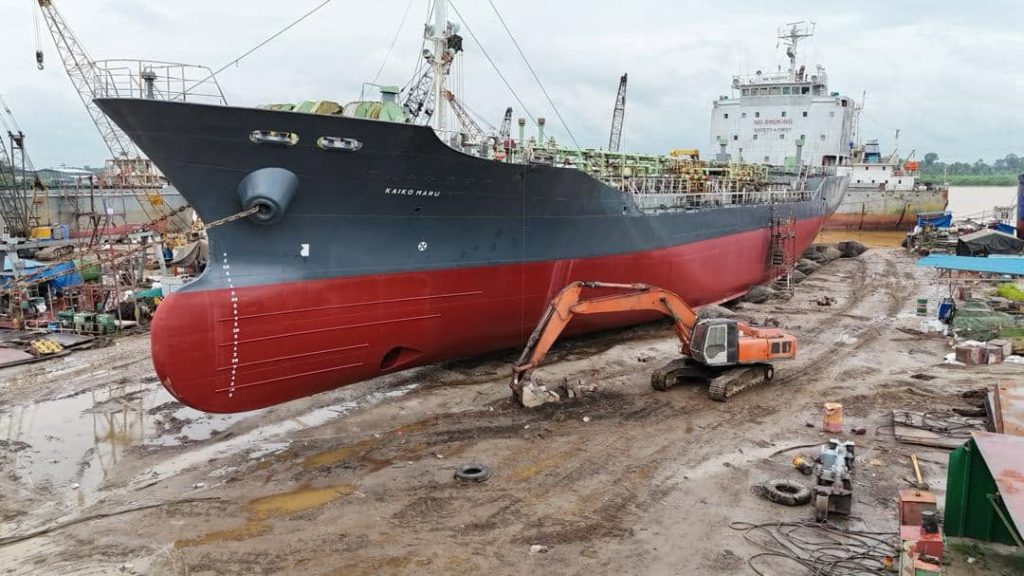
At its peak, Gimhwak was capable of constructing up to 16 vessels annually while handling approximately 60 vessels a year for dry-docking.
“At our peak, we built a maximum of 16 vessels a year. At the same time, we could handle up to about 60 vessels a year for dry-docking,” Dr Renco said.
The growth represented a significant transformation from the company’s early years, when it could complete only a single vessel annually.
Investing in people and expertise
Beyond expanding its facilities and production capacity, Gimhwak has also placed considerable emphasis on developing a stable and skilled workforce.
Dr Renco recalled that when he first joined his father’s and uncles’ company, the business employed only six or seven workers, most of whom were contract workers.
Today, Gimhwak has approximately 200 in-house employees, excluding contract workers, as well as about 50 seafarers.
The increase reflects the company’s expansion from a small family-operated business into a more structured maritime enterprise.
While many shipyards continue to rely heavily on contract labour, Dr Renco said Gimhwak has adopted a different approach by maintaining a permanent workforce for key technical functions.
These include welding, fitting, planning and design, which require specialised skills, practical experience and continuity.
By retaining skilled employees, the company is better positioned to maintain consistent workmanship, strengthen technical expertise and support its long-term operations.
For Dr Renco, who has spent about 24 years in the family business and is pursuing a Master of Business Administration, the company’s progress also reflects the importance of adapting to changing industry demands.
The third-generation leadership has introduced more systematic management practices, drawing on its educational background and professional experience to modernise operations.
The traditional approach to running a family shipyard has gradually given way to more structured planning, professional management and stronger emphasis on quality and efficiency.
Recognition for quality and excellence
As Gimhwak expanded, maintaining quality standards, meeting delivery schedules and offering competitive pricing became increasingly important to its operations.
These efforts were reflected in the company’s attainment of internationally recognised quality management certifications.
The group obtained ISO 9001:2000 certification in 2007, followed by ISO 9001:2008 in 2010 and ISO 9001:2015 in 2017, covering its shipbuilding, ship repair, shipping and freight-forwarding operations.
The certifications marked important milestones in the company’s efforts to strengthen its operational standards and management systems.
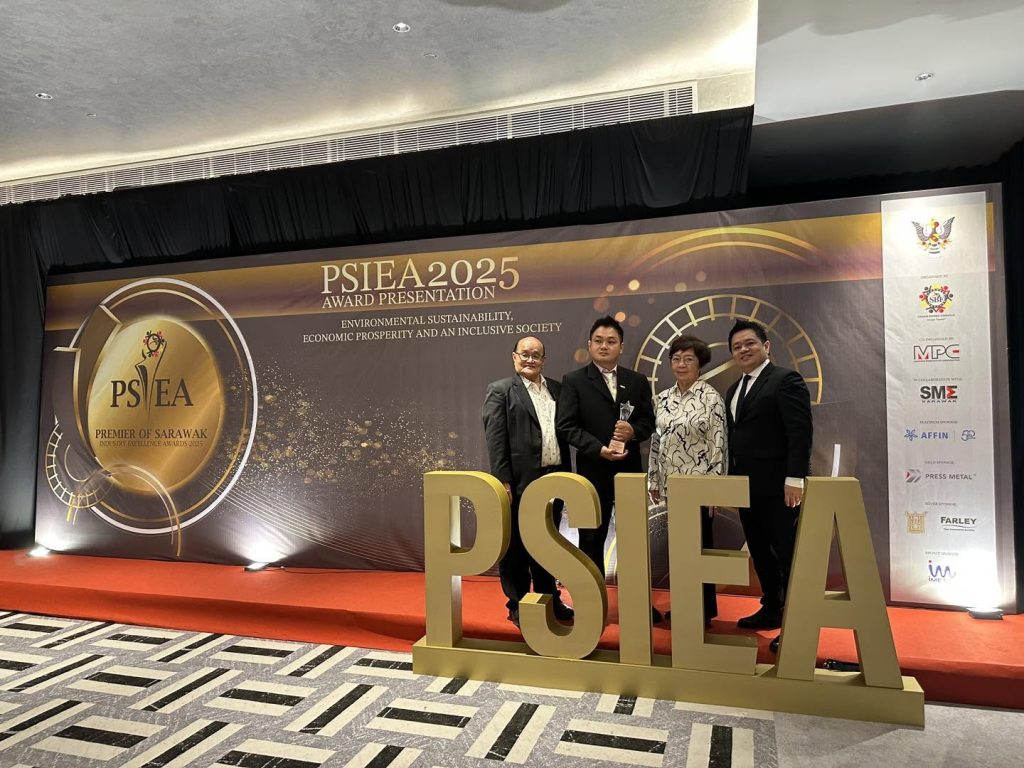
Its achievements have also earned recognition through various business and entrepreneurship awards over the years.
Among them were the 7th Golden Bull Award in 2009, the 8th Asia Pacific International Honesty Enterprise Keris Award in 2009, the 2nd Global Award in 2010 and the 10th Asia Pacific International Entrepreneur Excellence Service Quality Award in 2011.
Other accolades included the 3rd Malaysia Independence Award 1957, the Sarawak State Entrepreneur of the Year Award in 2012 and the Asia Pacific Entrepreneurship Award in 2013.
Together, these achievements reflect the company’s transformation from a modest family business into an established player in Sibu’s maritime industry.
A legacy built across generations
For the Yong family, the journey from charcoal production to shipbuilding has been shaped by successive generations willing to take risks, embrace opportunities and adapt to changing economic circumstances.
What began with Yong Siew Sing’s involvement in charcoal production and timber transportation evolved through his son Yong Ing Hui’s determination to expand into vessel ownership, repairs and shipbuilding.
Today, Dr Renco and his siblings are carrying that legacy forward, combining the practical knowledge inherited from earlier generations with modern technical expertise and professional management.
Their journey also reflects the broader development of Sibu’s shipbuilding industry, which grew from the town’s strategic location along Sarawak’s river networks and its long association with the timber and shipping trades.
Over the decades, enterprising families and skilled workers have helped transform these natural and commercial advantages into a maritime industry with connections extending well beyond Sarawak.
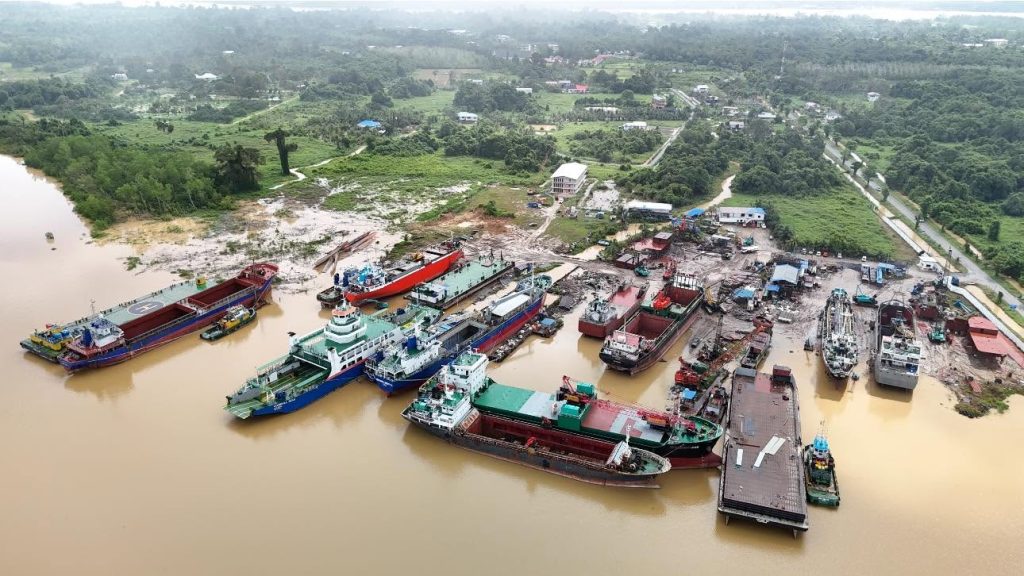
For Gimhwak, the achievements of the present generation remain closely tied to the sacrifices, determination and foresight of those who came before them.
From charcoal fires to shipyards, and from a small family livelihood to an established maritime enterprise, the company’s history is a testament to perseverance, adaptability and the courage to pursue new opportunities.
As vessels continue to leave Sibu’s shipyards for destinations near and far, the legacy of the town’s early maritime entrepreneurs lives on.
And the Yong family’s story offers a reminder that successful enterprises do not always begin with grand ambitions.
Sometimes, they begin with something as simple as a sack of charcoal, a modest vessel and the determination to build a better future.