KUCHING: Restored tree cavities are providing nesting spaces for hornbills under a conservation programme that is also testing a lighter artificial nest to address breeding-site shortages.

Yayasan Sime Darby (YSD) chairman Tunku Tan Sri Imran ibni Almarhum Tuanku Ja’afar said monitoring had confirmed the use of restored cavities by Rhinoceros, Black and Wrinkled Hornbills through its partnership with Explore Gaia Enterprise (GAIA).
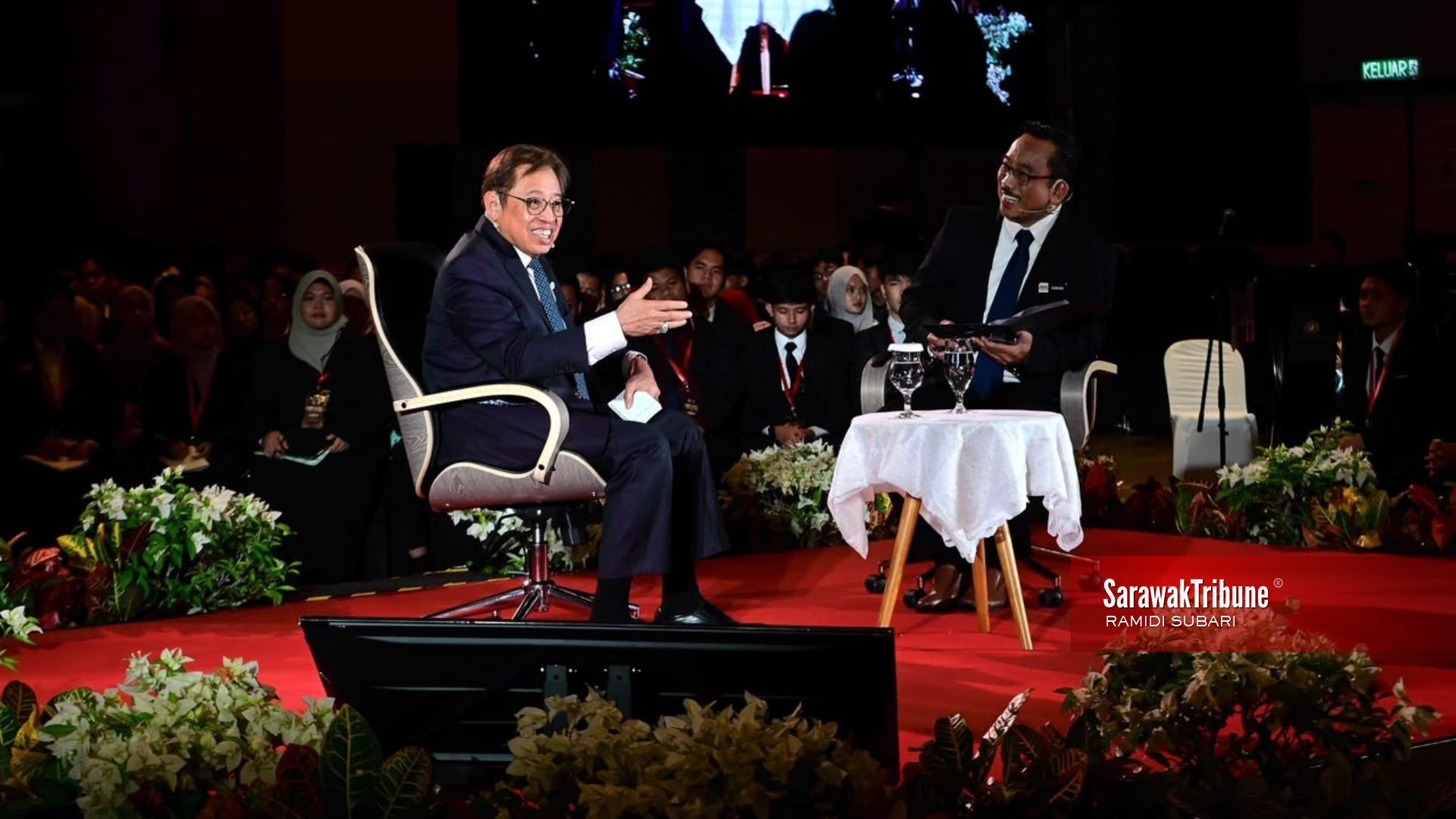
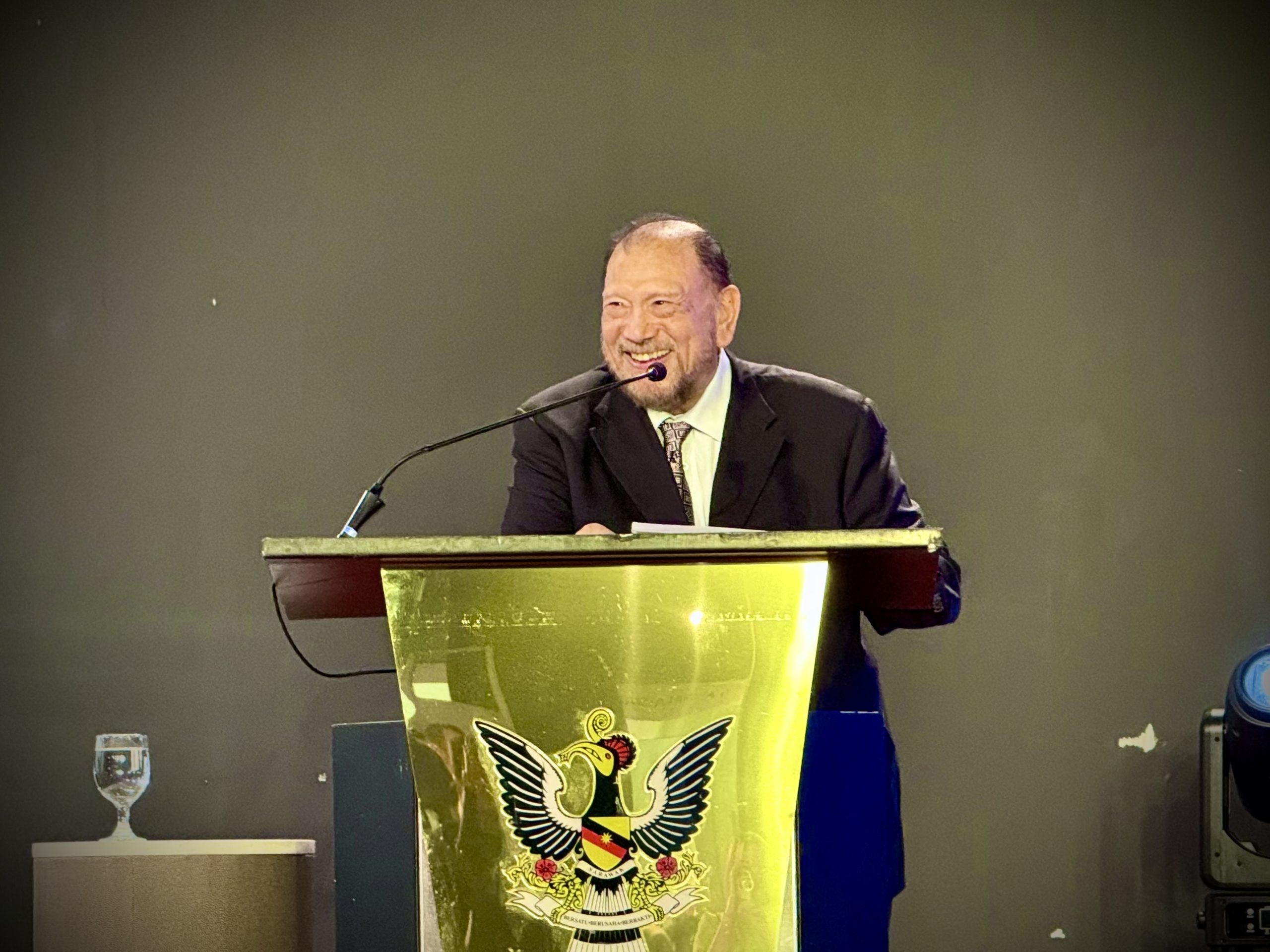
“As cavity nesters, hornbills rely on large trees to breed, and the loss of these trees reduces opportunities for them to raise their young,” he said at the third National Hornbill Day celebration at the Sarawak Science Centre (SSCIEX) here today (Nov 10).
Head of State Tun Pehin Sri Dr Wan Junaidi Tuanku Jaafar officiated at the celebration, accompanied by his wife, Toh Puan Datuk Patinggi Fauziah Mohd Sanusi.
According to a statement, the programme has developed and installed the Retrofitting Artificial Nest (RAN) Mark 01 at SD Guthrie’s Tunku Estate in Sabah.
Approximately 50 per cent lighter than earlier barrel-based models, the design provides improved maintenance access and will undergo further monitoring and refinement.
Meanwhile, 22 camera traps retrieved from restored cavities and artificial nest sites generated more than 25,000 images, recording use by at least five hornbill species.
The findings help researchers assess cavity occupancy, visit rates and nesting behaviour to improve conservation interventions.
“Hornbills need tree cavities to breed yet they cannot create these cavities themselves,” said GAIA scientific director Dr Ravinder Kaur.
Since 2021, YSD has committed RM2.6 million to the programme, supplemented by RM980,000 in Ministry of Finance matching grants, bringing total funding to RM3.58 million.
The programme also identifies hornbill food plants to guide habitat restoration and involves plantation workers in recording sightings, nesting activity and potential threats.