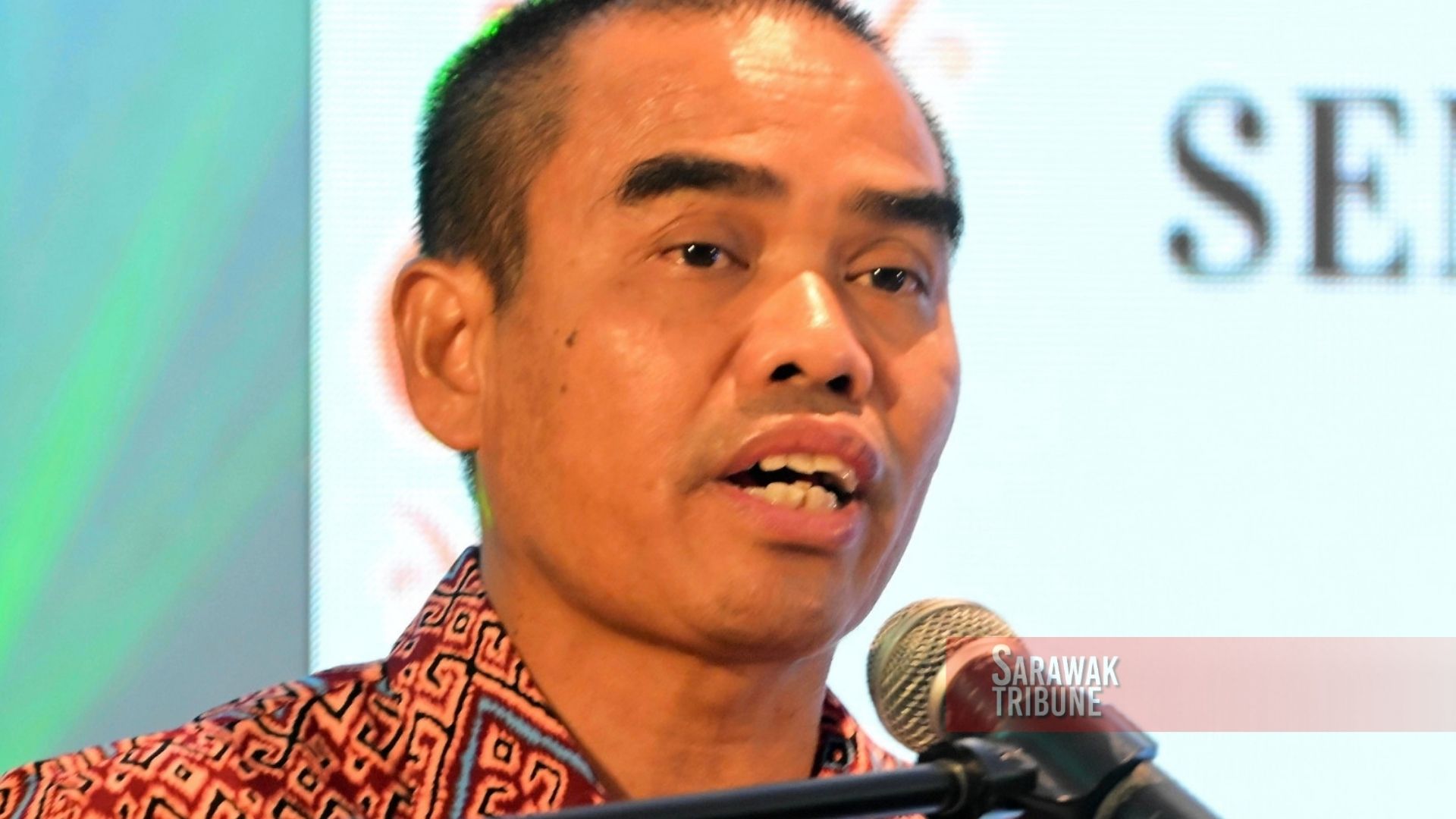
MIRI: Niah Caves has great potential to be listed as a Unesco World Heritage site – but first, more in-depth scientific research must be conducted in the cave complex, opined associate professor Dr Darren Curnoe (pic) of University of New South Wales.
“We have to get that baseline information, create a strong scientific base so we can prepare a really solid dossier, and develop a management plan – that is a really important part of the nomination process of Unesco,” he said when met at the sidelines of an International Conference on Archaeology (ICA) 2019 at Pullman Miri Waterfront here, yesterday.
He stated that potentially achieving Unesco World Heritage status for Niah Caves would take longer than this year. He remarked that most archaeological researches in the Niah Caves have been focused in the West Mouth of the caves. In fact, Dr Darren believed that his team was the pioneer in carrying out proper excavations in Trader’s Cave, one of the caves in the Niah Caves complex.

“We uncovered a lot of exciting new finds that extend the archaeological record back a long way in time,” he revealed. Dr Darren remarked this indicated that there was still a lot to learn about the region’s early prehistory. “There are a lot of places still to be explored and I think Niah National Park is like an open book with a lot of chapters we can open and new episodes in Borneo’s history that are yet to be discovered.”
Speaking of his work in Trader’s Cave, the associate professor elaborated, “At the moment, we are very focused on working at the Trader’s Cave. But then our plans are to broaden out and we really want to gain understanding across the whole National Park.”
“We hope to discover how many archaeological sites there are and map them so we can develop management plans. In the future, we can do some excavations in sites that seem promising and exciting,” he shared.
When asked about archaeo-tourism, he described it as going beyond the normal experience of just visiting a museum to learn about history.
“Archaeo-tourism is about taking the next step and going to visit the actual sites in the country.
“As a visitor, you can go and see the places where scientific research has been done while also gaining an understanding of where people lived and a real sense of the landscape and environment,” he explained.