SERIAN: Sarawak must develop a complete ecosystem to support its dairy industry, particularly in feed production, farming and downstream processing.
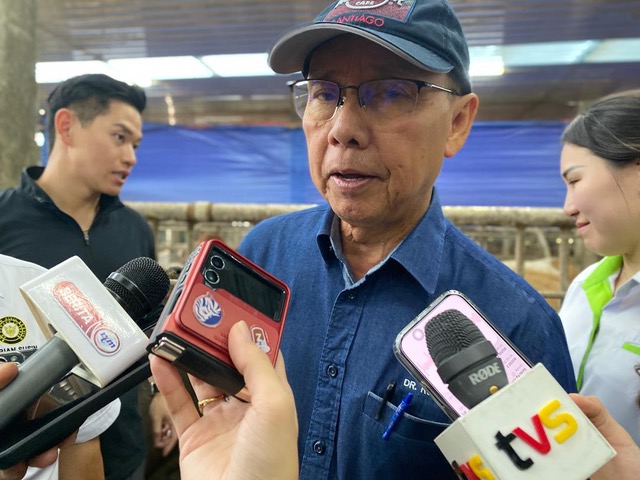
Food Industry, Commodity and Regional Development Minister, Datuk Seri Dr Stephen Rundi Utom, said dairy development required coordinated efforts across the entire supply chain.
He said feed alone accounted for about 70 per cent of production costs, making feed production a critical component in sustaining the industry.
“This sort of endeavour cannot be done in silo. We need a complete ecosystem where feed production, farming, processing and market access work together.
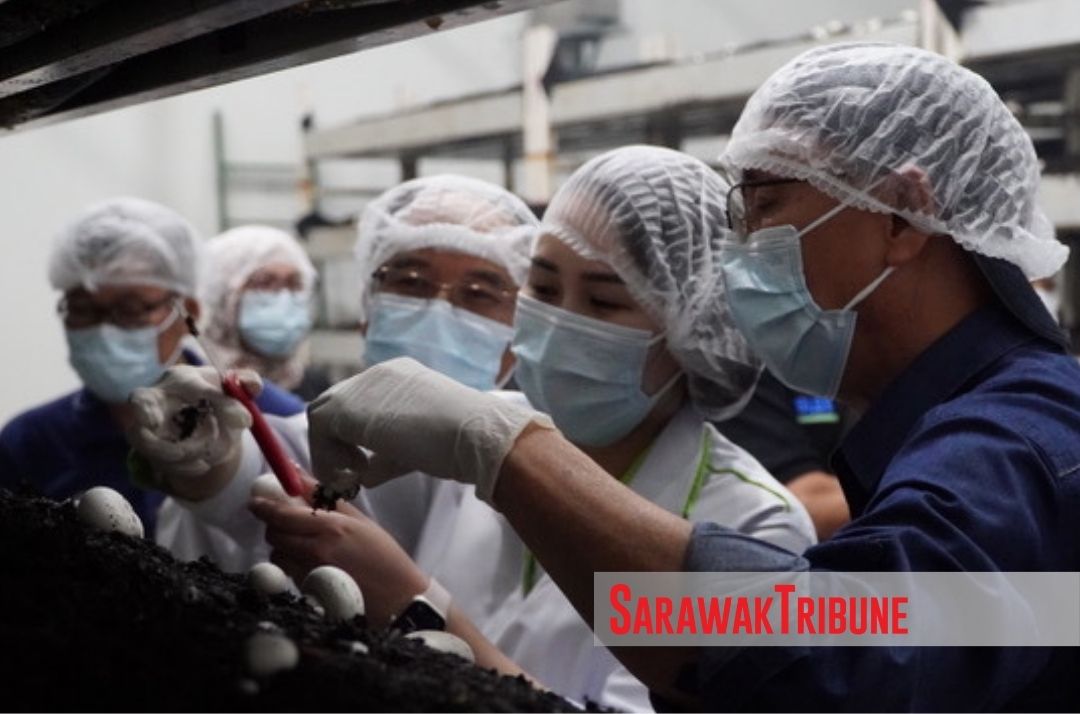
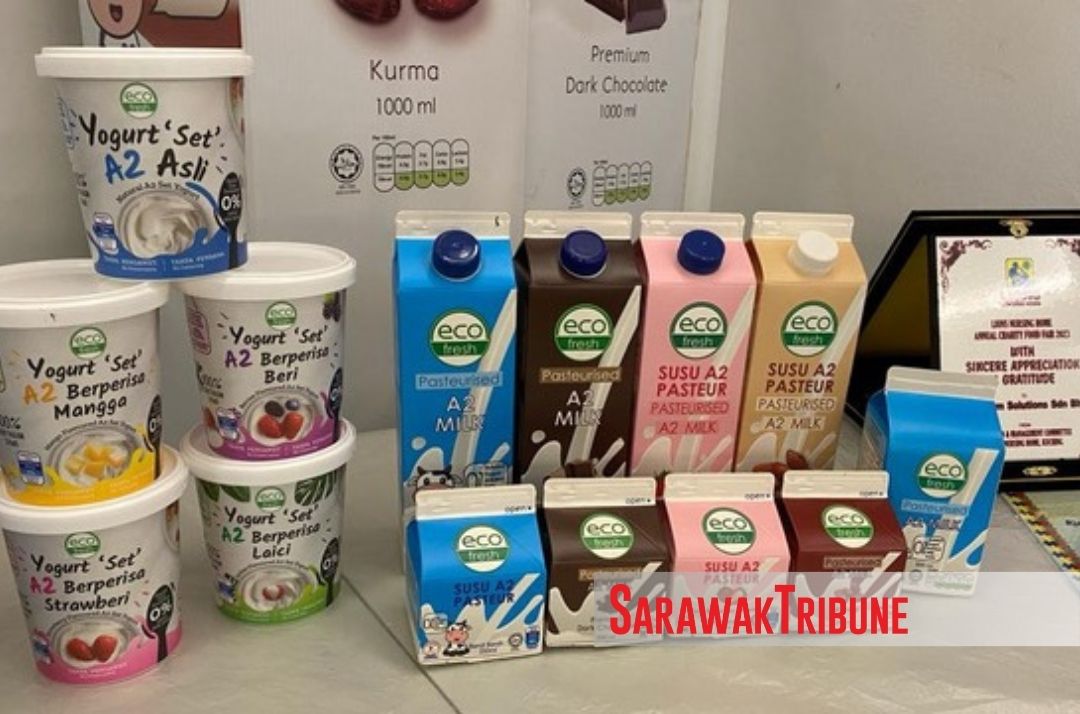
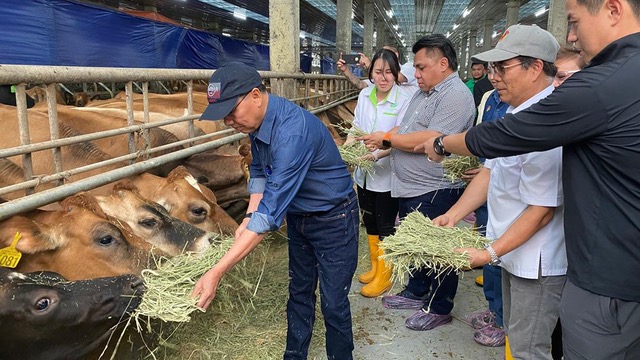
“If the production area is too small, the impact will also be small. We need a bigger area supported by farmers and communities around the system,” he said when visiting the A2 fresh milk-processing facility operated by Ecofarm Solution Sdn Bhd at Kampung Panchor here today.
Led by young entrepreneur, Ng Yi Xin, Eco Farm operates Sarawak’s first dairy farm using a fully automated closed-house system and modern intensive farming methods.
Dr Rundi commended her efforts in venturing into the dairy sector and said the government is prepared to support such initiatives, including through a matching grant.
“We should give them a matching grant and make sure this effort does not go to waste.
“I’m very happy to see when young people are looking at something that we have not seen before, especially this being the first one using a closed system,” he said.
Dr Rundi added that agricultural development should also adopt a cluster approach to ensure sufficient scale for production and processing activities.
He said communities could collectively contribute land and resources to support feed production and livestock farming.
“For example, one family may plant five acres, another ten acres. When many families are involved, the production area becomes large enough to support the industry.
“One group can supply feed, another manages the farm, while others handle processing and marketing,” he said.