LET’S READ SUARA SARAWAK/ NEW SARAWAK TRIBUNE E-PAPER FOR FREE AS EARLY AS 2 AM EVERY DAY. CLICK LINK
BEH Tukang was not well-to-do by any stretch of the imagination. He lived half the year in his modest house at the foot of a hill, on the edge of our village, earning his living as a handyman. The other half was spent on his paddy farm, several miles distant from the village. This was not unusual; many farmers in our community followed the same rhythm of life.
Despite his modest means, Beh Tukang possessed a heart of gold, a kindness that shone through every nail he hammered and every plank he sawed for his clients. When cash was tight, he readily accepted barter – trading his handiwork for bags of rice or even a warm meal when that was all his clients could offer.
“Why not?” he would chuckle. “I’m a dreadful cook, and my wife isn’t much better!”
As far back as I can remember, Beh Tukang and his wife have always been a fixture in my life and my family’s lives. In my toddler years, my mother would leave me in his wife’s care for a few hours while she ran errands, especially during the busy farming season, when their farm was conveniently close to ours.
One misty December morning, the cold rain weaving through the grey skies, Beh Tukang felt an unfamiliar ache deep within his chest as he worked atop a crumbling roof.
The relentless patter of rain blurred his vision, but it was the sight below that truly broke him. Usah, the father of the struggling family, stood in the mud, his shoulders hunched under the weight of life’s unyielding burdens.
Despite his calloused hands and weary spirit, Usah was a man outmatched – forever at the mercy of a home falling apart faster than he could mend it.
His children watched silently, their eyes mirroring their father’s silent defeat, their bare feet pressed into the wet, cold earth.
For a moment, Beh Tukang’s hammer paused mid-swing, the sound of rain swallowed by the heavy stillness of despair.
As he worked, Beh Tukang wrestled with whether to accept payment for his labour. The very thought made him feel uncomfortable and guilty. Perhaps a delayed payment? That notion flitted through his mind, but he quickly dismissed it.
“I’ll cross that bridge when I come to it,” he resolved.
To put Beh Tukang’s dilemma into perspective, no one in the village could be considered wealthy, but Usah’s family appeared to be worse off than most.
Beh Tukang persisted, as was his way, but when the rain grew too heavy, he partially patched the roof from inside, using a split bamboo stem to divert the leak through a hole in the floor. He promised to return once the weather permitted.
About two weeks later, he returned to finish the job, only to find the house empty save for a young boy, no older than ten, huddled against the cold in his tattered clothes. Despite his hardships, the boy’s eyes held a glimmer of hope.
“What’s your name, boy?” Beh Tukang asked, his voice gentle as the breeze rustling through the trees.
The boy looked up, startled by the kindness in Beh Tukang’s gaze. “I’m Kiko,” he replied, his voice soft and timid.
Beh Tukang smiled warmly. “Well, Kiko, where are your parents and siblings?”
“They moved to the farm last week,” he said matter-of-factly. “I stayed back because I have to go to school.”
“I see,” Beh Tukang said, understanding more than he let on. During the farming season, it was common for parents in the village to leave their school-aged children behind to fend for themselves, either alone or with relatives. The farms were too distant from the village, accessible only via narrow jungle paths, making daily commutes impractical.
After finishing his job, Beh Tukang spoke more with Kiko, and at the end of their conversation, he invited the boy to stay with him and his wife. Kiko hesitated, so Beh Tukang suggested he try it for a few days; if he didn’t like it, he could always return home.
Kiko agreed to stay for just one day, then decided to extend it by another. Before he knew it, a week had slipped by, and then a month. After that, the matter was no longer discussed.
One weekend, Beh Tukang visited Usah’s farm and informed him of Kiko’s presence in his home. Knowing Usah’s pride, despite his poverty, he framed it as a necessity. He needed Kiko’s help after school. It was a pretext – an excuse to provide Kiko with food, shelter, and the opportunity for an education.
For as long as Usah and his family were tied to their farm, Beh Tukang worked tirelessly to ensure Kiko could attend school. He saw in the boy a potential for greatness that others failed to notice.
Years passed, and Kiko blossomed into a bright young man. Armed with the knowledge and skills that Beh Tukang and his parents had helped him acquire, he ventured into the world to make his mark.
Yet, as fate would have it, just as Kiko achieved his success, Beh Tukang passed away, leaving behind nothing but cherished memories and an unspoken debt of kindness.
Overwhelmed with gratitude for the man who had changed his life, Kiko sought a way to repay this debt. However, no matter how hard he tried, he realised that some debts could not be repaid with mere material possessions.
Beh Tukang had given him something far more valuable than money – he had gifted him hope, opportunity, and a chance at a better life.
Determined to honour Beh Tukang’s memory, Kiko resolved to pay it forward, embodying the kind spirit that had transformed his life. He became the sort of person that Beh Tukang had been to him – someone who looked beyond the surface, recognised potential in others, and extended a helping hand without expecting anything in return.
Kiko began with his siblings who struggled to afford school supplies and often went without meals. Using his first paycheck, he bought them stationery and provided them with pocket money for food, and encouraged them in their studies.
As his siblings thrived, Kiko turned his attention to others. He started a small initiative, gathering donations of food and stationery from colleagues, other individuals, and businesses and distributing them to children whose families were in need. He often surprised families with bags of rice, notebooks, or even small cash gifts.
One particularly poignant moment came when Kiko met a girl named Alila, who had been forced to drop out of school due to her family’s financial struggles.
Determined to help, Kiko arranged for her to receive scholarships and even provided her with the materials she needed to continue her education. He often visited her to check on her progress, reminding her that she was capable of achieving her dreams.
As Kiko continued to pay it forward, he felt the weight of Beh Tukang’s legacy guiding him. In the end, Kiko understood that the greatest gift one can give is not material wealth but the gift of opportunity, of hope, and of love.
Though Beh Tukang may have departed this world, his spirit lived on through every act of kindness Kiko performed – a poignant reminder that some debts can only be repaid by passing the kindness forward.
This bittersweet tale serves as a testament to the transformative power of kindness, illustrating how the simplest acts can ripple through lives and generations.
It invites the reader to reflect on the importance of giving- not just materially but through encouragement, support, and genuine belief in others.
Ultimately, the most significant takeaway from this story is that kindness is a legacy that endures – it knows no bounds.
It should remind us that acts of kindness can transcend social barriers and transform lives, regardless of one’s financial status or background.
The story also highlights the importance of providing opportunities to those in need, recognising that education and support can be invaluable gifts that empower individuals to achieve their full potential.
For readers who are concerned about legacy, they are encouraged to consider the legacy they want to leave behind and the impact of their actions on future generations.
The story of Beh Tukang and Kiko emphasises the ripple effect of kindness and the lasting influence of altruistic deeds.
Finally, the story encourages readers to reflect on the kindness they have received in their own lives and to pay it forward whenever possible.
It prompts individuals to recognise and appreciate the acts of kindness that have shaped their journey and to extend the same generosity to others in need.
DISCLAIMER:
The views expressed here are those of the writer and do not necessarily represent the views of the Sarawak Tribune. The writer can be reached at www.hayhenlin@gmail.com
QUOTE:
“Kindness is a language which the deaf can hear and the blind can see.”
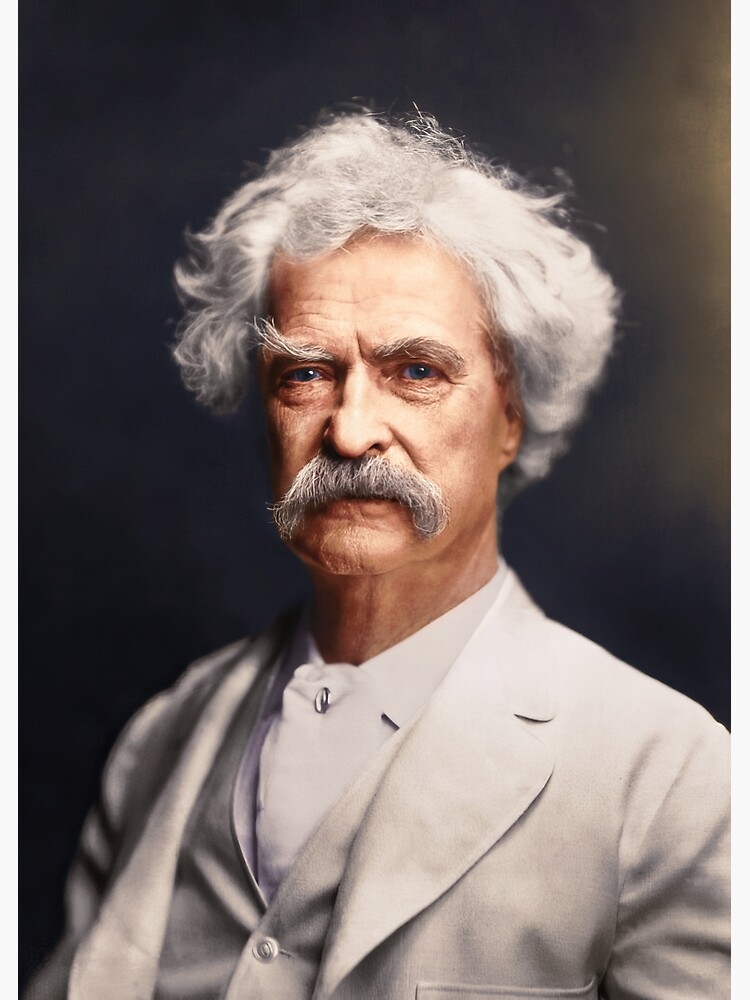
– Samuel Langhorne Clemens (1835-1910). Pen name: Mark Twain, one of America’s most famous and influential writers, humourists, and social commentators.