FOR Chef Abang Abdul Rahman, the kitchen has never been just about cooking.
It is where long hours test patience, pressure reveals character, and simple dishes quietly create moments of comfort.
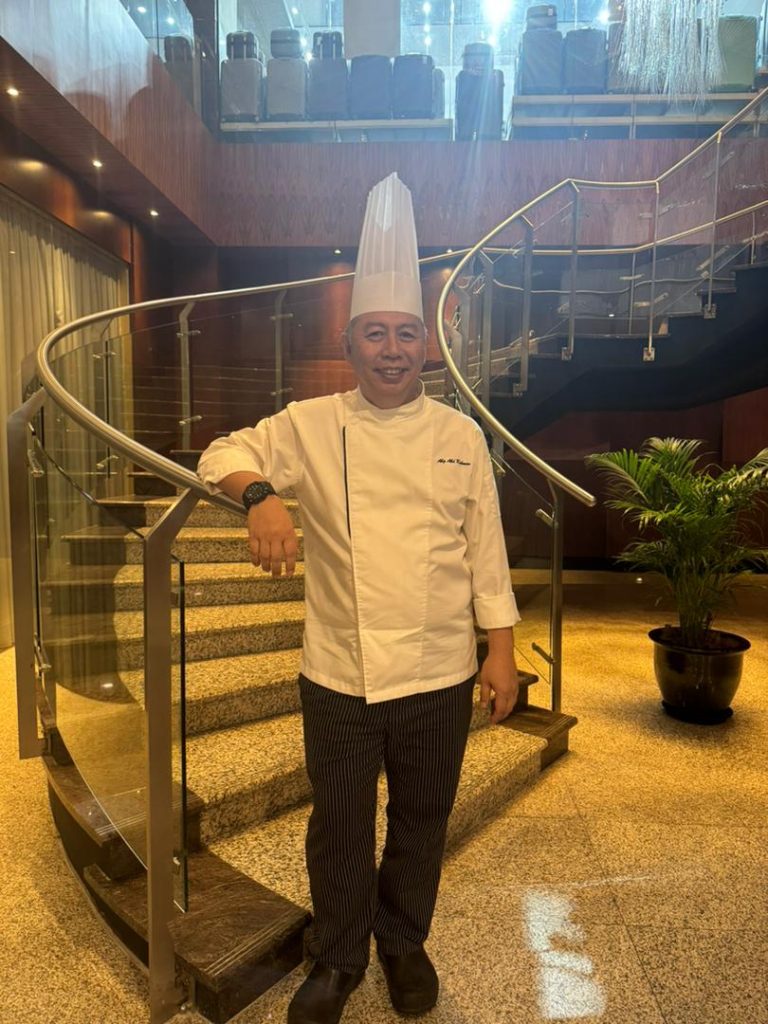
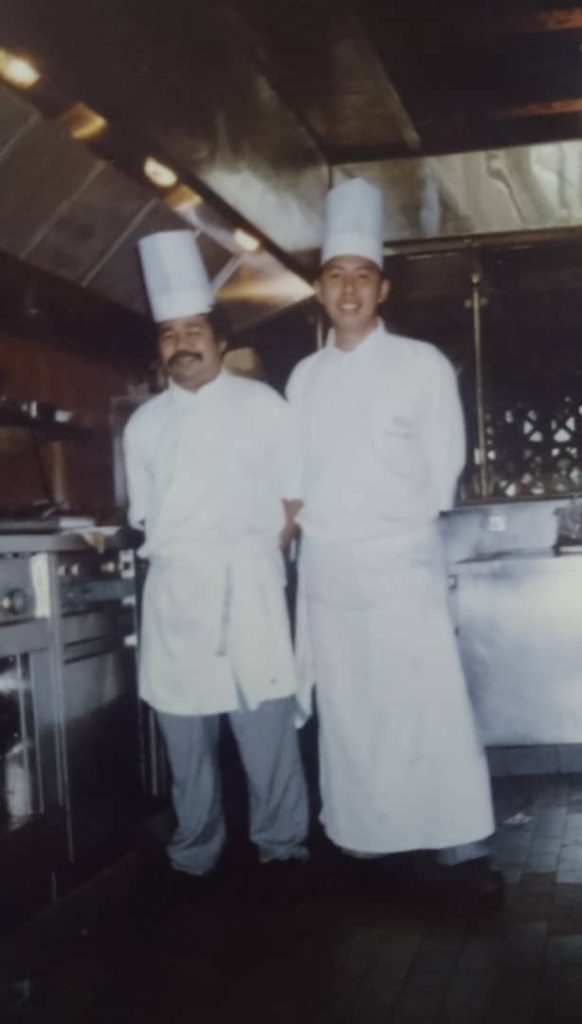
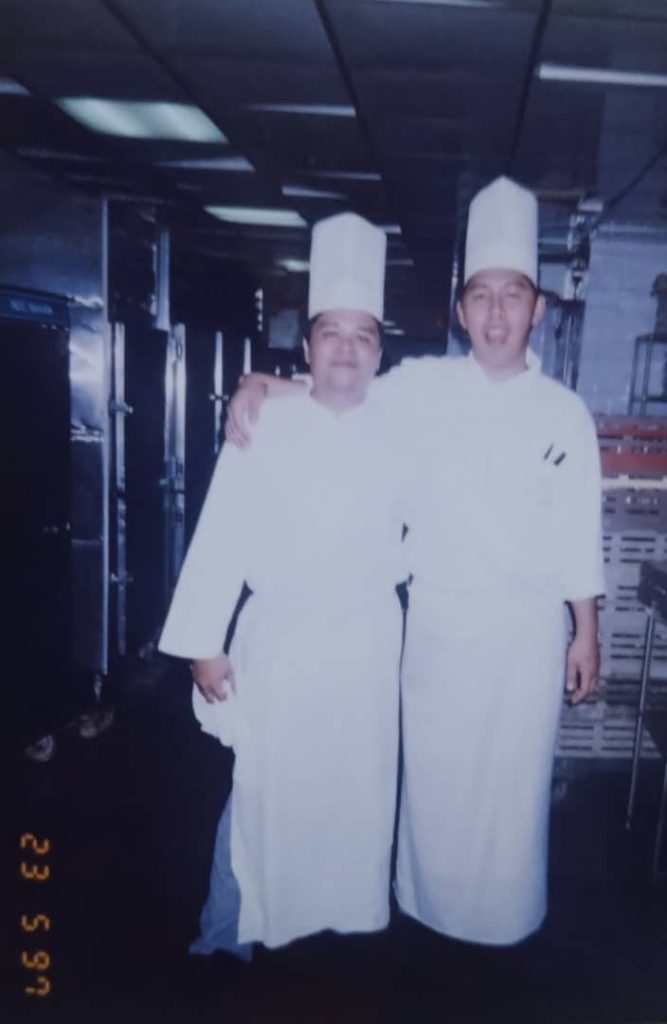
With 35 years in the industry, his journey from a young apprentice at Hilton Kuala Lumpur to his current roles as Executive Chef at Imperial Hotel and President of the Kuching Chefs Association (KCA) is one shaped by discipline, resilience and a deep respect for the craft.
Soft-spoken yet firm in his beliefs, Chef Abang speaks less about success and more about process – starting from the bottom, learning through mistakes, and understanding that leadership is built on people, not titles.
Along the way, he has cooked across borders, mentored young chefs, and remained grounded by family and faith.
In an exclusive interview with Sarawak Tribune, Chef Abang shares the moments that shaped him, the pressures that almost made him walk away in his early years, and why he believes that to be called a chef, one must first learn how to be a cook – patiently, honestly, and from the ground up.
ST: Chef, can you tell us about your background and how your journey in the culinary world began?
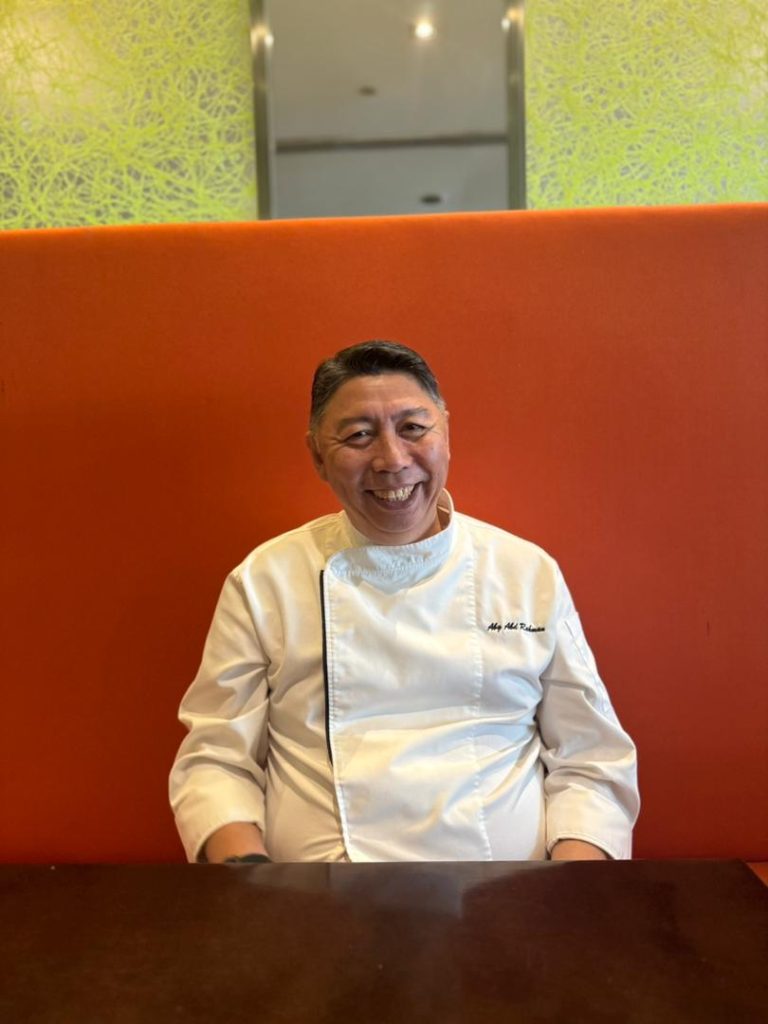
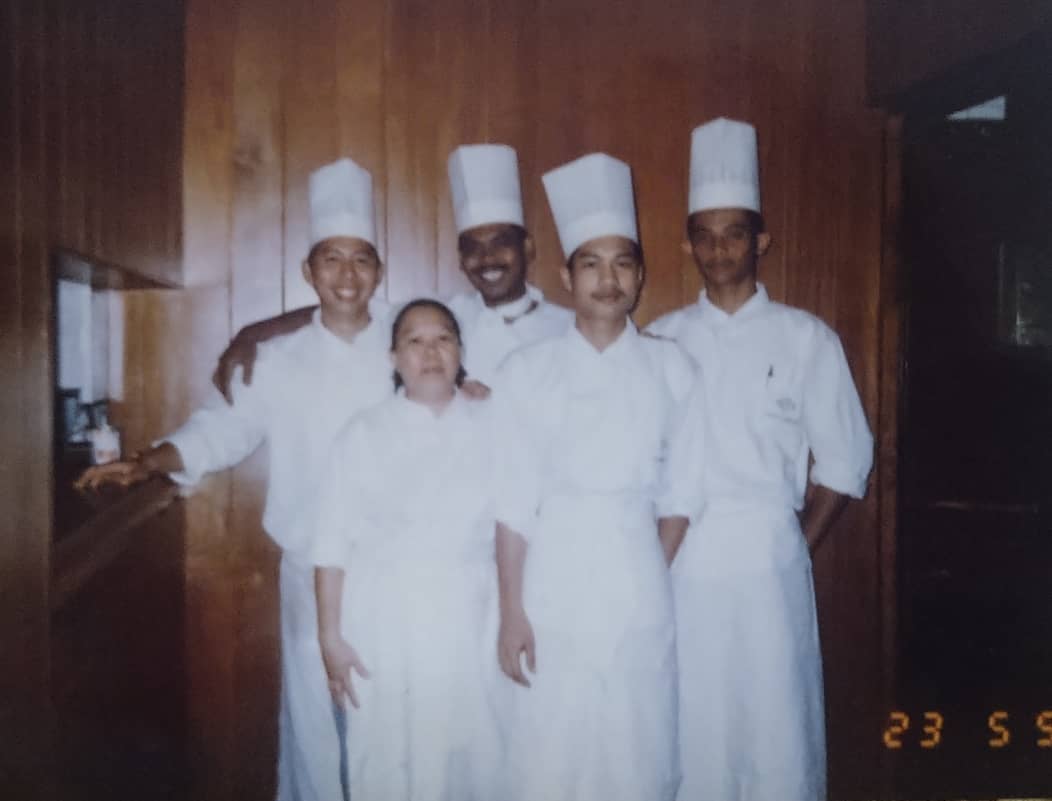
Abang: After finishing high school, I pursued a diploma in Hotel Management. My culinary journey officially began in 1989 when I was accepted as an apprentice at Hilton Kuala Lumpur. I spent two years there learning the basics – from kitchen discipline to understanding what it truly means to be a cook.
During that time, I was exposed to different levels of cooking, production and management. At the end of my apprenticeship, I underwent an assessment by Hilton International and thankfully, I completed it successfully. I was then invited to stay on as part of the Hilton Kuala Lumpur team. That was really how everything began – starting as a cook and slowly building my career.
ST: What inspired you to become a chef, and was there a defining moment that confirmed this path for you?
Abang: Becoming a chef wasn’t something that happened overnight. To be honest, it wasn’t even part of my original plan. I once wanted to be a firefighter, but my parents wanted me to join the police force. So when I decided to become a chef, it came as a surprise to them and to me as well.
But I realised early on that food was always at the centre of life’s moments where people laughed, argued, celebrated and healed. I was drawn to that long before I understood technique or culinary skills.
The defining moment came the first time I cooked for someone and saw their shoulders relax after the first bite. There was no applause or big reaction, just a pause, a smile and a sense of comfort. That was when it clicked for me. Cooking isn’t just about feeding people; it’s about making them feel cared for, safe and seen.
From that point on, the long hours, heat and pressure no longer mattered. I knew this was my path because it felt like service, creativity and purpose coming together.
ST: What were some of the most important lessons you learned in your early years as a cook?
Abang: In the early years, you learn very quickly that fundamentals matter more than anything else. Knife skills, for example, are far more important than fancy tools. A sharp knife and knowing how to use it properly can change everything.
Preparation is also crucial. Mise en place which means having everything ready before you cook, prevents panic and mistakes. Heat control, seasoning gradually, and tasting are skills that take time to develop as you go along.
And of course, mistakes are part of the journey. Everyone goes through burnt pans, broken sauces and overcooked food. Those mistakes taught me more than any perfect dish ever could. In fact, I still carry a few scars that remind me of those lessons.
ST: In your early years, did you ever think of giving up the profession?
Abang: Yes, especially in the first five years. The pressure was intense, and I was still young. I even considered becoming a teacher or a profession that appears to have less pressure which were paths some of my batchmates eventually took after leaving the culinary line.
But over time, something changed. When you get through a tough service together as a team, the sense of achievement stays with you. That’s when the love for the kitchen slowly grows, and you realise this is where you belong.
ST: Your work have brought you to different parts of the world. Which cuisine has left a lasting impact on you?
Abang: I’ve been fortunate to travel to many countries through my work, and each place taught me something different. Thai cuisine left a strong impression on me because of its creativity and balance of flavours which are bold, versatile and full of character.
Italian cuisine also influenced me greatly, especially its respect for simplicity. The way Italians treat pasta and bread, making everything fresh by hand, reminded me that good food doesn’t need to be complicated.
Turkish cuisine is another that stayed with me. Bread and meat are staple foods there, and the way they prepare and present them is incredibly appetising.
ST: Looking back, what experiences shaped you the most as both a chef and a leader?
Abang: The moments that shaped me most came from pressure, failure and responsibility, not just success.
Working in fast-paced kitchens taught me discipline, consistency and humility. Long services and high expectations forced me to respect every role in the kitchen because no one succeeds alone.
When I started leading others, I realised that results come from people, not just talent. I had to learn how to listen, communicate clearly and support my team, especially during stressful services. Managing pressure, giving feedback and owning mistakes taught me empathy and accountability.
Today, I believe leadership is about setting the right tone by staying calm, taking responsibility, and celebrating the team’s successes. I had my fair share of harsh treatment from seniors when I first started out, but I chose to treat those moments as learning experiences. They reminded me of the kind of leader I didn’t want to become, and I made a conscious decision not to repeat that behaviour when I eventually had people under my care.
ST: What motivated you to take on a leadership role in the Kuching Chefs Association (KCA)?
Abang: After years in the industry, I realised my passion wasn’t just about cooking anymore, but also about mentoring and supporting others. I saw younger chefs struggling with the same challenges I once faced; pressure, self-doubt, and finding their place in the industry.
I wanted to give back to the industry that shaped me. KCA has always been a platform for chefs to come together, share knowledge and create opportunities. My motivation was to ensure the next generation has stronger support, better guidance and more resources to grow. It’s not about leading for the sake of it, but about building a community where everyone can succeed.
The association focuses on training, mentorship and exposure. We provide platforms for young chefs to learn from experienced professionals, take part in competitions, and build industry networks.
We also offer access to resources, workshops and career guidance, and we strive to create an inclusive environment where chefs from all backgrounds feel supported. The goal is to help young chefs grow with confidence and professionalism.
ST: What advice would you give young people considering a culinary career, and what lies ahead for you?
Abang: To be a chef, you must first be a cook. Start from the bottom and respect the process. Don’t rush to be a boss, you need to learn, observe and grow step by step.
This industry is not easy, but no job is easy. If you truly love food and serve people sincerely, it will always show. I’ve always believed that an empty plate says everything.
As for me, I don’t see myself stepping away from the kitchen anytime soon. Even after retirement age, I hope to remain involved in the industry. Being a chef is not just a job, it’s my life. As long as I can, I want to continue contributing and shaping the next generation.