Crafting the musical instrument is not just the first step, but an open door to the revival of the lutong. By reintroducing this female counterpart of the sape to the world, it not only creates new memories but also evokes old reminiscences of Kenyah culture.
Revival of the female sape: The lutong
This is the second and final part of a series on the forgotten whispers — the lutong, a long-lost Kenyah heritage now being revived through efforts to rediscover and relearn the art of this musical instrument.
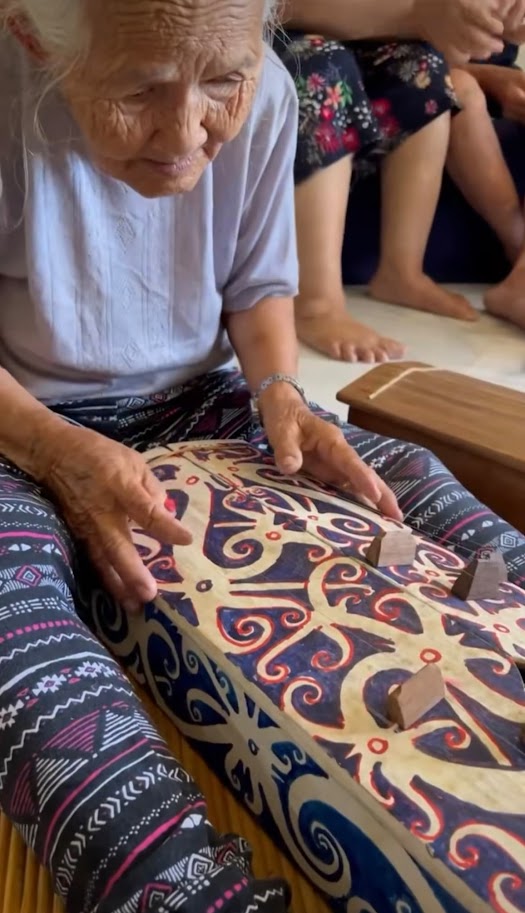
The late Uko Usun was among the Kenyah girls who once plucked the lutong. Today, the lutong is gradually becoming obsolete, a fading tradition that, if not preserved, will become extinct. Known as the female version of the sape, the lutong is an accompanying instrument, meant to complement rather than take centre stage.
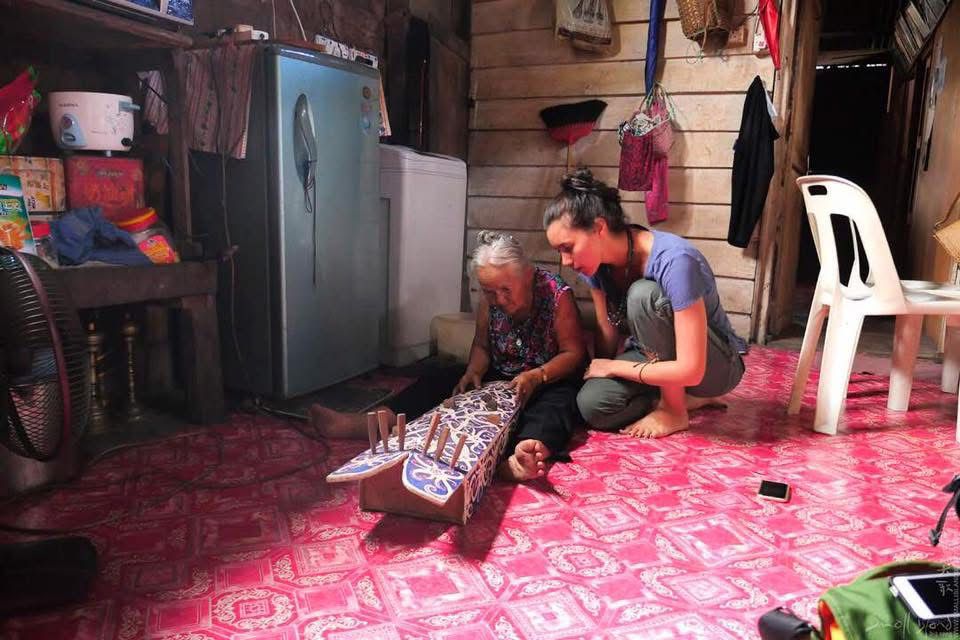
Before her recent passing at the age of 86, Uko Usun had been limited in mobility. But as a teenage girl in her village — Long Banga — she was a graceful lutong player. Learning the art from a village in Long Semiyang, Uko Usun then spent her time honing her skill and often played alongside the sape during celebrations.
Even back then, playing the lutong was not popular. Uko Usun had to craft her own instrument just so she could learn to play with her best friend from Long Selaan. Together, they practised relentlessly until they had mastered it. The lutong then became a common instrument in Long Banga, Long Semiyang, and Long Selaan, with many ladies picking up the musical instrument.
Still, music was seen as a leisure activity — something to be enjoyed during spare moments. The women’s main focus remained on farming and household responsibilities. For them, music was never a livelihood; it was simply a fleeting joy in the rhythm of daily life.

An instrument of grace
When speaking to Uko Usun’s daughter, Cecilia Lawing, she recalled fragments from her childhood, listening to the lutong being played by her mother.
“I grew up watching her play. She would play when relaxing with our longhouse people. I remember her rendition of ‘dut dut diyut’ the most. She usually played alone, or with the sape,” recalled Cecilia.
Asked whether she knew how to play the instrument, Cecilia shared that, as a young girl back then, she only played when her mother was around.
“My father did make one for me. If I had taken it seriously back then, I should have been able to master it. But it’s too late now,” she added, explaining that with her busy schedule, she had never thought to pick up the instrument seriously.
But with renewed hope, she believes the lutong should be revived, especially since it plays a significant role in Kenyah tradition. An instrument of grace, it carries not just melodies but memories of the quiet resilience of the women who once carried it with pride.
A melody from the jungle
Foraging in Lan E’ Tuyang, a plantation in Bau, Ezra Tekola, under the tutelage of Matthew Ngau Jau, has been a sape maker since 2014. He dabbles not only in the sape, but also the nose flute, shields (terabai), and now, the lutong.
Before his in-depth research on the dying musical instrument, Ezra had only ever heard stories and watched videos of people playing it. What piqued his interest to re-create his own version of the lutong was his belief that the string instrument deserves a spot amidst modernisation.
“When the sape became the highlight, especially after women began to pick it up, the lutong gradually became forgotten. Furthermore, it acts as a secondary instrument, rather than the main character. So many regarded it as a boring instrument,” he said when met at Lan E’ Tuyang.
To him, the lutong is an interesting instrument due to the way it is played.
He also noted that there are not many lutong makers, and not every Kenyah village has played the instrument.
“So I asked Uncle Matthew about it, as his village has female players. I also did my research online and realised that there are still many lutong players in Kalimantan. Then, I learned to re-create and play from them.”
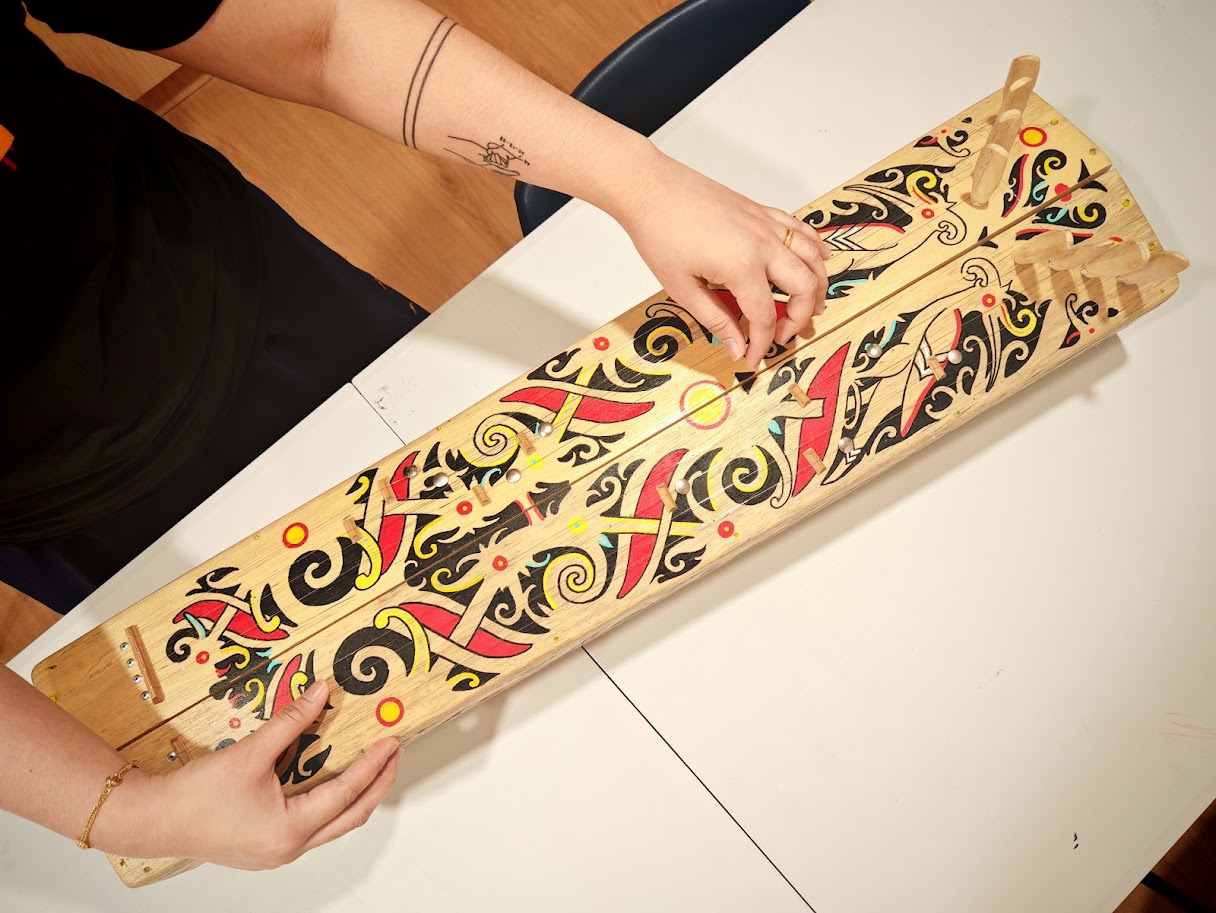
Made of the same wood as the sape, the lutong can be crafted from meranti, adau, engkabang, and others. The choice of wood depends on the player’s preferences, as each type gives off a different sound.
“I personally prefer to use medium-hard wood, as it can create a more melodious and diverse sound. The type of strings used and the width of the wood are also important when building these instruments,” he added.
Crafting the lutong
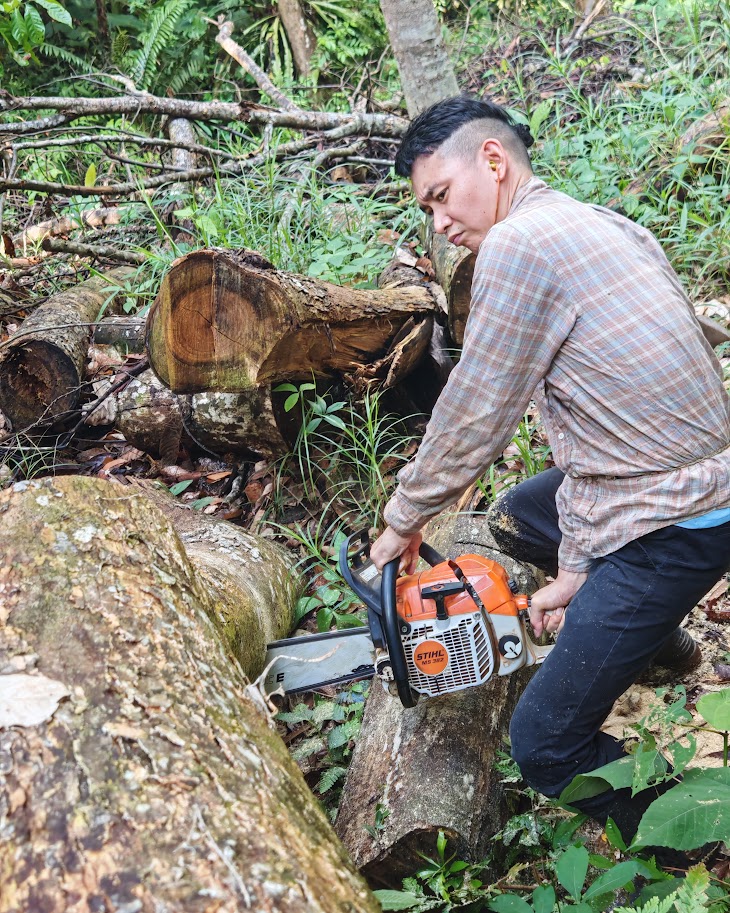
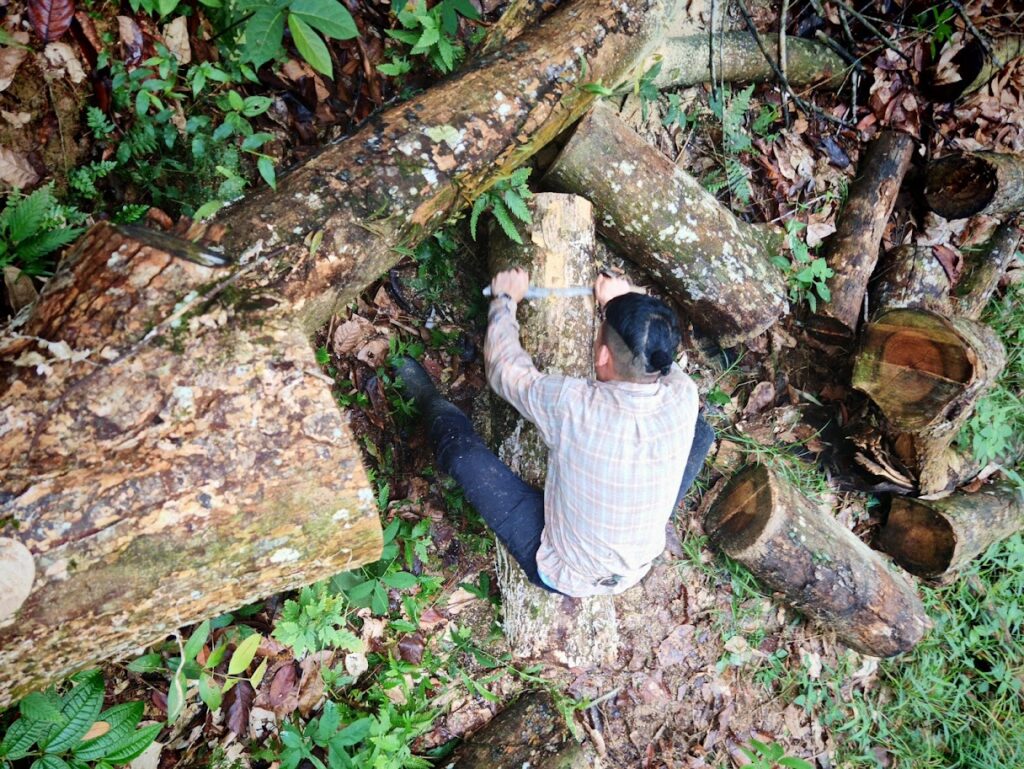
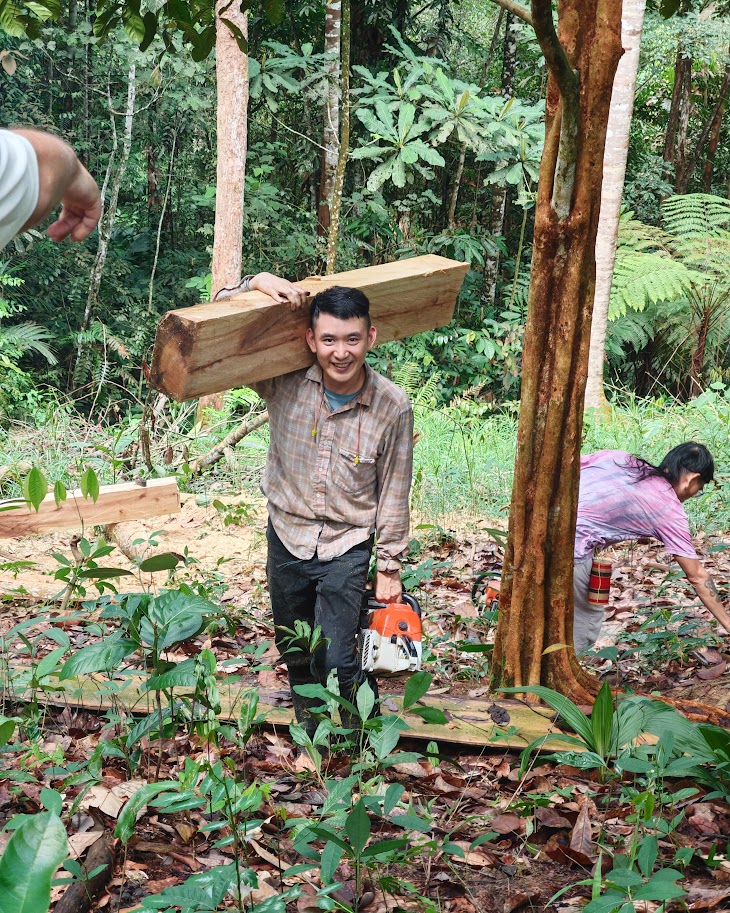
Though there is much to learn about playing the instrument, building a lutong is simpler, according to Ezra. Following the maker into Lan E’ Tuyang to forage for wood blocks, he would first chop down a tree and let it dry for two months.
After the drying process, Ezra would chop the tree into blocks to build the instrument. On average, a tree can provide him with 30 blocks to work with. While a sape requires only one block, two lutong can be made from a single block.
“Unlike the sape, the lutong is made by joining pieces of planks together, whereas the sape requires carving and hollowing from a single block of wood. In one week, I can build two lutong or one sape,” he said.
On the surface of the lutong, Ezra decorates it with elements of Orang Ulu designs such as flora and fauna folk patterns — often the tree of life. He uses colouring mediums like acrylic paint and markers, the same as used on the sape.
Since the traditional lutong is harder to play due to its moving frets, he developed an easier-to-play version after much research and experimentation.
“I changed the wooden pegs to guitar tuning pegs so it wouldn’t easily go out of tune due to vibrations or temperature changes. I also added more strings (from six or eight to 10) so players can play extra notes.”

Call for revival
As he continues to make more lutong, Ezra’s determination in preserving it goes beyond craftsmanship. With every instrument built, he takes a step toward reviving a musical legacy. Through his work, he reintroduces the instrument to the younger generation — giving voice to sounds not heard for decades in Sarawak.
Once an instrument that complemented the sape, the lutong is now on the verge of extinction. Hence, the call for revival is more than necessary — it is urgent. As Sarawak transitions into modernity, it becomes even more vital to ensure that cultural treasures like the lutong are not left behind.
Preserving the lutong is not just about keeping the instrument alive, it is about honouring the womenfolk who played it. For every string plucked, the heartbeat of Kenyah heritage offers a chance for younger generations to reconnect with their roots.
In hopes that the lutong will find its voice once more, not just in echoes of memory, but in the hands of new players. Until then, a melody from the jungle is waiting to be heard again.