As the Lunar New Year approaches, the spotlight turns to the energetic Horse, especially the rare Fire Horse year arriving on February 17, 2026. Known for freedom, speed, and bold action, the Fire Horse brings energy, new opportunities, and personal growth.
Riding into the Year of the Fire Horse
As the Lunar New Year draws near, attention turns to one of the most energetic signs in the Chinese zodiac — the Horse — and especially to the Year of the Fire Horse. This rare year begins on February 17, 2026, and ends on February 5, 2027. It appears only once every 60 years and is linked to strong energy, bold action and major change.
In Chinese astrology, the Horse represents freedom, speed and independence. People born in the Year of the Horse are usually lively, confident and outspoken. They enjoy action, dislike routine and are often good communicators. Horses are also known for their positive attitude and their ability to inspire others.
When the Horse combines with the Fire element, these qualities become stronger. Fire Horses are seen as passionate, charismatic and highly motivated. They often show leadership and are not afraid to try new ideas or challenge old ways. However, their strong energy can sometimes lead to impatience or rushed decisions, so self-control is important.
In the past, the Fire Horse was viewed with caution in some cultures, as it was believed to bring unrest. Today, it is often seen more positively as a symbol of progress, innovation and bold change, if handled wisely.
The coming Fire Horse year is expected to move quickly and bring transformation. It may encourage new business ideas, social change and personal growth. For individuals, it is a good time to chase goals and try something new, while taking care not to act too hastily.
History offers notable examples of influential figures born in the Year of the Horse. Among them is Nelson Mandela (1918), whose life embodied Horse attributes such as resilience, moral courage and an unwavering pursuit of freedom. Other leaders include David Cameron (1966), former Prime Minister of the United Kingdom; Theodore Roosevelt (1858), 26th US President; Franklin D Roosevelt (1882), 32nd US President; and Ron DeSantis (1978), Governor of Florida.
Prominent figures in arts and entertainment born under the Horse sign include Jackie Chan (1954), Paul McCartney (1942), Cindy Crawford (1966), Jennifer Lawrence (1990) and Emma Watson (1990).
The idioms of “ma”
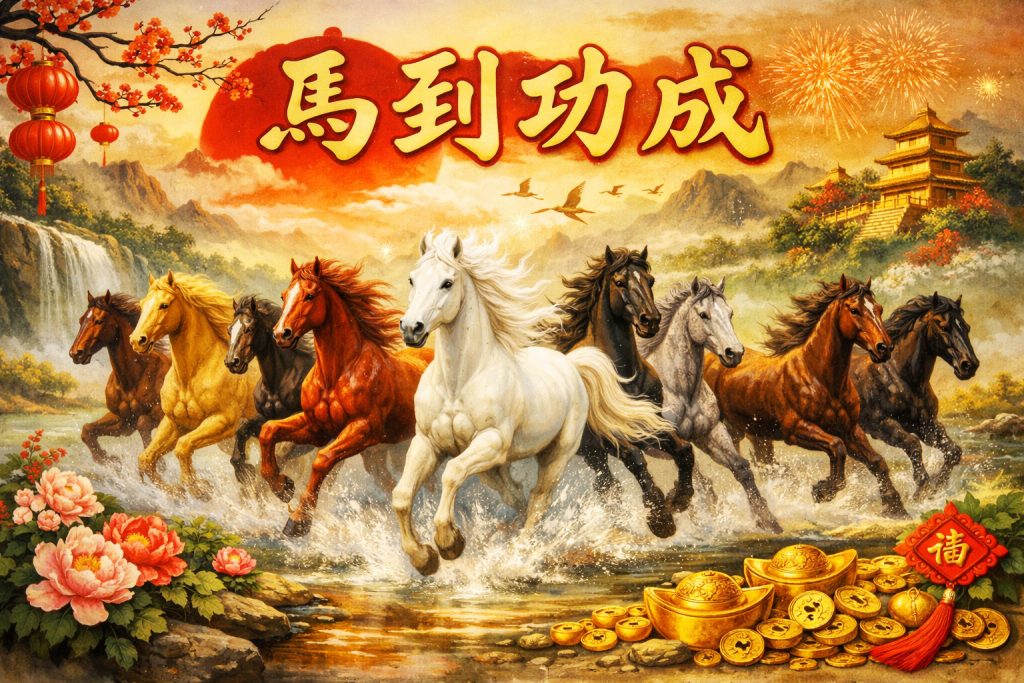
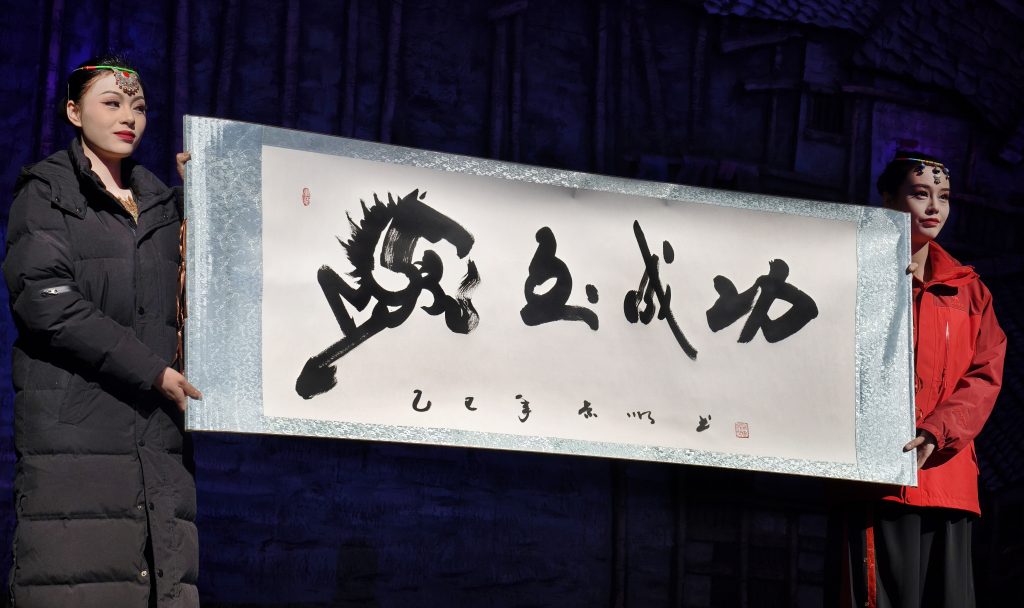
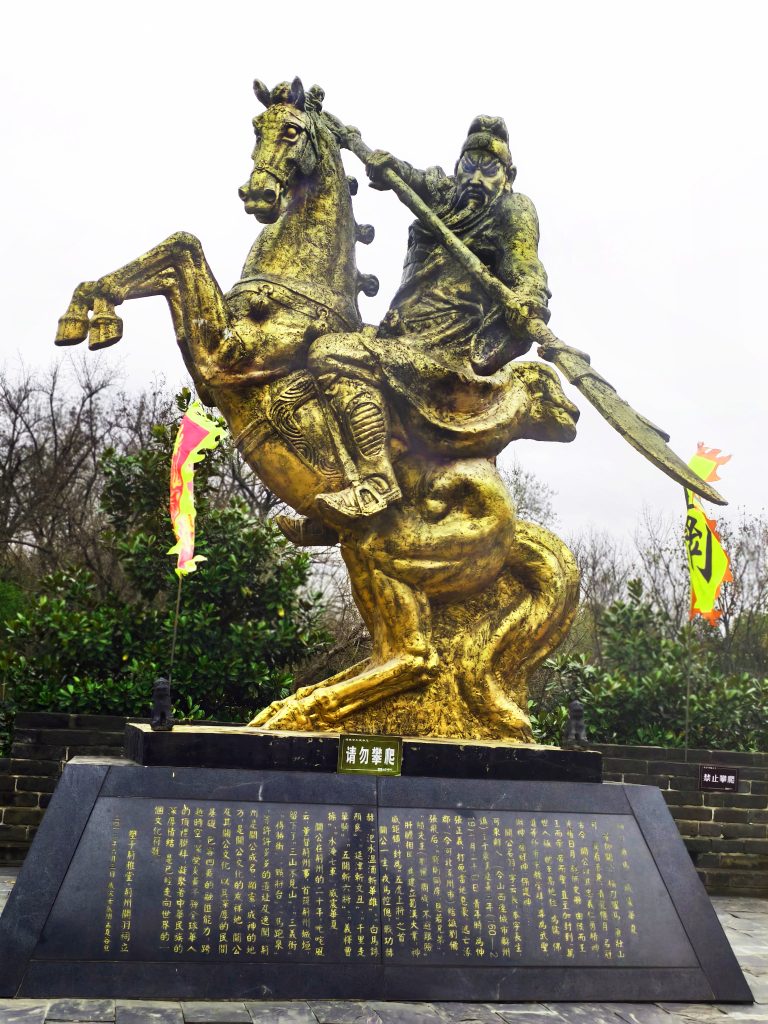
In daily Chinese usage, many idioms feature the word “ma” (horse). Among the most popular are “ma dao cheng gong” or “ma dao gong cheng”, which literally mean “success upon the horse’s arrival”, symbolising a swift, smooth and decisive victory; “long ma jing shen”, meaning “the vigour of a dragon and a horse”, which is used as a blessing for good health, strength and vitality; and “yi ma dang xian”, which means taking the lead or being at the forefront.
Historically, horses played an essential role in transportation, agriculture and warfare. A fine horse was once regarded as a key factor in military victory. In modern times, horses are valued for sport, companionship and therapeutic purposes, including mental health benefits.
Horse racing in Kuching
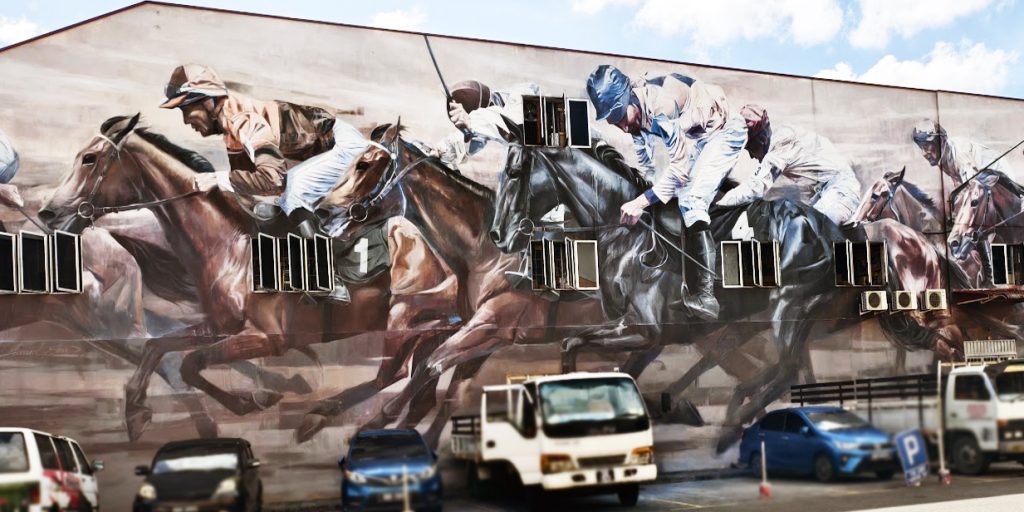
Horse racing has also been an enduring part of Kuching’s social and sporting life since the late 19th century. Introduced around 1890 by Rajah Charles Brooke, a keen horseman himself, races attracted Europeans, local Malay leaders and Chinese businessmen, with many local jockeys involved in training and competition. The former horse-racing ground of the Sarawak Turf Club at Padungan was the focal point of weekend races, where spectators from all walks of life gathered to cheer and enjoy the spirited atmosphere.
The former Sarawak Turf Club at Padungan is now the site of the Kuching South City Council building. The name of the nearby Malay village, Kampung Lumba Kuda, Jalan Lumba Kuda and a primary school known as Sekolah Kebangsaan Lumba Kuda serve as living reminders of the horse-racing history in Kuching.
Today, the tradition continues at the Sarawak Turf and Equestrian Club at Mile 8½, Jalan Kuching-Serian.
A large mural by local artist Leonard Siaw, on the side wall of a shophouse at Lorong 16, Jalan Padungan, now commemorates this heritage.
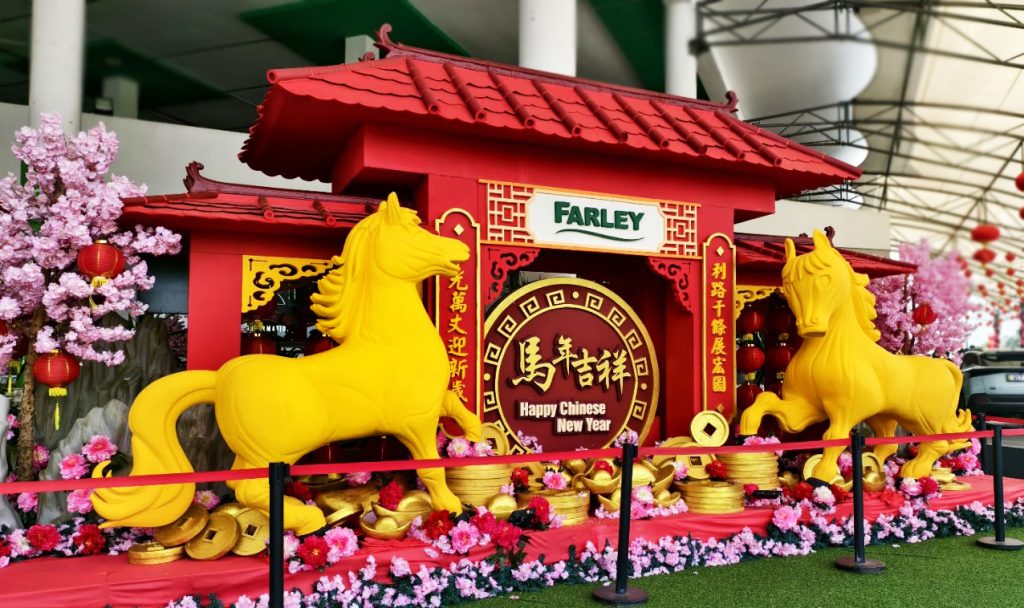
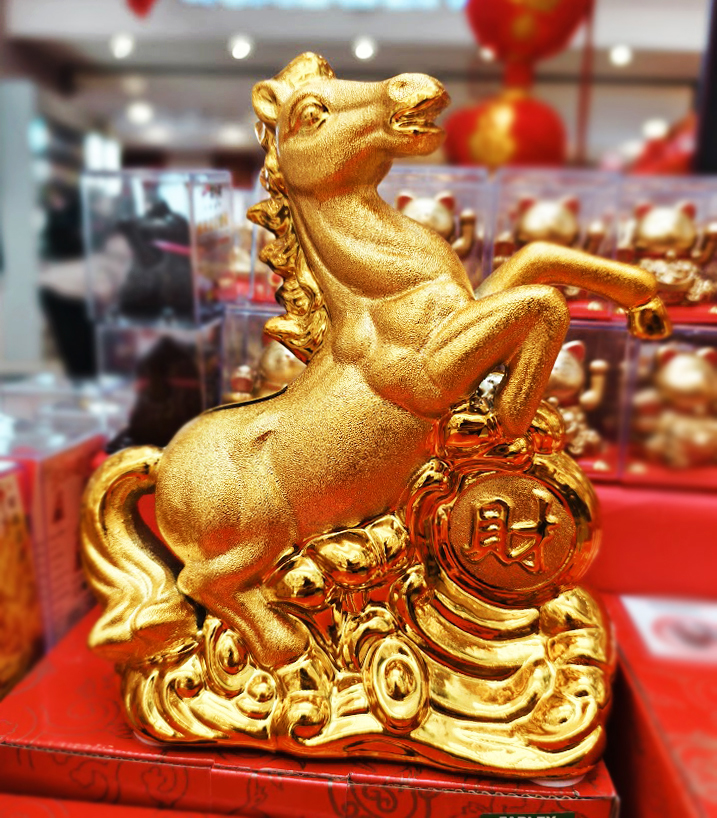
As Chinese New Year approaches, horse-themed decorations across shopping malls add to the festive spirit in Kuching.
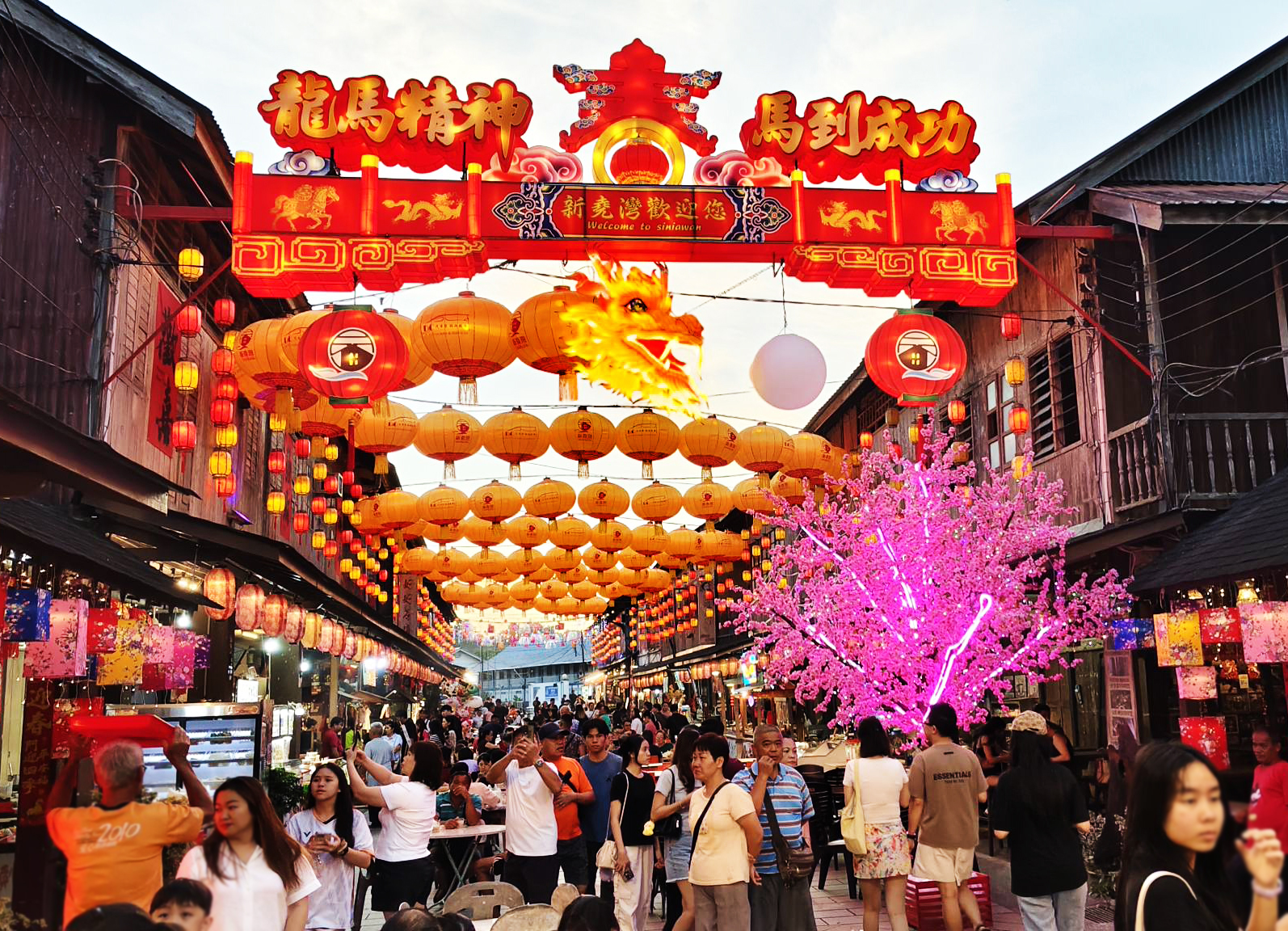
Meanwhile, in Siniawan Heritage Old Town, 20 km from Kuching, lantern decorations featuring a dragon head, as well as an arch displaying the greetings “long ma jing shen” and “ma dao cheng gong”, have become eye-catching features that attract visitors as they usher in the Year of the Fire Horse.