TO me, Japan has always felt like a country that exists in two worlds at once: traditional and modern, side by side, without either one cancelling the other out.
When I was younger, I imagined Japan to be shaped by the kind of things you find in old encyclopaedias and thick reference books, the ones that smell slightly dusty and feel oddly important just because they exist.
Back then, in the 90s, there was no easy access to the Internet, even with the Internet, dial-up connection was not the most reliable. One couldn’t just search for “Japan street style” and instantly see what people wore at the time.
So my imagination filled in the blanks with all sorts of possibilities.
I used to picture streets crowded with women donning their yukatas or kimonos, moving gracefully like characters from an old film.
And for some strange reason, I also imagined men looking like Edo-period samurais, perhaps because every “Japan” section in those books came with paintings of warriors, castles, and ancient rituals, as though that was the whole country frozen in one era.
As I grew older, geography gave me a more realistic map of what Japan actually is. The Internet helped, too, not just because information became easier to find, but because it became easier to see Japan for all that it is rather than as one single stereotype.
Japan wasn’t just “Japan”. It was 47 prefectures, each with its own rhythm, history, dialects, food, and personality. It was old temples and new pop culture. It was solemn traditions and also the kind of “relatively new” culture that spreads globally with surprising speed.
The more I read up about Japan, Tokyo, the country’s capital was one of the first places that challenged my old assumptions.
It is also one of the most heavily populated places in Japan, where over 14 million people live and over 500 million visitors visit, and where crowds feel like part of the city’s identity.
Just imagine, what would Tokyo be without the crowd?
From there, I learnt that Tokyo became the pulse of the country: the place where Japan’s modern face shines the brightest. Maybe, Emperor Meiji had the right idea when he moved the capital from Kyoto to Edo, which was later named Tokyo in 1868.
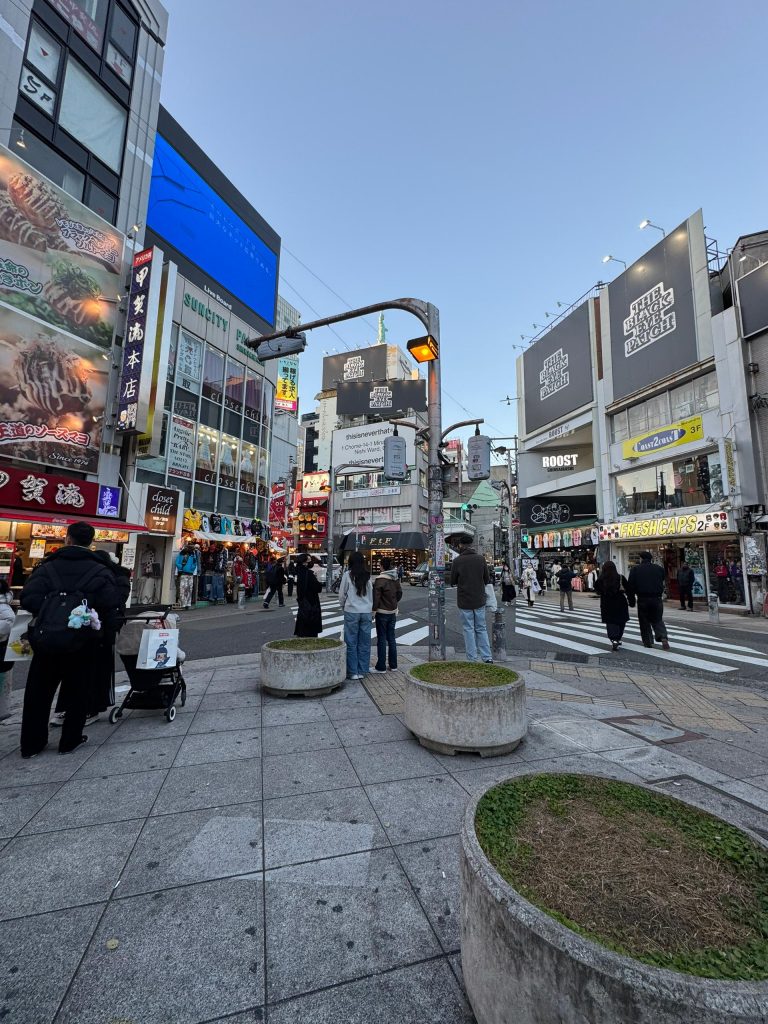
And yet, even Tokyo isn’t as simple as “modern”. If you look closely, it’s a collage. People dress like ordinary city dwellers, coats, scarves, work suits, but ever so often you’ll spot pockets of expression: a cosplayer in a fashionable district like Harajuku or Shinjuku, someone dressed in bold streetwear, a group of youths who turn walking into a performance.
It’s easy to assume Tokyo is a city made mainly for the young, because youth culture is so visible there.
But Japan, as a whole, is an ageing society, and that reality is present too; in the quieter pace of older commuters, in elderly couples navigating the city with calm certainty, or working in a fast food restaurant like McDonald’s, in the way ageing feels normal rather than hidden.
That contrast changed my perspective. Japan wasn’t “all traditional”, and it wasn’t “all futuristic” either. It was both, and what made it charming, at least to me, was the way it preserved its history while still evolving.
The past didn’t feel like a museum exhibit. It felt like something Japan carried with it, even while moving forward. In other words, the Japanese were still living in a historical setting while adjusting to the modern world.
Some of what I learned about Japan came from reading and history, of course, but if I’m being honest, a lot of it came from anime.
People often assume that anime is just entertainment, something light and escapist. But if you watch carefully, you realise how much everyday Japan is stitched into it.
Animators and manga artists don’t just create stories; they embed lifestyle, manners, food, landscapes, architecture, festivals, school culture, city sounds, and even small habits into their work of art.
Through anime, I learned what narrow streets looked like at night, how trains shape daily life, how shrines appear quietly in neighbourhoods like they’ve always belonged there.
Anime didn’t replace real learning, but it opened a door. It made Japan feel closer, more familiar, and strangely personal even before I ever set foot there.
So when my family decided to go to Japan for a family trip, I went into research mode, not in a strict, academic way, but in a very ‘me’ way. I was on and off the Internet, getting some information from good old Google and TikTok, rewatching old anime, hoping to catch details that might guide my planning.
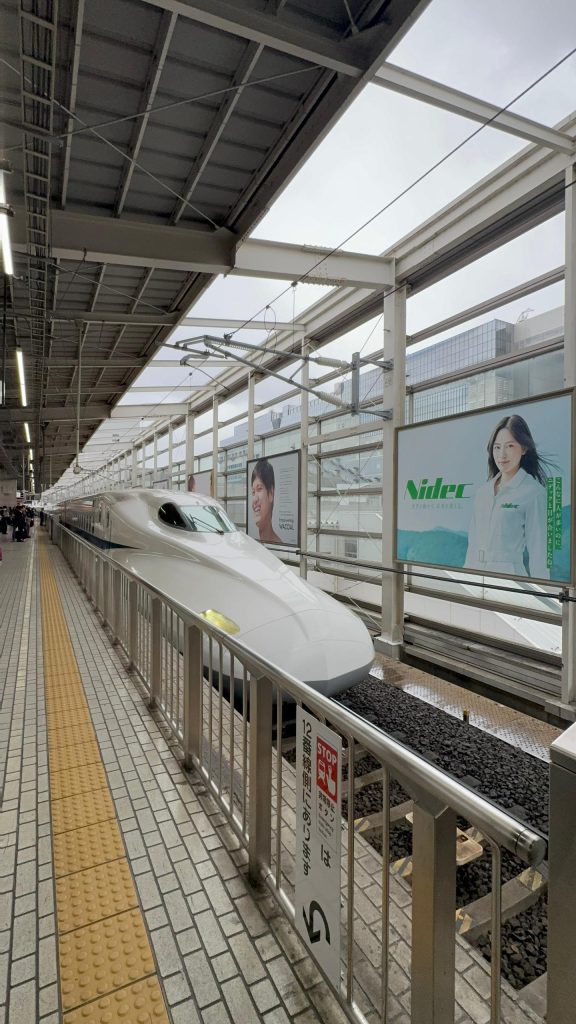
If I’m honest, I wasn’t just hunting for places to buy anime merchandise. I was hunting for connection. I wanted to understand Japan beyond what I thought I knew. I wanted to get up close and personal, to see the country not as a concept but as a real place filled with real people.
Even though I didn’t fully know what I was going to experience, I knew one thing for sure: I was finally going to the Land of the Rising Sun; the country I had dreamed of visiting for as long as I can remember.
As departure got closer, my excitement turned into something almost ridiculous. I started with counting days. Then days became hours. Then minutes. Every small delay felt louder than it should have. I could feel myself hovering between reality and anticipation, as if my mind had already arrived in Japan while my body was still stuck in the waiting!
When we finally flew into Osaka’s airspace, it was still dark outside. I wasn’t seated by the window, but I could tell from the open window shade of the passenger across from me; the kind of darkness that feels like the world is still asleep.
And when we landed, it started to feel surreal.
The moment I stepped off the plane, the cold hit me first. The 8°C air grazed my face like a firm reminder telling me, “you’re not imagining this anymore. You’re here.”
The temperature may have been a simple thing, but it carried so much meaning.
Probably, for me, reality landed harder than the plane did.
And that was when the excitement returned, stronger than before. Not the “counting down” excitement, but the kind that makes your chest feel light and tight at the same time. The kind that makes everything feel surreal.
There I was standing on Japanese soil and for a moment, I couldn’t believe it was real. But it was.
In Osaka, there was a warmth that felt immediate and unpretentious. The city carried an openness that made it easy to breathe. People moved with purpose, but not with haste. Conversations felt louder, laughter more frequent, expressions more visible. Shopkeepers spoke casually, smiles came easily, and there was a sense that Osaka did not try too hard to impress, it simply existed as it was. Even in crowded places, there was humour in the air, a liveliness that made the city feel human rather than overwhelming. Osaka felt modern, yes, but it remains humble in spirit.
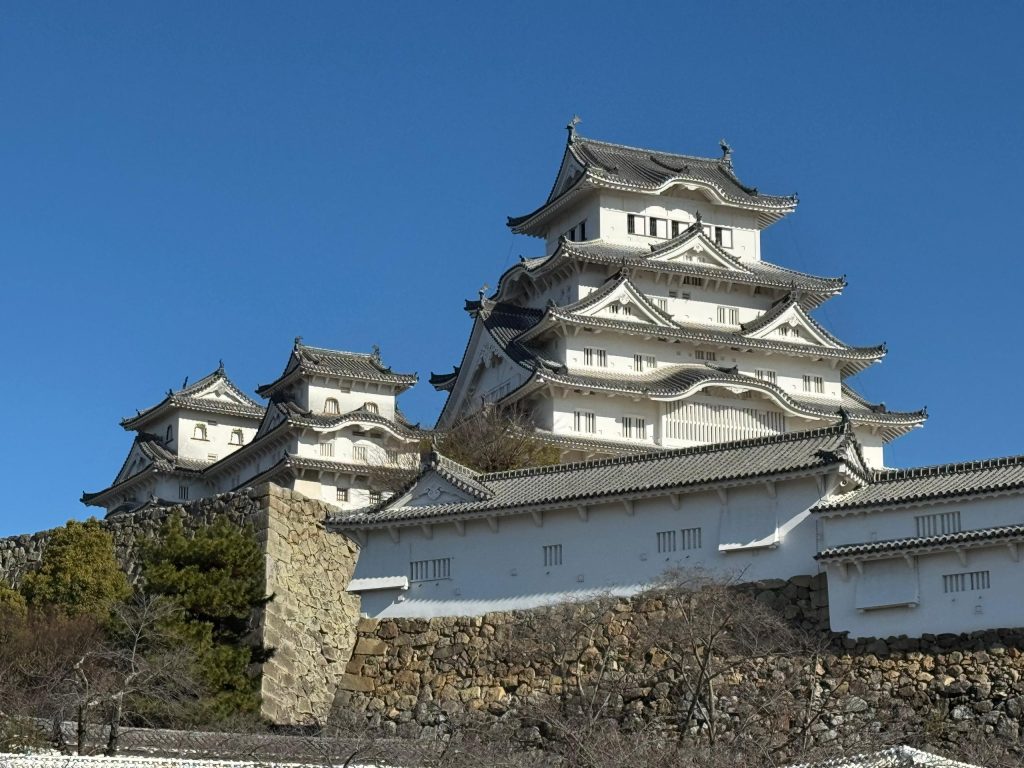
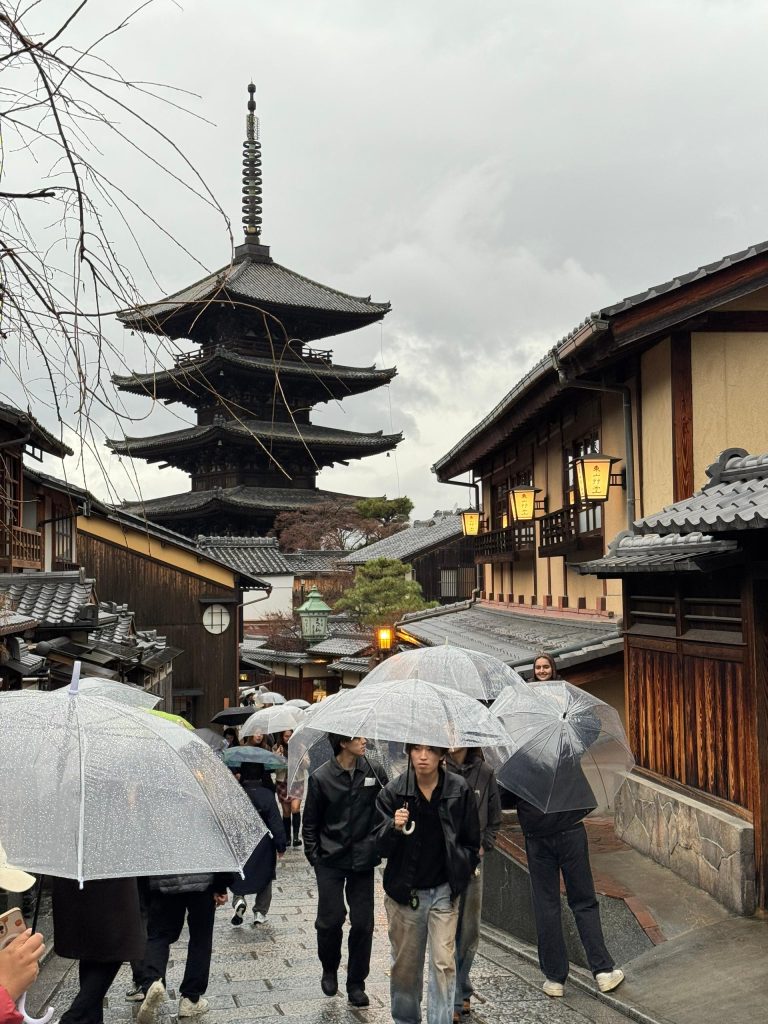
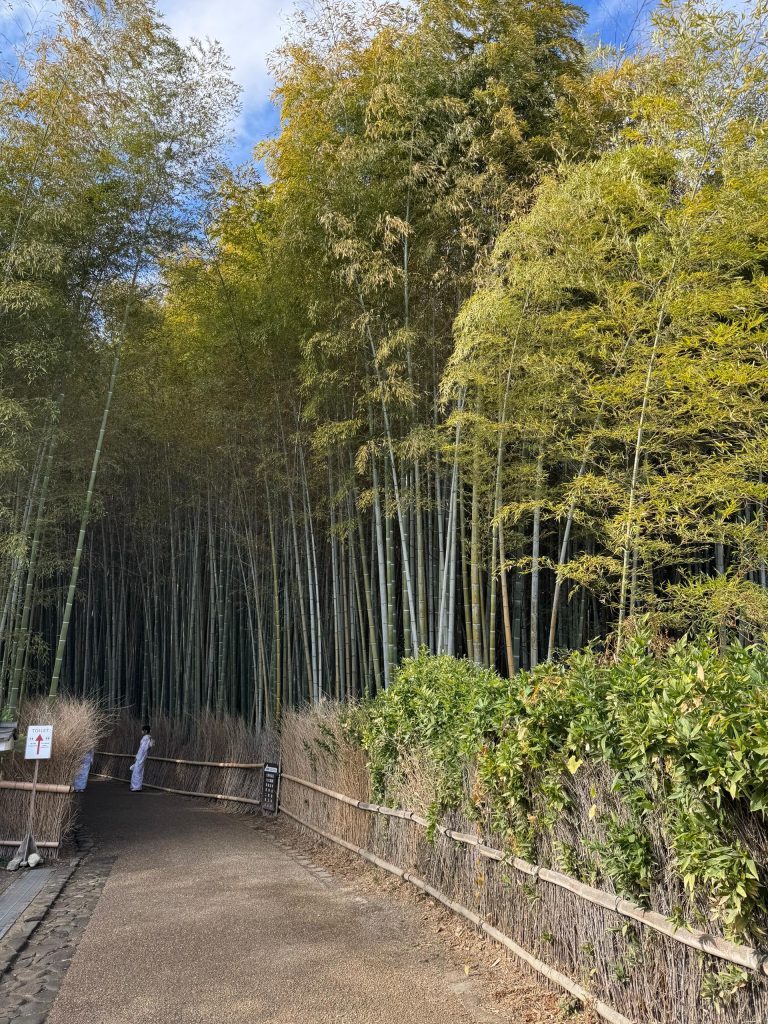
Kyoto, however, felt like a quiet exhale. The beauty there did not announce itself; it waited patiently. It revealed itself in details, the way light filtered through the bamboo of the Arashiyama Bamboo Forest, the careful placement of stones in a garden, the gentle curve of tiled roofs. Kyoto carried elegance without arrogance. Time seemed to soften there. The city did not rush, nor did it demand attention. It felt like it simply asked for stillness. While walking through Kyoto, it felt like being invited to observe rather than consume, to appreciate rather than to document. It was a gentle reminder that beauty does not need noise.
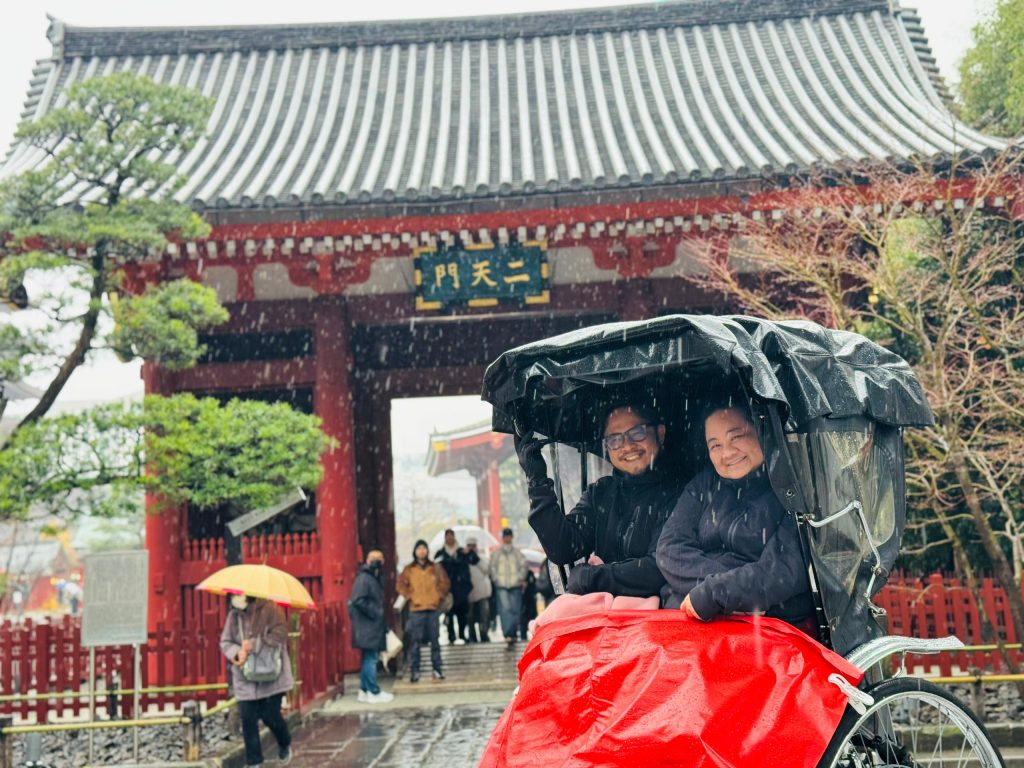
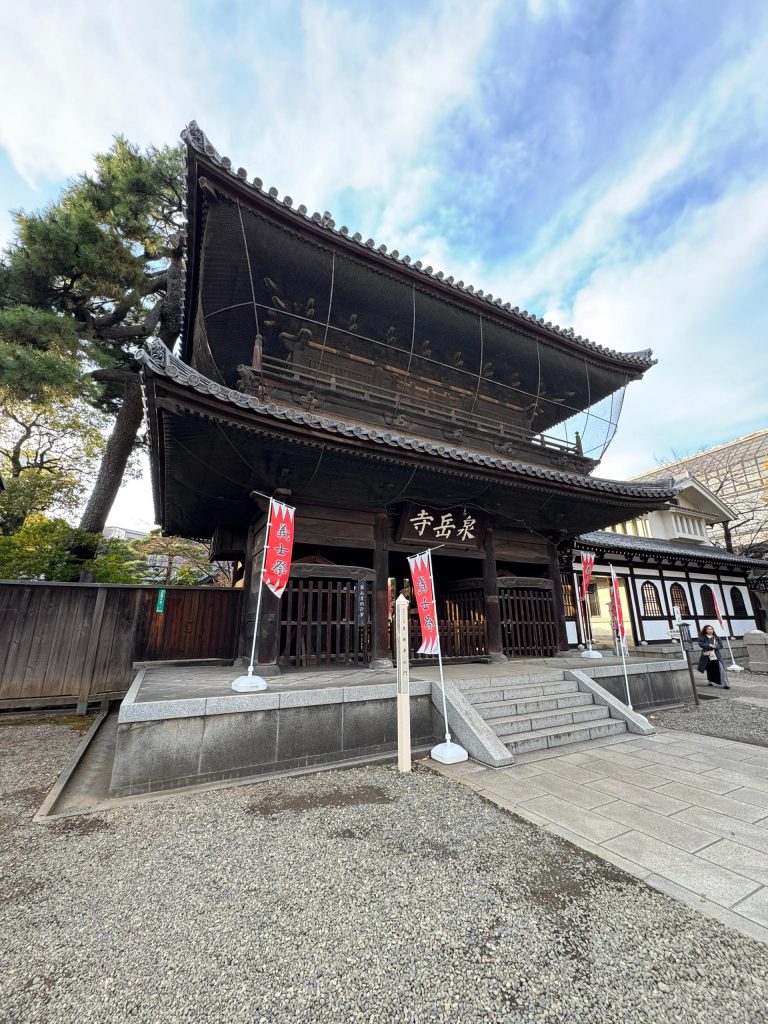
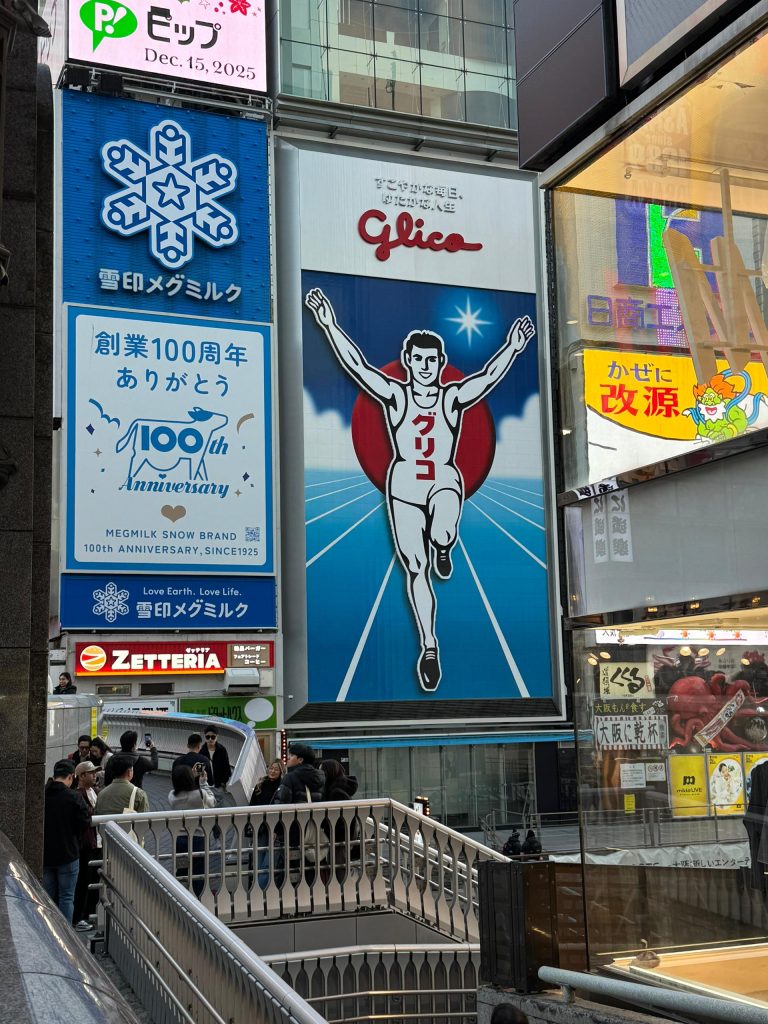
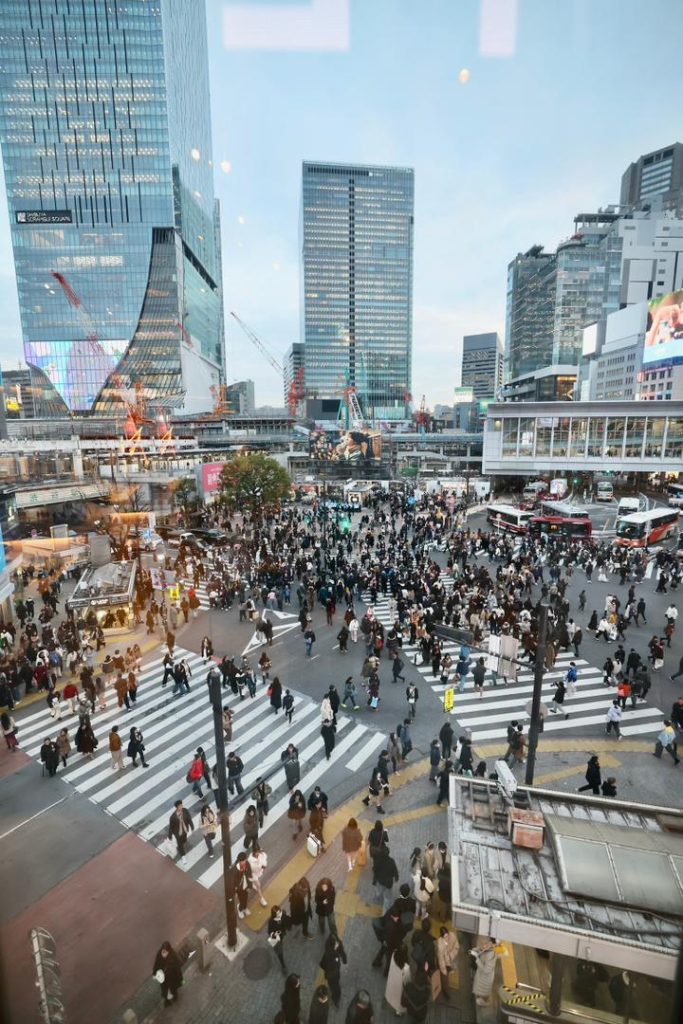
For me, Tokyo was overstimulating, unapologetic, endlessly alive. The streets pulsed with movement, sound, colour, and light. Crowds flowed like currents, yet somehow never collided. Tokyo felt like a living organism, one that never truly rests. Despite the chaos, there was order just like the famous Shibuya Crossing. Despite the noise, there was rhythm. It was overwhelming, but also fascinating. Tokyo did not try to calm you; it dared you to keep up.
And then there was Fujisan, which sat on the border of two prefectures, Shizuoka Prefecture (to the south) and Yamanashi Prefecture (to the north).
Unlike the cities, this beautiful lady did not demand attention at all. She simply existed, serene, distant, and powerful. When she revealed herself, it felt like a privilege rather than a sighting. When she hid behind clouds, it felt intentional, almost gentle. Fuji was not dramatic. She was grounding. In her presence, everything else felt smaller, quieter, and less urgent. She reminded me that nature does not need to perform to be magnificent.
Between all these places were the everyday details, these were the things that quietly defined Japan for me.
However, one of the many things that fascinated me most about Japan was the vending machines providing people hot and cold drinks. They were everywhere! Whether it was outside train stations, beside narrow streets, even in secluded back alleys, and what amazed me was not their abundance, but their condition. They were clean. Undisturbed. Trusted. Even in the quietest corners, they stood untouched, as though the idea of vandalism simply did not belong there.
Then, there were konbinis, appearing almost every hundred metres, like small anchors of reliability. No matter where you were, there was always light, warmth, and food nearby. They weren’t just convenience stores; they were part of daily life. A place to pause. A place that quietly took care of people, locals and foreigners alike, providing for their needs.
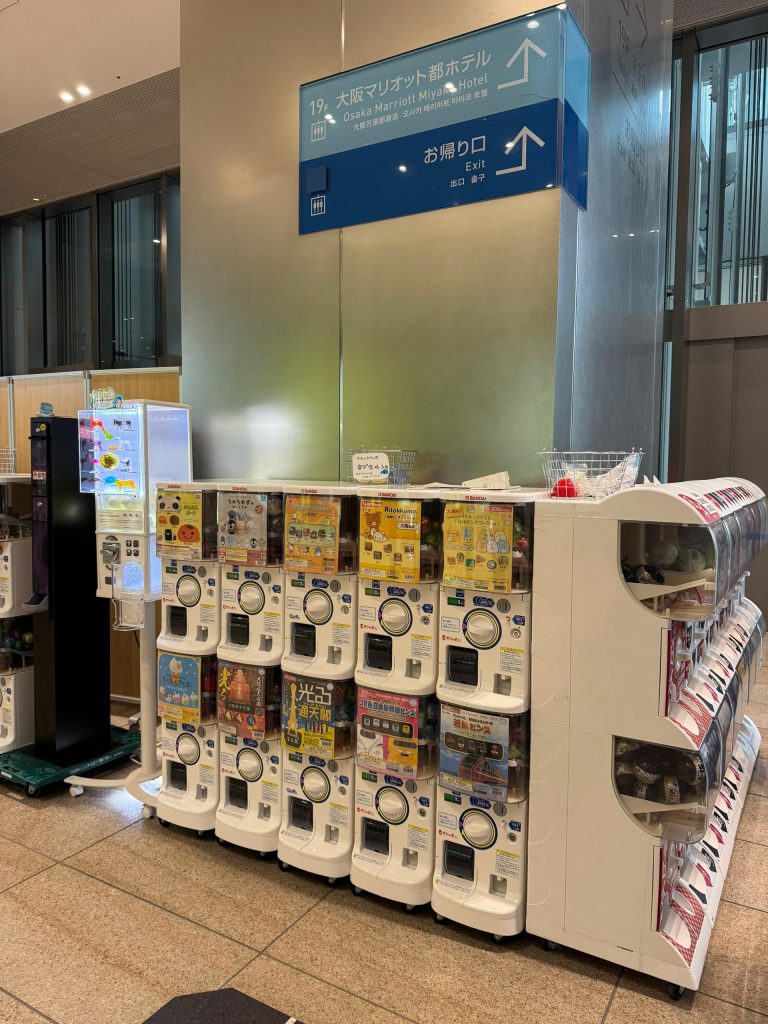
And of course, the gachapon machines, which were everywhere. In shopping malls, on quiet streets, tucked into corners of buildings. They felt playful, slightly absurd, and oddly addictive. There was something charming about a society that allowed space for whimsy, even in its most structured environments.
If I were to be honest, even the smoking zones surprised me. Despite being enclosed smoking areas or designated rooms, the smell was never overpowering. Everything felt managed, considered, and contained. It was another small reminder that even indulgences here came with boundaries.
In the end, Japan felt less like a country of contradictions and more like a country of balance. Modern but respectful. Busy yet intentional. Playful but disciplined. Loud cities and quiet mountains coexisting without conflict.
It wasn’t just what I saw that stayed with me, it was how everything felt carefully thought through, down to the smallest details.
Japan didn’t just function. It considered.
And perhaps that is what lingered the longest: the quiet understanding that progress does not have to erase tradition, and order does not have to remove warmth; they can simply coexist.