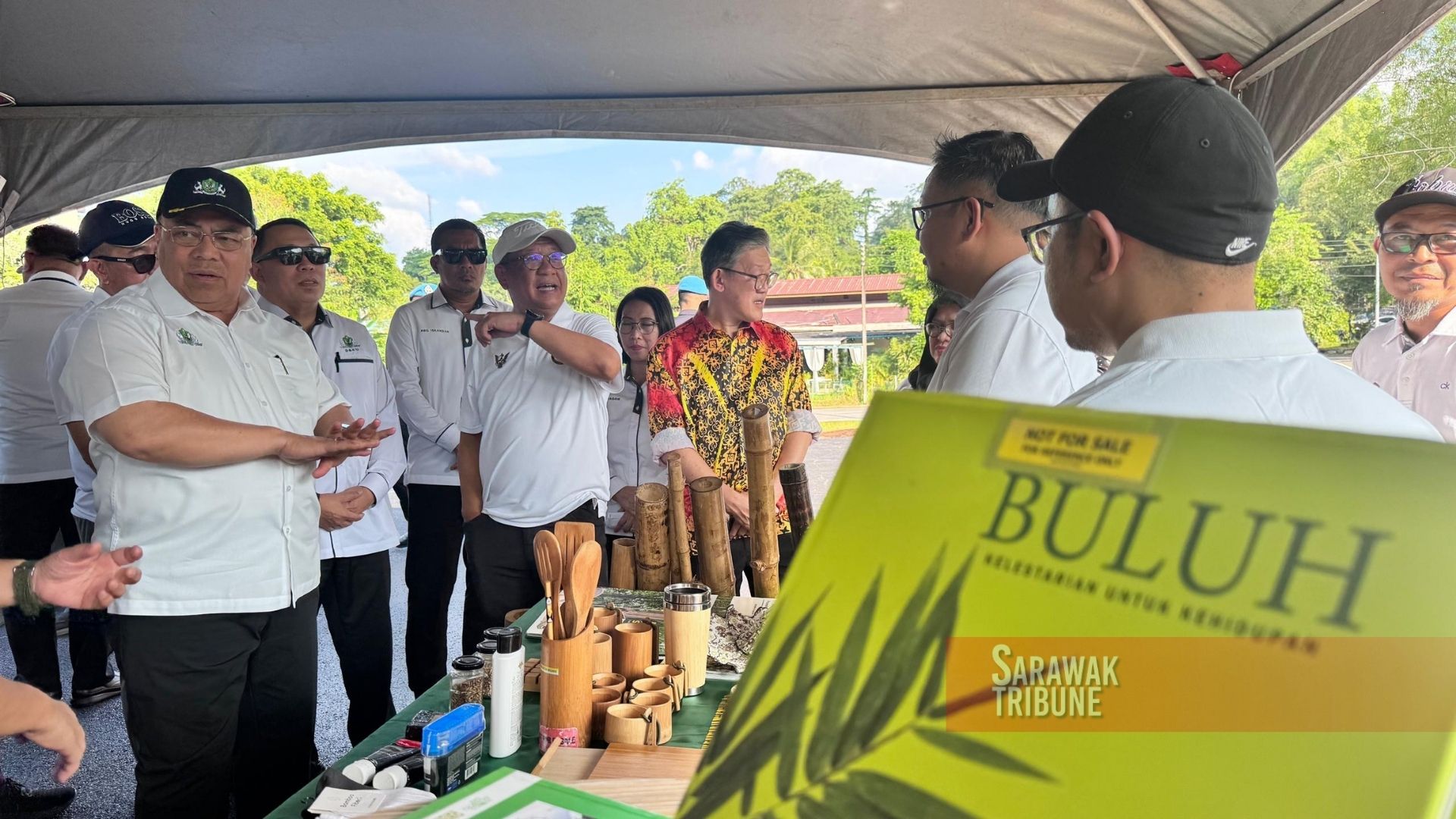
KOTA PADAWAN: The method used to measure poverty rates in Sarawak must be reassessed, as it should not rely solely on eKasih data, said Tourism, Creative Industry, and Performing Arts Minister Datuk Seri Abdul Karim Rahman Hamzah.
He said the current system has flaws, particularly in classifying individuals without a fixed income as poor, even if they generate substantial earnings from agriculture or business ventures.
“The data obtained from the Central Database Hub system (PADU), which is based on eKasih data, does not reflect the actual economic reality.
“For example, under eKasih, a farmer or fisherman without a fixed salary but earning RM10,000 per month is still considered poor. This is why we have always stressed the need to restructure the system.
“Although Sarawak is a resource-rich state with significant financial reserves, if they still wish to provide assistance, we welcome it,” he said when speaking to reporters at a breaking-of-fast event with residents of the Narcotics Addiction Rehabilitation Centre (PUSPEN) Kuching on Tuesday (Mar 4).
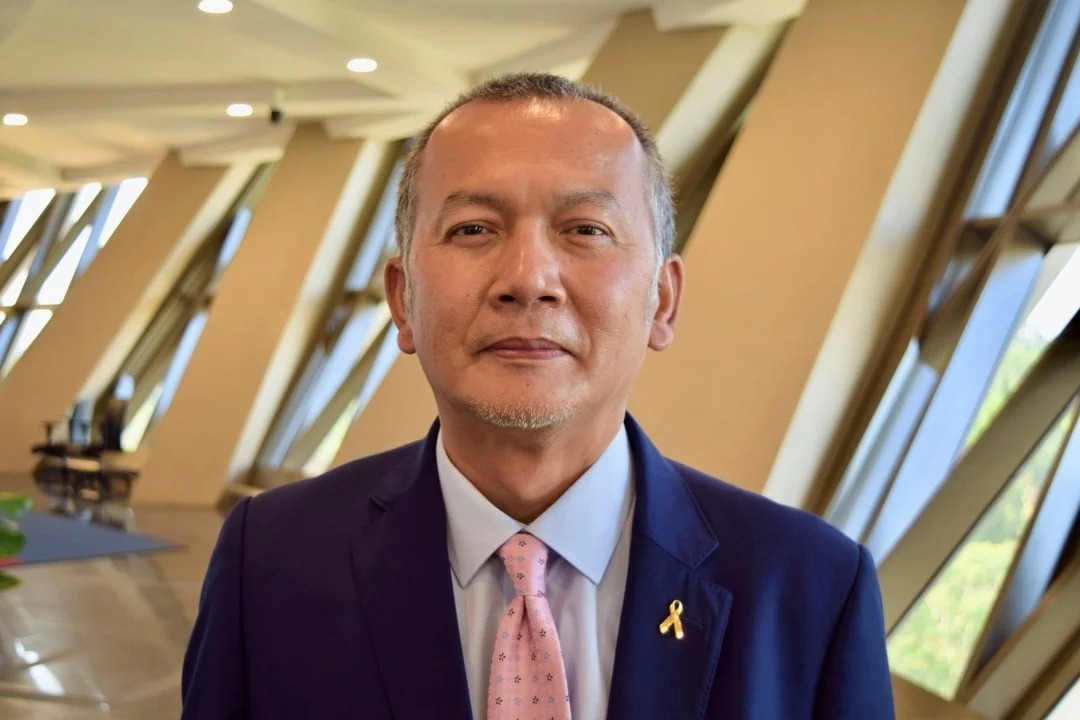
His remarks come in response to Economy Minister Datuk Seri Rafizi Ramli’s recent statement that the six poorest states — Sabah, Sarawak, Kelantan, Terengganu, Kedah, and Perlis — must take proactive steps to reduce the poverty gap rather than relying solely on large federal allocations.
Rafizi noted that since 2021, these six states have received significantly higher allocations than others.
“I hope efforts to bridge this gap are not left entirely to the federal government, as this is a shared responsibility that each state must shoulder.
“With close cooperation, we can attract more investments and businesses. If the focus is solely on closing the poverty gap, then requests for large federal allocations, which have been ongoing since 2021, will persist indefinitely.
“However, there are no clear signs that this gap is narrowing. My recommendation is for state governments to take a proactive approach by establishing a business-friendly economic framework that can be developed collectively,” he said.