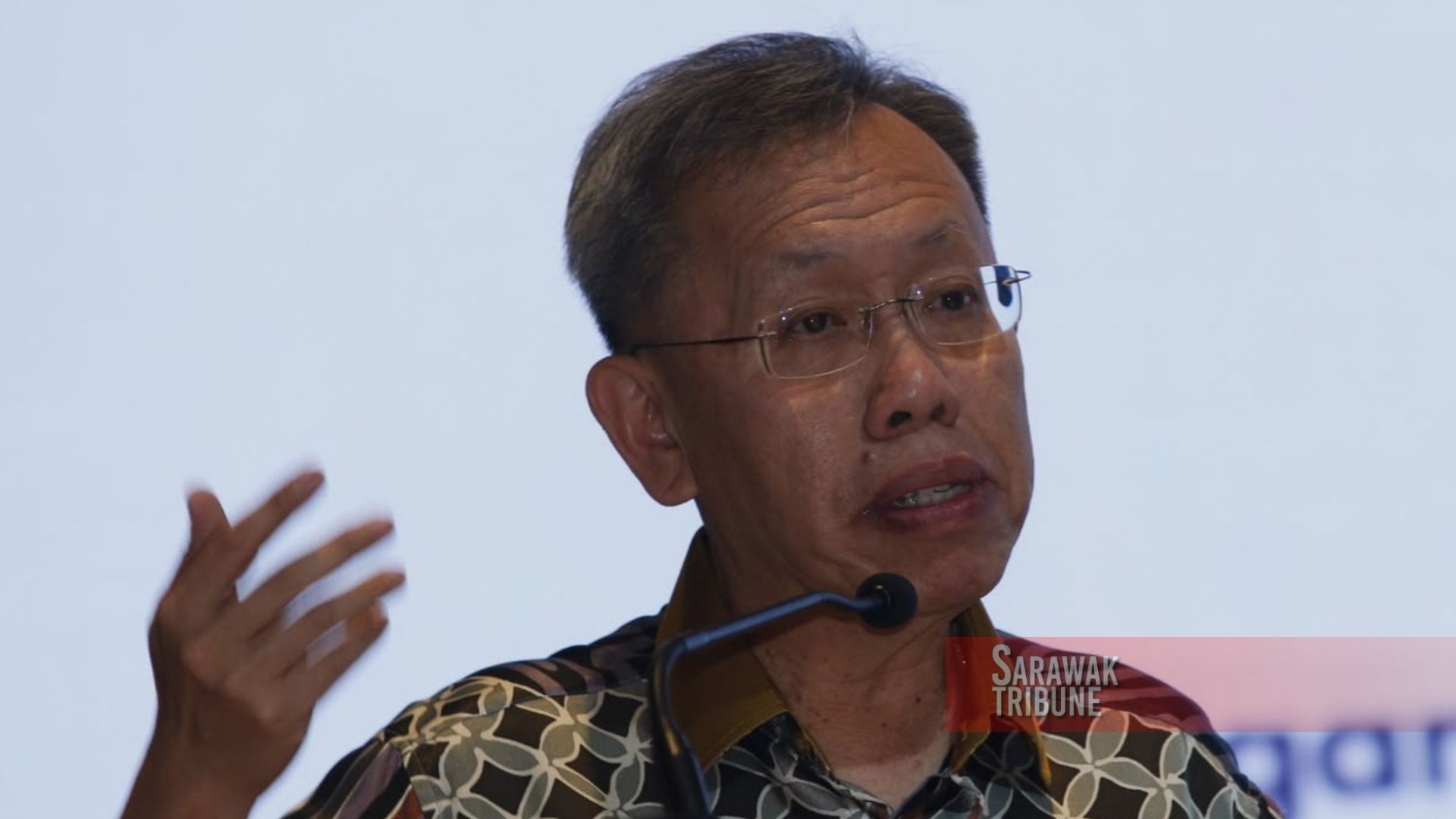
KUCHING: Artificial intelligence (AI) and quantum computing could drastically accelerate drug discovery by harnessing Sarawak’s rich biodiversity, opening opportunities for new treatments, particularly for diseases such as cancer.
Deputy Premier Datuk Amar Dr Sim Kui Hian said the technologies could shorten research processes that previously took decades to just hours.
He said he recently officiated at a conference on AI in healthcare, supported by Johns Hopkins University in the United States, where experts discussed the use of quantum computing in drug discovery.
“One of the experts from the United States spent 19 hours flying from Hawaii to Sarawak to study Sarawak’s biodiversity.
“They identified 14 compounds through this technology. One showed strong potential as a drug for a particular type of cancer after analysis and modification.
“More interestingly, the modification did not alter the compound’s original side-effect profile,” he said.
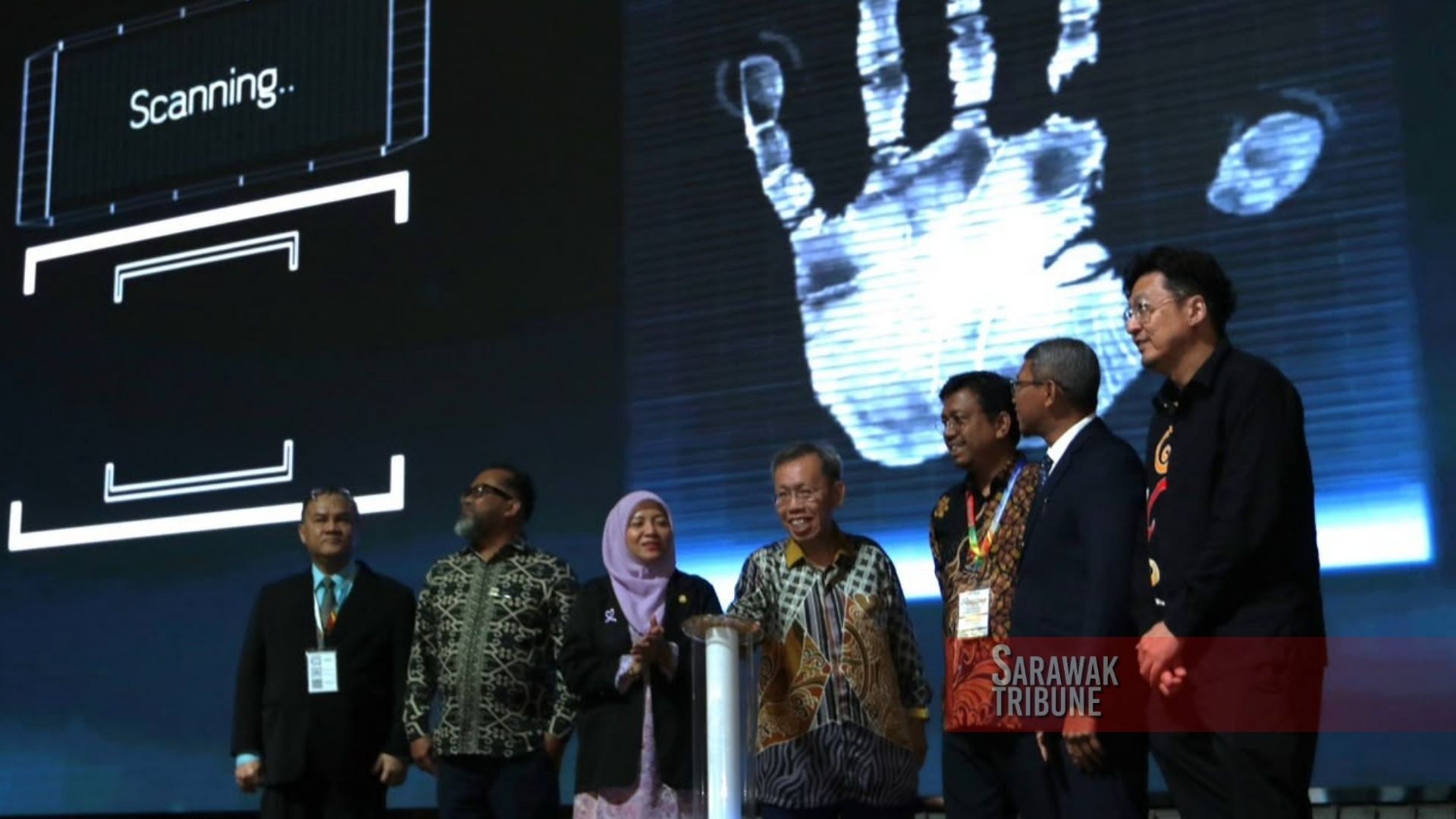
He said this when officiating at the 5th International Biohealth Sciences Conference (IBSC) 2026 at Kuching Waterfront Hotel here today.
Dr Sim, who is also Minister for Public Health, Housing and Local Government, said Sarawak had about 125,000 compounds catalogued in the state’s repository.
Studying all the compounds through conventional research methods could take up to 100 years, he said.
“With quantum computing, however, the same analysis can be completed in just 19 hours, although it costs about USD120,000 (RM490,512),” he said.
Dr Sim said advances in AI and quantum computing demonstrated how scientific progress could be translated into tangible healthcare benefits.
He said the conference theme, ‘Precision Health: Integrating Science, Technology and Care for Personalised Well-being’, underscored the challenge of translating laboratory research into treatments that benefit patients.
“The theme may sound simple, but moving from ‘bench to bedside’ is actually very difficult. Those who say the process is easy do not understand the real challenges,” he said.
He added that laboratory researchers played a role just as important as clinical personnel, as every medical innovation and treatment began with scientific discovery.
He also mentioned that without laboratory research, there would be no treatment at the patient level and although researchers may not receive the same attention, their contributions are equally important.
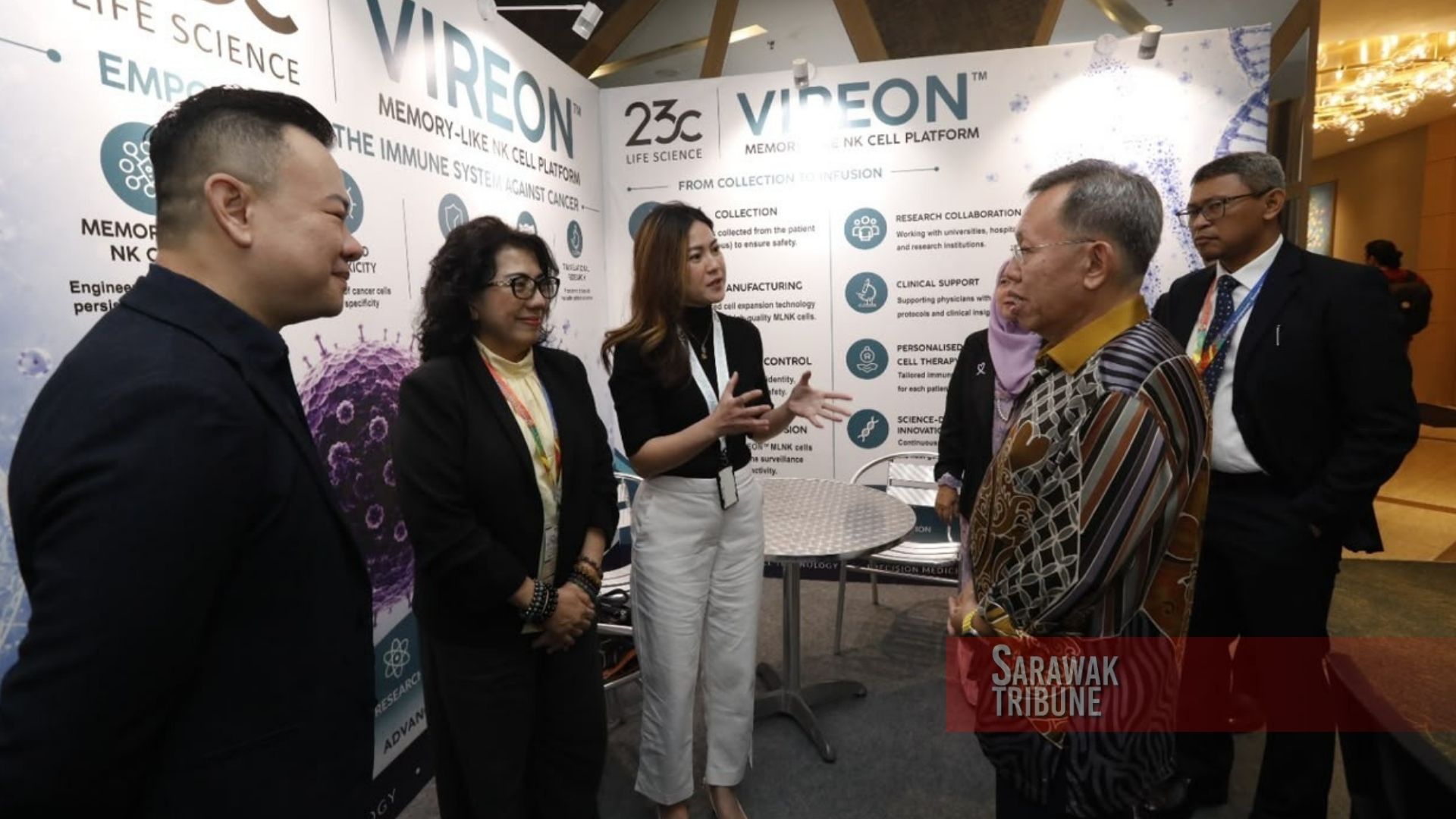
The conference brought together researchers, healthcare professionals, industry representatives and students from Malaysia and abroad.
It also featured the ‘Cancer Symposium: Borneo Chapter’, focusing on challenges and solutions related to cancer care in Borneo.