DRIVERS in Kuala Lumpur spend an average of 25 minutes searching for a parking space, a delay that clogs roads and fuels illegal parking, according to the Integrated Smart Public Parking System for Malaysia study.

The same pressures are now building in Sarawak’s cities, with Kuching South City Council (MBKS) raising concerns that parking demand is outpacing supply in key areas.
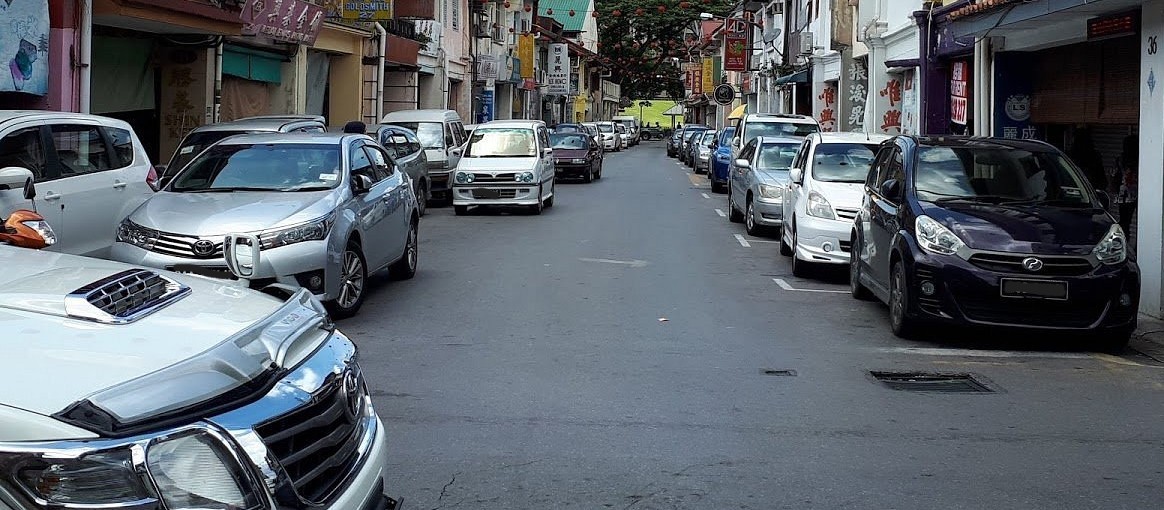
Its Mayor Datuk Wee Hong Seng said these hotspots in Kuching often become congested during peak hours, with double-parking and blocked roadways adding to daily frustrations.
“The biggest parking and congestion challenges include insufficient parking spaces in high-demand areas leading to illegal parking and traffic bottlenecks.
“Kuching is growing rapidly, with increasing tourism, business activities, and population, and urban mobility remains a key focus for our administration. Our goal is to build a sustainable, efficient, and resident-friendly city,” he said.
Adding on, he said part of the problem lies in how parking is currently managed.
Outdated parking systems
Wee noted that shortages in the busiest zones continue to drive illegal parking and slow traffic, especially in commercial areas and near schools during peak hours.
“Our city has seen a surge in vehicles due to economic expansion and tourism, leading to overflows in areas like markets and hospitals.
“Traditional on-street parking with scratch coupons is outdated and inefficient, often resulting in enforcement issues.
“We’re actively addressing this through expansions but demand in the city centre and other high-density areas continues to strain capacity, highlighting the need for more integrated solutions,” he said.
He added that the council frequently receives feedback on parking availability and ease of use.
He shared that common complaints include a lack of spaces during peak times, confusion with the scratch coupon system, illegal parking blocking access, and difficulties for visitors unfamiliar with local rules.
“Residents often express frustration over fines for minor violations and the inconvenience of manual payments, while tourists highlight challenges in finding spots near attractions.”
In response to these challenges, MBKS has begun rolling out a mix of traffic and parking measures.
Steps to ease congestion
To improve traffic flow and parking access, Wee said MBKS has expanded dedicated bus lanes, deployed traffic wardens in school zones, and is planning park-and-ride facilities to encourage public transport use.
“We will be collaborating with the Commercial Vehicle Licensing Board (CVLB) to address specific hotspots.
“Additionally, the Integrated Logistics Infrastructure Development programme is underway statewide, with Kuching pilots for better traffic management.
“We are also studying public transportation accessibility levels to inform future upgrades,” he said.

Smart parking and private sector partnerships
Wee said the council’s broader strategy includes replacing the scratch coupon method with a Digital Smart Parking system by the end of this year.
“This system will incorporate licence plate recognition for better management, along with user apps for cashless payments,” he said.
He pointed out that innovations like ticketless parking systems using mobile apps and licence plate scanning, already in use at malls such as The Spring Shopping Mall Kuching, Vivacity Megamall and CityONE Megamall, offer significant value.
“These systems reduce queues, minimise errors, and enhance user convenience through cashless, automated processes.
“They also provide data for better space management, which we see as a model for public council parking facilities. By enabling payment through an app and reducing the need for on-site transactions, they cut down idle time and help curb illegal parking.
“We’ve seen positive public feedback on these solutions, which complement our push for sustainable mobility.”
He said the council takes a collaborative approach to working with the private sector on urban transport, aiming for mutual benefits where private innovations align with public goals such as sustainability and equity.
“Apps and smart systems for parking are part of this direction,” he said.
He added that stronger cooperation could come through data-sharing partnerships, scalable technologies like licence plate recognition and mobile apps, and alignment on shared goals such as reducing emissions.
“For everyday conveniences like parking, this means faster and more convenient payment, better availability, and time savings for drivers,” he said.
Yet, these measures address only part of the problem, as urban planning experts said that parking and congestion issues cannot be solved through local council efforts alone, as the roots run deeper than parking management.
Urbanisation and car dependency
Universiti Malaysia Sarawak (UNIMAS) Faculty of Social Sciences and Humanities Deputy Dean for Industrial and Community Engagement and urban planning specialist Khalid Zanudin said the rising urban population in cities like Kuching and Miri is driving up private vehicle numbers.
“With urbanisation in these areas growing rapidly, more commercial areas and buildings have been developed, becoming weekend focal points for urban communities.
“Our city planning was originally designed for private vehicles rather than public transport and pedestrians, so people are used to depending heavily on their cars.

“As a result, parking in commercial areas is often congested,” he said.
Earlier patterns of urban development in Kuching and Miri, he explained, were focused on low-density layouts dominated by landed housing.
He added that this contributed to urban sprawl, increasing the distance between homes and workplaces and pushing more people towards private vehicle use.
“However, we are now seeing a shift towards more high-rises and mixed-use developments in the main city areas such as Kuching.
“I believe this is largely due to the depletion of urban land banks, which has pushed up the value of land in these areas,” he said.
This shift in development patterns, however, has not been matched by improvements in public transport and walkable infrastructure.
The lack of integrated public transport and well-connected pedestrian walkways, he noted, is a major factor.
“Without an effective public transportation system, complemented by good-quality pedestrian walkways, we will keep facing parking congestion, especially in some commercial areas.
“I believe only a few commercial areas and buildings face this issue due to people’s preferences for the retail and services available there,” he said.
Infrastructure lag and planning gaps
Khalid said population and urban growth are outpacing the provision of roads and parking, leading to persistent congestion, especially during peak hours.
“Building new roads and parking spaces can only provide temporary relief, as the number of cars will keep increasing,” he said.
He pointed out that mobility and parking are often handled as separate issues, even though they are closely linked in contributing to today’s transport and environmental challenges.
“The lack of coordination between agencies and departments can lead to siloed approaches, with different bodies referring to different guidelines and ending up with disconnected solutions,” he said.
Risk of inaction
Khalid said that failing to address traffic and parking congestion would have consequences far beyond mobility.
“Congestion, including parking shortages, will not only harm the environment through higher carbon emissions, it will also affect our quality of life.
“People will spend more time on the road and have less time with their families or communities.
“This strain on daily life can reduce mental well-being and productivity which potentially makes individuals socially disconnected from their communities,” he said.
Transit-oriented solutions
Khalid said tackling parking congestion requires shifting the focus from adding more parking spaces to reducing reliance on private vehicles.
He explained that depending on private commercial buildings to meet parking needs is a short-term fix that encourages more car use and adds to congestion.
“Even though it is part of the requirement for buildings, including commercial ones, to provide parking, it only invites more private vehicle use,” he said.
Instead, he urged local authorities and planners to integrate public transport networks with high-demand commercial areas, supported by pedestrian-friendly access.
“In fact, future urban development should focus more on transit-oriented and mixed-use projects to ensure people have good access to public transport, as well as higher walkability,” he said.