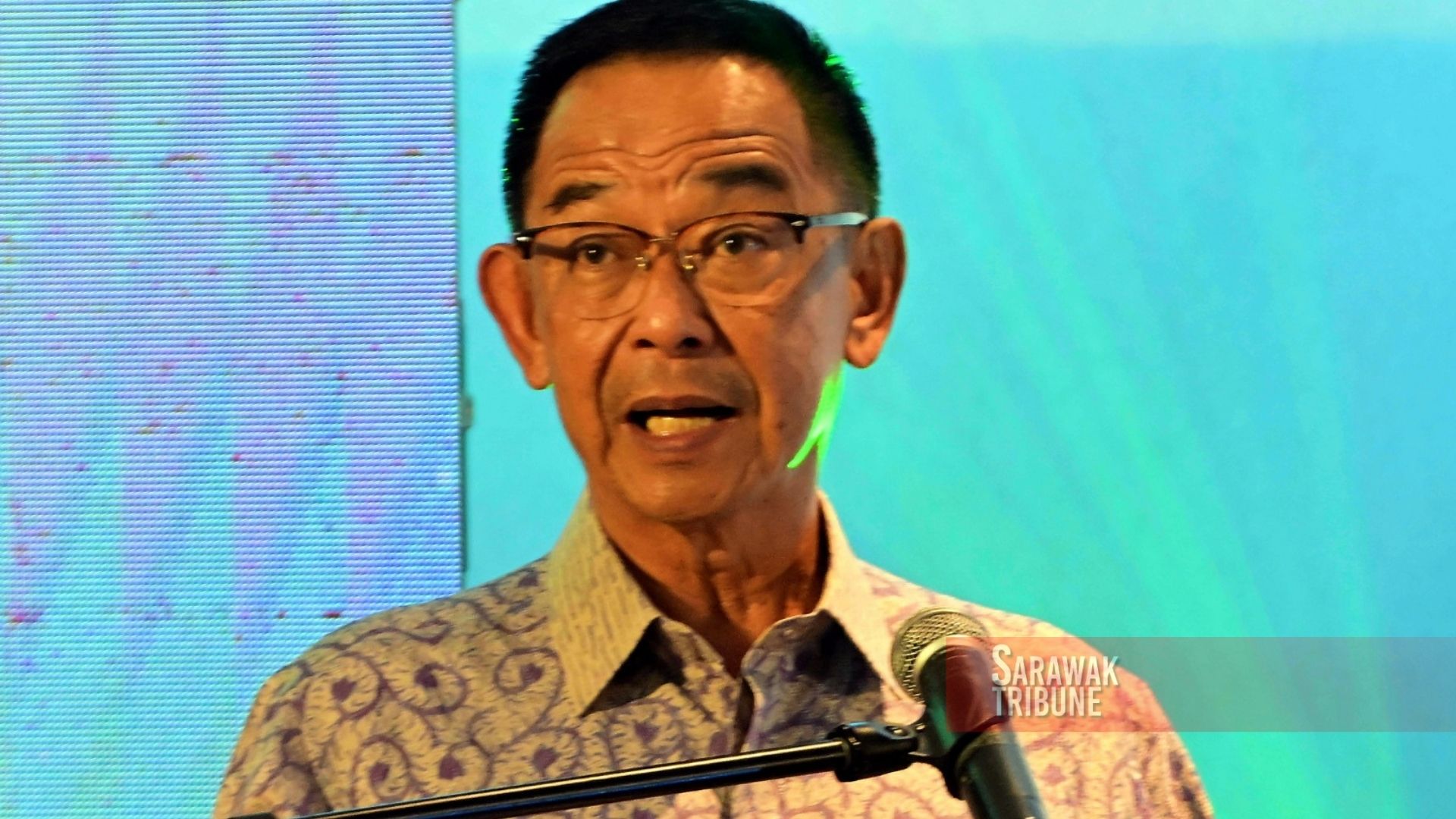
KUCHING: Modern technology should be harnessed as a catalyst for the development of literature and not viewed as a threat to literature and humanity.
Tourism, Creative Industry and Performing Arts Minister Datuk Seri Abdul Karim Rahman Hamzah said technological advancements had created vast opportunities for literary works to reach wider audiences beyond geographical boundaries.
However, he added that one of the biggest challenges was sustaining young people’s interest in literature amid social media, online games and short-form dramas.
He said the declining interest of young people, or Gen Z, in reading materials across various fields, including literature, called for new approaches to be explored.
“Literature needs to be brought into spaces that are close to the lives of the younger generation.
“We need to bring literature to digital platforms, social media, podcasts, short-form video content, interactive games and various new mediums that form part of their daily ecosystem.
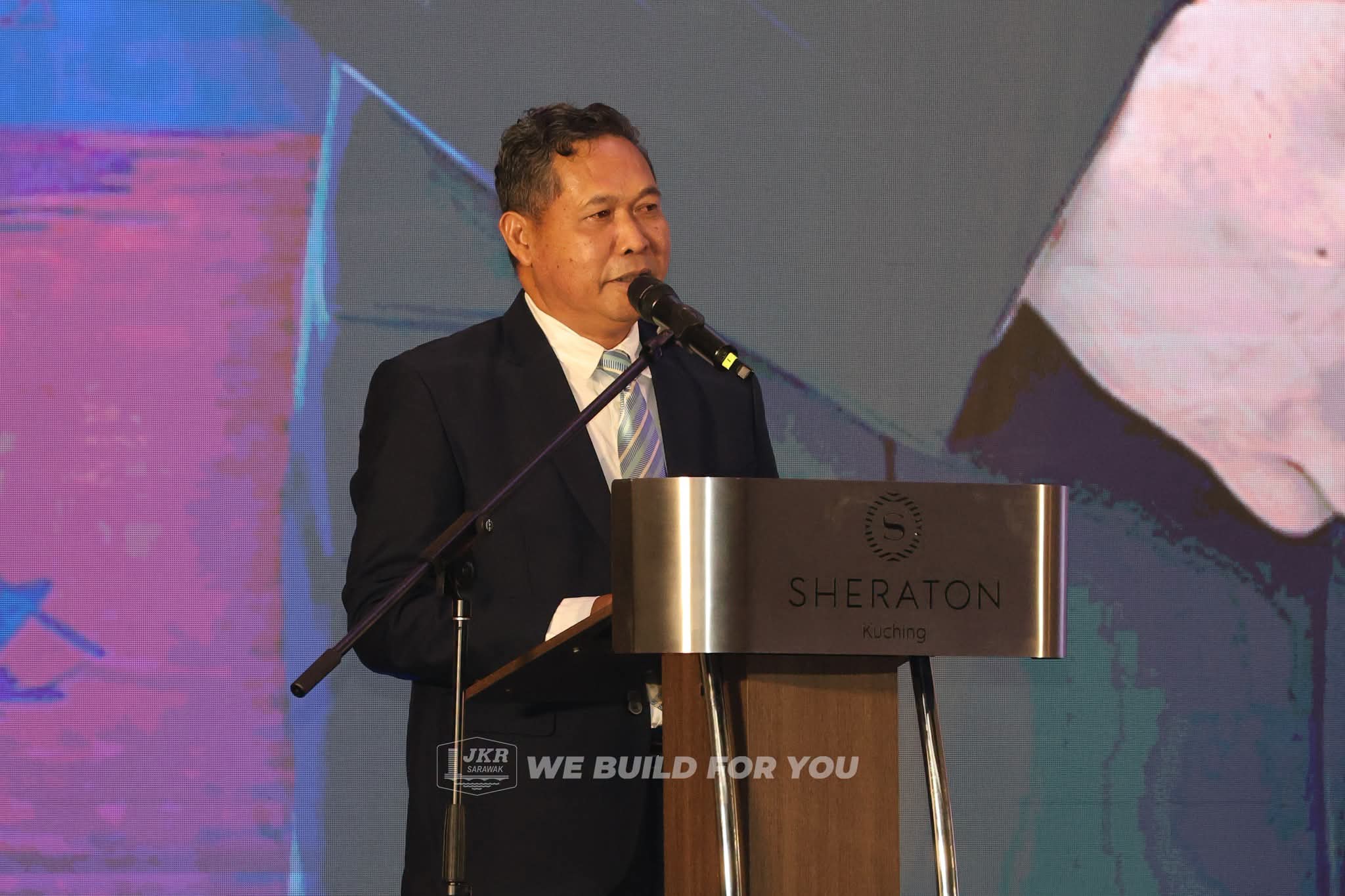
“We need to show that literature is not something distant or difficult, but something that is alive, relevant and closely connected to their experiences,” he said in his speech when officiating at the opening of the 30th MASTERA Conference and the presentation of the 10th MASTERA Literary Awards at a hotel here on Tuesday (Sept 22).
Abdul Karim also said educational institutions, language and literary bodies, universities, publishers and the writing community also needed to work together to produce more young writers, researchers, translators and literary critics.
He added such efforts were important to carry forward the intellectual traditions of the region.
“The Nusantara region is rich in cultural, linguistic and traditional diversity. This diversity is not an obstacle; instead, it is a source of strength, shaping our identity and enriching our literature,” he added.
In this context, Abdul Karim said Mastera has a highly significant role as a platform for regional cooperation.
He said the writing programmes, seminars, research, publications, translations and literary recognition initiatives carried out over the years have successfully brought together writers and scholars from various countries to strengthen Southeast Asia’s literary network.
“I hope that this 30th session will produce more strategic initiatives to strengthen the translation of regional works, expand cross-border publishing, harness digital technology and further promote the internationalisation of Southeast Asian literary works.
“Technological changes create opportunities for the region’s finest works to reach and be explored by people around the world, and to be translated into major world languages so that the voices and ideas of the people of this region can be heard internationally,” he said.