KUCHING: With Malaysia among the countries facing rising obesity rates in Southeast Asia, the conversation around healthy eating has never been more urgent, especially when affordability remains a concern for many households.
In this Q&A, dietitian and nutritionist Hui Ying Law shares practical, budget-friendly strategies for maintaining a nutritious diet without overspending.
Sarawak Tribune: What are the most affordable foods that still provide balanced nutrition?

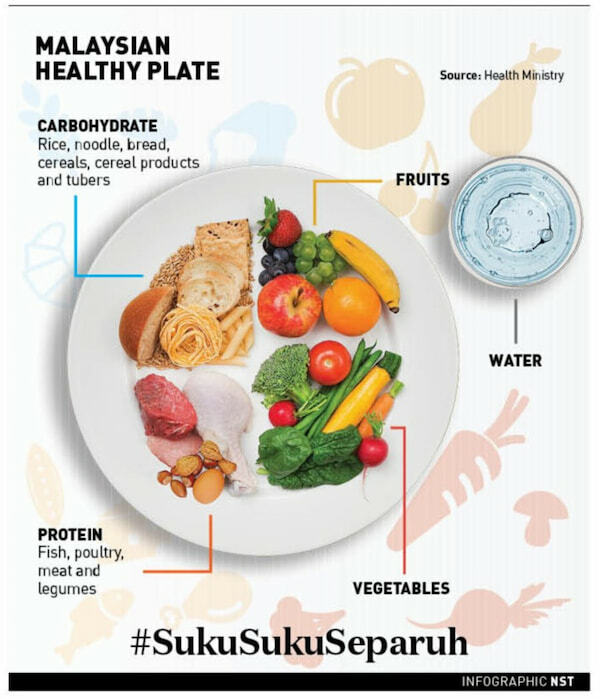
HUI: There is no single food that provides all the nutrients our body needs. Healthy eating is always about balance, variety and moderation. We often refer to the “suku-suku-separuh” concept — or the Malaysian Healthy Plate — which divides a meal into carbohydrates, protein, and fruits and vegetables. For affordable options, choose less processed carbohydrates such as sweet potatoes, potatoes, oats or brown rice.
While some of these may be slightly more expensive than white rice, they offer better nutritional value. For protein, many people focus only on meat or fish, but plant-based proteins are often cheaper. These include tofu, tempeh, beans and legumes. When it comes to fish, there is no need to rely on expensive imported options like salmon. Local fish such as ikan kembung or mackerel are also rich in omega-3 and are much more affordable. Finally, opt for local fruits and vegetables, which are usually fresher, more accessible and cheaper.
How can someone build a healthy diet on a tight budget?
Start with the suku-suku-separuh approach and mix and match foods wisely. Secondly, prioritise local foods over imported ones. Items like avocados or salmon are often more expensive simply because they are imported.
Lastly, choose whole, unprocessed foods over processed ones. While processed foods may seem cheaper upfront, they are often high in sugar and salt but low in nutrients — making them less valuable in the long run.
Is eating healthy really more expensive, or is that a misconception?
It can be both. Healthy eating can be expensive, but it can also be affordable depending on your choices. The idea that healthy food is always costly is largely a misconception. There are many budget-friendly options that still provide adequate nutrition.
What are the cheapest sources of protein people can rely on?
Eggs are one of the most affordable protein sources. Plant-based options such as tofu, tempeh, beans and legumes are also very cost-effective.
For example, one serving of protein (around 7 grammes) can be obtained from one egg or about 40 grammes of tempeh — both costing roughly the same.
In comparison, getting the same amount of protein from salmon can cost significantly more. This shows that affordable foods can provide the same nutritional benefits.
How can individuals reduce food costs without sacrificing nutrition?
Meal planning is key. It starts even before cooking — knowing what to buy and how much to prepare. Cooking at home is another effective way to save money, as eating out often involves marked-up prices.
For those with limited time or cooking skills, options like economy rice (mixed rice) allow for balanced meals at a reasonable price.
Can you suggest some simple, low-cost meals that are both healthy and filling?
Healthy meals do not need to be complicated. A simple meal like rice with tempeh, egg and ulam already provides a balanced combination of nutrients. Another option is tofu cooked with seaweed, paired with rice. This offers both protein and vegetables in one meal.
When trying to save money, is it better to buy fresh, frozen or canned food?
It depends on availability and convenience. Fresh food is ideal when accessible. However, frozen foods — such as fish — are also nutritious and practical. Canned foods like sardines or chickpeas can be part of a healthy diet as well, but it is important to check for added sugar or salt.
What essential ingredients should people keep at home for budget-friendly meals?
Choose items with a long shelf life, such as rice, eggs and bread. Wholemeal bread, for example, can be frozen and used when needed to avoid waste.
Other useful staples include dried foods like seaweed, frozen fish or meat (not processed items), canned fish, and frozen vegetables. Vegetables that last longer — such as cabbage or bitter gourd — are also good options. These help reduce food waste while ensuring there is always something nutritious available.
How do meal planning and meal prepping help cut down food expenses?
Meal planning helps you buy only what you need, preventing impulse purchases. It also reduces food waste, as you are less likely to overbuy items that may spoil before use. More importantly, eating healthier reduces long-term healthcare costs by lowering the risk of conditions such as diabetes and high cholesterol.
What are common mistakes people make when trying to eat healthy on a budget?
One major misconception is that more expensive food is automatically better. Many people also prioritise imported or organic items, thinking they are healthier, when local and seasonal foods can be just as nutritious.
Another mistake is replacing whole foods with processed “healthy” snacks like baked chips. These are still processed and often less nutritious than whole foods.
Are plant-based diets more affordable, and are they nutritionally sufficient?
Plant-based diets are generally more affordable, but they may lack certain nutrients such as vitamin B12, vitamin D, omega-3, calcium, iron and zinc. Vegetarians should consider fortified foods or supplements to meet these needs.
For others, a “flexitarian” approach — mostly plant-based with occasional animal protein — is a good balance between affordability and nutrition.
How can people make healthier choices when eating out on a budget?
Economy rice is one of the best options because it allows you to customise your meal according to the healthy plate concept. Avoid deep-fried foods and limit sugary drinks or desserts, as these add unnecessary costs and calories.
Are there cheap foods often mistaken as healthy but actually aren’t?
Yes. Processed items like fish balls or seafood products are not purely made from fish and often contain fillers and high sodium levels. Sugary drinks or juice beverages are another example. They may appear healthy but often contain added sugar and little nutritional value compared to whole fruits.
Are there other examples?
Ready-to-drink cereal beverages, such as 3-in-1 grain drinks, can also be misleading. While they may appear nutritious, many are high in sugar and carbohydrates but low in protein.
How can local dishes be made healthier without increasing costs?
Adjust cooking methods by choosing air-frying, baking or steaming instead of deep-frying. You can also replace some meat with plant-based proteins like tofu or tempeh. Reducing sugar and salt in recipes helps as well. Use herbs and natural flavourings like garlic, chilli, lime or lemongrass instead. For dishes like curry, santan (coconut milk) can be partially replaced with yogurt or milk.
What long-term habits would you recommend for maintaining a healthy diet while keeping expenses low?
Home-cooked meals remain the most effective way to manage both health and costs. Avoid sugary drinks and reduce sugar consumption overall. Finally, embrace plant-based proteins such as beans, lentils and tofu, which are affordable, nutritious and have a longer shelf life.