The Silence After the Storm
After love ends, there is a silence that feels unfamiliar.
Not the heavy silence of conflict, but the quiet that comes after emotional upheaval.
Some describe it as relief.
Others as emptiness.
Many feel both – at the same time.
This stage is rarely talked about, yet it is one of the most psychologically delicate phases of love.
Because after love, the heart does not ask who to love next – it asks whether it is safe to love again at all.
In Love Forensic™, this phase is known as post-attachment recalibration – when the nervous system learns how to feel safe without relying on someone else.
Why Trust Feels Fragile After Love
When a relationship ends, especially one that involved disappointment or emotional imbalance, trust doesn’t disappear overnight – it fractures.
Not only trust in others, but trust in:
- One’s judgment
- One’s emotional instincts
- One’s worthiness of healthy love
Many people quietly think:
- “How did I not see this earlier?”
- “Can I trust myself again?”
This self-doubt is not weakness.
It is the mind reviewing evidence, trying to protect itself from future harm.
The Nervous System Remembers
Emotionally, the body remembers what the mind understands.
Even after clarity, the nervous system may still:
- Flinch at closeness
- Feel anxious when someone shows interest
- Shut down at emotional intimacy
This is not fear of love.
It is protective memory – the body saying, “I don’t want to get hurt like that again.”
Healing does not mean forcing openness.
It means teaching the nervous system that safety can return – slowly.
Relearning Safety Before Relearning Love
Before trusting others again, safety must be restored internally.
This involves three psychological anchors:
1. Consistency
Daily routines, sleep, nutrition, and emotional predictability help calm the nervous system.
Stability rebuilds trust – quietly.
2. Self-Compassion
Stop interrogating yourself for past choices.
You acted with the information and capacity you had at the time.
Self-blame delays healing.
Self-kindness restores balance.
3. Boundaries
Boundaries are not walls.
They are filters – deciding what enters your emotional world and what does not.
Boundaries rebuild safety faster than reassurance ever could.
The Return of Self-Worth
One of the deepest wounds after love is the subtle erosion of self-worth.
People ask:
- “Was I not enough?”
- “Why wasn’t I chosen?”
But worth is not measured by how long someone stays.
It is measured by how much of yourself you kept intact.
In Love Forensic™, we remind readers:
The end of a relationship does not define your value – it reveals where your value was not protected.
Trust Begins With Yourself
Trusting again does not start with believing in others.
It starts with believing:
- You will listen to your discomfort
- You will honour your boundaries
- You will leave earlier if something feels wrong
- You will not abandon yourself to keep love
This is earned self-trust – and it is the foundation of all future healthy relationships.
Opening the Heart, Gently
Healing does not require rushing back into love.
Nor does it require permanent closure.
It requires measured openness:
- Letting someone know you – gradually
- Observing behaviour, not promises
- Feeling curiosity instead of urgency
Healthy love does not demand risk without safety.
It unfolds where trust is built, not assumed.
The Quiet Strength of Renewal
There is a strength that comes only after heartbreak –
a calm confidence that no longer begs to be chosen.
People who have healed after love love differently:
- With awareness, not desperation
- With boundaries, not fear
- With dignity, not self-sacrifice
They do not love less.
They love wiser.
Dr Ben’s Reflection
After love, the heart does not need fixing – it needs safety.
Trust returns not when you meet the right person,
but when you become someone who will protect yourself emotionally.
From that place, love becomes a choice – not a need.
Next Week in Love Forensic™
“Loving Again – How to Choose Differently This Time”
How do we enter new love without repeating old patterns?
Next Saturday, we explore conscious love, emotional maturity, and choosing partners from clarity – not wounds.
Journey Continues: Healing → Self-Trust → Conscious Love
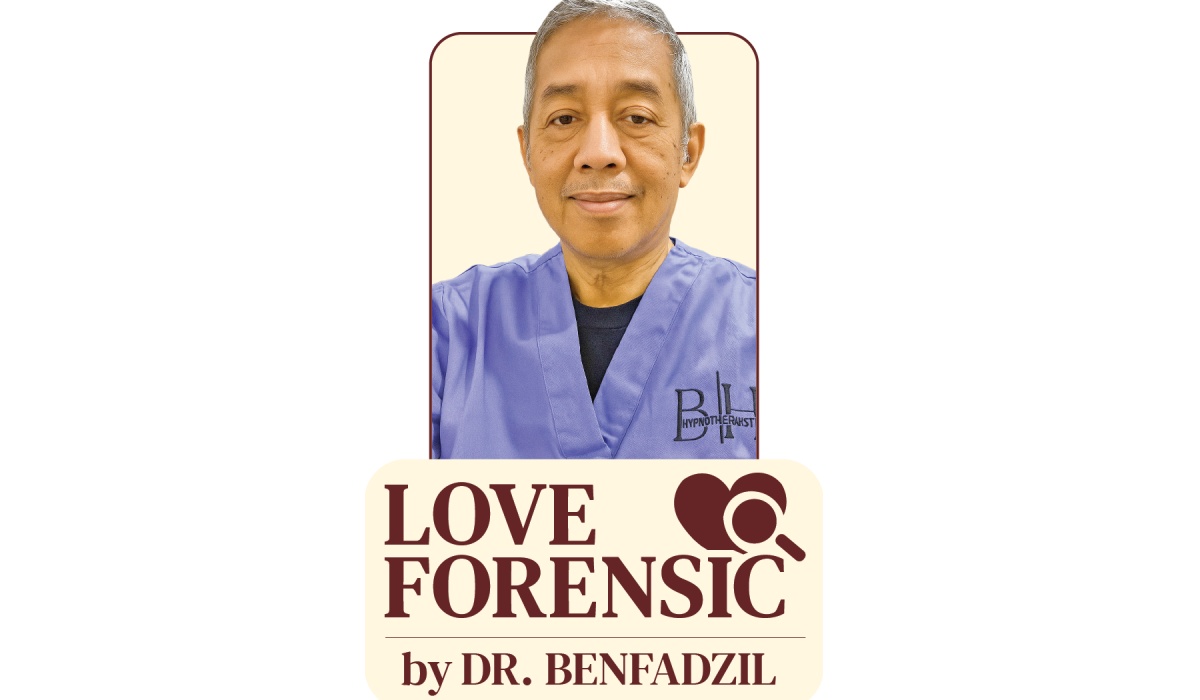
● Dr Benfadzil Mohd Salleh, Forensic Psychologist & Founder of Benfadzil Academy (Love Forensic™ – Where Science Meets Emotion), Kuching, Sarawak, H/P: 0122350404, Email: drbenfadzil@gmail.com
The views expressed here are those of the writer and do not necessarily represent the views of Sarawak Tribune.