KUCHING: Businesses do not need to overhaul their entire operations to benefit from artificial intelligence (AI). Starting small and building on early improvements could be enough to drive substantial growth.
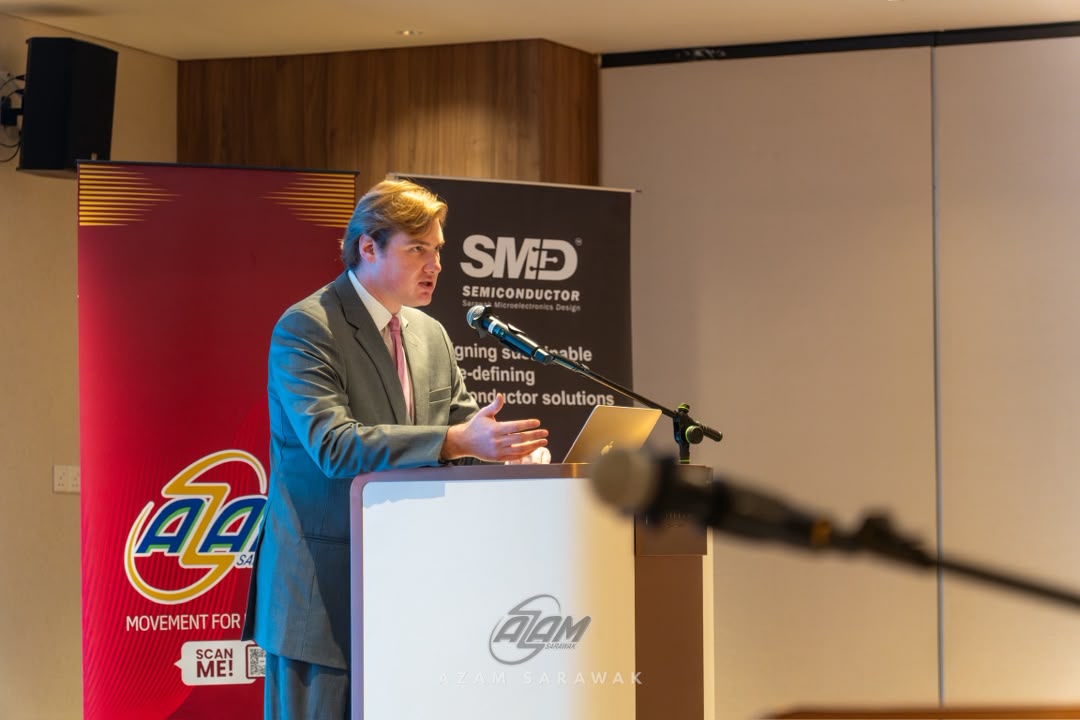
That was the message from Foundation for American Innovation Technology and Telecommunications Policy director Joshua Levine, who encouraged Sarawak businesses to test AI in specific areas before expanding its use.
“Instead, take a bite: take one piece of that business and try to optimise it.
“Again, these incremental gains lead to exponential growth,” he said.
Levine was speaking at the first sharing session, “AI Opportunities for Business,” during the U.S.–Sarawak AI for Business Programme 2026 at Pullman Hotel Kuching here yesterday.
He said businesses should give small pilot projects several months to demonstrate whether AI could improve their performance.
If the results fall short of expectations, they can adjust their approach and learn from the experience rather than continuing with an investment that is not delivering sufficient benefits.
Before adopting AI, Levine said businesses should ask themselves two questions: What problem are they trying to solve for customers, and how would higher productivity change the way they allocate capital, time and labour?
He also emphasised that people must understand the benefits of AI before they can confidently incorporate it into their daily activities.
“People need to feel confident in using it, and they need to see the value that will accrue when they ultimately deploy it in their businesses, in their homes, or in their schools.”
Levine said AI could be particularly useful in Sarawak, given the importance of services and small and medium enterprises (SMEs) to the state’s economy.
He encouraged businesses not to overlook the potential of small improvements to deliver significant benefits over time.
“If there’s one thing you can take away from anything I say today, it’s this idea: these small investments and small efforts can compound over time and see really great outcomes happen,” he said.