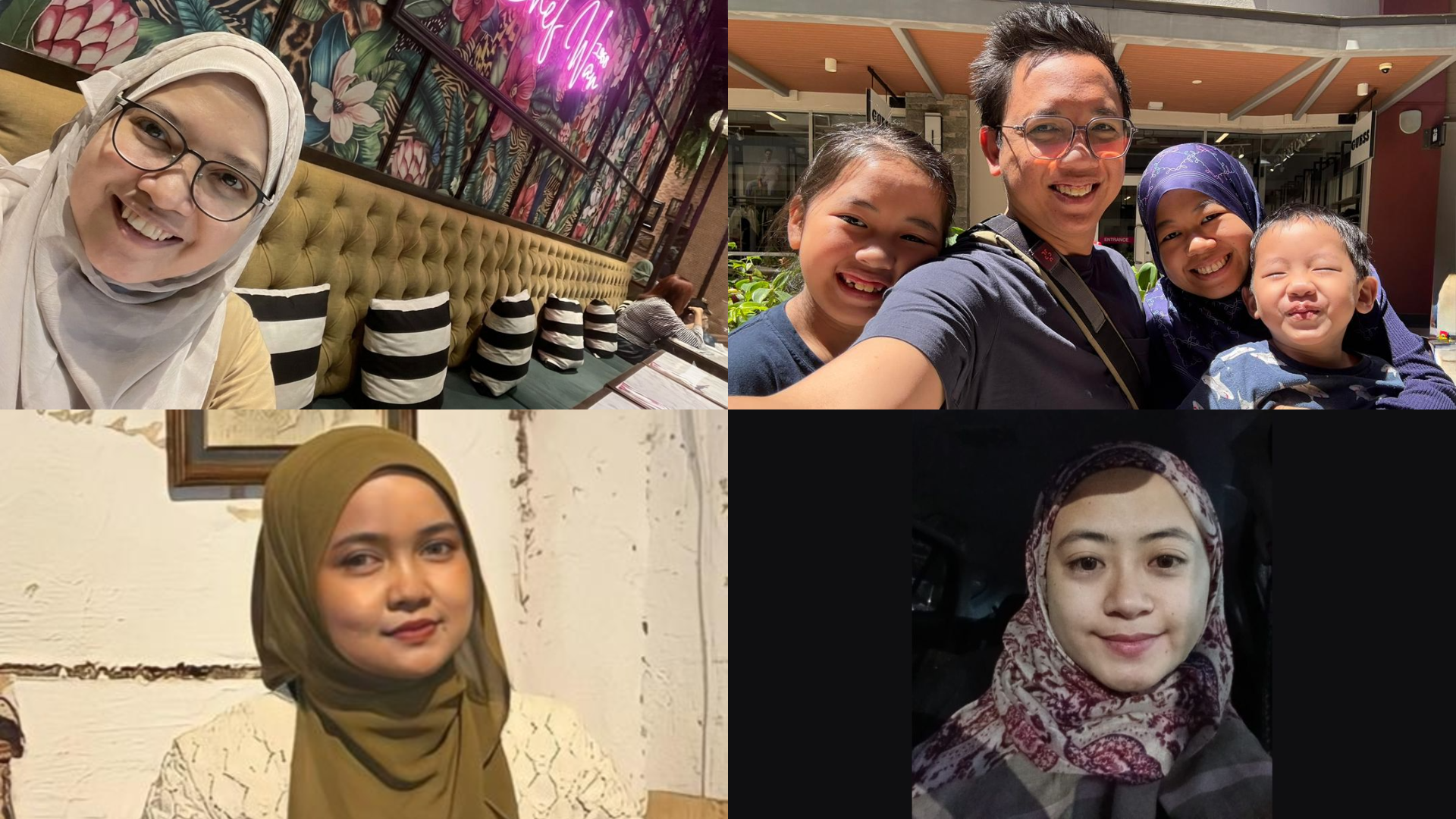
KUCHING: Writers at the National Reading Carnival and Sarawak Book Fair 2025 have cautioned against over-reliance on artificial intelligence (AI), stressing that while the technology can assist in writing, the preservation of Sarawak’s cultural identity and authenticity must remain in human hands.
The role of AI in literature took centre stage at the Sarawak Authors Highlight session on Thursday at The Hills, here, where local writers discussed the impact of digital tools on writing trends and shared their experiences in balancing creativity with technology.
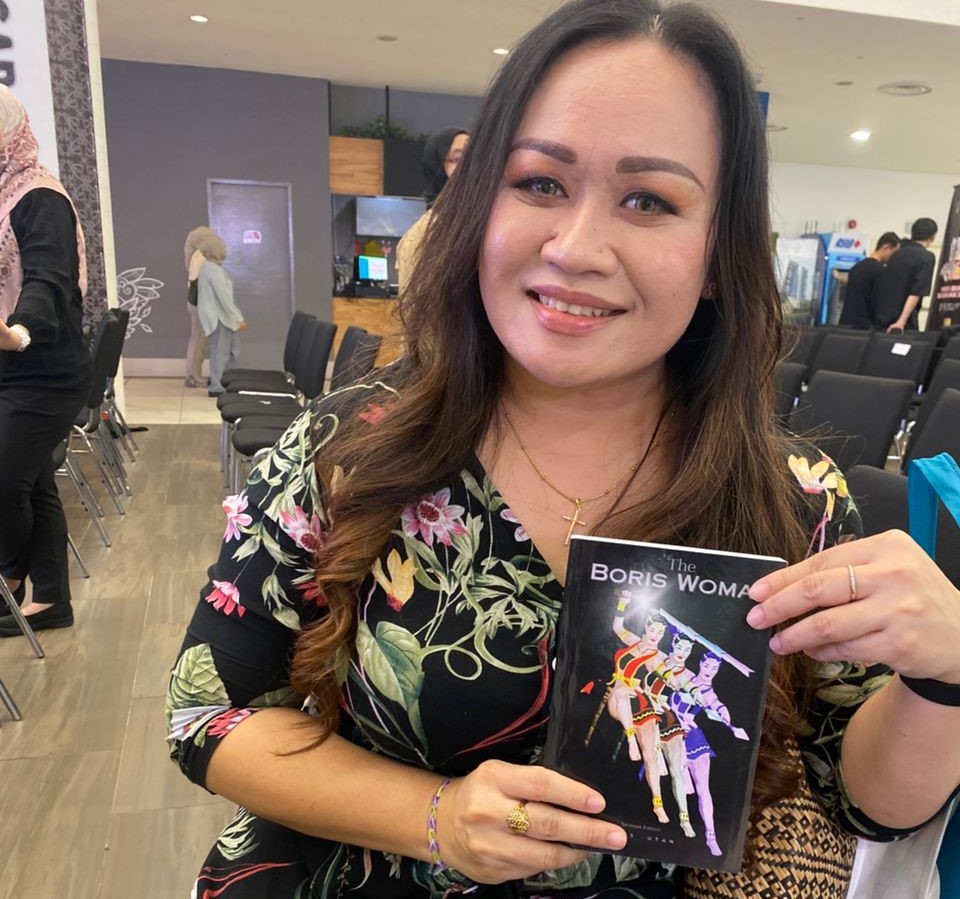
Author of The Boris Woman, Boris Utan, said she deliberately chooses to write her stories without AI, arguing that only human sensitivity and lived experience can give depth to a book.
“The storyline, ideas and writing are all my own. If I used AI, the deeper meaning in the book would be lost. Readers would not feel the same soul in the story,” she added.
She said that her works are rooted in Sarawak’s identity – drawing on its culture, food, language, historical sites and folklore.
“My writing is specific to Sarawak, particularly its history. For example, the story of Nakoda Hitam is a powerful inspiration for fiction,” she added.
Still, Boris acknowledged that AI can be a useful tool to check English grammar or help overcome writer’s block, provided it does not dominate the creative process.
“The rise of AI is not a threat if used correctly, but a book should not be written entirely by AI. It must come from the author’s own self,” she said.
Meanwhile, Open University Malaysia lecturer, Dr Hafizul Rasdi, emphasised that writing without human thought has no real value.
“AI is helpful in daily life, and the government has even made AI courses compulsory in the civil service. But if we don’t think and explore for ourselves, the satisfaction in writing will only be minimal,” he said.
He stressed that AI should serve as a support system, while humans maintain the advantage of creativity, emotion and intellect that machines cannot replicate.
Unlike Boris, Hafizul focuses on academic writing, producing books and research on education and Islamic development in Sarawak.
“As an educator, I want Sarawak’s teachers to become more qualified. That drives me to write about pedagogy, teaching aids, learning methods and classroom management,” he said.
“I also study the role of mosque committees in improving governance and programme management.”
Sarawak writer Mohd Ali Salim, meanwhile, highlighted the importance of literary events such as the Mass Reading Carnival and Sarawak Book Fair in reviving a culture of reading.
“Even in this AI and digital era, these programmes are vital. They bring people closer to books and local works that enrich the mind,” he said.
He added that such events not only encourage the younger generation to explore literature, but also give existing writers a platform to showcase their work.
“Without book fairs, many might not even notice the presence of writers. But with exhibitions and author sessions, the public realises that Sarawak has its own writers and literary scene,” he said.
The ‘Authors Highlight’ session underscored a shared message: AI may be here to stay, but Sarawak’s literary voice must remain distinctly human.