KUCHING: Local authorities across the state are called to embrace artificial intelligence (AI), sustainability and innovation as they transform into modern development institutions capable of driving Sarawak’s high-income and sustainable future.
Premier Datuk Patinggi Tan Sri Abang Johari Tun Openg said local authorities must prepare themselves to address five major challenges while adopting five key transformation pillars that will strengthen governance, improve public service delivery, and support Sarawak’s Post COVID-19 Development Strategy (PCDS) 2030.
“Moving forward, local authorities must recognise five major challenges. The first challenge is artificial intelligence and digital transformation. AI provides opportunities to improve efficiency, analyse information, and enhance public services.
“However, technology must be supported by quality data, proper governance, and capable human resources.
“The second is climate change and sustainable urban development. Flooding, environmental pressures, waste management, and urban resilience require stronger planning and proactive action,” he said.
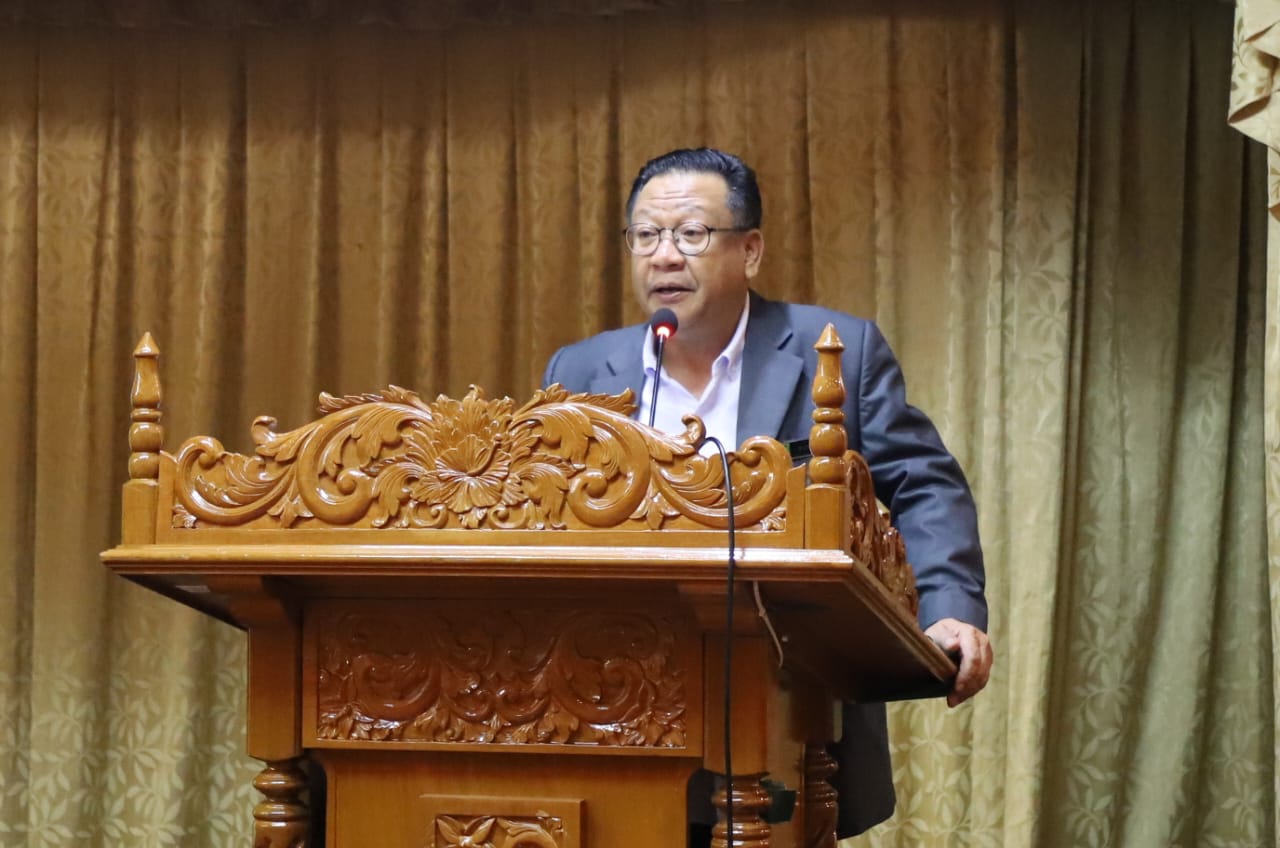
He said this in his speech read by Deputy Premier Datuk Amar Dr Sim Kui Hian during the officiating ceremony of Sarawak Local Authority Conference 2026 at voco Kuching, here today.
Abang Johari said the third challenge is economic competitiveness, urging local authorities to become strategic partners in attracting investment, supporting entrepreneurs and creating business friendly environments.
He said the fourth challenge is managing urbanisation and changing demographics by designing cities that cater to young people, families, senior citizens and vulnerable groups.
“The fifth challenge is maintaining public trust. Confidence in government is built through consistent performance, transparency, responsiveness and professionalism,” he said.
Abang Johari emphasised that these challenges should not be viewed as obstacles but as opportunities for local authorities to innovate, improve and transform.
To meet these challenges, he said the Sarawak Government had identified five transformation pillars to guide local authorities.
“The first pillar is becoming trusted institutions. Public confidence must be strengthened through integrity, accountability, professionalism and responsible management of public resources.
“The second pillar focused on developing smart, data-driven local authorities, where decisions would be based on accurate information and evidence rather than assumptions.
“The third pillar is becoming results-oriented organisations. Success must not only be measured by activities conducted, but by real improvements experienced by the people,” he said.
Abang Johari added that the fourth pillar centred on sustainability and resilience, requiring local authorities to support greener cities, improve waste management, strengthen climate adaptation and promote environmentally responsible development.
He said the fifth pillar was for local authorities to become drivers of local economic growth by understanding business ecosystems, supporting entrepreneurship and creating attractive environments for investment and employment.
“Through these five pillars, Sarawak local authorities can transform from administrative bodies into modern development institutions,” he said.
He also said that in today’s new era, local authorities must evolve and move beyond being regulatory authorities and become development institutions.
“They must not only process applications, but also facilitate solutions. They must not only manage areas, but lead local development.
“A strong local authority does more than maintain cleanliness and order. It supports local businesses, facilitates investment, strengthens communities and creates places where people want to live, work and thrive,” he added.