KUCHING: The US administration’s announcement of a 25 per cent tariffs on aluminium imports has sparked an initial reaction, leading to higher aluminium prices and an increase in the US Midwest premium, says Press Metal Aluminium Holdings Bhd group’s chief executive officer (CEO) Tan Sri Paul Koon Poh Keong.
He said as the US is a net importer of aluminium, the tariff will likely result in increased costs for American consumers as the supply gap still necessitates reliance on external sources.
“While it is too early to determine the long-term impact on global metal flows and regional pricing, Press Metal’s direct exposure to the US market remains minimal,” he added. Press Metal is Southeast Asia’s largest integrated aluminium producer, with smelting plants in Samalaju Industrial Park, Bintulu, and in Mukah.
Koon said currently, the aluminium market remains balanced as new supply is limited and demand is supported by rising investments in green sectors, such as renewable energy infrastructure, electric vehicles (EVs), grid infrastructure and battery storage.
He said these emerging applications, alongside traditional uses in construction and transportation, continue to drive demand for aluminium.
“Press Metal is well-positioned to ride on this growth, thanks to our low-carbon aluminium solutons, integrated production capabilities and efficient cost model. By aligning our strategies with the broader industry trends, we are enhancing our competitiveness and ensuring long-term resilience in an increasingly dynamic market,” he added in the company’s 2024 annual report.
According to Koon, the demand for low-carbon aluminium is growing rapidly, driven by automotive, packaging, renewable infrastructure and constructions industries as global brands increasingly prioritise sustainability in their supply chains. This shift is driven by regulatory pressures, consumer demand for environmentally responsible products and corporate commitment to achieving net-zero emissions.
He said in sustaining the decarbonisation shift, Press Metal introduced last year its low-carbon aluminium under the brand name GEM, with a carbon footprint of less than 4.0 metric tonnes of carbon dioxide equivalent emissions per metric tonne of aluminium (Scope 1 and Scope 2 GHG emissions). The GEM offers a sustainable alternative for industries seeking to reduce their environmental impact without compromising on performance.
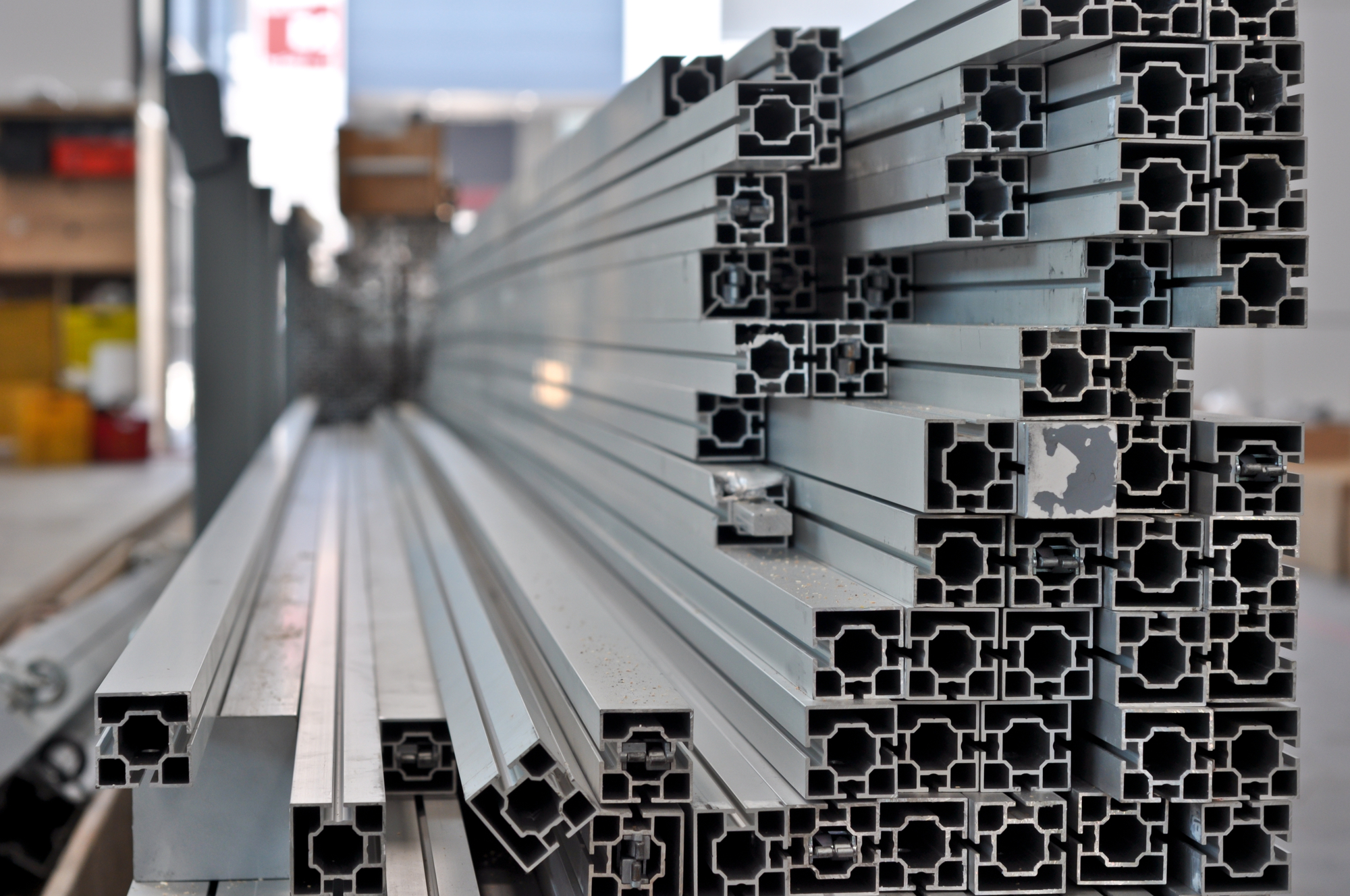
Koon said Press Metal’s downstream extrusion segment has strategically positioned itself to harness the immense potential of the renewable energy sector by delivering innovative, product-based solutions. In Malaysia, the group has begun supplying and are also in the development phase with several new clients for solar panel frames.
“The vast potential in this sector is further demonstrated by our recent Memorandum of Understanding (MoU) with the Bintulu Development Authority to develop a solar frame extrusion facility in Bintulu, which is expected to be operational by mid-2026. This project aligns with Press Metal’s broader vision to expand our low-carbon aluminium applications and reinforces our role in supporting global energy transition efforts,” he added.
On the tight global supplies of alumina, which had driven up its prices last year, Koon said this is expected to ease further this year with the start-up of new alumina refineries and the expansion of existing refinery capacity in Indonesia, India and China which is expected to increase global alumina production. “This increase in supply is driving down high alumina prices, alleviating pressure on aluminium production costs.”
He said the increased alumina prices in 2024 caused by production and temporary supply disruptions, and several other operational challenges, including elevated freight costs exacerbated by port congestion and geopolitical tensions, had impacted all aluminium producers.
The average price of alumina for the year was US$501 per tonne, approximately 21 per cent of the average aluminium price in 2024 as compared to 15 per cent in 2023. The alumina price began to ease towards end of the year.
“Alumina, pre-baked carbon anodes and electricity make up the primary manufacturing costs of our smelting operations. Press Metal is increasing the investment in upstream alumina assets and strengthening vertical integration capabilities to mitigate raw material price volatility and bolster resilience against market uncertainties, aiming to optimise operational margins,” said Koon.
The price of pre-baked carbon anode was relatively stable last year.
On the outlook for the global aluminium industry, he said demand is projected to grow steadily in the coming years, fuelled by the rapid expansion of green industries, such as EVs, renewable energy, transmission and storage. These sectors represent significant growth potential as aluminium’s lightweight and recyclable properties make it a critical material for sustainable technologies.
“The shift of manufacturing operations to the ASEAN region, driven by the “China Plus One” strategy and rising geopolitical tension in other regions, is expected to continue. This trend is likely to boost demand for local and regional sources of aluminium further strengthening SEA’s position in the global supply chain.
“While the aluminium industry faces challenges from macroeconomic and geopolitical factors, the growing demand from green industries and the regionalisation of supply chains present significant opportunities. Meanwhile, global aluminium supply constraints will remain a key factor in establishing aluminium prices. Press Metal is well-positions to capitalise on these,” added Koon.