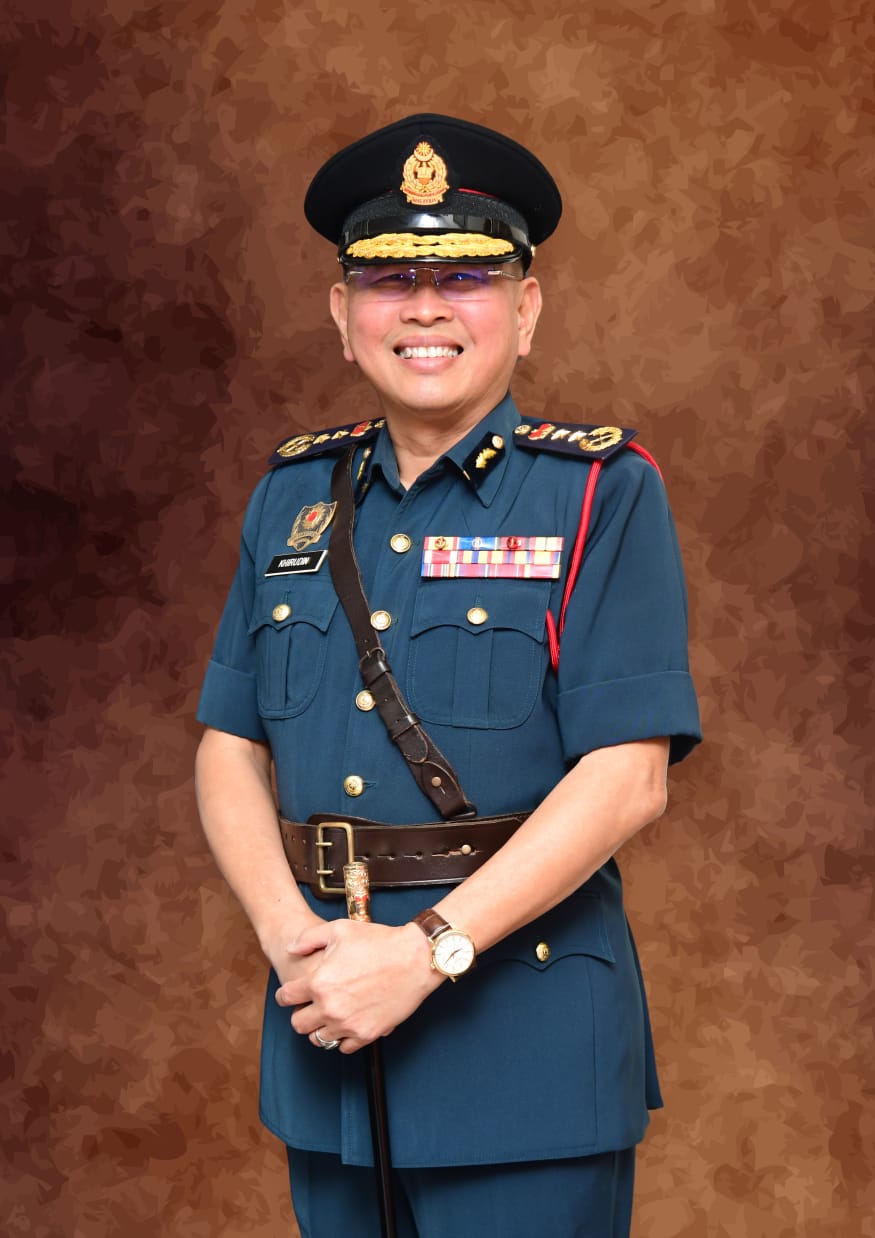
For nearly four decades, Datuk Khirudin Drahman dedicated his life to protecting communities, responding to emergencies and championing fire safety awareness throughout Sarawak and Malaysia.
Whether attending major fires, overseeing flood operations or engaging with communities on prevention measures, the former Deputy Fire Commissioner and Director of Fire Safety and Prevention Division BOMBA Malaysia became a familiar face to many Sarawakians and Malaysians.
After almost 37 years in service, he officially retired in June last year but retirement has done little to diminish his passion for public safety.
In this exclusive Q&A with Sarawak Tribune, Khirudin reflects on his career, life after BOMBA and why he believes a firefighter never truly retires.
ST: How has the transition been from a highly demanding career in the fire service to retirement, and what has surprised you most about this new chapter of life?
KHIRUDIN: Alhamdulillah. Looking back, it is quite surprising to realise that I spent almost 37 years serving the people through BOMBA.
When I first joined the service, I never imagined that the journey would last this long. It has been a career filled with challenges, sacrifices and responsibilities, but also one that gave me immense pride in serving the nation and the people of Sarawak.
Retirement has certainly changed my official responsibilities, but surprisingly, my passion remains exactly the same. In many ways, I still feel as though I am in service.
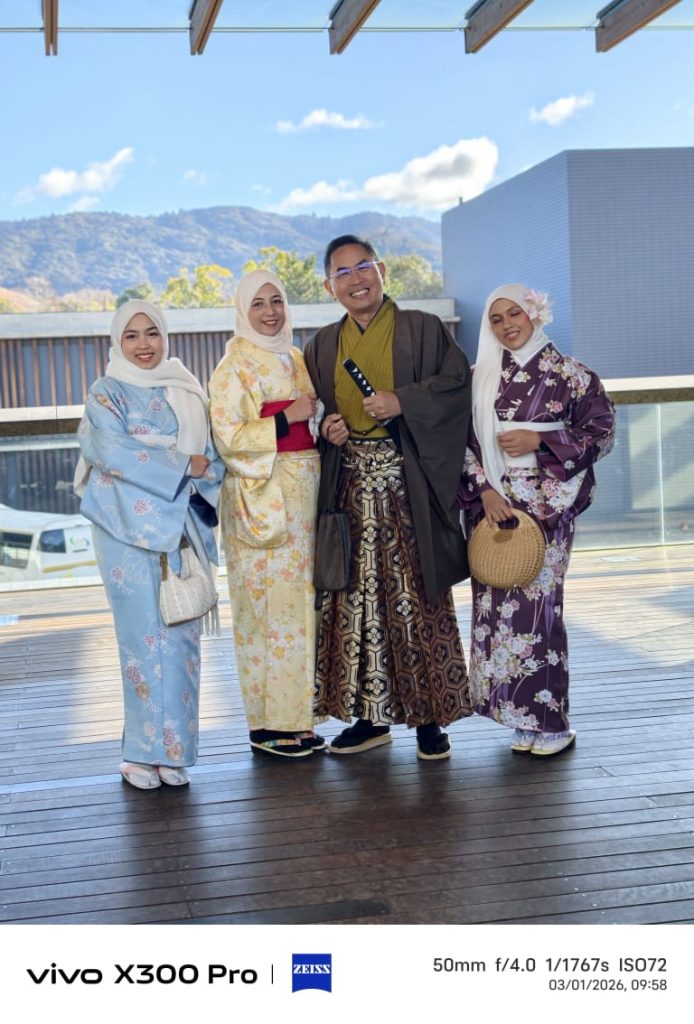
I continue to keep myself updated on issues involving fire safety, emergency response and disaster management. I read reports, follow developments and stay informed about what is happening within the department.
People often say that once you become a firefighter, you will always remain a firefighter. I truly believe that. Retirement does not mean the end of service. It simply means serving in a different capacity.
My knowledge and passion remain the same. I still enjoy sharing my experiences with anyone who is genuinely concerned about public safety.
For almost four decades, your daily routine revolved around serving the public and responding to emergencies. What does a typical day look like for you today?
To be honest, I still maintain many of the routines that I had while working.
Every day, I continue to monitor developments involving BOMBA, rescue operations, fires, disasters and emergency incidents. Those issues have been part of my life for so long that it has become second nature.
Whenever there are significant incidents or issues affecting communities, I pay close attention. Sometimes I will contact former colleagues or officers whom I know well to exchange views and discuss certain matters, particularly those involving public safety and emergency preparedness.
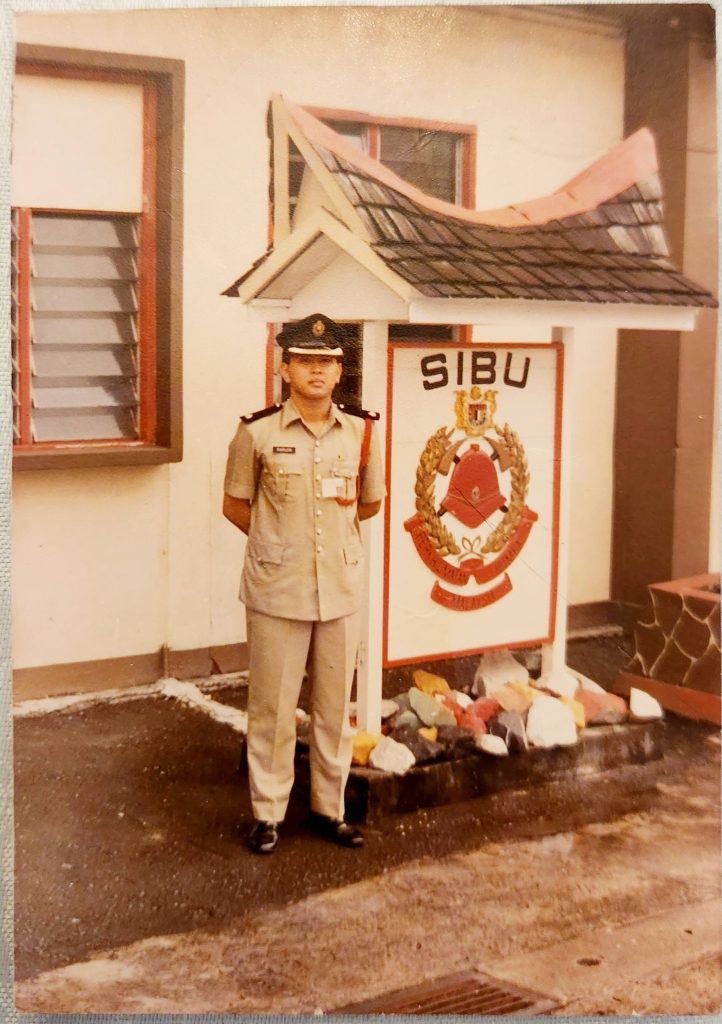
Of course, retirement has also given me something that was often difficult to enjoy during my years in active service — more time with family and friends.
The nature of emergency services meant that I was often on call, even during weekends, public holidays and family occasions. Today, I have the opportunity to spend more quality time with loved ones, and I treasure those moments.
At the same time, I have never completely disconnected myself from the profession because protecting lives and ensuring community safety remain very close to my heart.
Throughout your career, you witnessed countless incidents, from devastating fires and floods to complex rescue operations. Which moments remain closest to your heart and why?
Attending emergencies was always part of the responsibility, and every successful rescue operation is memorable. Whenever a life is saved or a family is reunited because of the efforts of firefighters and rescuers, it brings a sense of satisfaction that is difficult to describe.
However, when I reflect on my career, I believe the most rewarding moments were not necessarily during emergencies. Instead, they were the moments when tragedies were prevented from happening in the first place.
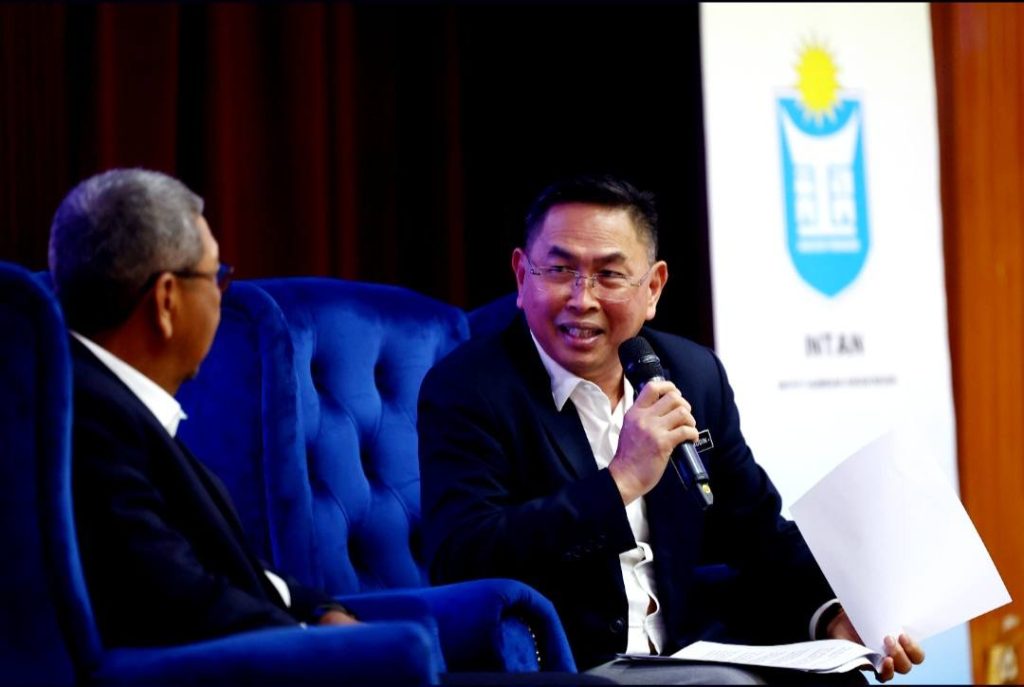
Throughout my career, I spent a great deal of time promoting fire safety awareness and engaging with communities. Seeing people become more aware, more prepared and more responsible towards safety was extremely rewarding.
If through our engagement, education programmes or awareness campaigns we managed to prevent a fire, avoid a tragedy or save lives before an incident occurred, then that was one of the greatest achievements we could hope for.
For me, prevention has always been just as important as response.
You have often championed fire safety awareness and community involvement. Looking back, what achievements or initiatives are you most proud of leaving behind as part of your legacy?
There is one message that I consistently championed throughout my career: “We want to see you before the fire, not after.” It is a simple statement, but it reflects everything that I believe about fire safety.
For many years, people tended to think about BOMBA only after a fire had occurred. However, our objective was always to engage with the public before tragedy struck. We wanted communities to understand that prevention is the best form of protection.
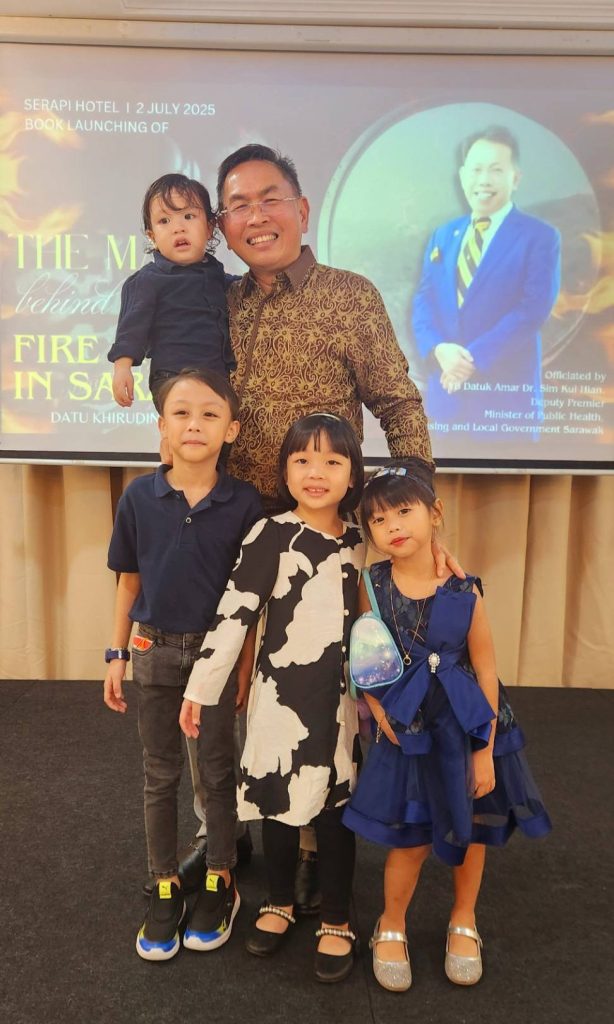
Through school programmes, community outreach activities, safety campaigns and engagements with local leaders, we encouraged people to adopt safer practices and become more aware of potential risks.
Over time, I saw encouraging changes in public attitudes and awareness towards fire safety. That slogan became more than just a message. It became a philosophy.
Much of this experience and philosophy has been documented in my book because I wanted future generations to understand that prevention remains the best option. If more people truly embrace and practise this mindset, then I believe it would be one of the most meaningful legacies I could leave behind.
Retirement often provides an opportunity for reflection. How has your perspective on life, family and personal priorities changed since stepping away from active service?
Alhamdulillah, I have been blessed with a wonderful family and many sincere friends.
Throughout my career and even after retirement, they have continued to support and motivate me. Their encouragement has allowed me to remain active and continue contributing to society.
Retirement has also given me more opportunities to spend quality time with family, something that was often difficult when I was actively serving.
At the same time, retirement has opened new doors for me to contribute in different ways. I am currently involved with several non-governmental organisations where I continue sharing my experiences, knowledge, skills and perspectives with communities and younger generations. I have been invited to deliver lectures and talks, sharing lessons from my years in public service, leadership and emergency management.
Recently, I was honoured to be elected as President of Radio Amateurs Drone Sarawak (REDS). I look forward to helping the organisation become even more active in serving communities throughout Sarawak. I also remain involved in the field of fire safety engineering through a consultancy firm.
Many people associate firefighting with emergency response, but in reality, fire protection begins much earlier. I often say that firefighting starts at the drawing board. When architects, engineers and developers incorporate proper fire safety considerations from the very beginning, lives can be protected long before firefighters are ever called to respond.
In many ways, this work is equally meaningful because it focuses on prevention and ensuring that buildings are designed with safety in mind. Although I have retired from government service, my commitment to fire safety continues.
If you had the opportunity to leave one final message to the firefighters and rescue personnel who are now carrying the torch, what would it be?
My message is simple: always do your very best in serving the community. Never underestimate the importance of your role because the work you do has a direct impact on people’s lives.
There will be challenges, sacrifices and difficult moments, but always remember why you joined the service in the first place. The rewards of public service go far beyond rank, salary or recognition. The appreciation of the people you help is priceless. More importantly, every sincere act of service carries rewards beyond what can be measured. Serve with integrity, humility and dedication.
Do your very best in every task entrusted to you and always place the interests of the community first. The recognition from society is meaningful, but ultimately, God will reward every sincere effort made in helping others.
After nearly 37 years of service and one year of retirement, how would you like people to remember Datuk Khirudin Drahman — not just as a firefighter, but as a person?
I hope people will remember me as someone who served with honesty, sincerity and a genuine desire to help others.
Many people see firefighters as heroes who save lives during emergencies. While that is certainly part of the profession, I hope my contribution will also be remembered through the work done to improve people’s daily lives through fire safety awareness and prevention.
If communities become safer because they adopted better fire safety practices, installed proper protection systems or became more prepared for emergencies, then I would consider that a meaningful contribution.
I would like people to remember me as someone who indirectly helped save lives by encouraging safer behaviours and promoting best practices in fire safety.
Throughout my career, I always believed that the best fire is the one that never happens. That is why I spent so much time focusing on education, awareness and prevention. Titles and positions are temporary, but the positive impact we leave on others can last for generations.
Most importantly, I hope people remember that service does not end with retirement. As long as we have knowledge, experience and the ability to contribute, we should continue serving society in whatever way we can.
After all, protecting lives is not merely a profession — it is a lifelong responsibility.