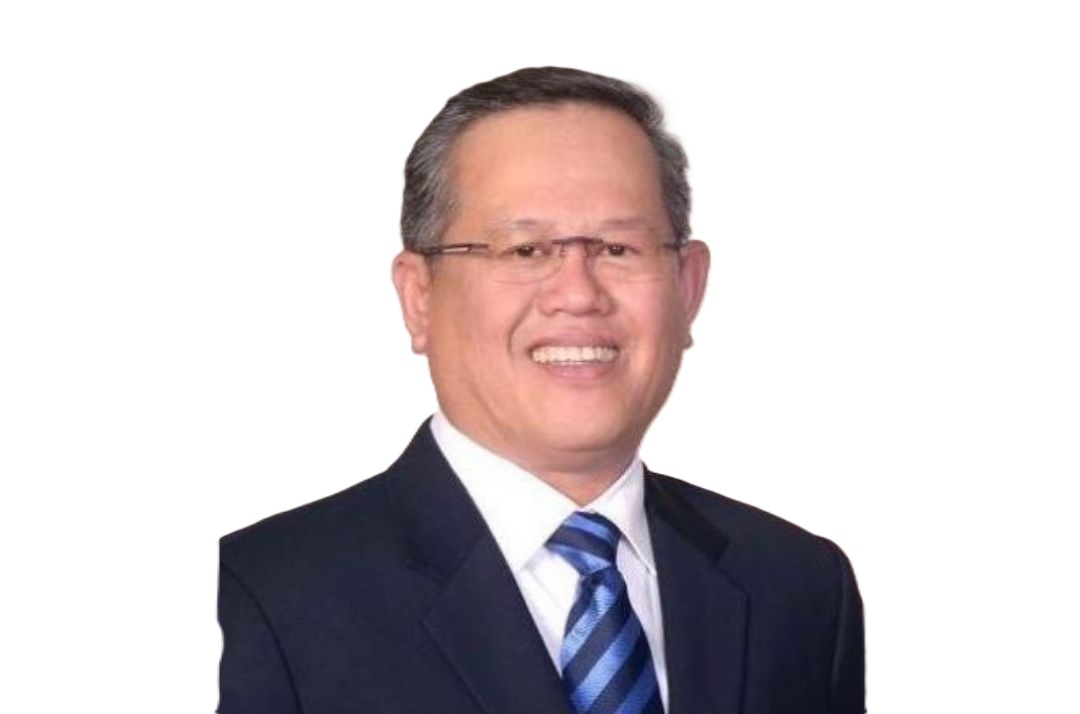
KUCHING: Mandatory health screening for prospective Gabungan Parti Sarawak (GPS) candidates is a positive move, says political analyst Prof Dr Novel Lyndon.

The political sociologist at Universiti Kebangsaan Malaysia’s (UKM) Faculty of Social Sciences and Humanities said the initiative reflected GPS’s growing emphasis on ensuring its candidates are physically capable of fulfilling their responsibilities as elected representatives.
However, he stressed that medical fitness should not be confused with leadership competence, integrity or the ability to serve the people.
“In my opinion, the decision by GPS to introduce mandatory health screening is a positive step. It shows that the party is concerned not only about political experience and popularity, but also about whether its candidates are physically capable of carrying out their responsibilities,” he said.
He was commenting on the directive by GPS chairman and caretaker Premier Datuk Patinggi Tan Sri Abang Johari Tun Openg requiring all prospective candidates to undergo mandatory health checks before being shortlisted or nominated for the 13th Sarawak State Election.
Novel pointed out that the requirement is particularly relevant in Sarawak, where some constituencies covered vast geographical areas, requiring elected representatives to travel extensively, visit rural communities and attend to constituents’ needs.
He said voter expectations had also evolved, with the electorate increasingly looking for leaders who are not only experienced and popular but also active, accessible and capable of serving effectively throughout their five-year term.
“A healthy candidate may lack integrity, commitment or leadership ability, while someone with a manageable medical condition may still be an excellent representative,” he said.
He said conditions such as controlled diabetes and high blood pressure may not necessarily prevent individuals from performing demanding political responsibilities.
“Medical fitness and political competence are two different things. A candidate should be assessed based on their actual ability to serve rather than simply their age or medical history,” he stressed.
He added that experienced politicians could offer valuable political knowledge, leadership experience and established grassroots relationships, qualities that should not be overlooked in favour of younger and physically healthier candidates.
Another concern, he said, is the possibility of health screening being selectively applied to eliminate certain individuals, potentially creating suspicion of internal political interests and undermining grassroots confidence.
To avoid this, Novel urged GPS to ensure that the screening process is transparent, consistently implemented and based on professional medical assessments, while safeguarding candidates’ medical privacy.
Candidates with manageable health conditions, he emphasised, should not be automatically disqualified.
“I support mandatory health screening because elected representatives must be capable of serving the people effectively. However, it should never become a barrier that unfairly excludes capable and experienced leaders,” he said.
Ultimately, Novel said the determining factors in candidate selection should extend beyond medical fitness to include ability, integrity, commitment, performance and public trust.
“The most important consideration is not whether a candidate is completely healthy, but whether that person has the ability, integrity, commitment and public trust needed to serve the people effectively,” he said.