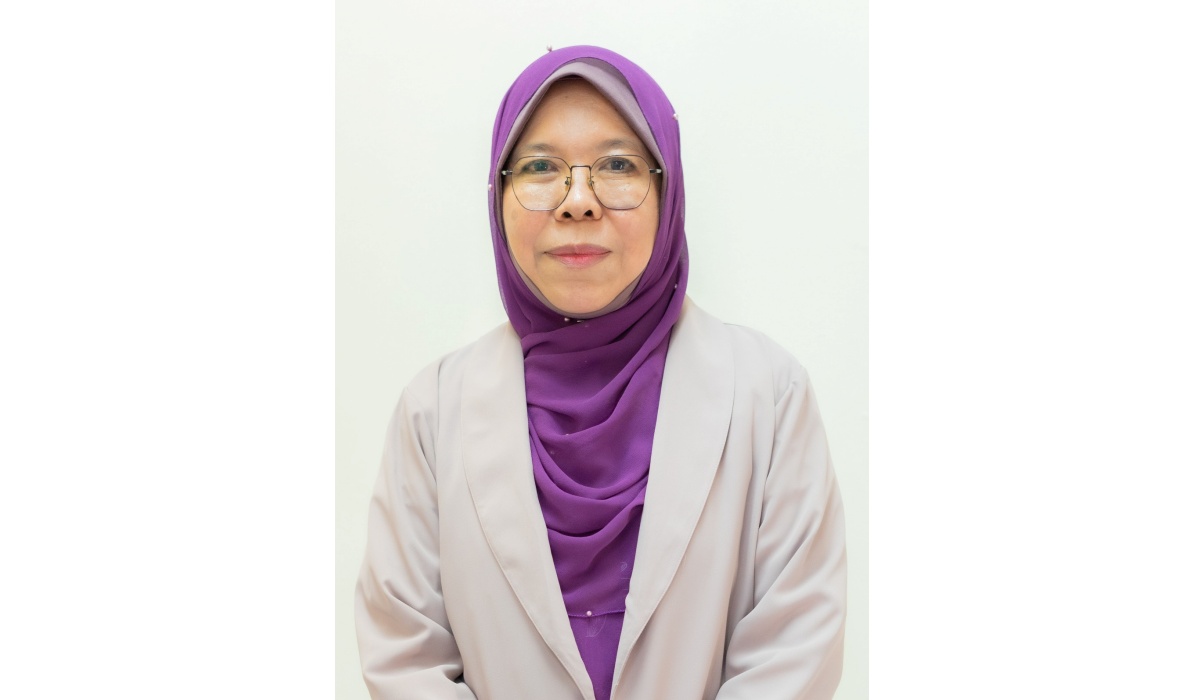
KUCHING: Tackling bullying must be an ongoing effort, not just a reaction to high-profile cases, said PurpleLily Social Association Kuching’s treasurer, Suraya Bujang.
She said prevention requires continuous awareness programmes in schools involving non-governmental organisations (NGOs), parents and local communities, alongside training for teachers and counsellors to detect early signs and act swiftly.
She added that safe and confidential reporting systems, including online platforms guaranteeing privacy, should be in place, supported by accessible psychological services for both victims and perpetrators to ensure holistic recovery.
“We believe a holistic and multi-stakeholder approach is essential.
“Digital literacy campaigns are also crucial so that people of all ages understand online safety and the real impact of cyberbullying, which does not just target teenagers.
“Psychological support must be available for both victims and perpetrators to break the cycle of abuse and ensure holistic recovery,” she told Sarawak Tribune.
Suraya said bullying in Sarawak was not confined to physical acts, but also took emotional, psychological, and online forms.
She noted that insults, social exclusion, ridicule, and manipulation could leave deep, lasting mental scars on young people.
She said cyberbullying on social media was fuelled by peer pressure, weak parental monitoring, and the normalisation of aggressive behaviour.
“While PurpleLily has not received formal complaints, we have encountered indirect disclosures during our programmes with adolescents and young women.
“The most common forms of bullying they experience include body shaming, insults and harassment on social media, and social exclusion.
“These forms of bullying fall under mental and emotional abuses, which significantly affect self-esteem and mental well-being,” she explained.
Suraya said stigma, fear of retaliation, and beliefs that bullying is “part of growing up” discourage victims from seeking help.
She added that rural areas face a shortage of counselling services, while NGOs struggle with limited funding and manpower.
The lack of child-friendly reporting channels, she said, further increases the risk of cases going unreported.
“In rural areas, limited access to counselling and psychosocial support makes recovery even harder.
“Additionally, NGOs like ours face constraints in funding and manpower, which limits the scale of advocacy and intervention efforts,” she said.
As such, PurpleLily’s anti-bullying work includes leadership training, communication skills workshops, and integrating awareness content into life skills sessions.
The association also promotes safe reporting by sharing information on confidential help channels with students.
Through these programmes, Suraya said the goal was to build resilience and empower children to protect themselves.
“We aim to equip children and teenagers with the confidence to speak up and protect themselves from becoming silent victims,” she said.