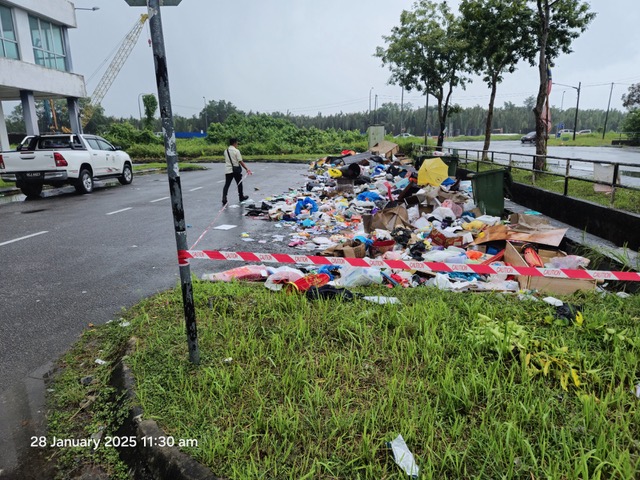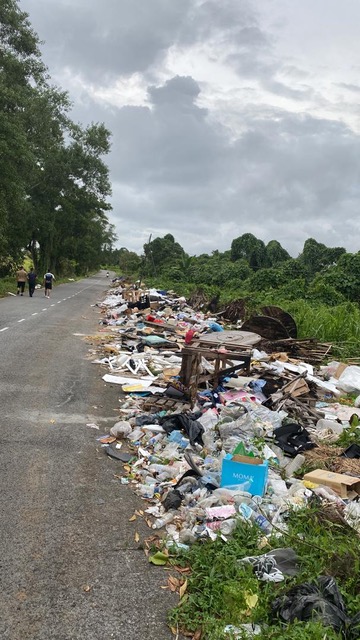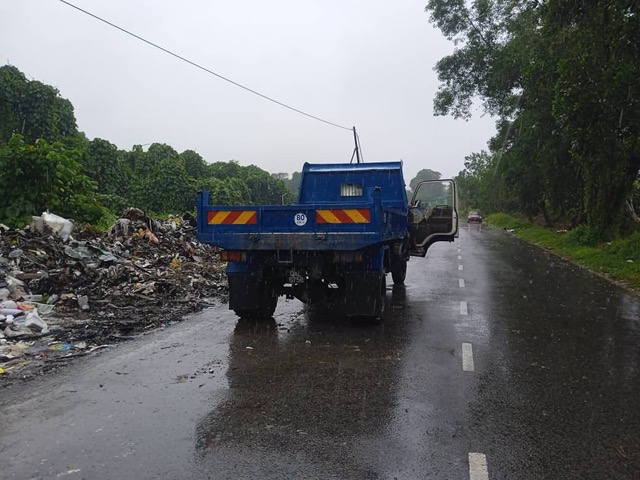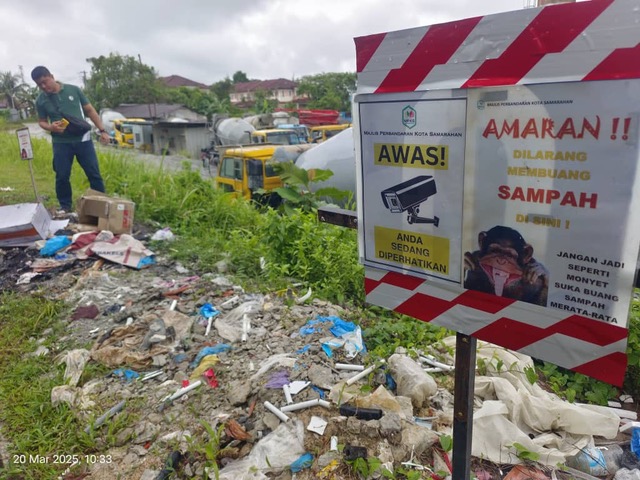
KUCHING: In fast-growing urban fringes such as Kota Samarahan, illegal dumping has become a recurring problem that local authorities continue to grapple with.
Just a short drive away in Serian, however, the issue barely registers as a concern.
The contrast highlights how development patterns, geography and public behaviour shape the realities of waste management on the ground.
For the Kota Samarahan Municipal Council (MPKS), complaints related to illegal dumping have continued to surface over recent months.
According to MPKS Chairman, Abang Ismawi Abang Ali, the reports involve both long-standing hotspots and newly affected locations.
“These include old dumping areas as well as new spots such as Jalan Baru Bukit Berangan-Stutong and the Kampung Baru Industrial Area,” he told Sarawak Tribune.
Secluded and isolated locations remain the most vulnerable, with abandoned commercial sites and industrial zones – often out of public view – becoming convenient targets for irresponsible dumping.
Abang Ismawi said frequently affected areas include RH Park Industrial in the 9th Mile, the Kota Samarahan Industrial Estate, Kampung Baru Industrial Area and Stakan Jaya Industrial.
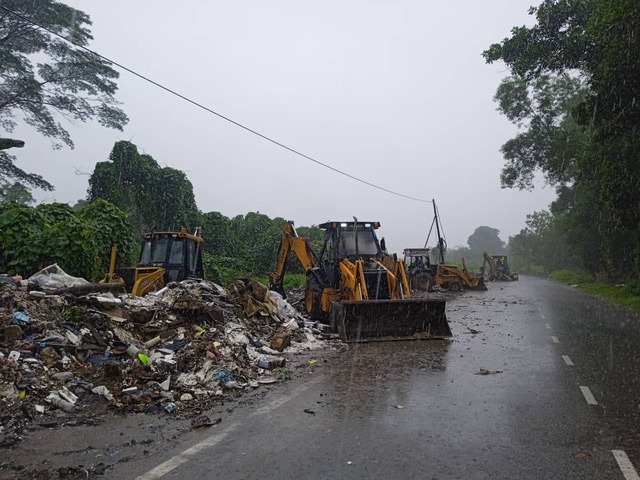
Jalan Sarawak Turf Club at the 7th Mile has emerged as the most persistent hotspot, requiring repeated clean-up works.
He explained that enforcement efforts were complicated by the nature of these locations, where offenders are often difficult to identify.
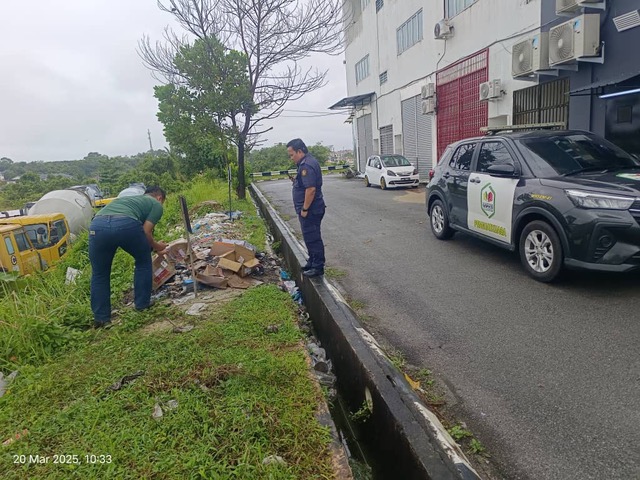
“In many cases, we carry out clearing works based on public complaints, but the secluded environment makes it challenging to trace those responsible,” he said.
He added that when offenders can be identified, site inspections and investigations are conducted, followed by notices requiring clean-up works.
Follow-up inspections are then carried out to ensure compliance, with compounds issued to offenders who fail to comply, alongside directives to clean the affected area.
Under the Local Authority Clearing (LAC) 1999 By-Law 18(1)(a), first-time offenders – whether individuals or companies – may be fined RM100.
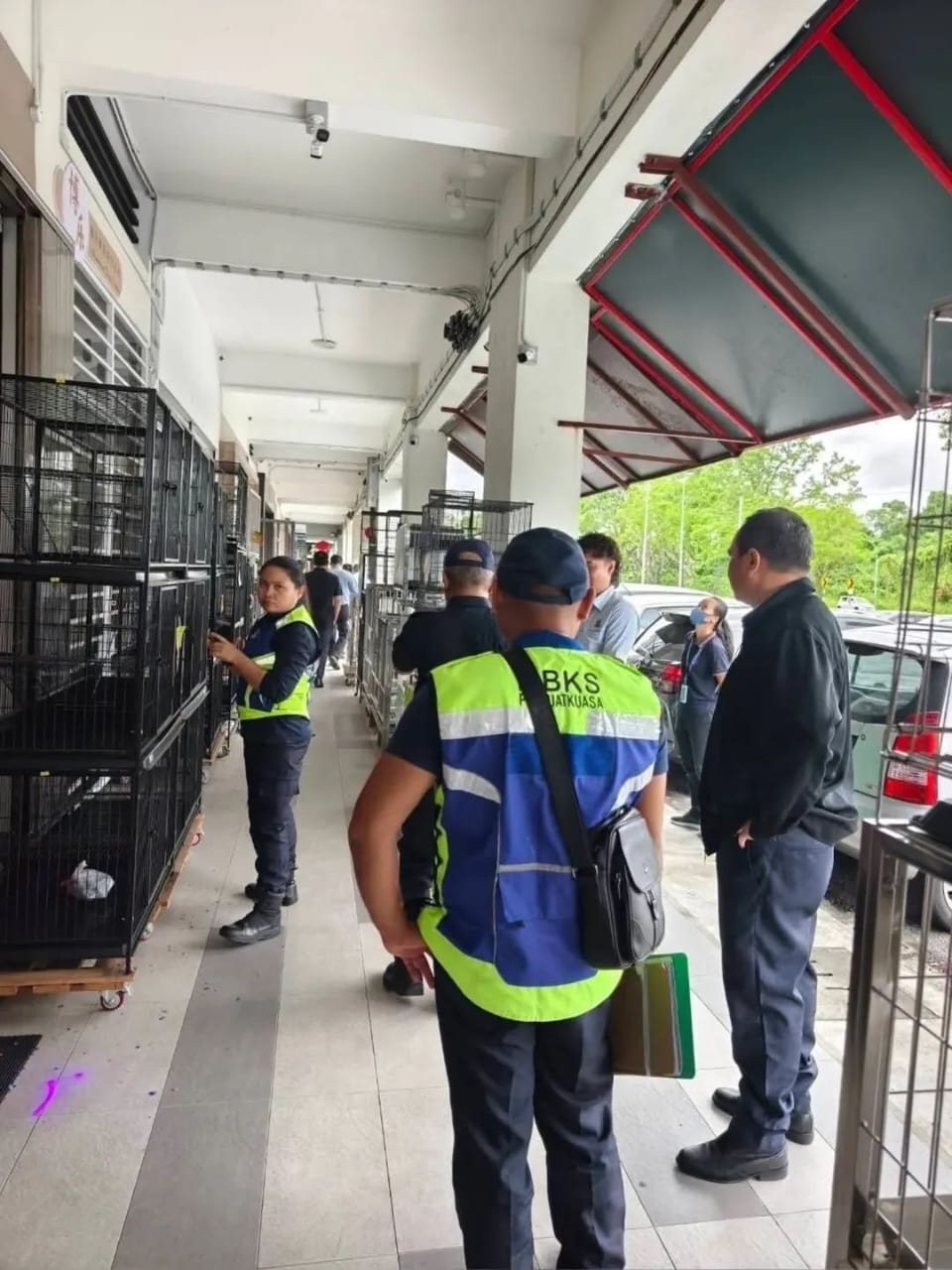
Beyond enforcement, MPKS relies on routine monitoring. Daily patrols are carried out twice a day, supplemented by scheduled inspections under the Local Authorities Regulatory Compliance Index (LARCI), joint operations with the Public Health Department, and cooperation with local communities and the police.
Public cooperation, Abang Ismawi stressed, remains crucial.
“Reports made to the council help us identify culprits and allow immediate action to prevent dumping sites from being overwhelmed with more waste,” he added.
Across the Samarahan-Serian boundary, the picture looks markedly different.
Serian District Council Chairman, Datuk Peter Minos, said illegal dumping was not a significant issue in the district, largely due to its smaller scale and limited construction activity.
“Serian is not like Kota Samarahan. There isn’t much building or construction here, and developers are aware of the penalties,” said the former MPKS chairman.
Minor cases do occur, he added, but they are infrequent and quickly addressed by an alert enforcement team.
Since assuming office in March last year, Peter said he had not received reports of serious illegal dumping incidents in the district.
The differing experiences between the two councils reflect a broader reality: as areas urbanise and industrialise, enforcement challenges grow alongside them.
Where development accelerates, so too does the need for vigilance—not only from authorities, but from the communities living with its consequences.