KOTA BHARU: The automated gates (autogates) and biometric systems, which will be fully implemented by 2028, will enhance the standard operating procedures (SOPs) for immigration checks at all national entry points, including Immigration, Customs, Quarantine and Security (ICQS) complexes under the coordination of the Malaysian Border Control and Protection Agency (MCBA).
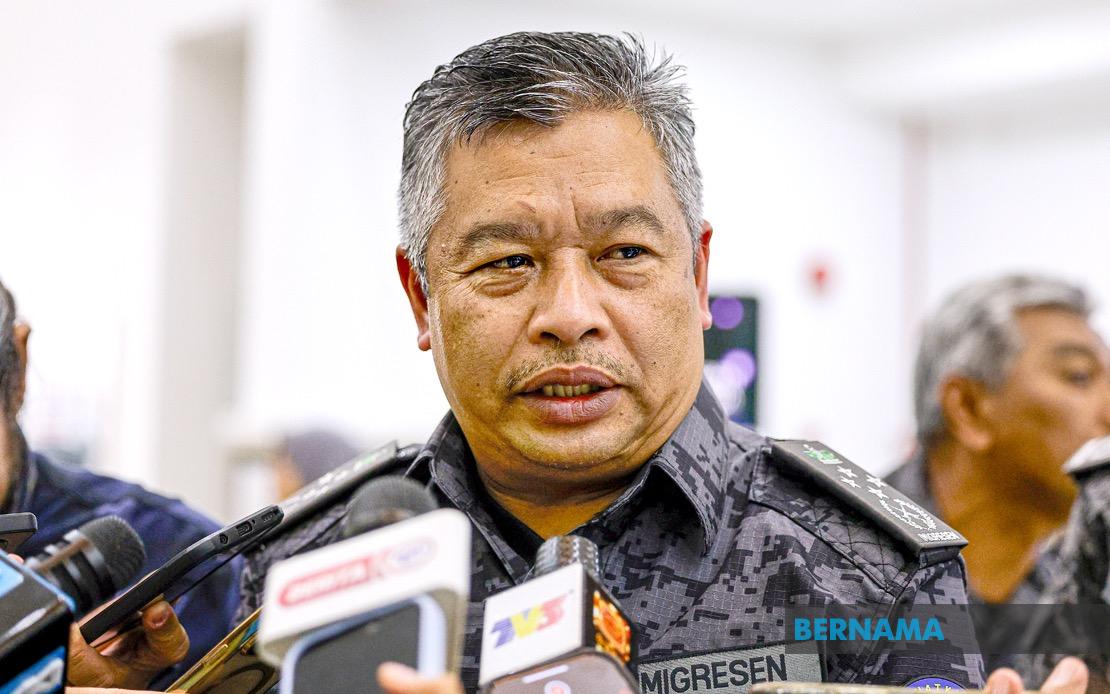
Immigration director-general Datuk Zakaria Shaaban said the technology aims to enhance the efficiency of screening and identity verification, while improving immigration services in managing the flow of cross-border movements in a more orderly and systematic manner.
Manual inspection counters would continue to be provided as backup in the event of unforeseen technical disruptions, to ensure continuity of services is not affected, he added.
“The installation of 635 autogates at 125 entry points nationwide by 2028 would reduce reliance on manual inspections by immigration officers,” he told Bernama recently.
He explained that routine checks would be then managed via the technological system, allowing Immigration Department manpower to be optimised for enforcement assignments and more challenging investigative duties.
On concerns over an rise in attempts by undocumented migrants to enter through ungazetted routes along the borders of Kelantan, Perlis and Kedah, Zakaria said the department’s focus is to ensure that screening systems at official entry points are maintained at the highest security level and are not easily exploited by syndicates.
He said the effectiveness of systems at official entry points indirectly supports the efforts of other security agencies in monitoring and curbing activities along ungazetted routes, making it more difficult for syndicates to use valid travel documents as a disguise tactic.
According to him, the Immigration Department also ensures that the systems used are highly resilient, including the capability to operate independently or in offline mode in the event of network disruptions.
He also explained that physical control of national entry points was now under the coordination of MCBA, while the role of his department focused on systems, screening and immigration enforcement, and that efforts to modernise immigration services would continue through the use of biometric systems such as the Automated Biometric Identification System and facial recognition systems.
He pointed out that the comprehensive digital approach would ensure that immigration services remain efficient, transparent and highly prepared, supported by local server infrastructure as well as stable central servers.
Commenting on allegations that officers suspected of being involved with migrant management syndicates were merely transferred without further action, Zakaria stressed that such claims are often misunderstood.
He said the transfer of officers under investigation was an initial preventive measure to avoid any interference with internal investigations, including access to relevant documents or systems.
“This action is important to immediately halt any suspected activities, while also ensuring transparency and fairness throughout the investigation process,” he said.
According to him, once internal investigations are completed, disciplinary proceedings will be carried out in accordance with the Public Officers (Conduct and Discipline) Regulations 1993, and if there are criminal elements, legal action will be taken under existing provisions.
All immigration personnel are required to declare their assets in line with Regulation 10 of the Public Officers (Conduct and Discipline) Regulations 1993, while officers are required to submit asset declarations annually under Administrative Directive No. 1/2021, he said.
Monitoring of personnel is carried out continuously as a standard process through the Compliance Unit, in addition to follow-up actions by the Detection and Verification Unit of the Integrity Division against any officer reported to be living beyond their means.
“However, to date, no officer has been subjected to action for violations of Regulation 10 or the Administrative Directives issued as stipulated,” he said.
In addition, Zakaria said that throughout 2025, a total of 24 immigration officers at several of the country’s main entry points, including Kuala Lumpur International Airport, the Customs, Immigration and Quarantine Complex at Sultan Iskandar Building in Johor Bahru, the ICQS Complex in Rantau Panjang, Pasir Mas, Kelantan, and Penang International Airport, were arrested for offences under the Malaysian Anti-Corruption Commission Act 2009. – BERNAMA