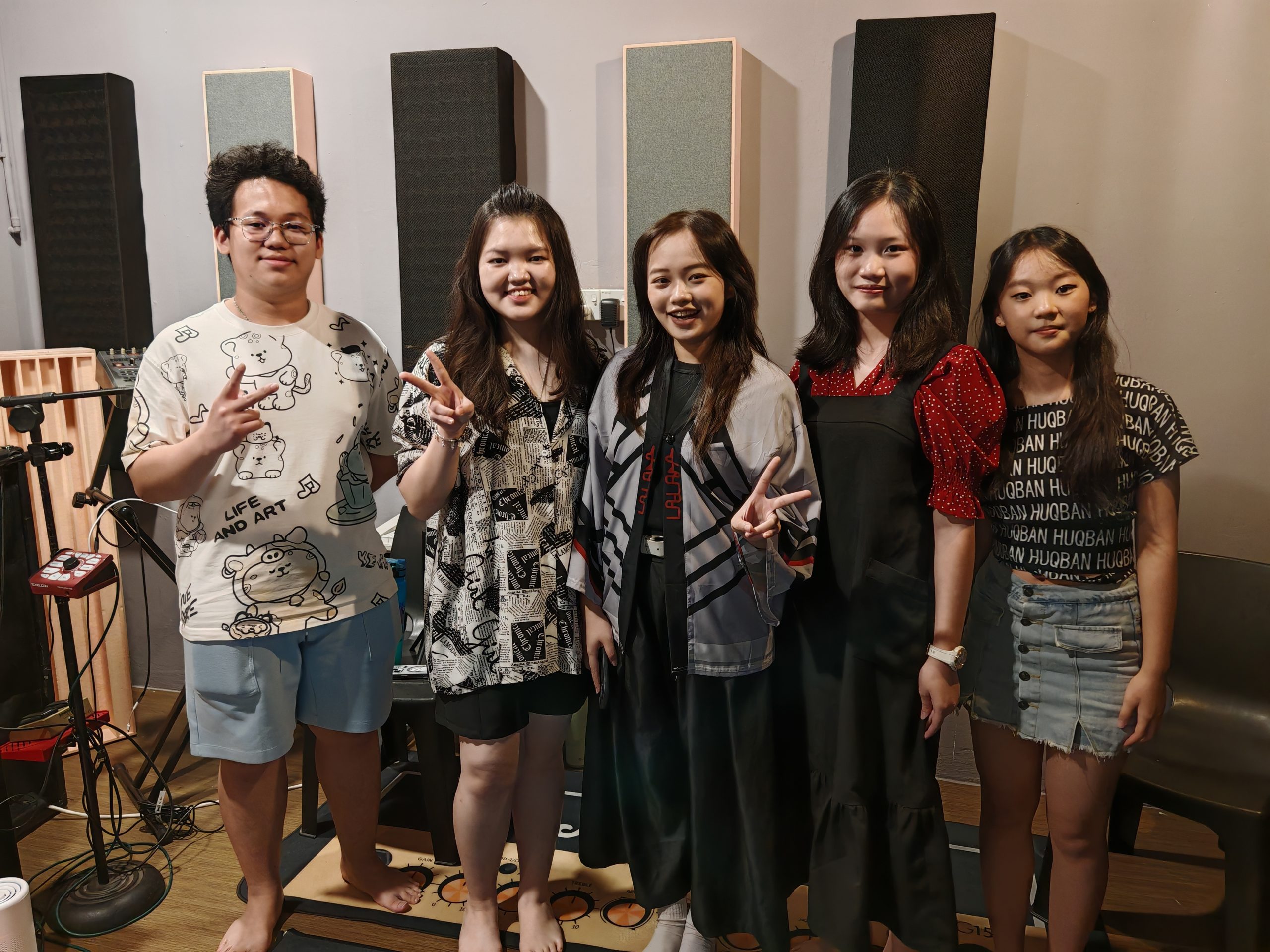
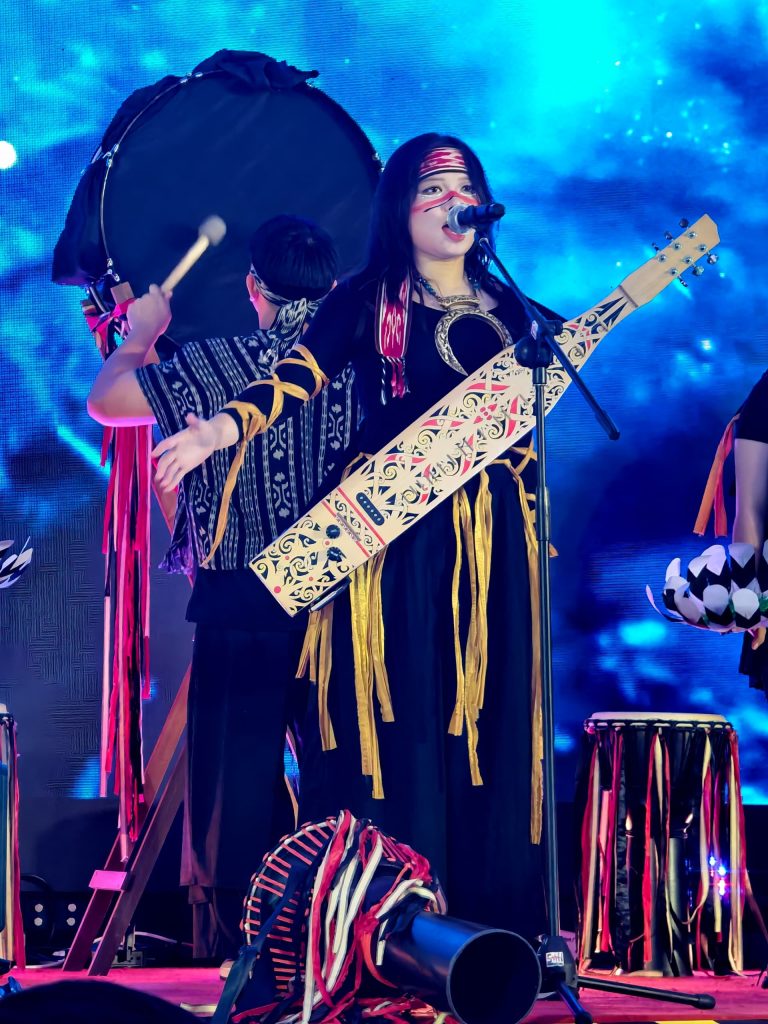
With drums, chants and traditional instruments, ‘Baby Dream Machine’ brings Sarawak’s diverse musical heritage to life through its young performers, proving that culture thrives when passed on early.
Next-Gen Rhythms
BABY Dream Machine, born from its parent band, Dream Machine, is an evolution of music, with its drums, chants and various traditional instruments playing together. A fusion of different cultural music in Sarawak, the band comprises children as young as six to 17, performing with the spirit of Sarawak in them.
Sharing further on the energy and excitement of the band’s performances, its teacher Sim Kok How, also part of Dream Machine, said the band was created to instil the art of culture in the younger generation. As one of the earliest Chinese sape players, who was under the tutelage of sape legend Matthew Ngau Jau, Sim hopes that Sarawak music never dies.
“As a musician, I hope to share my love for traditional instruments and music with the younger generation. Now it is easier to learn all these compared to my time, when the internet was scarce,” said the 47-year-old.


At his studio in Stutong, Kuching, he houses drums, string instruments, and traditional instrument lessons alongside the other band members of Dream Machine. From there, they choreograph the rhythm and movements for the children to perform. Part of the performance includes singing and percussion playing.
“Most of the kids who learned under me have been here since they were young. Back then, we didn’t have such opportunities to perform onstage, but seeing how talented they were, I tried to provide the chance for them to showcase their respective skills,” added Sim.
What started as their first performance at Siniawan as buskers in 2022 soon evolved. His students learned to coordinate and synchronise the rhythm according to one another. Today, Baby Dream Machine is able to deliver energetic and electrifying performances that layer instruments seamlessly.


A lifetime experience
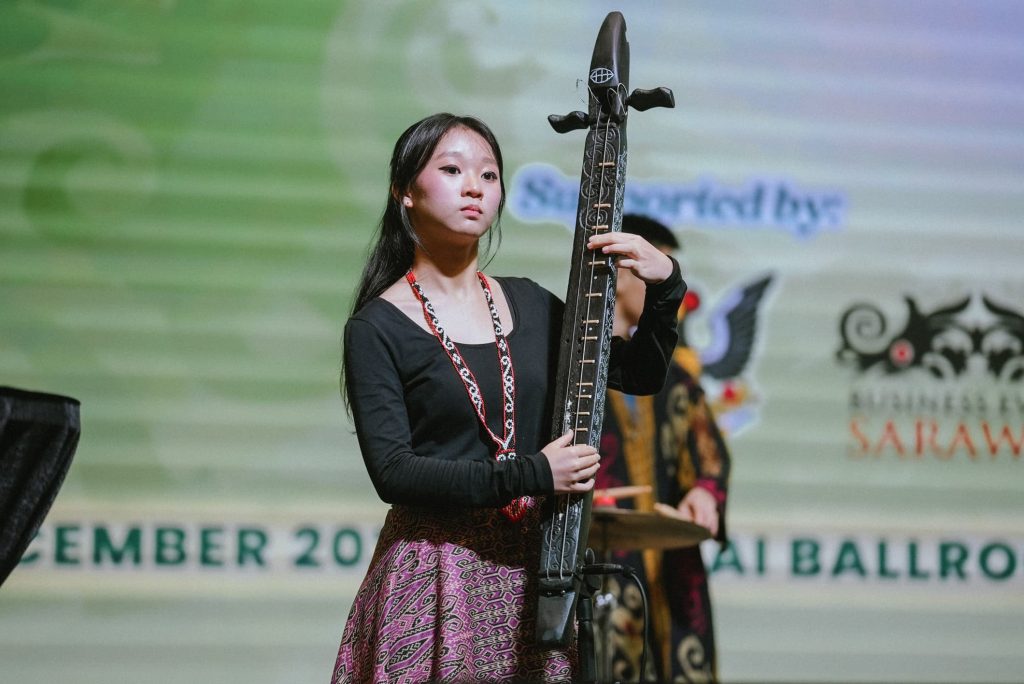
Sharing more about her experience being in the band, band leader Yaya Simara revealed that prior to joining Baby Dream Machine, she learned under Sim how to play the guitar and the drum. She also recently learned to play the sape and djembe. As Sim’s daughter, Yaya’s passion for music was instilled from a young age.
“I remember picking up the guitar at a very young age, when my fingers were still soft and small. Dad would let me practise on it, but the strings would hurt my fingers. That was among my earliest memories of playing an instrument. Despite the pain, I continued because of my interest,” said the 17-year-old.
The oldest among the band members interviewed, Yaya said music brings her immense happiness. When she is able to express her feelings through music, she feels lighter. Though she practises often, she never tires of it.
“Music feels like a part of me; hence, when I grow up, I want to be a musician,” she said.
Meanwhile, Sim Chia Le began his musical journey at the age of eight. What started as an interest in watching drummers on YouTube led him to ask his parents if he could try the drums.
“It felt like an interesting instrument to play,” said the 17-year-old.
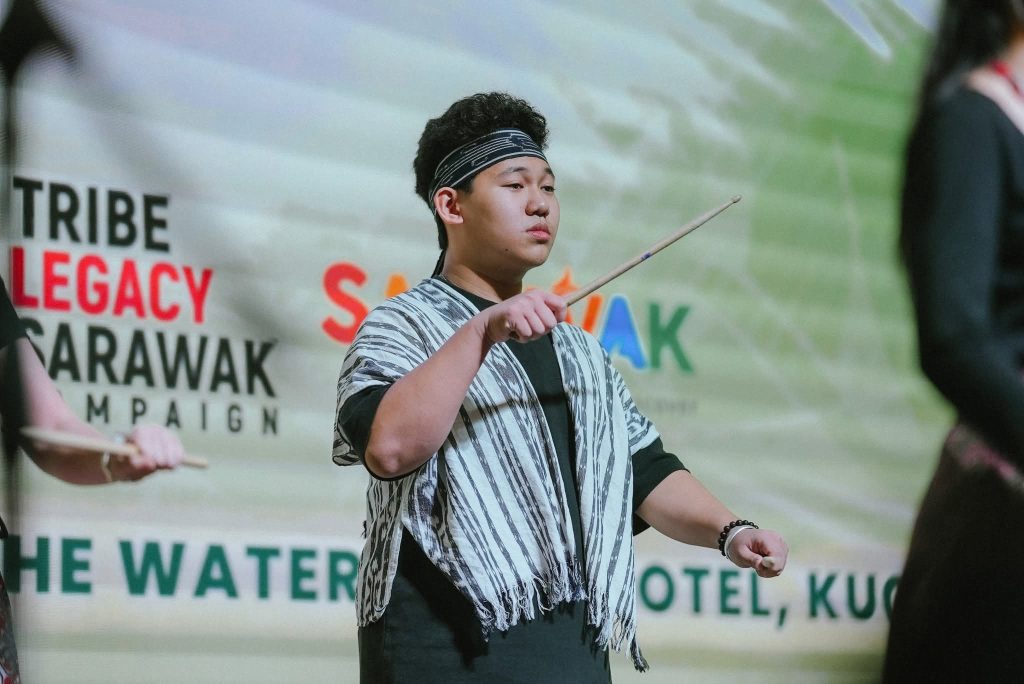
A drummer in Baby Dream Machine, Chia Le said he enjoys being part of the band because the weekly meetups and performances give him a platform to release stress.
Sharing a similar sentiment, 17-year-old Tiffany Ng uses music to relieve the pressures of studying. Ng is one of the band’s vocalists and also plays the piano, guitar and ukulele.
“I turn to playing instruments when I’m tired from homework. Being in Baby Dream Machine and performing alongside my band members gives me an avenue to enjoy myself with friends. Even the studio where we practise feels like a second home to me,” she said.
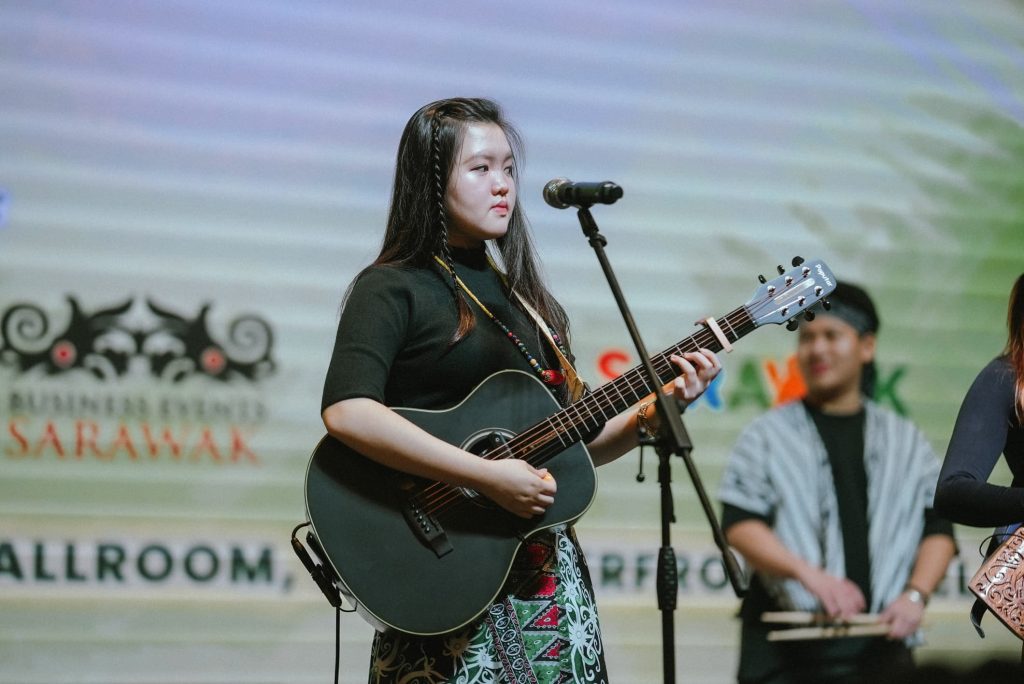
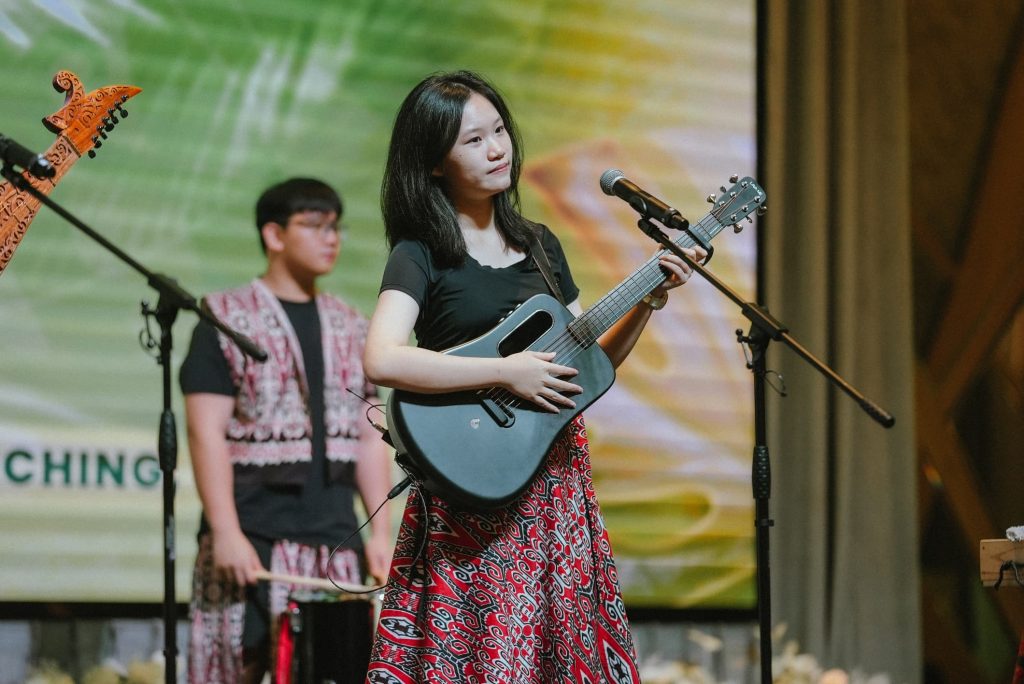
Another vocalist, Chiang Yin Han, shared that apart from singing, she also plays the guitar and ukulele. Although often busy with tuition and schoolwork, Chiang regularly practises her string instruments while singing.
As a singer, learning to play instruments gives her the added advantage of having a background in music.
“Playing music makes me feel relaxed, and I love it because it’s like a getaway for me,” Yin Han said.
Sitting amidst the other four, Abigail Sim – the youngest interviewed – was also the smallest. Starting with the ukulele, and then moving to the guitar and drums, Abigail learned the instruments within five years, beginning at age 10. She also picked up the Iban traditional instrument, the tapi.
“I wanted to try something new, and playing these instruments felt fun. Each time I get to perform with Baby Dream Machine, the experience helps improve my skills on the different string instruments,” she said.
Altogether, these children, alongside others in the band, are the hope for Sarawak’s next generation of traditional music. As the rhythm from the rainforest evolves with every drumbeat and the strum of cultural string instruments, Baby Dream Machine reminds us that the future of tradition does not lie in nostalgia alone, but in giving the next generation the space, trust and stage to carry it forward – louder, prouder, and very much alive.