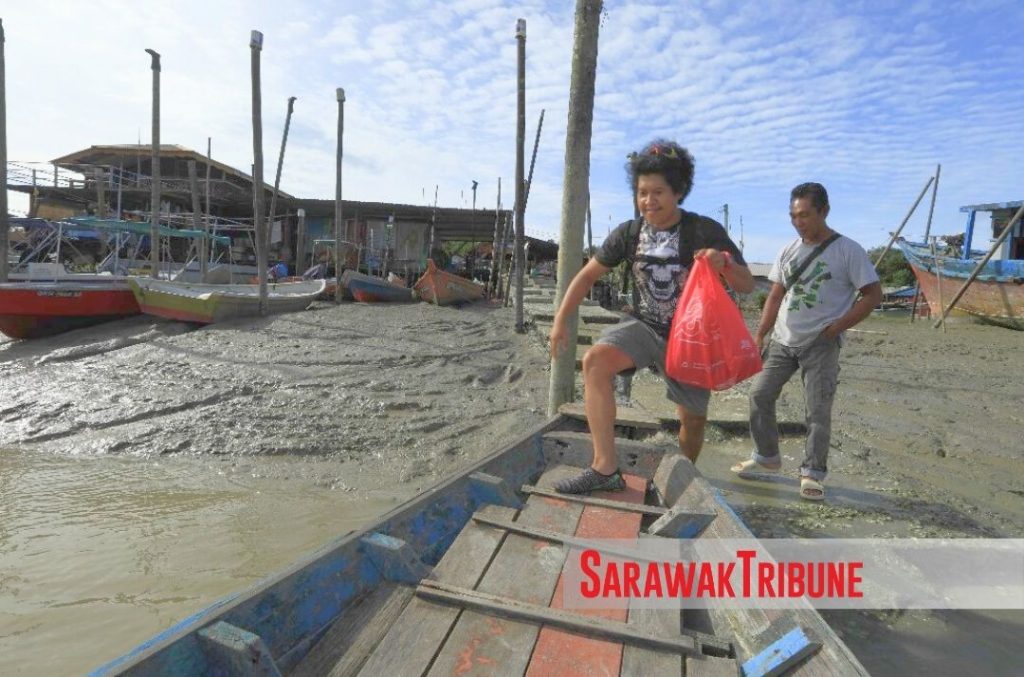
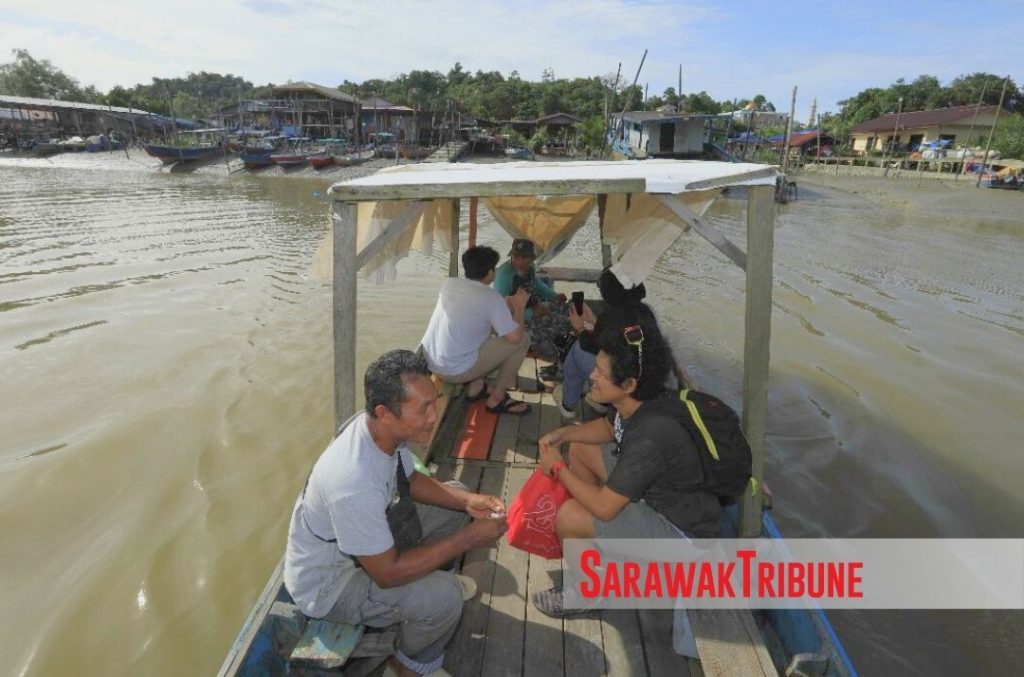
KUCHING: For the residents of Bako, crossing the river is more than just a daily routine, it is a lifeline.
Crossing it connects families, schools and markets.
To ensure continuity of service for residents in Bako, for 40 years a boat operator remains dedicated to his work even though he is now the only one still in service.
The resilience and spirit of Bohari Den, a boatman in Bako, have become a vital lifeline for river transport for decades, especially for residents who rely entirely on water transport for their daily lives.
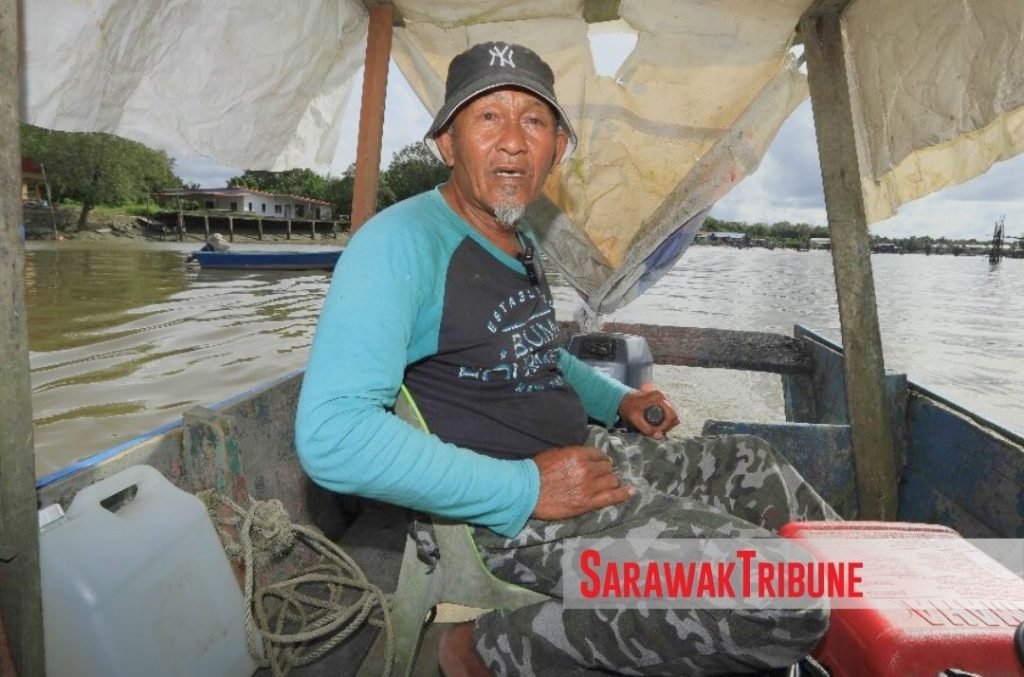
At 62, Bohari remains committed to his work, navigating the calm and sometimes unpredictable waters of the Bako River.
According to him, the service makes it easier for villagers to cross the river in a short amount of time.
“A road has been built, but it’s narrow and takes more than 10 minutes to travel. With this service, they save time,” he told Sarawak Tribune.
He also revealed that the boat operates from 5.30 am to 6.00 pm, providing a vital shortcut for villagers.
During the school season, children rely on the boat to reach their classes safely and on time.
”I’m happy because at least I can help students cross the river during the school season,” he said earnestly.
Bohari’s work extends beyond simple transport. Serving the community while staying connected to the rhythms of life along the river gives him satisfaction.
“During festive seasons or weddings, I earn more, sometimes exceeding RM200 daily, because many people want to use the service,” he added.
Commenting on his daily income, he said that the returns are sufficient for operational costs and daily needs.
He started operating his boat in the 1990s, earning the trust of generations of Bako residents. Years on the river have given him a deep understanding of the local environment.
“There are crocodiles in this area, but they have never bothered us (boat operators). We don’t disturb them, and they won’t disturb us,” he said.
Despite modern conveniences slowly reaching Bako, Bohari remains convinced that the boat service is essential. While the narrow road takes longer, it provides convenience and a sense of reliability.
“It’s true that we now have a road. However, this service is still needed because the locals want and rely on it,” he said.
Looking ahead, Bohari expressed hope that someone will continue the service in the future. He understands that his work represents more than a livelihood, it is a bridge between the community and the life they lead along the river.