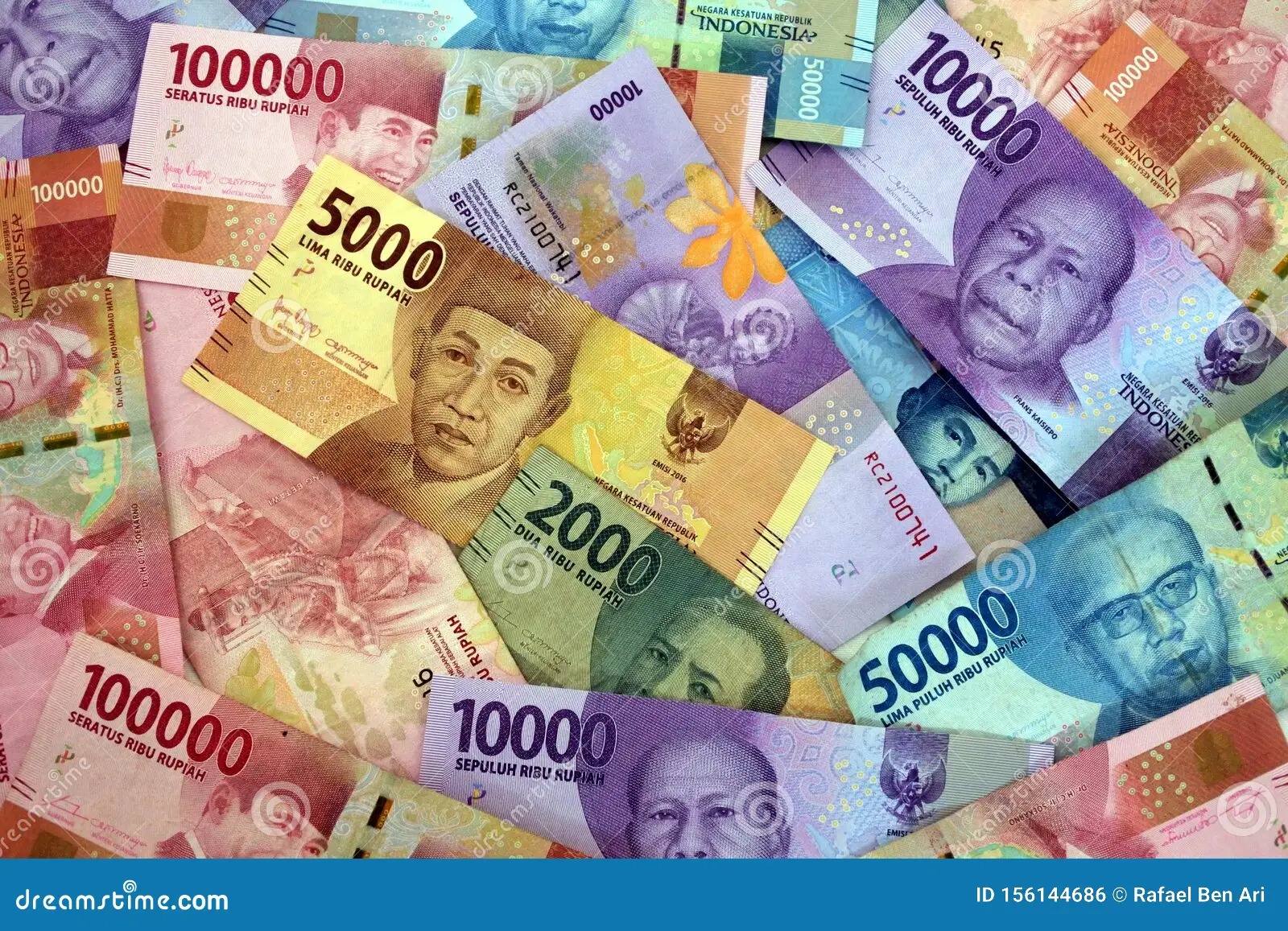
JAKARTA, Indonesia: Bank Indonesia (BI) is optimising the use of its monetary operation instruments and actively participating in the spot and domestic forward markets to strengthen the rupiah, which has weakened beyond the 17,000 level against the US dollar due to increased global uncertainty.
Senior Deputy Governor, Destry Damayanti, said maintaining exchange rate stability has become a priority as external pressures intensify.
“Amid high global uncertainty, stability is currently a priority for Bank Indonesia,” she said, according to ANTARA News Agency, on Tuesday.
Destry said that BI has consistently engaged in the money market, including the spot market and the Domestic Non-Deliverable Forward (DNDF) in the domestic market, as well as the Non-Deliverable Forward (NDF) in the offshore market.
She said the impact of the West Asia conflict is two-sided, noting that higher commodity prices and Indonesia’s position as an exporter could have a positive effect on the economy and help offset pressure on the rupiah arising from the escalation.
According to market data, the rupiah closed at 17,105 per US dollar on Tuesday, weakening by 70 points or 0.41 per cent from the previous close of 16,980, while BI’s Jakarta Interbank Spot Dollar Rate (JISDOR) also weakened to 17,092 from 17,037 previously.
BI had said it would calibrate its intervention instruments in response to three possible scenarios stemming from the West Asia conflict, depending on the trajectory of global oil prices.
Governor Perry Warjiyo said on March 17 that the policy response is reinforced by maintaining adequate foreign exchange reserves and supported by interest rate policy.
Latest data from Statistics Indonesia showed Indonesia recorded a trade surplus of USD1.27 billion (approx. RM5.97 billion) in February 2026, up from USD0.95 billion (approx. RM4.47 billion) in January.
Separately, BI reported foreign exchange reserves stood at USD151.9 billion (approx. RM713.93 billion) at end-February 2026, equivalent to 6.1 months of imports or 5.9 months of imports and government external debt payments, well above international adequacy standards. – BERNAMA