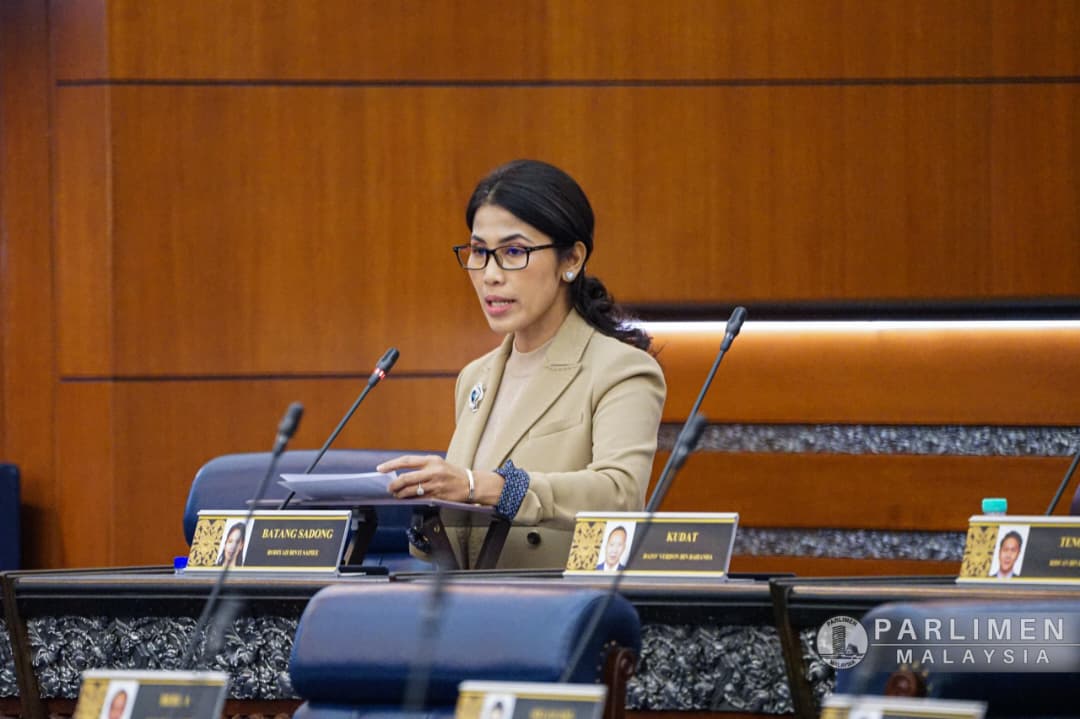
KUCHING: During the parliamentary debate on Tuesday, Batang Sadong Member of Parliament (MP), Rodiyah Sapiee, raised concerns over health allocations, highlighting rising HIV infections among youths, mental health challenges, and shortages of healthcare personnel in Sarawak.
Taking into account the reduction in funding for health education, Rodiyah said that in 2024, 222 tertiary students aged 18 to 19 were confirmed HIV/AIDS cases.
“I propose that the existing allocation be streamlined with an emphasis on more targeted prevention programmes, such as regular HIV and sexual health talks in secondary schools and tertiary institutions, and mandatory briefings and periodic basic health screenings at universities,” she said.
On mental health, Rodiyah expressed concern over the allocation cut to the National Centre of Excellence for Mental Health (NCEMH) , from RM24.6 million to RM21.6 million.
“Early screening programmes in schools and universities, counseling services, community interventions, and crisis helplines must be strengthened despite reduced allocations,” she said, emphasising the need for collaboration among psychologists, non-governmental organisations (NGOs) and communities.
Rodiyah highlighted the MADANI Medical Scheme’s allocation drop from RM100 million in 2025 to RM50 million for 2026 and proposed expanding it to include check-ups for pregnant mothers receiving standard treatment (ST) and early screenings for diabetes and hypertension for low-income workers.
Rodiyah also highlighted critical workforce shortages in Sarawak, where hospitals lack sufficient doctors and nurses.
“Sarawak requires at least 11,000 new positions to ensure the health service system functions effectively. Delegated hiring authority should be granted to expedite filling critical positions,” she added.
She also stressed the importance of strengthening rural health clinic quarters with adequate facilities to attract healthcare personnel to remote areas, while welcoming the substantial federal allocation for hospital and clinic development.
“We need clarity on allocations for Batang Sadong clinics and the commencement of the Hospital Simunjan Upgrading Project,” Rodiyah added.
In supporting the MP’s stance, Dr Dzul Hadzwan Husaini of Universiti Malaysia Sarawak (UNIMAS) said her intervention reflects the current realities as well as emerging challenges that must be addressed through a strategic national health expenditure framework.
He emphasised the importance of forward-looking policies amid Malaysia’s approaching ageing nation status.
“Health expenditure must build an ecosystem capable of supporting the emerging silver economy – an economy increasingly dependent on an older workforce and a larger elderly population.
“Many ageing countries have already raised their mandatory retirement ages to 68 to 70 years or even higher, and Malaysia will eventually need to confront similar policy considerations to maintain fiscal sustainability and labour force stability.
“However, any shift in retirement policy must first be supported by a strong and resilient healthcare ecosystem, ensuring that Malaysians can work longer without compromising their wellbeing,” he said.
On mental health, he said workplace stress, post-pandemic social isolation, economic uncertainty, and academic pressures highlight the need for robust early psychological screening and counseling services, especially with reductions in NCEMH allocations.
Dr Dzul also highlighted the economic risks of rising HIV infections among youths.
“Young people who fall ill or drop out of education and employment contribute to long-term social and economic costs. Strengthened sexual health education, routine screening, and community interventions must be expanded, not reduced,” he said.
Finally, he underlined the growing burden of non-communicable diseases (NCD).
“Expanding the MADANI Medical Scheme to include NCD screenings is a timely measure, particularly for B40 communities, to ensure both economic productivity and social wellbeing,” he added.