BY CLARENCE JERRY, PHD

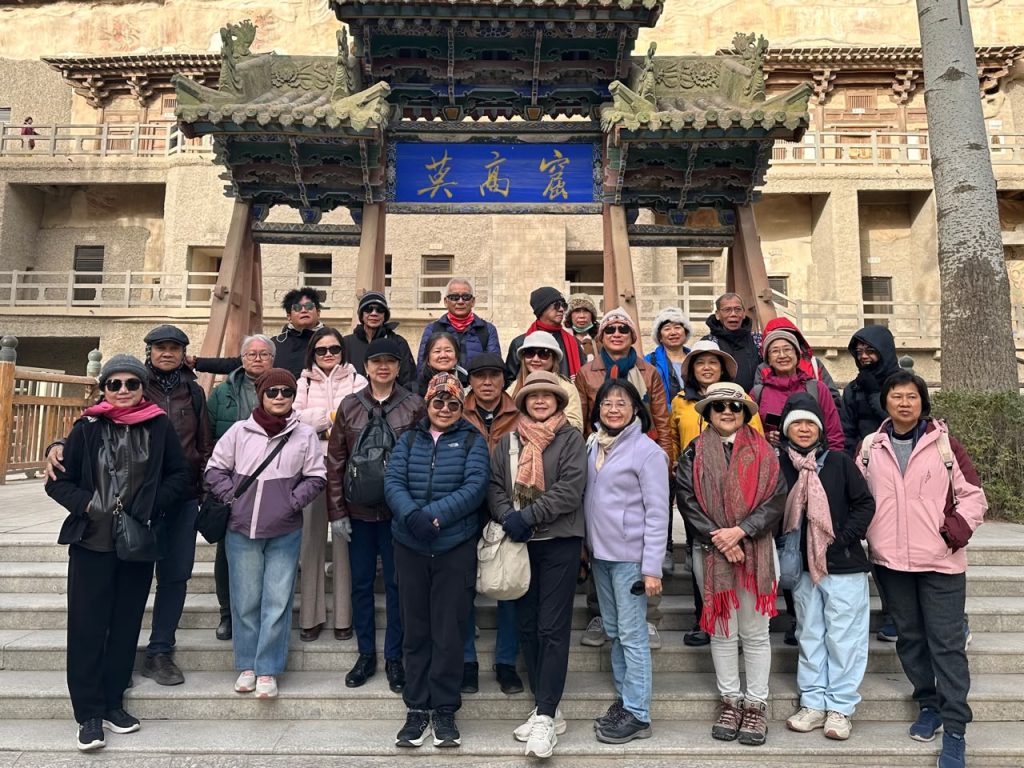
My recent 18-day journey through Xinjiang and Gansu, China, offered much more than an opportunity to discover the region’s rich history, diverse cultures, socio-economic conditions and physical development. What particularly caught my attention was the transformation of education and its role in changing communities and shaping their future.
Throughout the journey, as we travelled across vast landscapes, from ancient Silk Road cities to remote settlements surrounded by mountains, deserts and seemingly endless stretches of land, I could not help but observe the remarkable scale of development taking place. What struck me was not merely the impressive scenery and historical landmarks but also the infrastructure and human development that have gradually connected these once-isolated communities to the wider world.
One conversation with our Uyghur tour guide was particularly thought-provoking. She shared that her people were grateful to the government for helping them move away from what she described as a “jahil” (ignorant) mindset. According to her, parents are now expected to ensure that their children attend school at least up to the middle-school level, as basic education is compulsory. Her account offered an interesting personal perspective on how education is perceived within her community and the changes she has witnessed across generations.
This got me thinking about the transformative power of education. It is not simply about sending children to school, obtaining certificates or producing graduates. More importantly, education opens minds, broadens perspectives, develops critical thinking and equips younger generations with the knowledge and skills to participate meaningfully in society. When access to education improves, the possibilities for individuals, families and entire communities also expand.
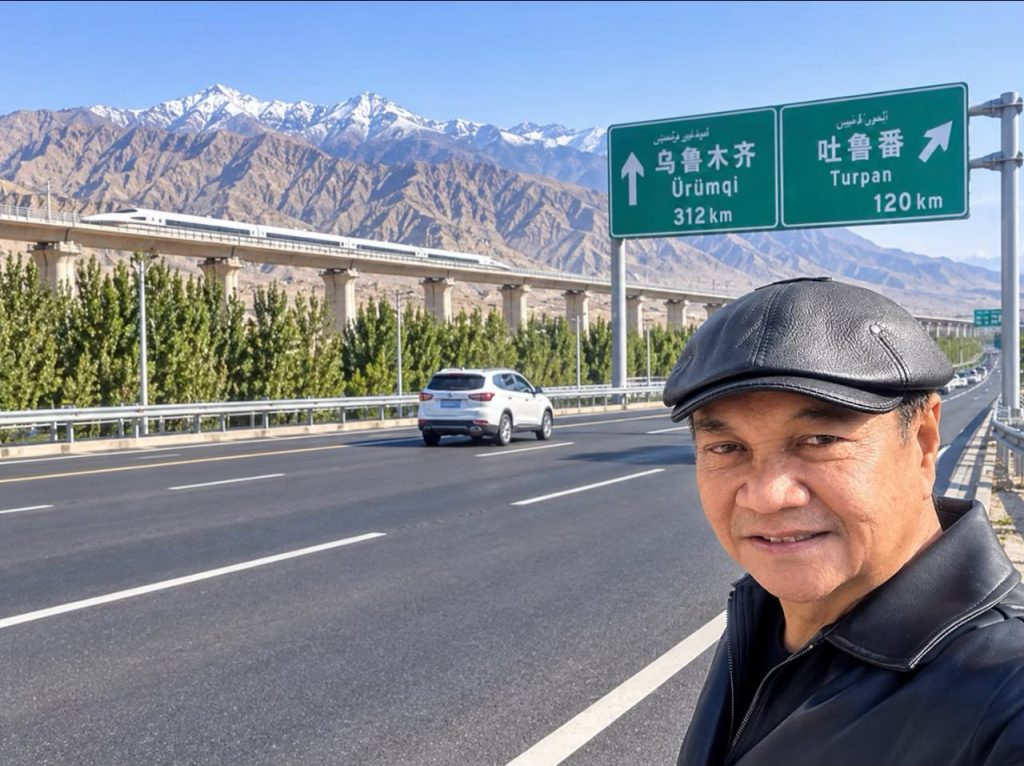
It is worth remembering that some five decades ago, many parts of Xinjiang and Gansu were relatively remote and economically underdeveloped. Today, the changes are visible on a remarkable scale. We travelled along extensive road networks, through mountain passes and long tunnels, witnessing how modern highways and railway connections have brought distant settlements closer to major towns and cities. Improvements in water supply and electricity infrastructure have also contributed to better living conditions for rural communities.
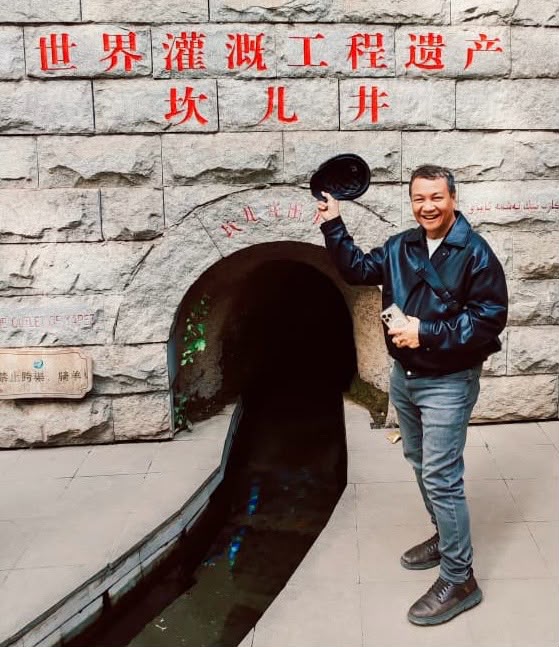
Equally interesting was seeing how people have adapted their livelihoods to the geographical and climatic conditions of the region. In Turpan, for example, the traditional Karez underground irrigation system demonstrated the ingenuity of earlier generations in harnessing scarce water resources to sustain agriculture in an extremely dry environment. The grape-drying houses and agricultural activities also illustrated how communities have developed livelihoods around the natural resources available to them.
These observations reminded me that development does not happen overnight. It requires long-term planning, sustained public investment, connectivity, access to education and, importantly, opportunities for people to improve their economic circumstances. Infrastructure brings essential services closer to the people, facilitates the movement of goods and services, encourages tourism and investment, and creates opportunities for rural communities to participate in the broader economy.
Of course, every region has its own historical, political, geographical and socio-economic circumstances. What has happened in China cannot simply be replicated elsewhere. Nevertheless, there are valuable development lessons that we can reflect upon.
And what does all this mean for Sarawak?
I believe there is certainly much for us to learn and reflect on. Our state government has placed considerable emphasis on rural infrastructure, connectivity, education and socio-economic development. I sincerely hope that these initiatives will continue to gather momentum and reach even the most remote villages and communities in the interior of Sarawak.
Having spent much of my professional life in education, I am particularly convinced that education and physical development must go hand in hand. Building roads, bridges, schools, water supply systems and electricity networks is essential. However, we must also ensure that children in rural communities have access to quality education, capable teachers, appropriate learning facilities and opportunities to pursue higher education and professional careers.
We must also look beyond school enrolment and examination results. The real measure of educational transformation is whether our young people become knowledgeable, confident and skilled, and are capable of contributing to their families, communities and the development of Sarawak. Equally important is ensuring that the benefits of development translate into better livelihoods and greater economic participation for the rural population.
As I reflect on this journey, one thing becomes increasingly clear to me: the true measure of development is not simply how modern our cities become, how impressive our infrastructure looks or how fast our economy grows. It is how effectively these developments improve the lives of ordinary people, particularly those living in remote and underserved communities.
Our children in the rural interior deserve the same opportunities as those growing up in our cities. Their geographical location should never determine the limits of their aspirations or their future.
After 18 days of travelling through Xinjiang and Gansu, I return with more than photographs, memories and historical knowledge. I return with a renewed appreciation of the importance of education, long-term development planning and the need to ensure that no community is left behind.
Ultimately, roads connect places, education opens minds, and opportunities transform lives.
That, perhaps, is one of the most meaningful lessons I take home from this journey.
Dr Clarence Jerry is a former senior lecturer and Head of Department at the Tun Razak Institute of Teacher Education. He holds a PhD in English Language Teaching from Universiti Malaya and has extensive experience in teacher education, educational research and community development. He remains actively involved in educational and community initiatives in Sarawak.