KUCHING: In a multilingual society like Malaysia, the ability to speak more than one language is often seen as an advantage — but for non-Chinese Malaysians who attended Chinese-medium schools, that advantage runs deeper than most.
It has to do with breaking down cultural barriers to unlocking career opportunities.
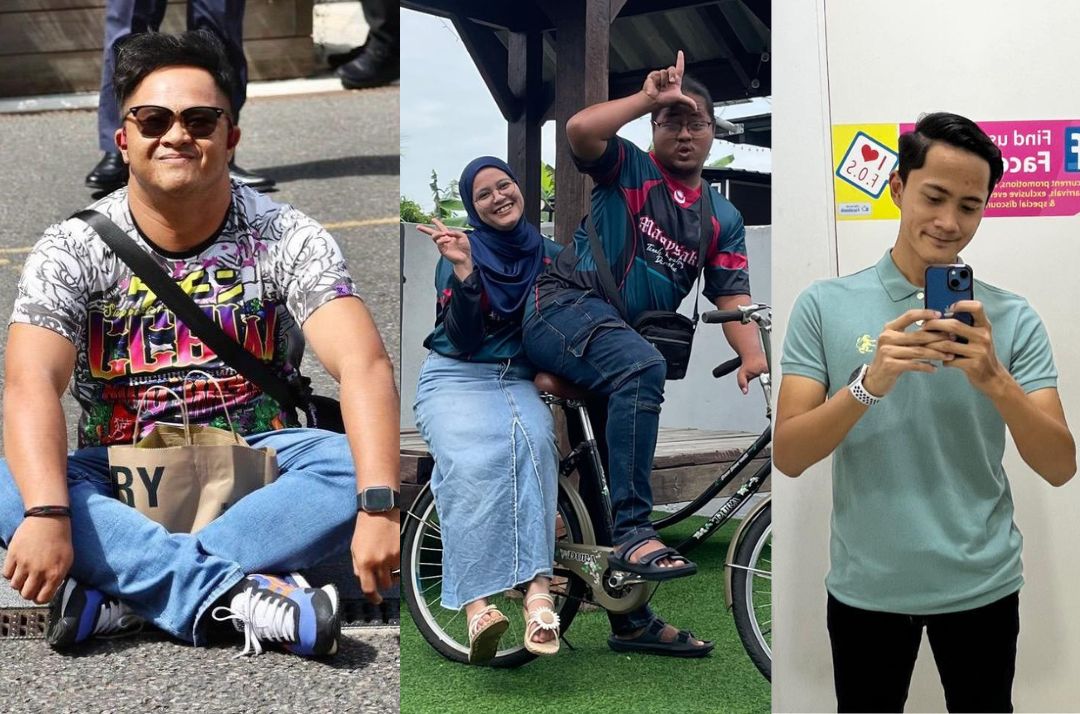
Sarawak Tribune spoke to three individuals who found that embracing a language outside of their own heritage has shaped their lives in unexpected and rewarding ways.

For Muhammad Nur Hakeem, 39, a car detailer, attending a Chinese primary school was a decision that has paid off in more ways than one.
Having learned Mandarin young, he has never stopped using it.
“Not everybody, especially the old Chinese-speaking community, are fluent in other languages,” he said, noting that the ability to communicate with Mandarin speakers — including business partners from mainland China — makes everyday interactions far smoother.
He even does mental arithmetic in Chinese, finding it simply easier that way.
Surprisingly, Hakeem said that mastering the language never felt like a struggle.
“I owe it to my large circle of Chinese friends for keeping me immersed in the language naturally,” he added.
For him, the experience goes beyond practicality.
“It shows strong multiracialism,” he said with pride — a reminder that in a diverse society, crossing cultural and linguistic boundaries can be one of the most powerful things a person can do.
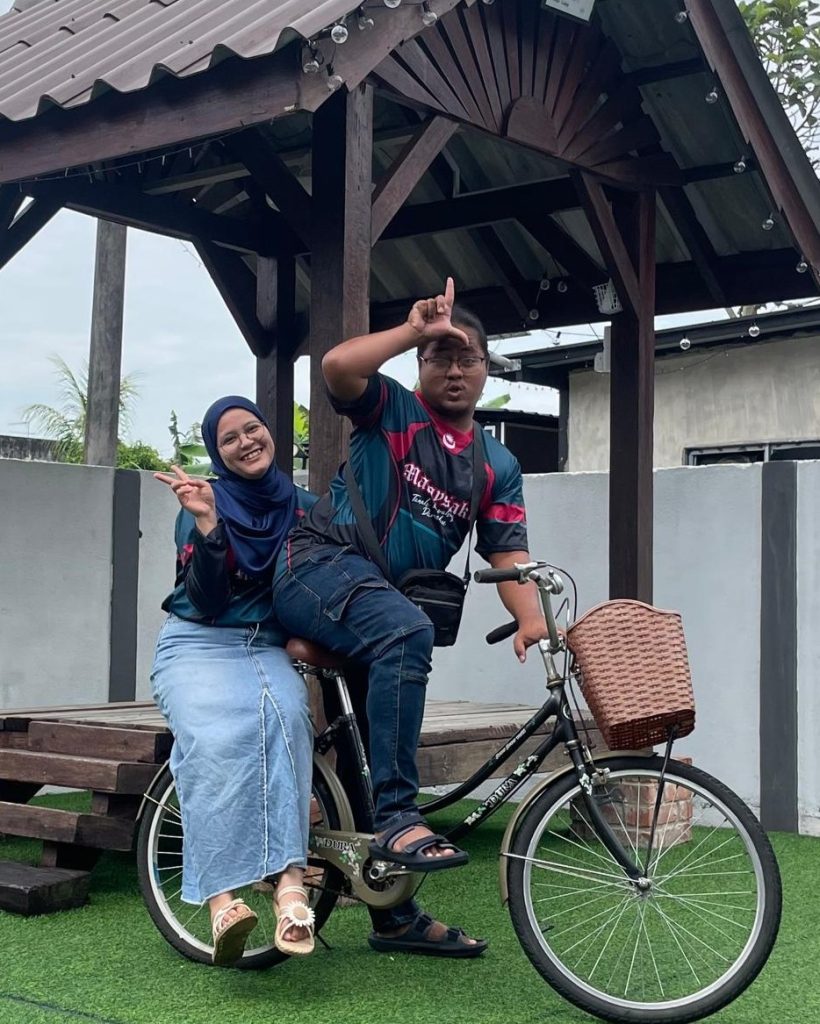
Meanwhile, education counsellor Shaszmyra Mohd Yazid, 28, traces her journey back to her father’s admiration for a close friend who studied in China and returned to Malaysia with remarkable career prospects.
“My father found the Chinese language was very unique to listen to,” she recalls, and that curiosity was enough to set the whole family on an unconventional educational path — one that Shaszmyra followed all the way through Form 6, even sitting for the UEC examination.
Today, living in a predominantly Chinese neighbourhood, her Mandarin proficiency has proven to be a professional asset, allowing her to communicate effortlessly with Chinese clients in ways her colleagues cannot.
But the benefits stretch beyond the workplace.
Immersed in Chinese culture since childhood, she learned Wushu and Lion Dance and fondly remembers how her Chinese classmates would go out of their way to respect her Islamic dietary needs — covering their non-halal food in the canteen to avoid any splashes onto her clothing.
Overcoming the language was truly a family effort, with her mother organising “Mandarin-speaking months” at home and her father dutifully ferrying the children to tuition by public bus.
Looking back, she has no regrets.
“We do not become Chinese by speaking the language, but we become more harmonious Malaysians,” she said.

As for Ismat Hakim Ismail, 33, a pharmacist, attending a Chinese primary school was less of a deliberate choice and more a matter of circumstance — it was the only school in his hometown.
Yet what began as a practical decision has since proven to be an unexpected advantage in his career.
Working in a pharmacy, he often encounters elderly Chinese patients who struggle to communicate in Malay or English, and his ability to converse in Mandarin ensures that important medical information is delivered clearly and correctly.
The benefits spill into everyday life too, with shopkeepers warming up noticeably when he speaks their language — sometimes even offering him a better price.
His biggest challenge, however, has not been learning the language but keeping it alive.
“The hardest part is maintaining the knowledge, especially after finishing my study days,” he said, adding that he considers himself fortunate to have friends with whom he can still practise.
Looking back, Ismat is grateful.
“I would definitely recommend everyone to pick up other languages — not only Mandarin,” he said.
Across three different backgrounds and walks of life, their stories point to the same truth — that learning a language is never just about words.
It is about building bridges, opening doors, and finding common ground in a society that is richer for its differences.