GEDONG: A high-impact coconut cultivation project spanning 132 hectares here is expected to be a major driver of agricultural growth and also boost the incomes of rural communities in the region.
The project, which involves 34 participants, is among the strategic initiatives under the Integrated Regional Samarahan Development Agency (IRSDA) to empower the local economy through large-scale and sustainable agriculture.
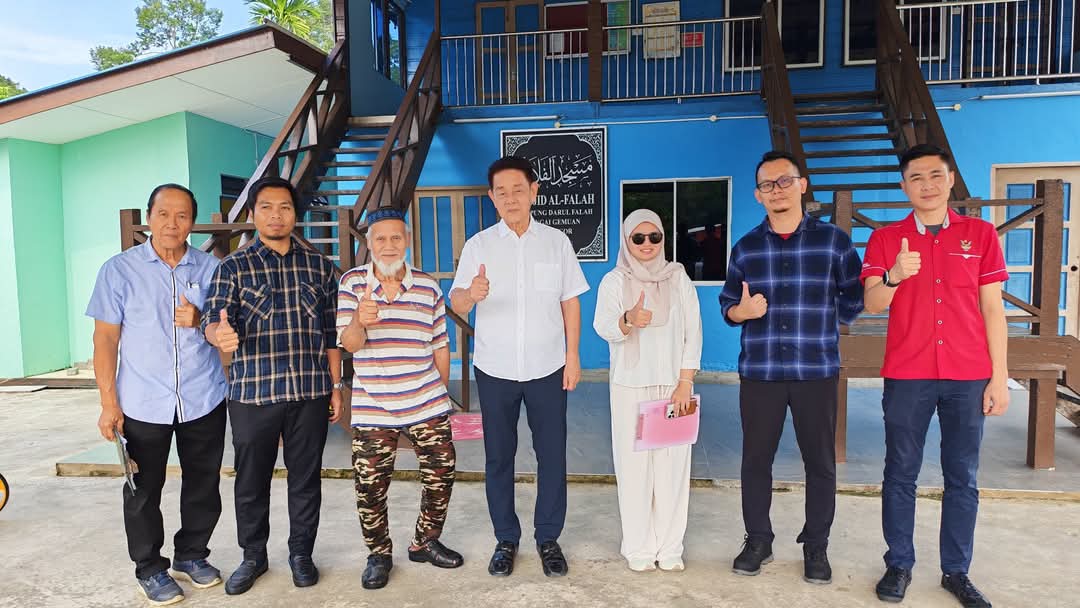
Batang Sadong Member of Parliament, Rodiyah Sapiee, said the project will not only provide economic returns to the participants but also contribute to food security and the long-term development of rural areas.
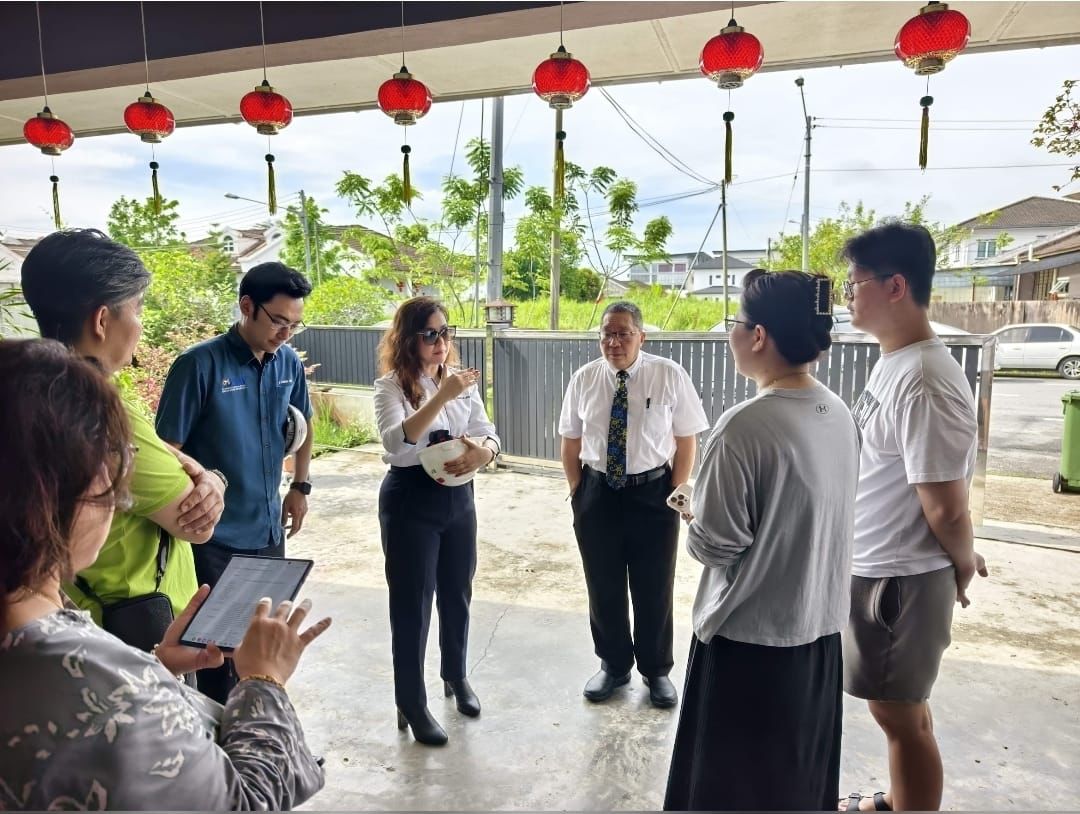
She said this during a visit to the new coconut planting development project in Lubok Teranggas Block B, Gedong on Tuesday.
Rodiyah, who is also the chairperson of the IRSDA Agricultural Development Sub-Committee, said that the Malayan Tall coconut variety was selected as the main crop, and in the first year of implementation, a total of 16,236 coconut trees were planted at a density of 123 trees per hectare.
“For the first year, the planting cost amounted to RM983,822.40 using federal funds, while the estimated maintenance cost for the second year is RM462,000,” she said.
Apart from planting, the project also includes the development of basic infrastructure worth RM3.27 million through IRSDA allocations, which was fully completed in 2024.
Rodiyah stressed that the success of the project depends heavily on strict and continuous monitoring, particularly in terms of maintenance.
Thus, she hoped that the Department of Agriculture can increase its monitoring frequency to ensure healthy plant growth and optimal yield production in the future.
“The substantial investment that has been allocated must be managed effectively to generate lucrative returns, ultimately benefiting participants and stimulating rural economic development,” she said.