KUCHING: Illicit tobacco is bleeding more than RM15 billion (US$3.6B, using 1 USD = RM4.176) annually from Southeast Asia’s tax revenue, eroding public finances and undermining health spending, according to a new report titled “Illicit tobacco trade and fiscal losses in ASEAN” by the Center for Market Education (CME).
The policy brief warned that ASEAN governments stand to lose over RM45B (US$11B) in tobacco excise revenue within the next three years — equivalent to nearly eight per cent of the region’s total health budgets.
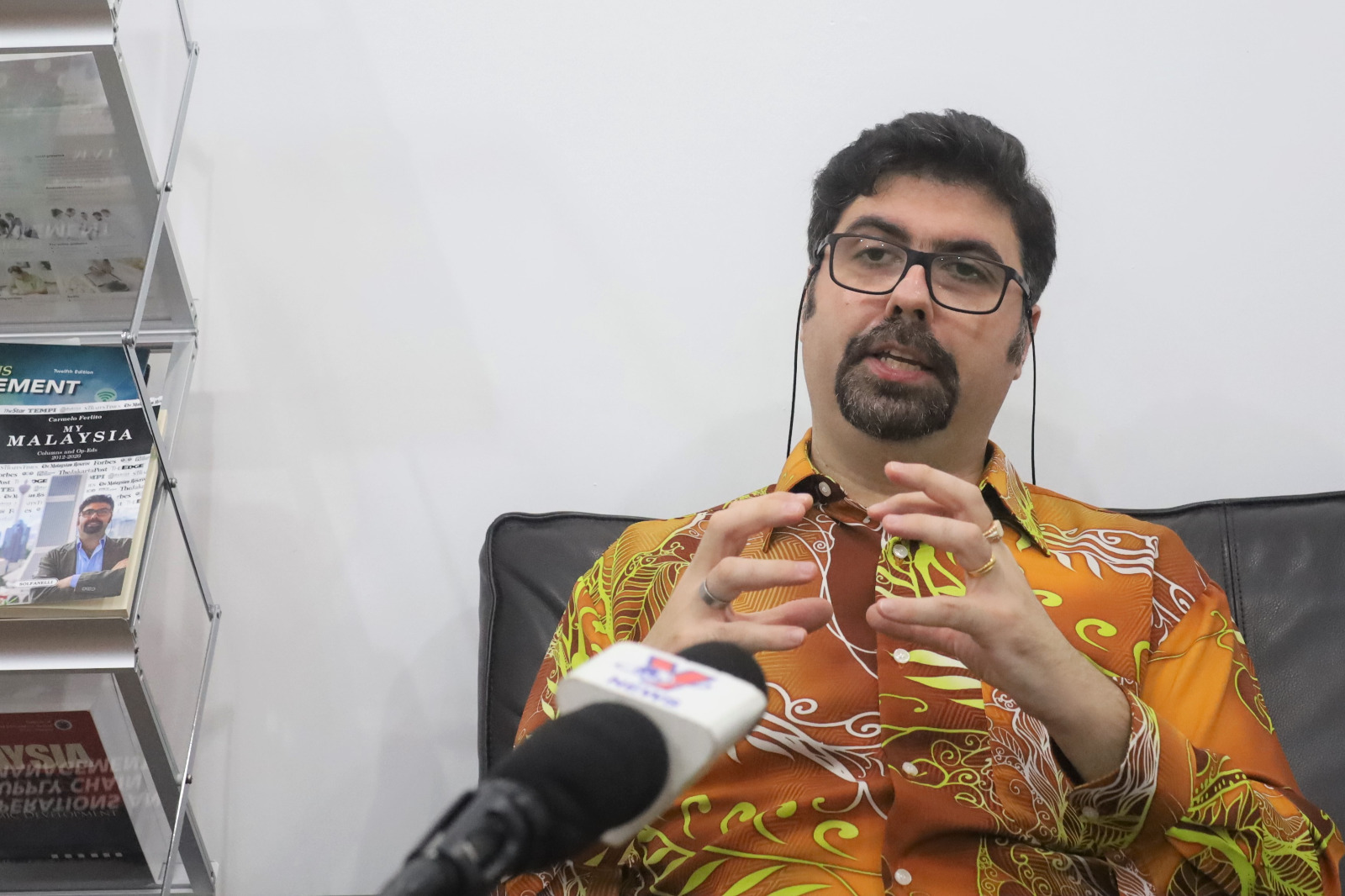
CME chief executive officer Dr Carmelo Ferlito said the losses show how illicit trade continues to weaken the region’s fiscal capacity.
“Losing RM45 billion to illicit trade over three years is not merely a budgetary issue — it is a missed opportunity to invest in people and communities. With such funds, governments could finance thousands of classrooms, modernise hospitals or expand climate adaptation programmes,” he said.
CME noted that the shortfall adds strain to public coffers at a time when many ASEAN economies are still recovering from the pandemic and grappling with global uncertainty.
“The losses translate into missed opportunities to strengthen essential services such as healthcare, education and climate-resilience infrastructure,” he said.
According to CME, Indonesia suffers the heaviest blow, with illicit tobacco making up over 10 per cent of its market.
“The government forfeits about RM7 billion (US$1.68B) each year, or more than RM20 billion (US$5B) in three years. In October 2025, the Ministry of Finance recorded that budget realisation for the Free Nutritious Meals (MBG) programme reached IDR 20.6 trillion (RM5B) with 31.2 million beneficiaries. Plugging the current revenue loss could finance the MBG for an additional 42.6 million people,” it added.
In Malaysia, the annual loss of around RM3.2 billion (US$770M) is nearly equal to the RM3.9B (US$950M) the government expects to save from petrol subsidy rationalisation.
“In the Philippines, cigarette excise losses exceed ₱25 billion (RM1.8B) annually — more than the ₱21 billion (RM1.5B) calamity fund allocated for disaster preparedness and climate resilience. Thailand’s illicit tobacco market, which accounts for about 28 per cent of total sales, costs the government roughly US$560 million (RM2.3B) a year, or nearly US$1.7 billion (RM7.1B) over three years,” he said.
CME described its estimates as conservative, noting that smuggling and counterfeiting are often under-reported and enforcement capacity varies widely across ASEAN.
Crime Stoppers International chief executive officer Hayley van Loon said illicit tobacco is not merely a fiscal problem but a regional security threat.
“Criminal networks operating in this space are often linked to other illegal trades, including narcotics, human trafficking and counterfeit goods, sharing logistics channels, laundering mechanisms and trafficking routes. These are not small-scale actors but organised syndicates, and illicit tobacco is a gateway to wider criminal economies that ultimately cost our societies far more than lost revenue alone,” she said.
CME acknowledged ongoing enforcement actions and regional cooperation to combat illicit trade but warned that stronger coordination is needed to curb cross-border smuggling.
The think tank concluded that ASEAN could collectively reclaim US$11 billion over three years — a sum Ferlito described as “transformational, with the potential to fund critical nation-building priorities.”