KUCHING: Over half the number of girls and women raped in Sarawak up to October this year were victims of their boyfriends.
Other cases mostly involved suspects who were close and trusted individuals.
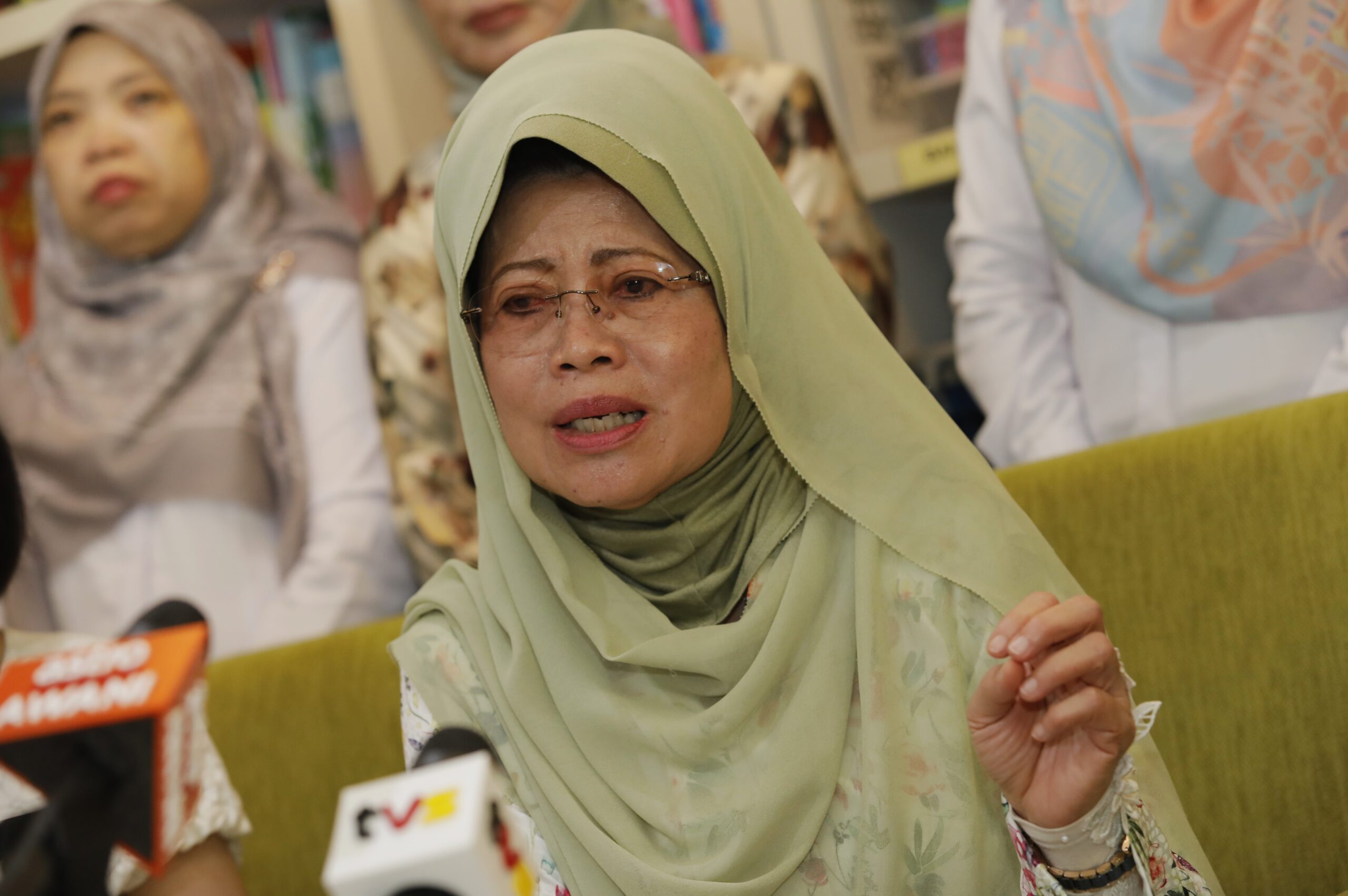
Describing the situation as disturbing, Women, Childhood and Community Well-being Development Minister, Datuk Seri Fatimah Abdullah pressed the need for continued education to strengthen awareness among children.
“Education on safe and unsafe touch must be strengthened among children, as sexual crimes can occur within their own families,” she said
“This information is crucial so that our boys and girls can protect themselves and understand clear boundaries; uncles, brothers, fathers, or stepfathers cannot engage in inappropriate contact,” she said.
She explained that rape within consensual relationships is still classified as statutory rape if the victim is under 16.
“Even if both parties consent, it is still considered rape if the female victim is under 16. Should parents make a report, the case can be brought to court. This is what we emphasise to students,” she said.
At a press conference following the Sarawak One Stop Teenage Pregnancy Committee (OSTPC) meeting here Wednesday (Nov19) she said 74 of the 143 reported rape cases during the said period involved the victims’ boyfriends.
According to statistics from the police, other reported cases involved suspects identified by the victims (35), uncles (8), fathers (6), unknown individuals (5), brothers (5), stepfathers (4), grandfathers (2), brothers-in-law (2), adoptive fathers (1), and siblings (1).
Addressing economic factors, Fatimah added that financial pressure and low-income family environments also increase the risk of sexual crimes.
She emphasised that the ministry focuses not only on prevention but also on strengthening inter-agency support systems to help victims rebuild their lives.
“All this information is essential to design programmes that do more than just reduce cases; they help victims reconstruct their lives,” she said.