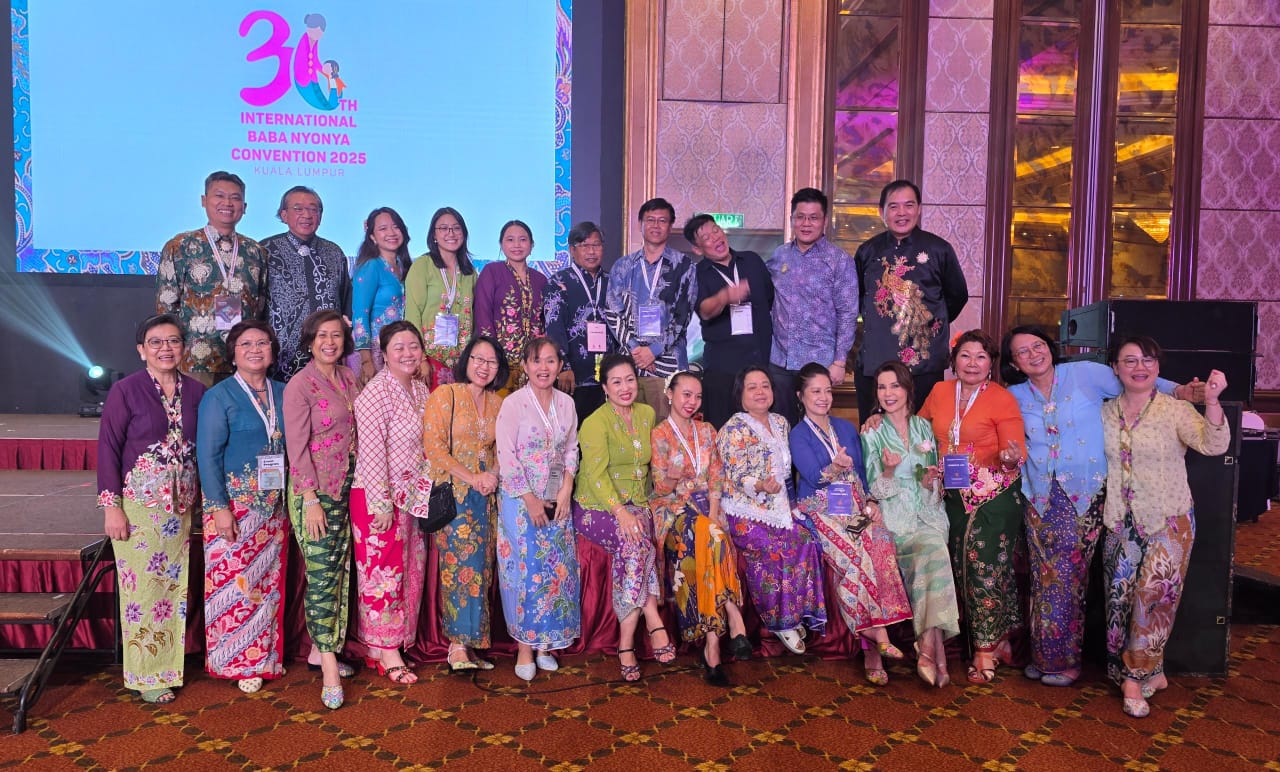
From vibrant kebayas and ancestral pantun to cross-generational dialogue and long-awaited recognition, the 36th International Baba Nyonya Convention in Kuala Lumpur brought Peranakan communities from around the world together in a powerful celebration of heritage, identity, and continuity.
Celebrating a living heritage
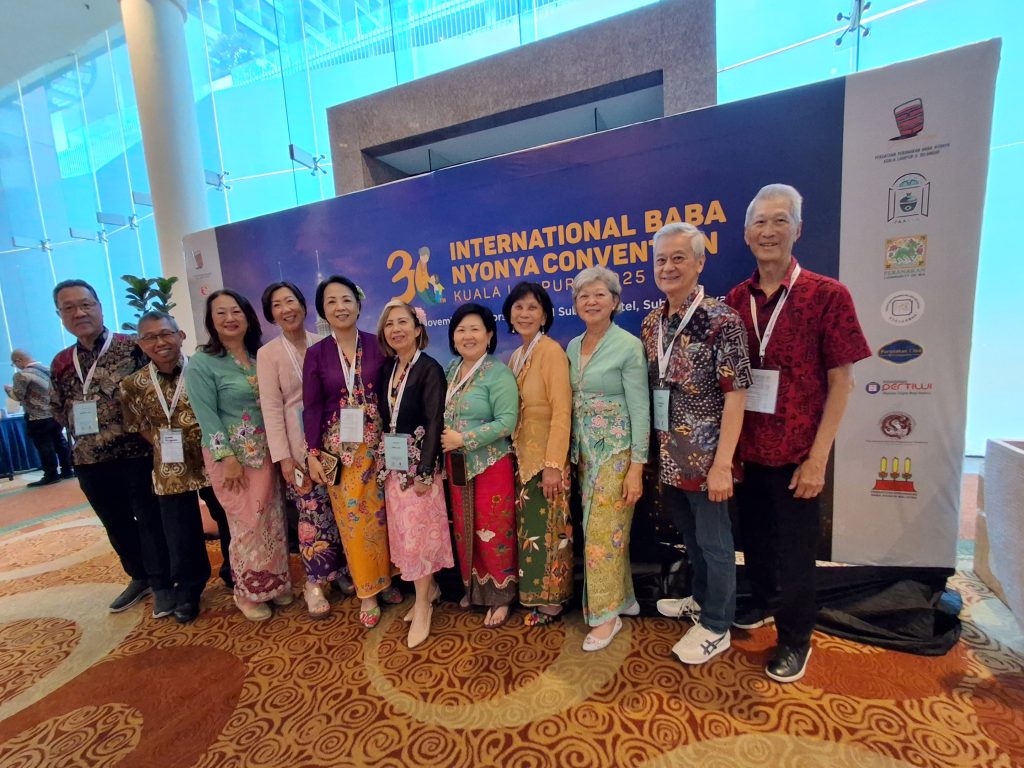
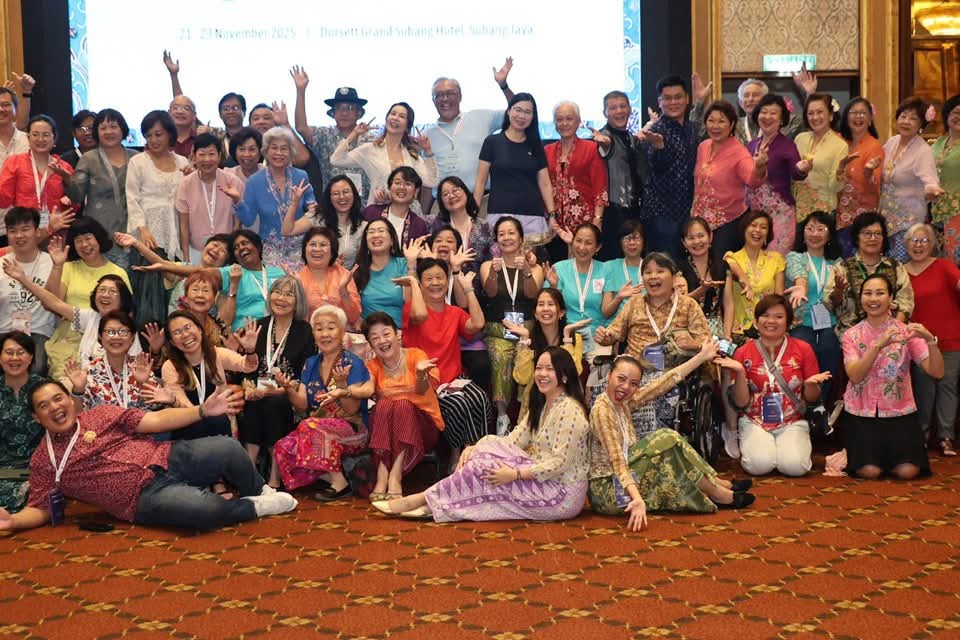
This year’s Peranakan convention, hosted by the Persatuan Peranakan Baba Nyonya Kuala Lumpur dan Selangor, drew an impressive gathering of delegates from Peranakan associations across Malaysia, Singapore, Thailand, Indonesia, several Australian cities, and beyond. Held at the Dorsett Grand Subang in Petaling Jaya from November 21 to 23, the event celebrated shared heritage, cultural continuity, and cross-generational exchange.
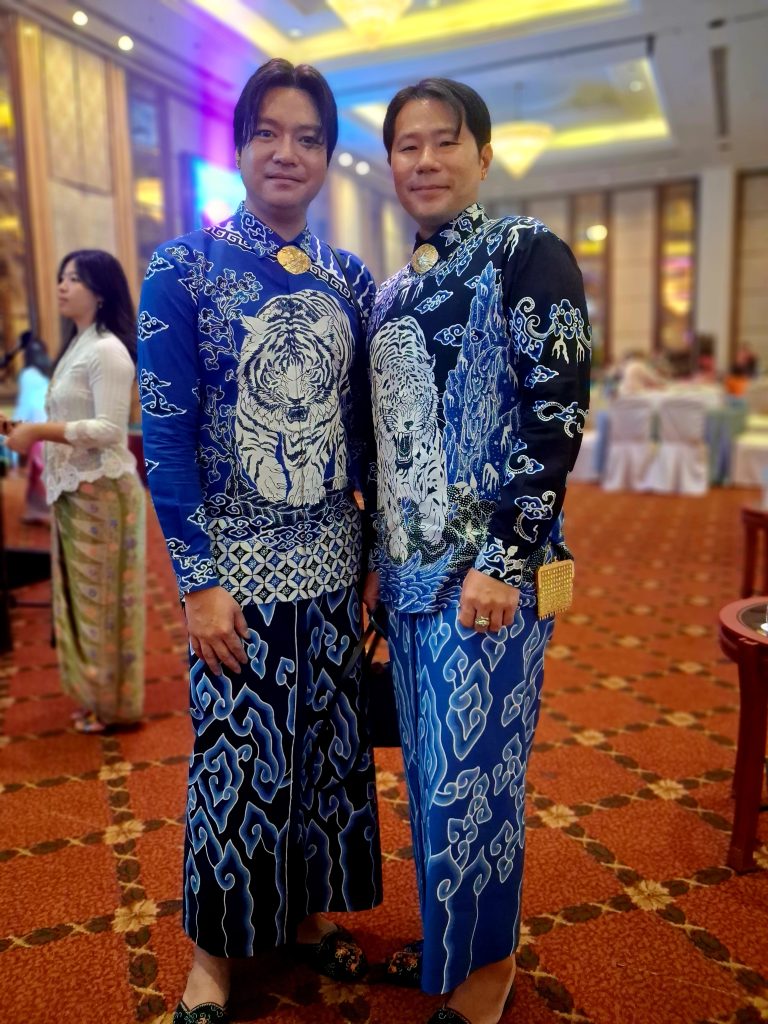
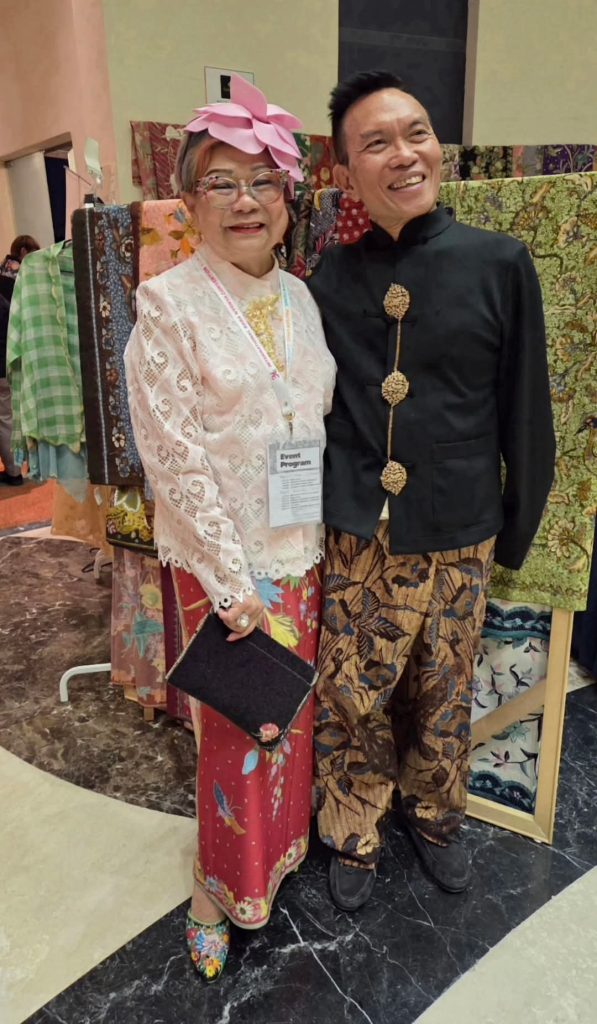
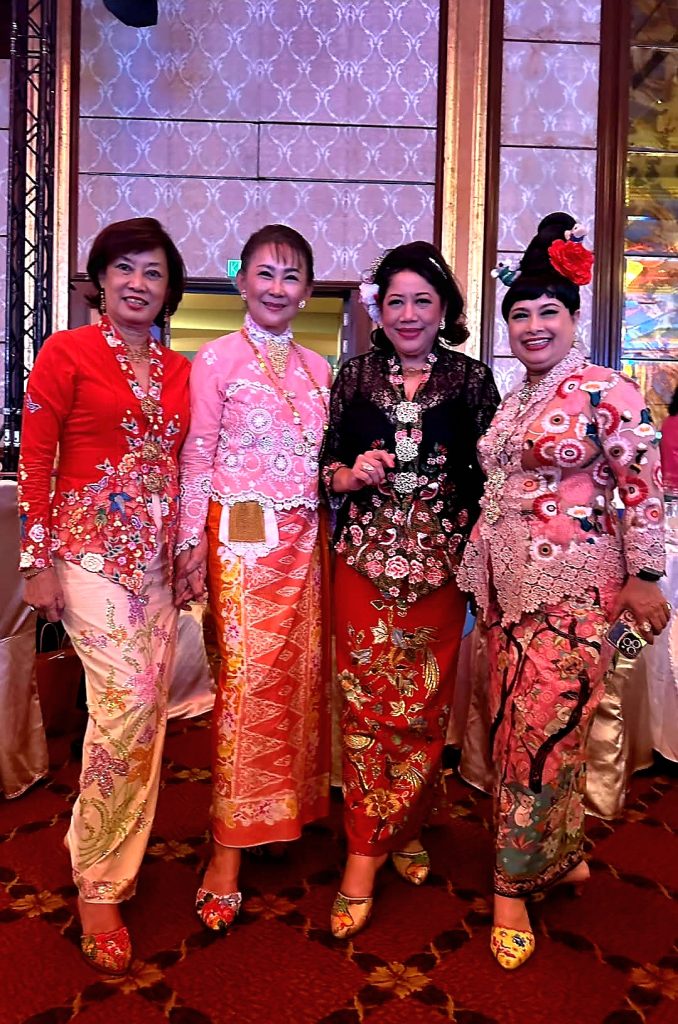
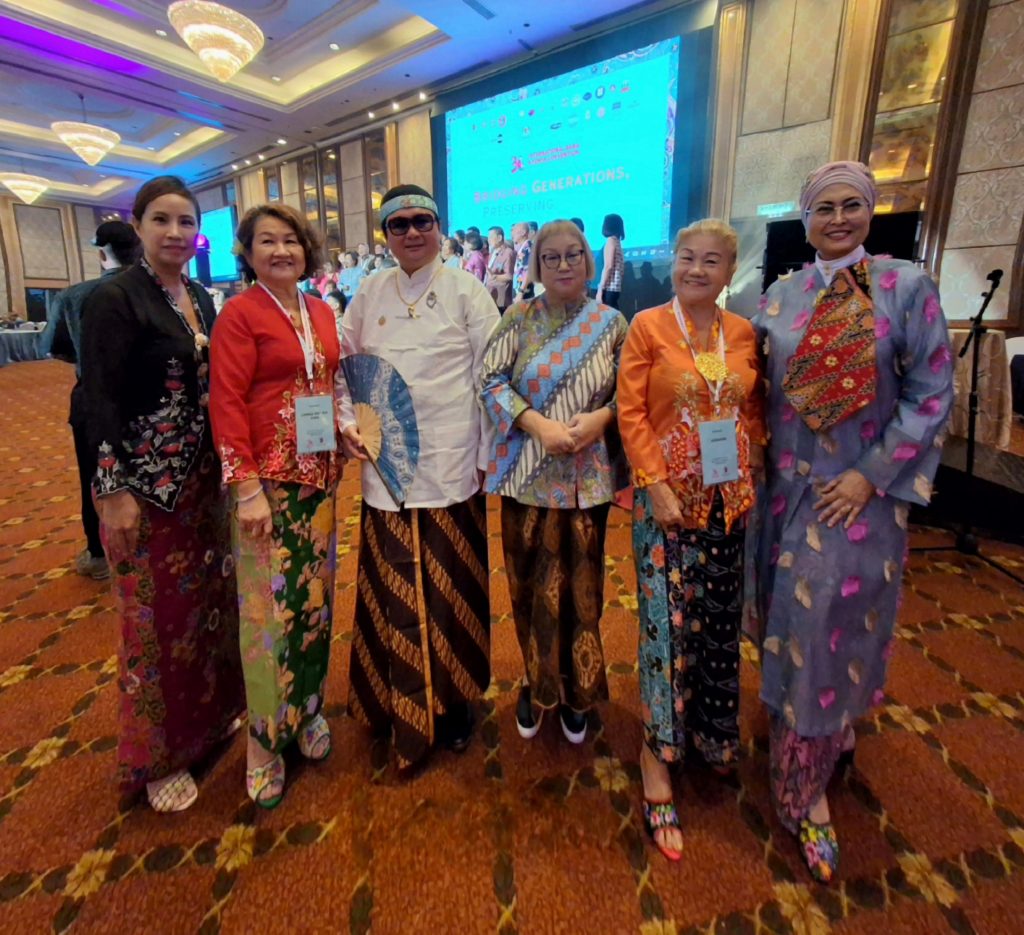
I arrived on the second day, just in time for the seminar “Bridging Generations, Preserving Legacy”, one of many engaging programmes lined up during the convention. It was my first time attending a Peranakan event in Kuala Lumpur, and I was completely floored by the turnout. The sight of so many participants resplendent in their distinctive Nyonya kebaya and Baba attire was breathtaking. “Wow, there are so many,” I remarked to my companion, Irene Yeoh, a true Peranakan whose roots trace back to Penang.
That moment sparked a question: just how large is the Peranakan community in Malaysia? Apparently, there are no official government statistics that identify Peranakans as a separate ethnic category in the national census. Communities such as the Baba-Nyonya, Jawi Peranakan, Chitty, Kristang, and Borneo Peranakans are usually recorded under broader classifications such as Chinese, Indian, or Others, making their true numbers difficult to quantify.
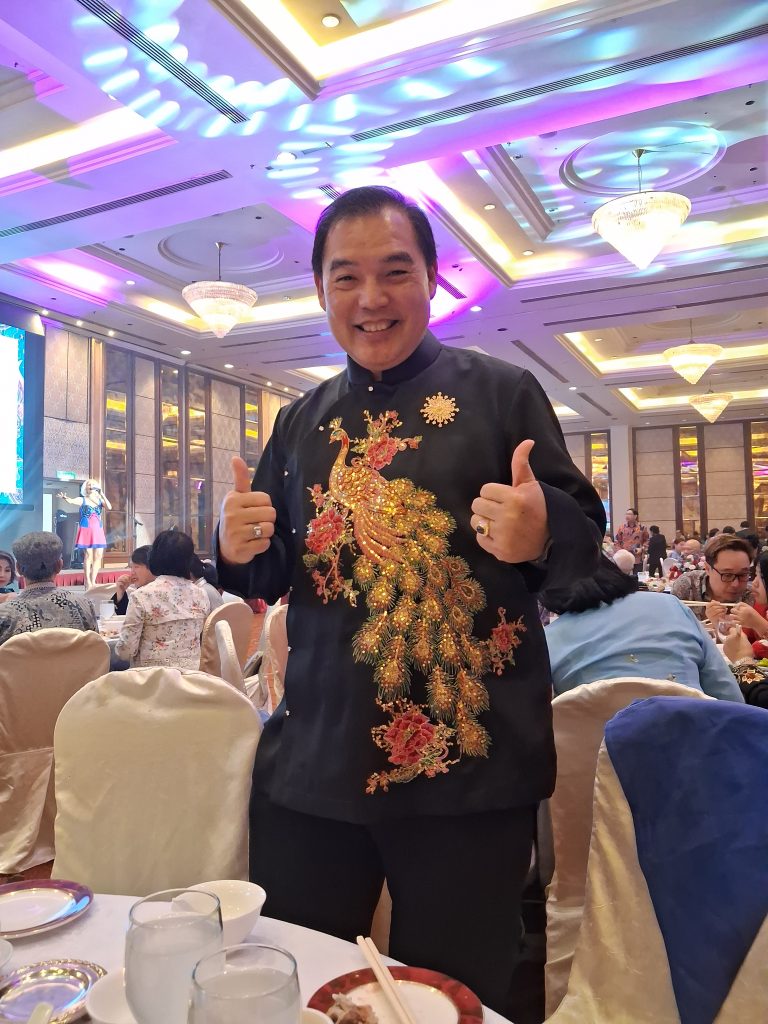
I was greeted by Cedric Tan, the organising chairman of the convention and a well-known figure within Malaysia’s Peranakan community. A passionate guardian of Baba Nyonya culture, Cedric is actively involved in cultural celebrations, traditional weddings, Dondang Sayang performances, and Wayang Peranakan theatre. A former president of the Peranakan Association in Kuala Lumpur, he continues to serve as a cultural ambassador and is deeply involved in heritage preservation efforts, including UNESCO advocacy for the kebaya.
Perhaps Peranakans truly do love pantun, for Cedric’s welcoming message featured a delightful poem:
The kuehs and cakes our Nyonyas offer
Are attractively fragrant and stuffed with fillings.
With heartfelt, joyful feelings,
We from Kuala Lumpur welcome our guests who have graciously come to visit.
It immediately set the mood, and our eyes soon wandered towards the enticing Nyonya spread laid out on the buffet table.
The convention was led by Vivienne Lee, president of the Persatuan Peranakan Baba Nyonya Kuala Lumpur dan Selangor, who was frequently seen alongside a vibrant team of young Babas and Nyonyas helping to run the event. Dressed in a beautifully fitted kebaya worn with effortless elegance, Vivienne also included a pantun in her message:
Walking to the market to buy a kebaya,
Stopping awhile at the spice shop.
Peranakan culture must not be forgotten,
For children and grandchildren are the custodians of history.
That spirit of continuity was evident throughout the convention. I was delighted to meet Dr Lee Su Kim, a prolific author of ten books, including three bestsellers. A full-time writer and language consultant, her research focuses on language, culture, and identity. Dr Lee holds a Doctorate in Education from the University of Houston and a Master’s degree from the University of Malaya. She has presented and published widely internationally and is the founding president of the Persatuan Peranakan Baba Nyonya Kuala Lumpur dan Selangor.
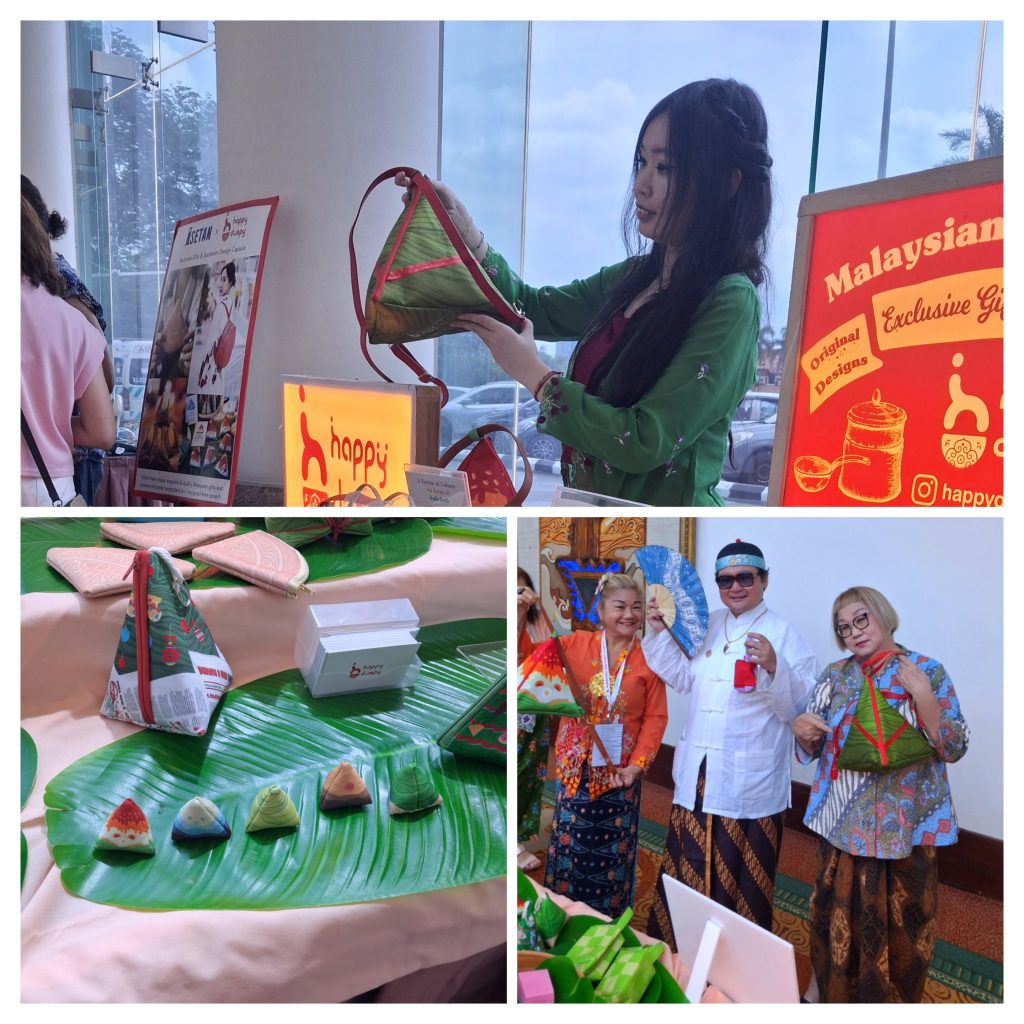
Beyond the talks and seminars, the convention also featured booths selling exquisite Peranakan attire and accessories. The pantun about the kebaya may well have inspired many of us to make a purchase or two. John Ang, a respected textile expert, and a Penang-based vendor from Anya Kebaya showcased stunning collections that proved utterly irresistible. Visitors also browsed jewellery by Jonathan Yun, who had previously participated in my Peranakan events, including Jin Jia Sui in Kuching, along with decorative pieces, gifts, bags, and charming beaded manek shoes from various vendors.
One of the highlights of the convention was the seminar “Bridging Generations, Preserving Legacy”, featuring Prof. Tan Awang Besar as the keynote speaker. It was moderated by Juita Jalil, a highly regarded bilingual master of ceremonies and deputy secretary general of Persatuan Delphic Seni dan Kebudayaan Malaysia (Delphic Malaysia). The session explored the challenges and responsibilities of safeguarding heritage in a rapidly changing world.
A particularly engaging presentation came from Shane Chin and his grandmother, Tan Saw Sim (Ah Ma), who led a gastronomy session on the transmission of Nyonya flavours and culinary knowledge across generations.
Andrew Sia, a Foochow-Cantonese and former editor at Star Media Group known for his “Teh Tarik” column, shared thoughtful insights on how individuals can actively preserve their cultural heritage for future generations.
Workshops and displays represented Peranakan communities from near and far, including Melbourne and Perth. Indonesian participants wore elegant kebayas, those from Phuket showcased distinct hairstyles, and familiar faces from Singapore were also present.
To my delight, there were Peranakans from Kuching, including Lorna Hui, leader of the senior ladies’ group Sayang Sayang, who brought along several members. Among them was former RTM personality Jennifer Lau, who cheerfully declared that while she is not Peranakan, she deeply loves the Nyonya kebaya and culture.
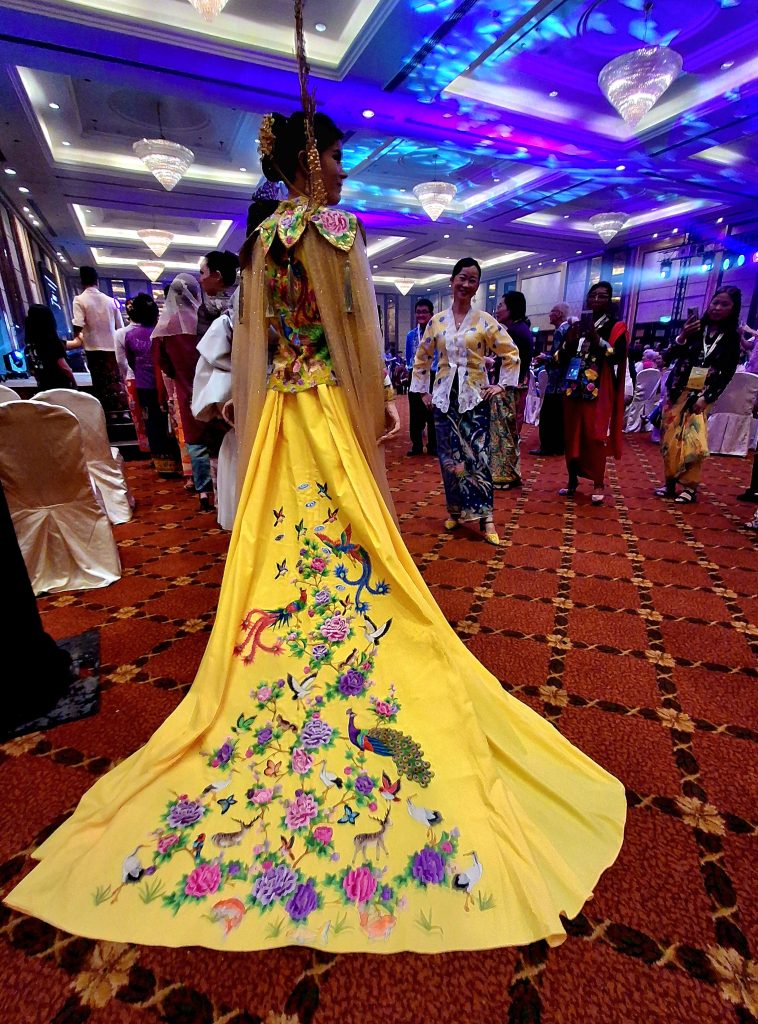
We enjoyed the storytelling, the singing, the dancing, and a well-coordinated fashion show by members of various Peranakan communities, offering a visual journey from traditional attire to contemporary interpretations. Participating groups included associations from Singapore, Melaka, Penang, Kelantan, Terengganu, Thailand, Indonesia, and Australia, as well as national and regional Peranakan organisations from Malaysia.
The president of Persatuan Peranakan Baba Nyonya Malaysia, Datuk Ronald Gan, said that 2025 was especially meaningful for the Peranakan community.
“After many years of hope and hard work, our beloved community has finally received long-awaited recognition. We can now record our true identity as Baba Nyonya on our birth certificates.”
The convention was not merely a gathering; it was a powerful affirmation that Peranakan heritage, in all its diversity, remains vibrant, cherished, and very much alive.