In Sarawak’s race toward a digital future, some children are racing ahead with the world at their fingertips, while others are still waiting for their first connection. For many, a simple internet link can mean the difference between staying in the shadows and stepping into a world of knowledge, skills, and opportunity. This is part two of a five-part series exploring what it means to grow up in an age of rapid technological change – where the promise of progress shines bright, but the risks of being left behind are just as real.
From village to virtual
CHILDREN in urban areas are among the privileged, growing up in cities that are technologically advanced and within constant reach of the latest innovations.
News travels faster, resources are more accessible, and, with the availability of experienced teachers, urban children also receive better quality education compared to their counterparts in rural areas.
Meanwhile, much is still lacking in Sarawak’s rural communities. To address this, the state government, under the leadership of Premier Datuk Patinggi Tan Sri Abang Johari, has established nine regional development agencies, each tasked with bringing much-needed rural infrastructure and socioeconomic programmes.
This is part of the goal for Sarawak to achieve economic prosperity, social inclusivity, and environmental sustainability by 2030.
Complementing these efforts, the Sarawak Digital Economy Corporation (SDEC) was tasked with digitalising the region’s economy and connecting rural communities to the world. Under SDEC, broadband coverage has been expanded and improved through the Sarawak Rural Broadband Network (MySRBN).
In Sarawak, the divide between rural and urban areas is clear – either there is no internet access, or it is severely limited. Such constraints hinder the realisation of the digital economy.
MySRBN aims to tackle this long-standing problem of poor connectivity in rural Sarawak.
Addressing the digital divide
Slowly but surely, the gap between the world and Sarawak’s rural communities is beginning to close. Children in these areas can now benefit by learning beyond the classroom, transforming their knowledge into innovations.
When The Learning Curve (TLC) co-founder Kenneth Chai started the organisation with his partners in 2017, he hoped that every child, regardless of background, would have equal access to Science, Technology, Engineering and Mathematics (STEM) education.
“When I started working directly with primary school communities, I saw firsthand how the digital divide affected rural areas in our state. Through TLC, I also saw the value of traditional knowledge systems and direct human connection.
“I’ve also witnessed the transformative power of technology when thoughtfully implemented. My role has become that of a bridge – helping communities embrace digital tools while preserving their cultural wisdom and social bonds,” said the teacher.
Looking back – and even in certain areas today – the gap remains visible.
“In those areas, children might share one smartphone among siblings and rely on expensive, limited mobile data. Some have their first real digital interaction when attending my class. Even then, the devices are outdated.”
Due to infrastructure limitations and geographic isolation, Chai, through TLC, organised Science on Wheels to bring STEM education to schools in the interior of Sarawak. Operating two trucks equipped with mobile digital infrastructure such as laptops and satellite connectivity, the initiative helps overcome the technological gap.
To date, Science on Wheels has reached over 10 communities across Sarawak, impacting between five and nine schools per community.
TLC’s approach centres on three pillars: infrastructure (internet, electricity, STEM equipment), instruction (curriculum, books, workshops for teachers and students), and incentives (competitions, science fairs, and events).
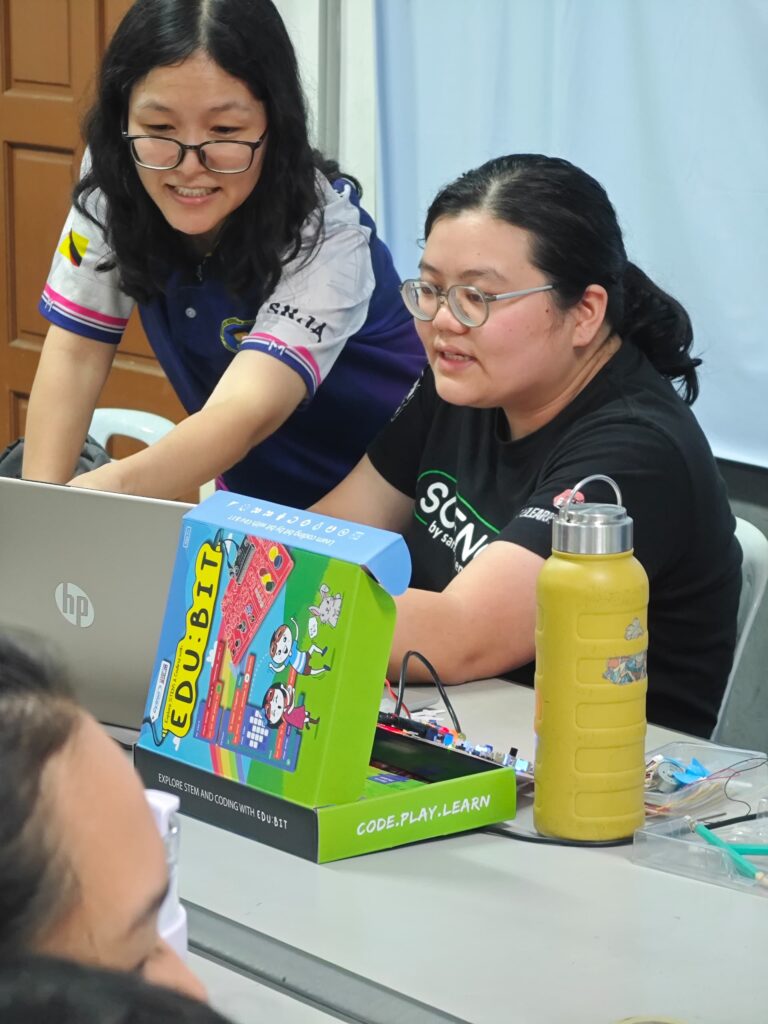
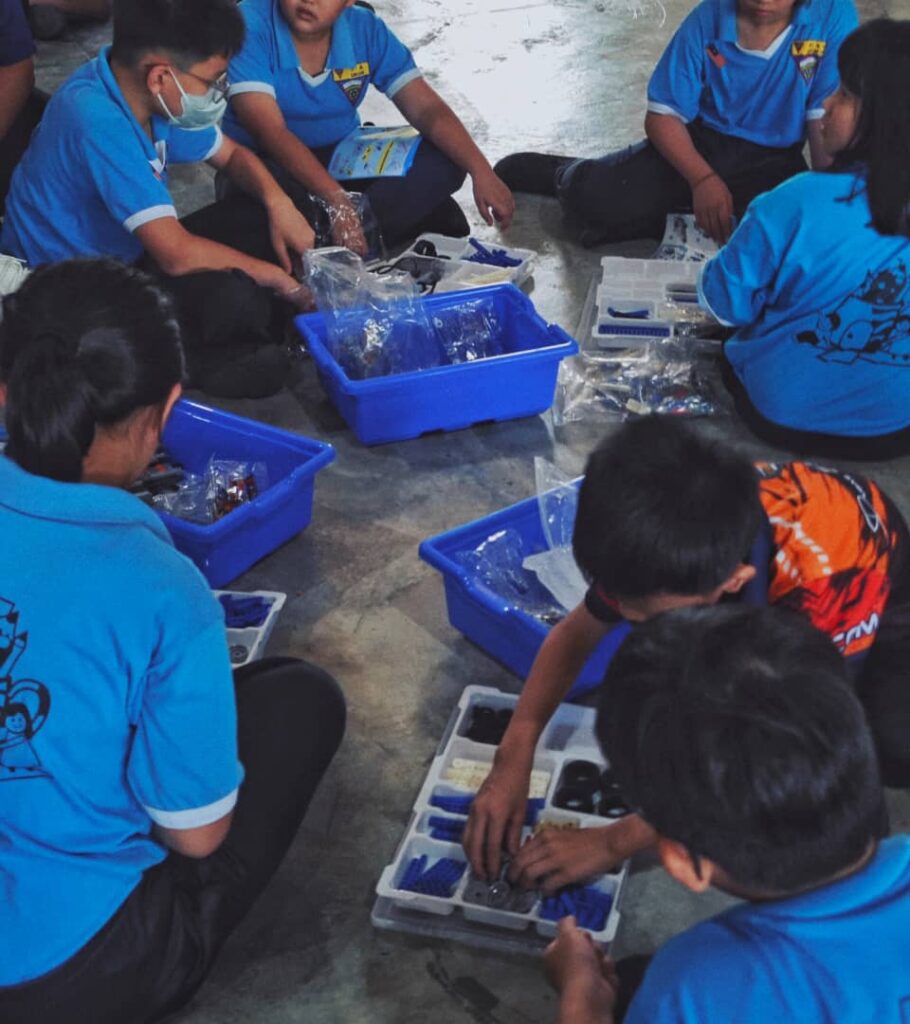
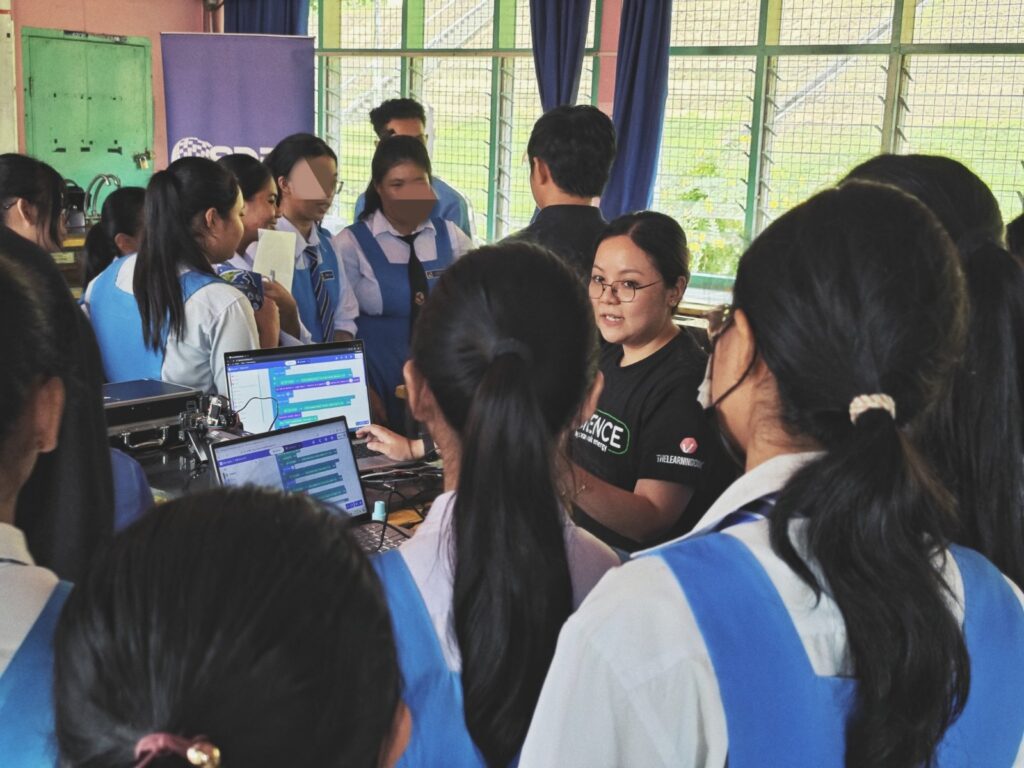
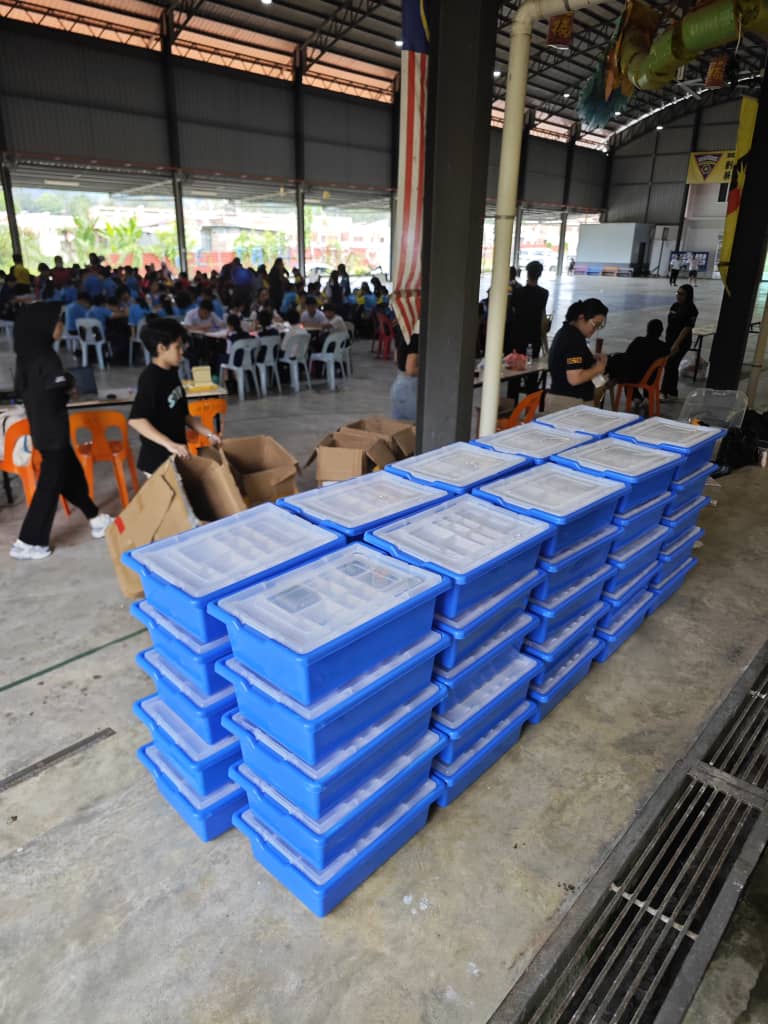
Most recently, TLC organised Sarawak’s largest science fair, SCIENCE 7 (Sarawak Community Innovation and Engineering Convention), sponsored by Sarawak Energy. The event brought together children from both urban and rural communities to showcase their innovations.
“The students from rural schools chose projects that combined traditional knowledge with digital tools, demonstrating a sophisticated, hands-on understanding of both domains. Teachers’ adaptation has been equally important.
“Initially, many educators were intimidated by digital tools, but our workshop approach, which focuses on practical applications, has led to remarkable transformations in how they integrate technology into their teaching,” said Chai.
Digital literacy among rural children
Having worked with rural schools since 2017, Chai has observed stark differences in how children develop cognitively and socially.
“Urban children are generally more comfortable with multimedia learning and can process information from multiple sources simultaneously,” he said.
In contrast, rural children – who often have less exposure to digital tools – tend to display stronger sustained attention and practical problem-solving abilities.
“They approach STEM challenges with more patience and persistence,” Chai noted.
He emphasised that digital literacy is key to opening new learning pathways. With the right skills, children can collaborate on projects across schools, tap into global STEM resources, and harness AI tools to deepen their understanding.
With access, digital literacy also empowers children to become creators and innovators.
“In our science fairs, students who understand technology don’t just consume content – they build solutions.
“During competitions in rural areas, students create apps to solve local problems, design websites to share their solutions, and use AI tools to improve livelihoods – from minimising their parents’ workload to predicting floods and saving energy bills. This is in contrast to urban students, whose digital use often prioritises entertainment,” he revealed.
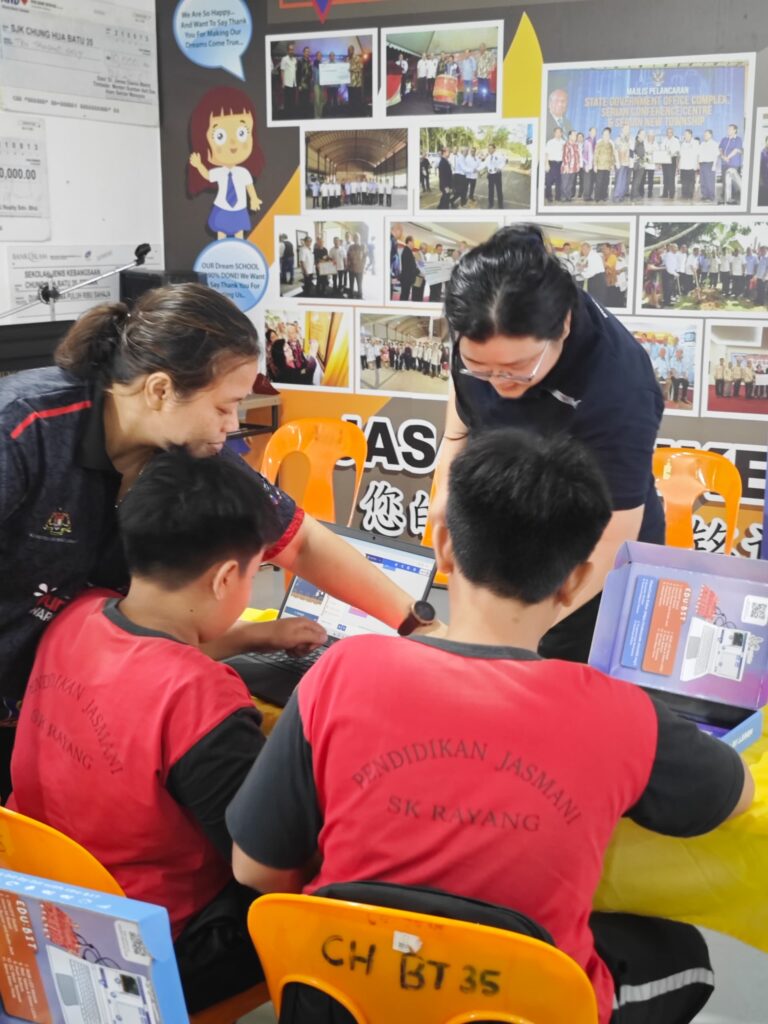
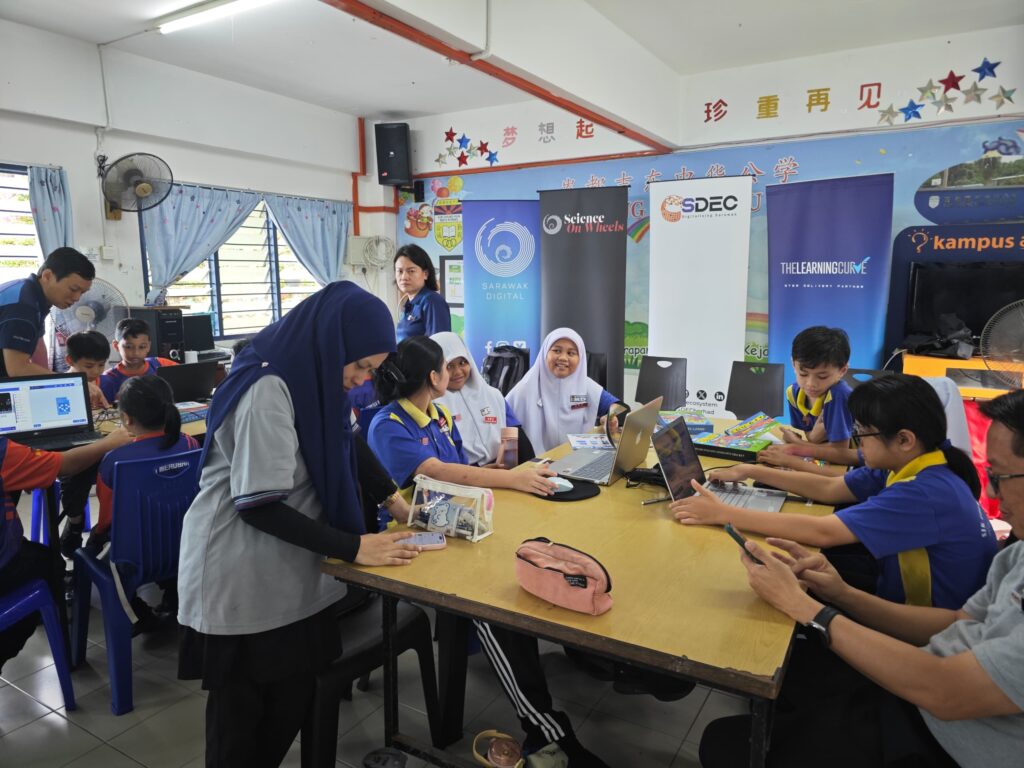
Ultimately, Chai sees digital literacy as a form of economic empowerment. The communities TLC serves often lack traditional economic opportunities, but digital skills can connect these children to global markets and remote work as they grow older.
“It’s about breaking cycles of geographical and economic disadvantage,” Chai added.
Essential to close the gap
Chai remains optimistic about the potential for children to shape a more equitable technological future. With the right tools and shared knowledge, he believes they can blend traditional problem-solving skills with digital fluency.
“What excites me most is seeing rural children who understand both their local contexts and global digital possibilities. They’re not just adapting to technology created elsewhere – they’re innovating solutions that serve their communities. This suggests a future where technology development is more distributed and culturally responsive,” said the teacher.
Nevertheless, there is still much to be done. Continued investments are essential to bridge the digital divide. While the children under the TLC programme show remarkable potential, many still remain without access and face widening gaps.
“The challenge is ensuring that digital transformation enhances rather than replaces traditional knowledge systems and community bonds. I believe this generation will use chat, large language models, and emerging technologies as tools for community development rather than for personal gain.”
Bridging Sarawak’s digital divide is not just about wiring villages to the internet – it’s about weaving technology into the fabric of community life without unravelling its traditions. As Chai’s work shows, when rural children are given both access and guidance, they don’t merely catch up – they redefine how technology can serve a society.
The next generation is poised to transform their communities with solutions rooted in local wisdom and amplified by global tools – proving that digital progress, when inclusive, can create and innovate.