Once on the brink of silence, the soulful sound of the ‘lutong’ is making a comeback, uniting generations through culture, passion, and a shared mission to revive Sarawak’s musical heritage.
Tradition Resounds
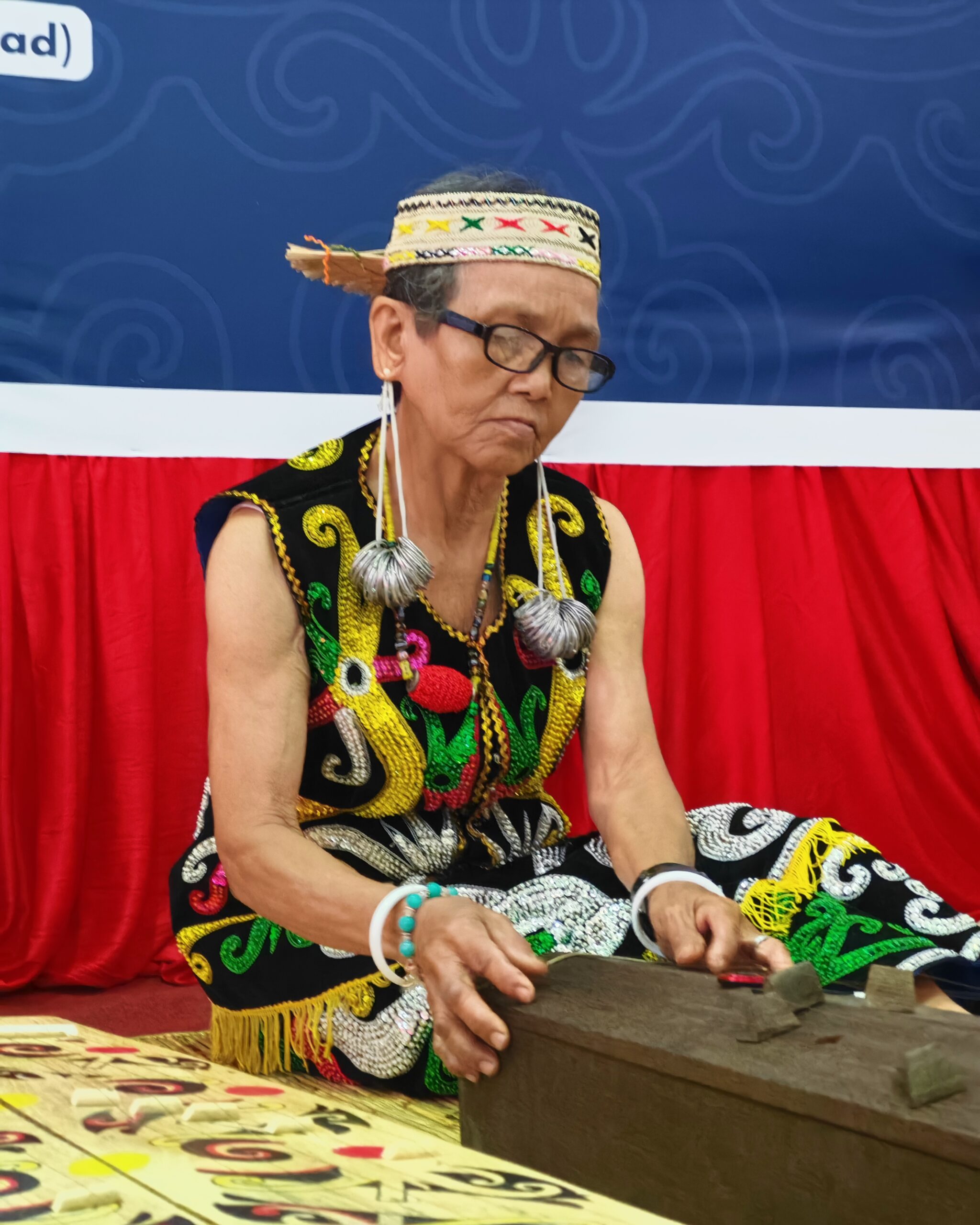
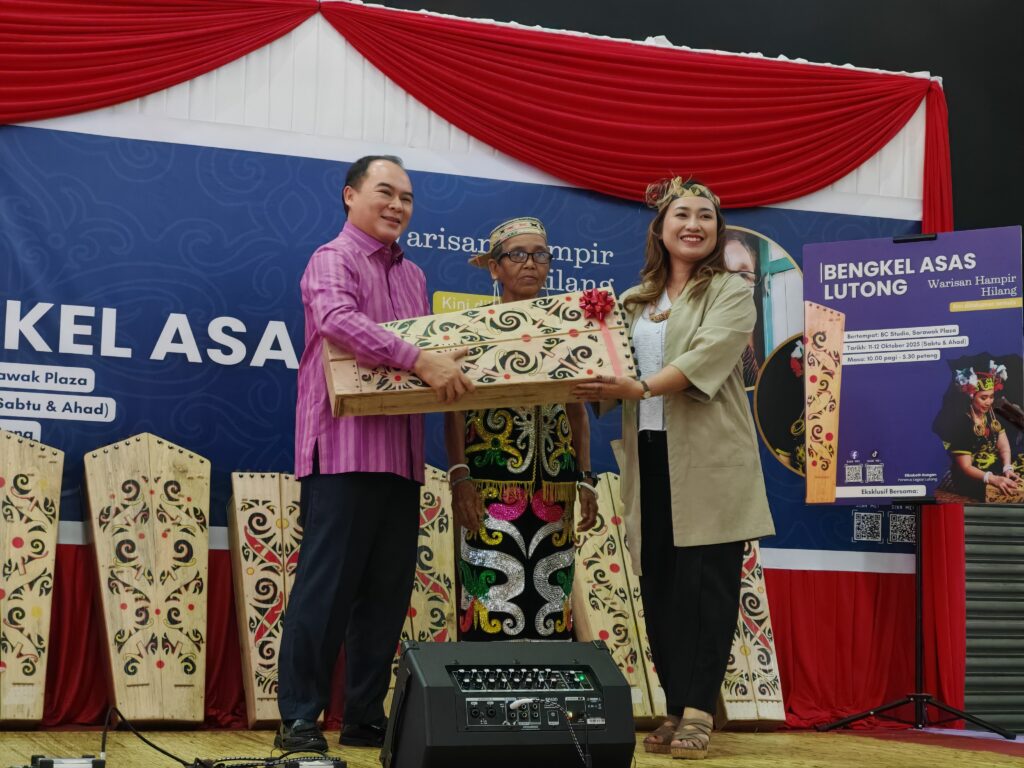
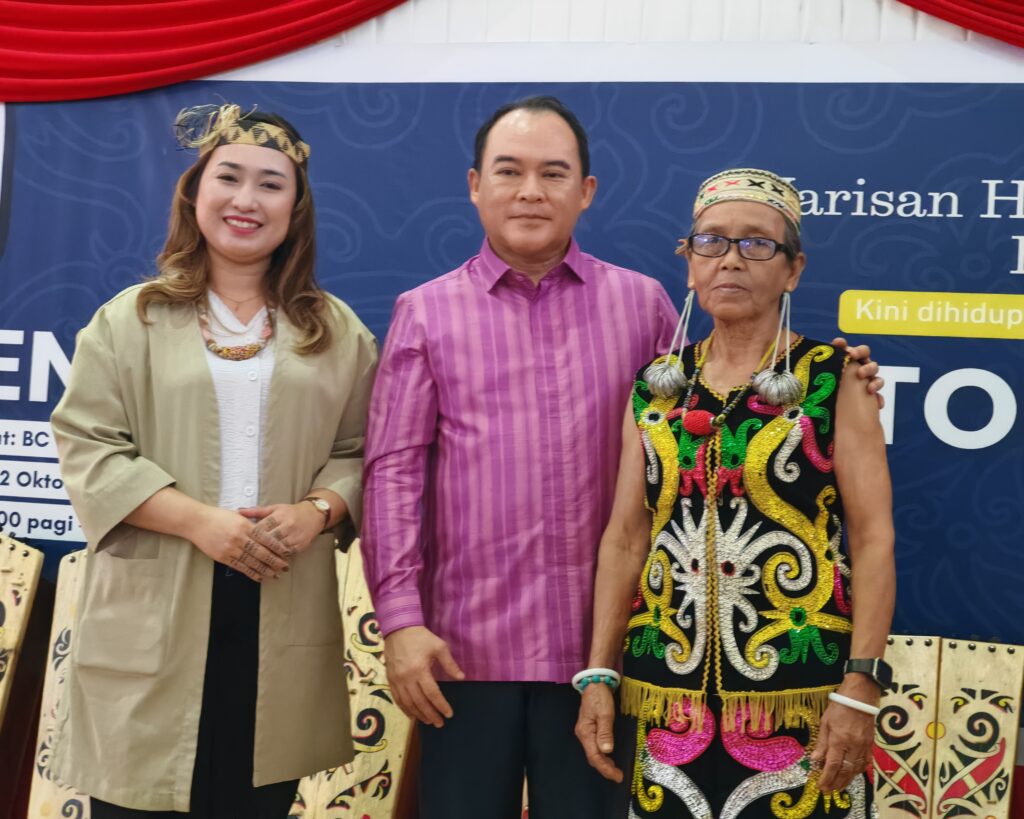
THE event venue was silent with echoes of the past, bridging into the future as lutong player, Pang Selong, handed over her old instrument to the founder of Bungan Creative, Elizabeth Bungan.
The symbolic ceremony took place amidst the younger generations attending the lutong workshop hosted recently by Bungan Creative and the Sarawak Arts Council (MSS), led by Chief Executive Officer, Awang Ikman Awang Sepian.
“The lutong is not just any musical instrument. It is special, made with love and fine artistry. This instrument is made out of belian, which symbolises strength, resilience and heritage that’s not easily faltered.
“Today, the lutong is handed over to Bungan Creative as a sign of trust to continue the art legacy and tradition of the lutong. I hope that the light of the lutong will never go out, that the art doesn’t end here, but rather it’s a new beginning, an heirloom from one generation to the next,” said Pang in the Kenyah language when she handed over her lutong to Elizabeth.

Held at Sarawak Plaza, Kuching, the lutong workshop saw over 30 participants learning the art of this nearly forgotten Kenyah instrument. Recently rediscovered with the aim of revival, Elizabeth, who picked up the lutong and learned it herself, has one goal: to carry on a legacy through the strings from the jungle.
On the brink of extinction, Elizabeth expressed gratitude at being able to witness the musical instrument coming to life, with many participants from different races learning the art.
“It’s not just a workshop, but a gathering to share the same passion for our traditional music,” she said.
The workshop ran for two days, with the second day featuring participants playing the lutong on stage in groups. Elizabeth said she could see genuine curiosity and excitement among the participants, especially the younger ones.
“Many of them are discovering the sound of the lutong for the first time. There’s also a strong sense of community in which everyone is learning, helping each other, and proudly showcasing the heritage during the recital session,” she added.
Elizabeth is optimistic about the revival of the lutong, noting the strong interest shown by participants.

“Revival grows through passion, continuity, and collaboration between musicians, elders, and institutions like MSS. With more awareness, documentation, and performances, I believe the lutong can find its place again, not only in cultural showcases but also in contemporary music,” she said.
Having worked with different types of traditional musical instruments and performing arts, Elizabeth, who holds classes at the Bungan Creative studio in Sarawak Plaza, said the younger generation gives her hope in preserving traditional arts and heritage.
“I hope that not just the lutong, but also other aspects of our traditions, continue to be sung for generations to come,” said the cultural teacher.
A revival of hope for the lutong
Amazed by the performances of new lutong players at the workshop, Awang Ikman said MSS has a role in preserving the heritage of all races in Sarawak.
“For the lutong, our first initiative was to give a grant to Bungan Creative to organise workshops to pass on knowledge to the younger generation.
“Our next step is to reintroduce the instrument to the community through our upcoming art festival in November,” he shared in an interview with Sarawak Tribune.
According to him, MSS has reserved a booth to showcase and exhibit the lutong – an initiative to re-ignite music from the past.
The instrument is also expected to be presented internationally next year, he added, believing that Sarawak’s arts and culture must be preserved.
“Not just for our generation, but for the younger generation as well. If the lutong isn’t showcased, it could become extinct. People in the future won’t know what a lutong is,” he said.
Nevertheless, he is pleased to see more youngsters inclined towards traditional music.

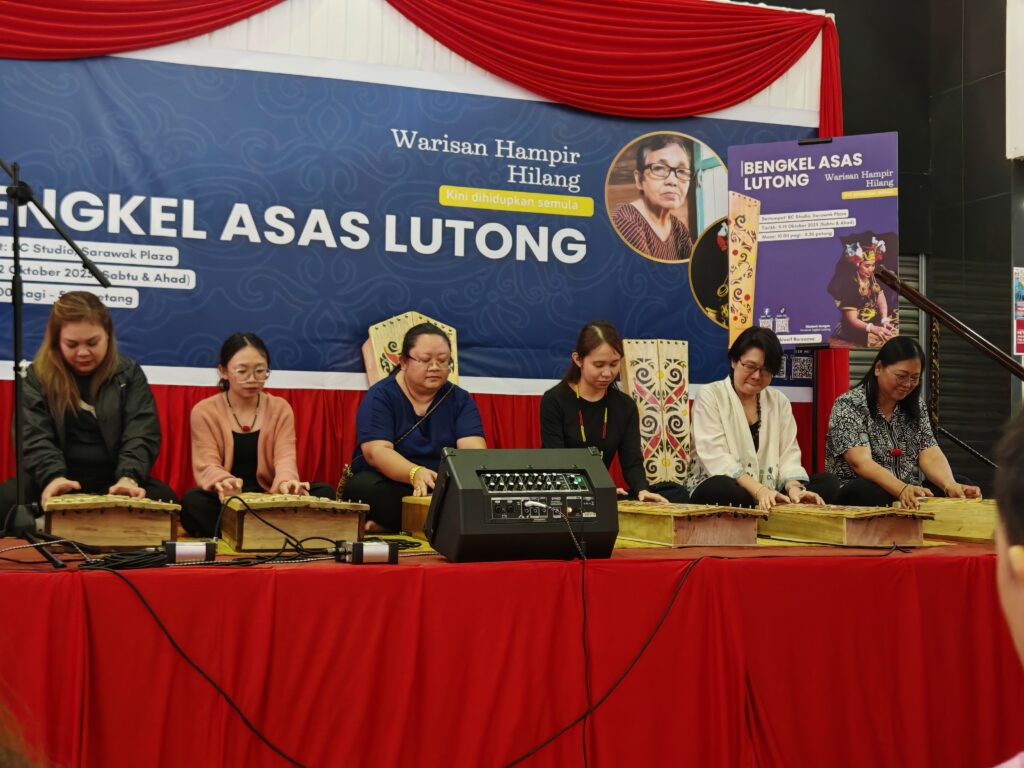
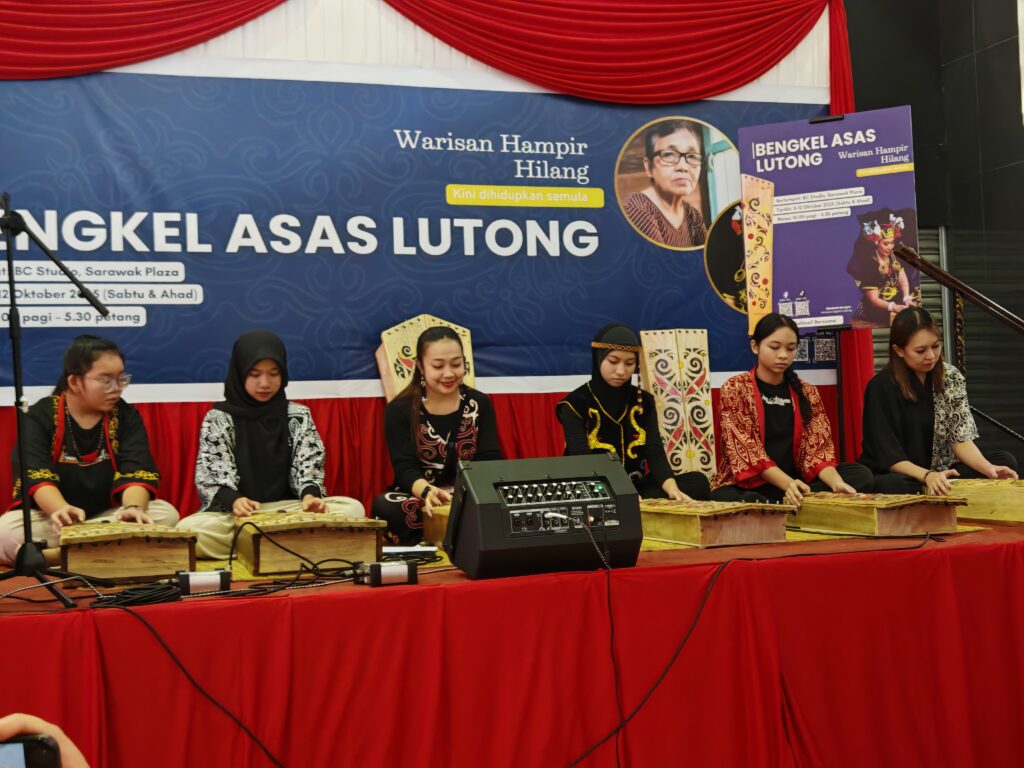
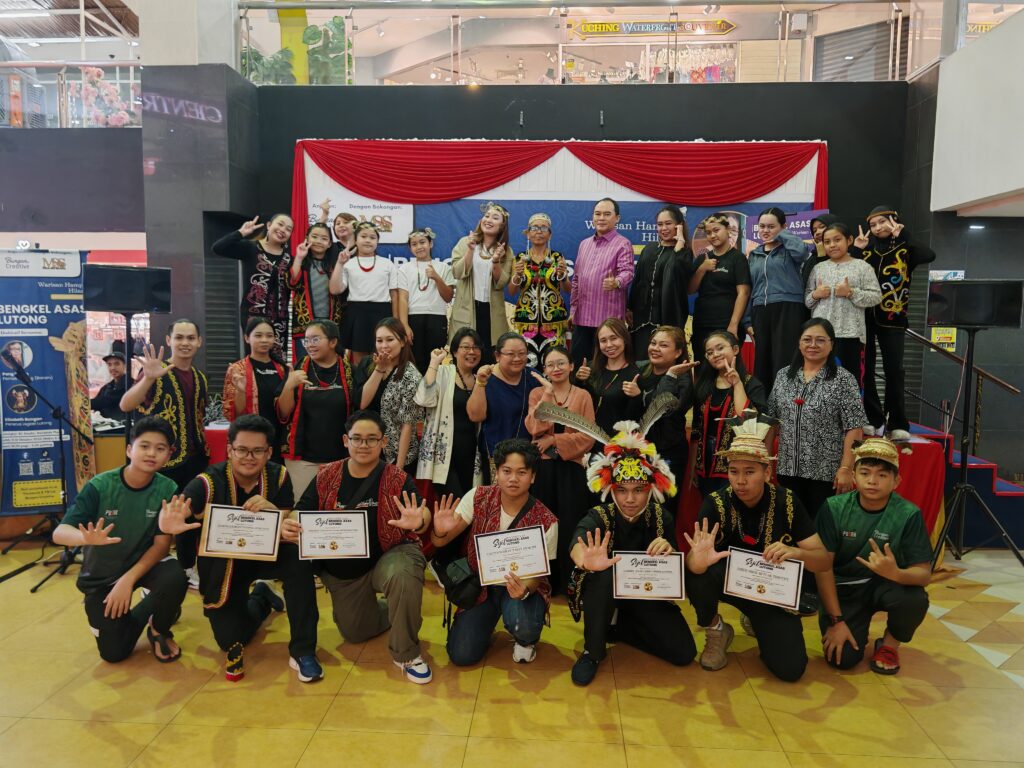
“We should encourage the younger generation to appreciate our culture. Under MSS, we have numerous classes teaching traditional musical instruments and cultural dances,” he opined.
Awang Ikman emphasised the importance of nurturing children from a young age to instil appreciation for art and culture. Although modern times call for new approaches, he believes traditions can be revived through contemporary expression.
“We can attract youngsters by introducing contemporary aspects while still preserving the originality of the music,” he added.
Moving forward with the lutong
The revival of the lutong opens myriad possibilities. For participants, it was not just an introduction to the Kenyah instrument that nearly lost its identity, but also a rekindling of shared rhythm. The workshop allowed for the re-introduction of the lutong not only to the Kenyah but also to people of different races in Sarawak, Malaysia.
Beyond its roots, the lutong drew interest from the Bisaya, Iban, Bidayuh, Malay, Chinese, and others – a testament to diversity meeting curiosity.
For Magdelene Molly Michael, a 29-year-old Bisaya participant, she joined the workshop out of curiosity, drawn to the lutong’s unique name, shape and melody.
“It felt like a mix between the sape and the guzheng. Familiar yet completely different. And with Auntie Pang Selong coming all the way from Baram, I knew I couldn’t miss it. It felt like a once-in-a-lifetime chance to learn something truly special,” she said.
Initially, Magdelene felt nervous, as the lutong is a string instrument – her weak spot.
“I remember thinking, ‘What if I can’t even play a note?’ But after learning from the facilitators and watching Auntie Pang’s demonstrations, everything began to make sense. The way she played, effortless and full of life, inspired me to keep going,” she said.
By the end of the workshop, Magdelene gracefully played the lutong onstage with her team members. Despite practising for only half a day, she said the experience taught her that creativity often thrives under limitations.

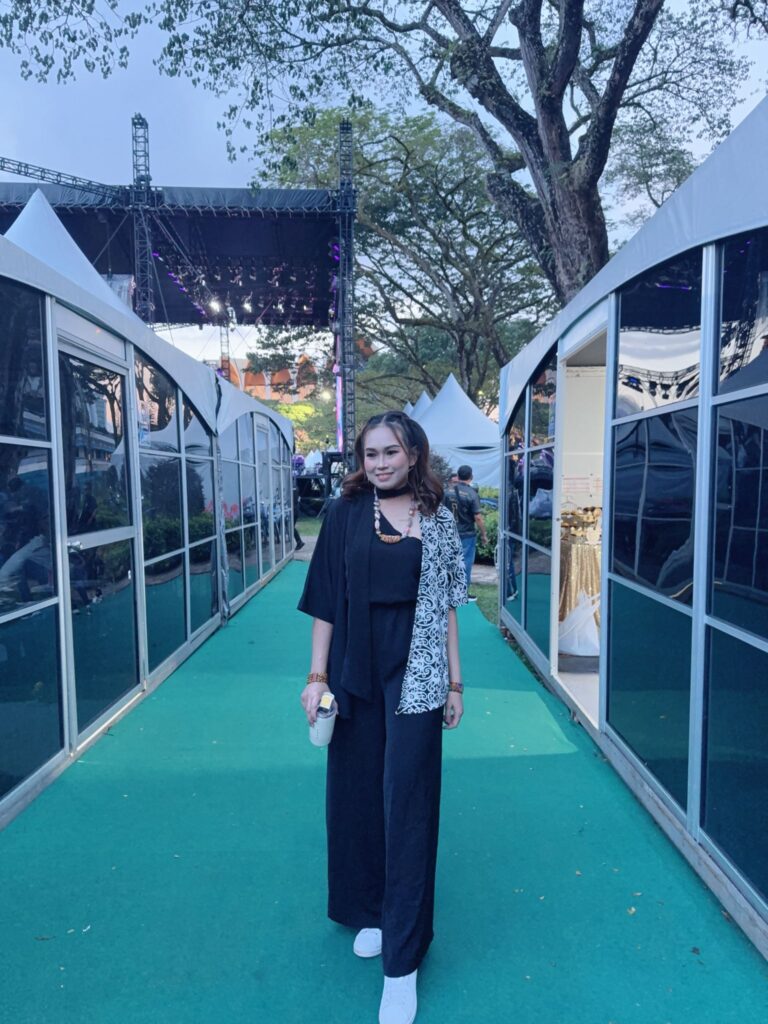
“The lutong was created because women in the past were not permitted to play the sape, yet they found their own voice through music, a way to express joy and celebrate the return of loved ones from war. It reminded me that with passion, determination, and sincerity, anything is possible,” said the teacher by profession.
Magdelene believes traditions are part of who we are, carrying meaning, identity and pride. Passing them on is how we keep them alive.
Sharing this sentiment, Lydiana Lynmentan, a 36-year-old Iban participant, said cultural preservation keeps identity and diversity alive.
“It helps us understand the roots and stories of different communities. I believe what Bungan Creative is doing is meaningful – giving people, even from other backgrounds, a chance to connect, learn, and help keep these traditions thriving,” she said.
Lydiana, who wanted to experience the uniqueness of the Orang Ulu instrument, added: “It’s a rare opportunity to learn directly from people who truly understand its meaning and history. I enjoy playing the lutong as much as the sape; both have a calming and healing sound.”
She said the more she played, the more she appreciated how each note carries emotion and tradition. Though the workshop ran only two days, Lydiana hopes to carry on and share what she has learned.
“My dream is to bring the lutong to international platforms. I want more people around the world to hear its unique sound and understand the rich culture behind it. Just like the sape has gained global attention, I believe the lutong also deserves recognition beyond Malaysia,” she added.
Beyond learning a new musical skill, Lydiana discovered mutual understanding and respect through playing the lutong. The instrument reminded her that culture is meant to be shared and that “when we learn from each other, we build stronger appreciation and unity”.
As the final notes of the lutong echoed through the hall, it was clear this was more than just a workshop; it was a homecoming of sound, memory and identity.
What began as a fading tradition now hums again in the hands of a new generation eager to listen and learn. The lutong is finding its place in the modern world, not as an artefact of the past, but as a living heartbeat of Sarawak’s cultural soul.